Romanos 15
Ŋwɛ menomenyɛɛ́ mekɛ́ · Toca un versículo para ver sus referencias cruzadas.
Bɔɔ́ Kras ápyɛgé lé unó bi ugɔɔ́ atɛ aŋmɛ metɔɔ́
1Ɛsé abi débɛné né depɔré Ɛsɔwɔ, debɔ mampógé abi álá bɛ́né wɔ́ né unó bi ɛbwɔ ápyɛ gyɛɛ́, ɛbi ujwerege ɛbwɔ́ mankaá. Dépyɛgé fɔ́ lé unó bi ugɔɔ́ ɛsé ambɔɔ́ metɔɔ́. 2Yɛ́ndémuú sé apyɛge genó ɛyi gegɔɔ́ atɛ aŋmɛ metɔɔ́ nnó ɛbwɔ́ ábɛné né depɔré Ɛsɔwɔ né galɔ́gálɔ́ bwɔ́ nnó ɛbwɔ́ áwɛ. 3Néndé yɛ́ Kras apyɛɛ́ fɔ́ unó bi ugɔɔ́ lé jimbɔɔ́ metɔɔ́ wɔ́. Yɛ́mbɔ, ndɛre ásamé né ŋwɛ Ɛsɔwɔ nnó, “Mashyɛ ayi bɔɔ́ áshyɛɛ́ wɔ áshulé me né mmyɛ.” 4Yɛ́ndé genó ɛyigé ásamé nya né mmu ŋwɛ Ɛsɔwɔ, ásá geji nnó gechyɛɛ́ ɛsé majyɛɛ́, nnó ndɛre mekomejɔɔ́ Ɛsɔwɔ apyɛɛ́ nnó ɛsé dékógé metɔɔ́, ne nnó ɛsé détɛnege ne ɛshyɛ né depɔré Ɛsɔwɔ. Ɛsé dénɛrege metɔɔ́ nnó Ɛsɔwɔ apyɛ nyɛ unó bi ji anyɛ́meno. 5Nnɛnemmyɛ nnó Ɛsɔwɔ muú apyɛɛ́ ɛnyú dékógé metɔɔ́ ne détɛnege ne ɛshyɛ né depɔ ɛtií, apoó ɛnyú débɛ meko ama ne ate ndɛre dékwɔlege gekáge nekɛ Kras Jisɔs, 6nnó ɛnyú ako chóncho né meko ama défɛge nyɛ Ɛsɔwɔ muú alu ntɛ Ata sé Jisɔs Kras.
Abya melɔ́mélɔ́ alu ayi bɔɔ́ Jus ne bɔɔ́ abi álá ápɔ́ bɔɔ́ Jus
7Sɛgé yɛ́ atɛ, ndɛre Kras asɛle ɛnyú. Dépyɛgé mbɔ, bɔɔ́ áfɛge nyɛ Ɛsɔwɔ. 8Me ngarege ɛnyú nnó Kras achwɔ́ poó ɛsé bɔɔ́ Jus, manlɛre nnó Ɛsɔwɔ apyɛɛ́ genó ɛyigé ajɔɔ́ nnó apyɛɛ́, nnó genó ɛyigé ji anyɛ́meno ne ukwene antɛ se getane wáwálé, 9nnó bɔɔ́ abi álá pɔ́ bɔɔ́ Jus, áfɛgé Ɛsɔwɔ né meshwɛ ayi ji agɛne ɛbwɔ́. Ɛlú wyɛ ndɛre ásamé né mmu ŋwɛ Ɛsɔwɔ nnó, “Ndɛre ɛlúmbɔ me nfɛge nyɛ wɔ né geluage bɔɔ́ abi álá ápɔ́ bɔɔ́ Jus, nkwane nyɛ makwa nfɛɛ́ wɔ́.” 10Ama ásá ntó nnó, “Ɛnyú abi dela depɔ bɔɔ́ Jus, bɛge ne nechɔ́chɔ́ chóncho ne bɔɔ́ Ɛsɔwɔ.” 11Ama ásá ntó nnó, “Ɛnyú bɔɔ́ abi dela pɔ́ bɔɔ́ Jus, fɛge Ata. Bɔɔ́ ako afɛɛ́ ji.” 12Ne Asaya ajɔɔ́ ntó aké, “Mpyáne Jɛsse achwɔɔ́ nyɛ, ne abɛɛ́ nyɛ mfwa mbaá bɔɔ́ abi álá pɔ́ bɔɔ́ Jus, ne ɛbwɔ́ ánɛrege nyɛ metɔɔ́ ne ji.”
13Nnɛnemmyɛ nnó Ɛsɔwɔ muú apyɛɛ́ ɛnyú dénɛrege metɔɔ́ ne ji, apyɛ ɛnyú débɛ ne nechɔ́chɔ́ gejamegejame ne nesɔ ndɛre défyɛɛ́ metɔɔ́ ne ji ne nnó utó Mendoó Ukpea upyɛ metɔɔ́ ɛwé dénɛré mbɔ ɛwɛ́né.
Pɔl agaré ula bi ji ásáme ŋwɛ yina
14Aŋmɛ ba, me mbɔɔ́ nkaá cháŋéné nnó ɛnyú ambɔɔ́ delɔme melu dɔɔ́. Nkaá ntó nnó ɛnyú dewyaá defɔɔ́ ne yɛ́ndémuú nyú ákágé chyɛɛ́ ntɛ majyɛɛ́. 15Yɛ́mbɔ né mmu ŋwɛ yina, nsa ɛnyú unó fɔ mpɔ ne ɛfɔ nnó mpyɛ ɛnyú détege ubi. Me mbɔ nsa mpɔ ne ɛfɔ gétúgé galɔ́gálɔ́ ayi Ɛsɔwɔ álɛ́ré me, 16me nsame unó bina néndé Ɛsɔwɔ apyɛ nnó me mbɛ muú utɔɔ́ Kras Jisɔs mbaá bɔɔ́ abi álá pɔ́ bɔɔ́ Jus. Me mpyɛɛ́ utɔɔ́ ɛba ndɛre mempyɛ upɛ, mangarege abya melɔ́mélɔ́ ayi atane mbaá Ɛsɔwɔ né mbaá bɔɔ́ abi álá pɔ́ bɔɔ́ Jus, nnó ɛbwɔ́ ábɛ́ ndɛre ɛchyɛ ɛwé Ɛsɔwɔ akame mansɛ, ɛwé Mendoó Ukpea ɛpyɛɛ́ nnó ɛbɛ genógé ukpea mbaá Ɛsɔwɔ. 17Me nwyaá gepɔge né utɔɔ́ bi me mpyɛɛ́ mbaá Ɛsɔwɔ gétúgé nchomé mmyɛ ne Kras Jisɔs. 18Nkágé do fɔ́ ɛbwɔ ɛwɔme né genó ɛyigé cha ɛkósé nnó Kras apoó me nnó gétúgé mekomejɔɔ́ ayi mengaré ne unó bi mpyɛɛ́, bɔɔ́ abi álá pɔ́ bɔɔ́ Jus áwuú ne Ɛsɔwɔ nana, 19né utó gepɔge ufelekpa ne utó Mendoó Ukpea. Ndɛre ɛlúmbɔ, ɔlɔ́ né Jɛrosalɛ ɔ́kwɔné né gebágé mewaá Ilirikum, nkɛ mɛ nnere mangaré abya melɔ́mélɔ́ Kras ɛwu. 20Ɛlú mɛ me metɔɔ́ nnó me ngarege abya melɔ́mélɔ́ Kras né mbaá ayi yɛ́ muú fɔ́ álá lú dangaré, nnó ɛkágé ɛbɛ́ ɛké ntɛnege gepú mfaá nebɔmé ɛníne muú ayicha afyɛɛ́. 21Ɛlú wyɛ ndɛre ásámé né mmu ŋwɛ Ɛsɔwɔ nnó, “Bɔɔ́ abi álá alu dangaré ɛbwɔ́ abya wuú agɛne nyɛ ji, ne abi álá alu danwú depɔ ɛti détomé ne ji, ákaágé nyɛ.” 22Gɛ́ge genó ɛyi gegbɛɛ́ me gejame ndɔ nla chwɔ́ fɔ́ ngɛ ɛnyú wɔ.
Pɔl ashuú manjyɛ gɛ bɔɔ́ Ɛsɔwɔ né melɔ Rom
23Yɛ́mbɔ nana ayi nnere utɔɔ́ ba né uba mewaá bina ne tɛ mbaá me nshyage mɛ né gejamégé aŋmɛ manchwɔ́ gɛ ɛnyú, 24nfɛré nnó ntɛnege nyɛ ɛfɛɛ́ ngɛ ɛnyú gébégé nké njyɛɛ́ Spɛn nnó mbɛ ne ɛnyú mboó ndɔɔ́, ɛnyú dépoó me njyɛ mbɛ ne nekɛ na. 25Yɛ́mbɔ nana njyɛɛ́ kpɛ Jɛrosalɛ manjyɛ chyɛɛ́ ɛchyɛ mbaá bɔɔ́ Ɛsɔwɔ abi alu ɛwú. 26Néndé metɔɔ́ ɛgɔ bɔɔ́ Ɛsɔwɔ né ubaá mewaá Masedonia ne Akaya, achwɔ́ ŋka mampoó ubya bɔɔ́ né geluage bɔɔ́ Ɛsɔwɔ né Jɛrosalɛ. 27Metɔɔ́ ɛgɔ ɛbwɔ́ mampyɛ mbɔ. Ɛlú ɛké ujwɔɔ́ ne ɛbwɔ́ anyɛɛ́ bɔɔ́ Jus néndé tɛ mbaá bɔɔ́ Jus ápyɛɛ́ ɛbwɔ́ abɔɔ́ mejé ɛwé abya melɔ́mélɔ́ achwɔɔ́ ne ɛwú, ɛbwɔ́ ntó agɛ nnó ɛlú galɔ́gálɔ́ mampoó ɛbwɔ́ ne ŋka. 28Ne gébégé me nnerege nyɛ mansɛ ŋka yina ɛyi atɛ aŋmɛ achwɔɔ́ ne nchyɛge mbaá ubya bɔɔ́ bimbɔ, nkoógé nyɛ manjyɛ Spɛn ne ntɛnege nyɛ ɛfɛɛ́ né Rom. 29Nkaá nnó me nchwɔge gɛ nyú, nchwɔɔ́ nyɛ ne gekpɛkpɛgé méjé ɛwé Kras achyɛgé ɛnyú.
30Aŋmɛ ba, gétúgé metɔɔ́ ɛwé ɛsé défyɛɛ́ ne Ata Jisɔs Kras ne gétúgé Mendoó Ukpea ɛpyɛ ɛsé débɔɔ́ gejeé ne atɛ, nkpeage ɛnyú nnó décho mbwa ne me dénnɛnémmyɛ mbaá Ɛsɔwɔ gétú ya. 31Nɛgé mmyɛ nnó mbɔgé bɔɔ́ abi álá fyɛɛ́ metɔɔ́ ne Ata né Judiya wɔ́ apyɛge me, Ata afere me né amu bwɔ́ ne nnó bɔɔ́ Ɛsɔwɔ né melɔ Jɛrosalɛ ákamé mansɛ ɛchyɛ ɛwé me nchwɔɔ́ ɛbwɔ́ ne ɛwú. 32Dépyɛgé mbɔ, mbɔgé Ɛsɔwɔ ákamege, me nchwɔɔ́ ɛwú ne nechɔ́chɔ́, me ne ɛnyú chóncho défyɛ nyɛ atɛ ɛshyɛ. 33Nnɛnemmyɛ nnó Ɛsɔwɔ muú apyɛɛ́ ɛsé débɛɛ́ né nesɔ abɛ ne ɛnyú. Amɛn.
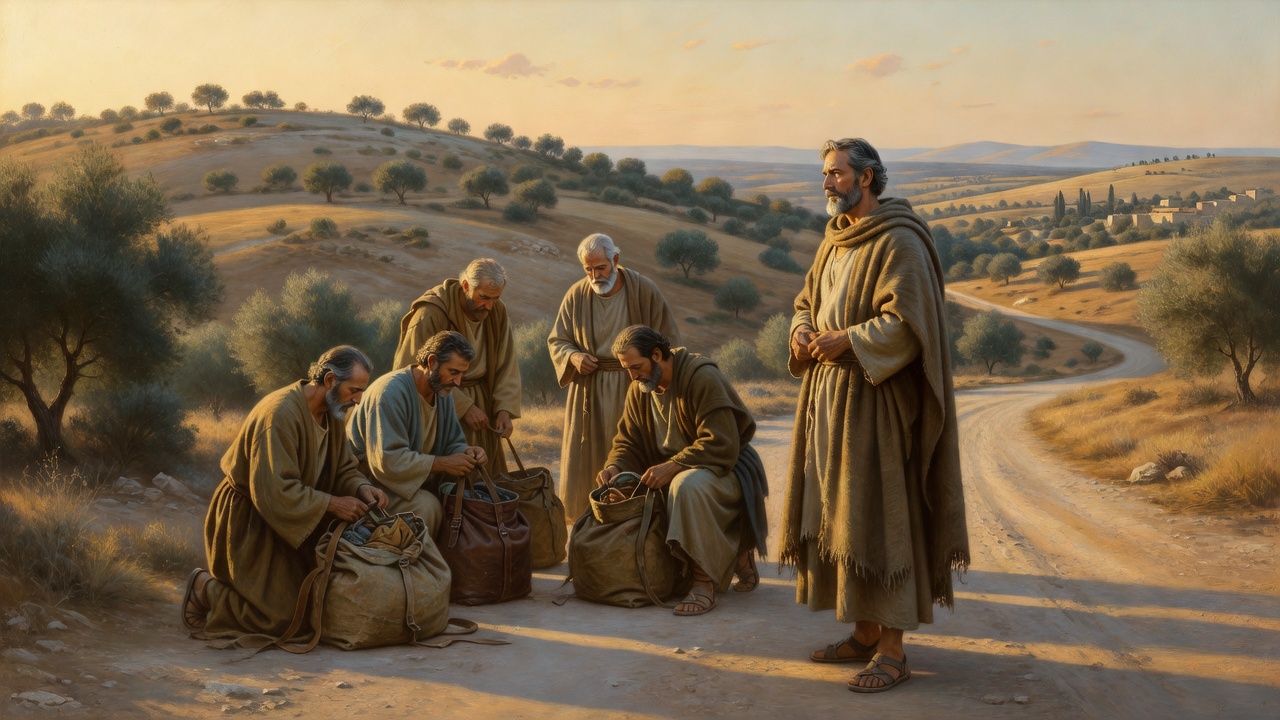
¿Sabías que…?
La esperanza de los gentiles y el camino hacia el oeste
- Pablo escribe que ha proclamado plenamente el evangelio de Cristo desde Jerusalén, dando toda la vuelta hasta Ilírico. El diccionario bíblico de Easton (1897) sitúa esa región al noroeste de Macedonia, en las costas orientales del Adriático, y la describe como entonces comprendida casi por completo en Dalmacia; dice que la recorrió en su tercer viaje misionero, que fue el distrito más lejano al que había llegado predicando, y que un viaje por Macedonia lo habría llevado hasta sus fronteras.Fuentes: el propio texto bíblico · Illyricum
- Espera ver a los creyentes de Roma de camino a España y, después de entregar en Jerusalén la contribución de Macedonia y Acaya, partir hacia España pasando por ellos. El diccionario bíblico de Easton (1897) registra esa intención, pero señala que no hay evidencia de que la haya llevado a cabo, aunque algunos piensan que probablemente lo hizo entre su primer y su segundo encarcelamiento.Fuentes: el propio texto bíblico · Spain
- Citando a Isaías, dice que la Raíz de Isaí aparecería y se levantaría para gobernar a los gentiles, y que los gentiles pondrían en él su esperanza. Isaí fue el padre de David, y el diccionario bíblico de Easton (1897) dice que la expresión raíz de Isaí se usa para el Mesías, mientras que tallo de Isaí se usa para la familia de David.Fuentes: el propio texto bíblico · Jesse
Notas escritas con ayuda de IA a partir de fuentes abiertas (Theographic Bible Metadata, CC BY-SA 4.0; Easton’s Bible Dictionary, dominio público) y revisadas antes de publicarse.
Lugares de este capítulo
- Illyricum · 43.539, 16.483 · versículo 19
- Jerusalem · 31.777, 35.234 · versículos 19, 25, 26, 27, 31
- Rome · 41.892, 12.485 · versículo 24
- Spain · Hoy: Hispania · 40.210, -4.350 · versículos 24, 28
- Achaia · 38.720, 22.540 · versículo 26
- Macedonia · 41.600, 22.540 · versículo 26
- Judea · Hoy: Judea 1 · 31.777, 35.234 · versículo 31
Solo aparecen lugares identificados con alta confianza (90 % o más según las fuentes académicas reunidas por OpenBible). Mapa de la época: DARE (Digital Atlas of the Roman Empire), CC BY 4.0; mapa actual: © colaboradores de OpenStreetMap; lugares: OpenBible.info (CC BY 4.0).
Créditos y licencia de esta traducción
Ŋwɛ menomenyɛɛ́ mekɛ́
New Testament in Denya (CM:anv:Denya)
copyright © 2010 Wycliffe Bible Translators, Inc.
Language: Denya
Translation by: Wycliffe Bible Translators, Inc.
Copyright Information
© 2010, Wycliffe Bible Translators, Inc. All rights reserved.
This translation text is made available to you under the
terms of the Creative Commons License: Attribution-Noncommercial-No Derivative Works.
( http://creativecommons.org/licenses/by-nc-nd/3.0/ )
In addition, you have permission to port the text to different file formats, as long as you
do not change any of the text or punctuation of the Bible.
You may share, copy, distribute, transmit, and extract portions
or quotations from this work, provided that you include the above copyright
information:
You must give Attribution to the work.
You do not sell this work for a profit.
You do not make any derivative works that change any of the actual words or punctuation of the Scriptures.
Permissions beyond the scope of this license may be
available if you contact
us with your request.
The New Testament
in Denya
© 2010, Wycliffe Bible Translators, Inc. All rights reserved.
This translation is made available to you under the terms of the
Creative Commons Attribution-Noncommercial-No Derivatives license 4.0.
You may share and redistribute this Bible translation or extracts from it in any format, provided that:
You include the above copyright and source information.
You do not sell this work for a profit.
You do not change any of the words or punctuation of the Scriptures.
Pictures included with Scriptures and other documents on this site are licensed just for use with those Scriptures and documents.
For other uses, please contact the respective copyright owners.
2024-02-11
Fuente: http://ebible.org/anvNT/ · eBible.org