Apocalipsis 7
Ŋwɛ menomenyɛɛ́ mekɛ́ · Toca un versículo para ver sus referencias cruzadas.
Áfyɛ geloge Ɛsɔwɔ né mampwɛ usaá dɛle bɔɔ́ Ɛsɔwɔ ukénéama meso ɛni
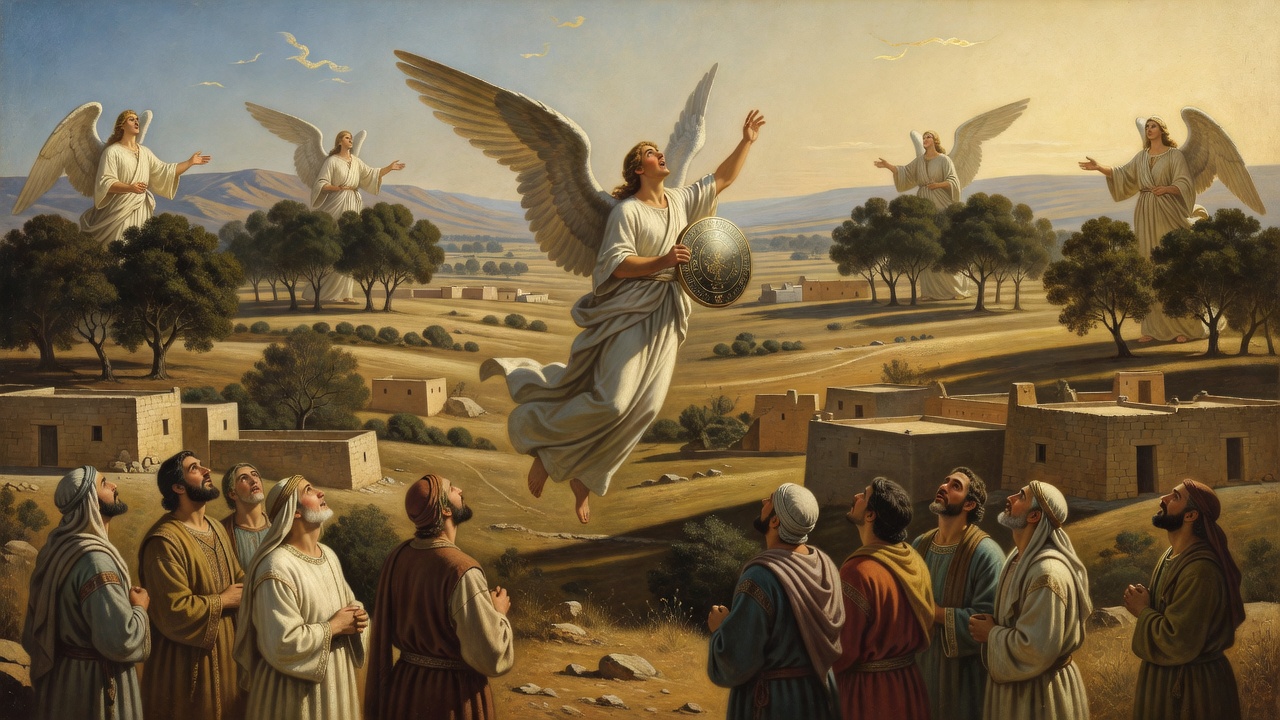
1Unó bina uko ukógé, genó ɛyi me mma ngɛ, ɛlé makiɛ́nné Ɛsɔwɔ ani. Átɛne né maŋkú mme ani, agbɛɛ́ mati mbyo ani, ayi atanege né maŋku mme yina nnó ɛ́kágé mbyo ammyɛge né mme yɛ́ ɛbɛ́ lé né ɛbɛɛ́, ne nnó ɛ́kágé amugé unɔɔ́. 2Ne ngɛ ntó ɛkiɛ́nné Ɛsɔwɔ ɛwé fɔ́, ɛtane né ɛgbɛ ɛwé ŋmɛɛ́ ɛtanege, ɛgbare gelogé Ɛsɔwɔ muú alu mebɛ ɛku makiɛ́nné Ɛsɔwɔ yimbɔ ani keŋké, ayi Ɛsɔwɔ achyɛɛ́ áji uto manchɔ mme ne ɛbɛɛ́ mega, 3ɛké, “Tɛ́négé kpɛ, désage lyaá mbyo áchɔ́ mme, ɛbɛɛ́ mega, ne unɔɔ́ mewaá kpaá tɛ ɛsé denerege manlo baá défwɛ Ɛsɔwɔ ɛsé né mampwɛ ne gelogé Ɛsɔwɔ.” 4Ne nwú nnó mpa bɔɔ́ Ɛsɔwɔ abi álo ɛbwɔ́ né mampwɛ ne gelogé Ɛsɔwɔ ɛyigé na, alú usaá dɛle bɔɔ́ ukénéama meso ɛni. Bɔɔ́ bina atane né matoó Isrɛli áfyaneapeá.
5Né ntoné Juda aló dɛle bɔɔ́ afyaneapea.
Né ntoné Rubɛn aló dɛle bɔɔ́ áfyaneapeá.
Né ntoné Gad aló dɛle bɔɔ́ áfyaneapeá.
6Né ntoné Ashyɛ aló dɛle bɔɔ́ áfyaneapeá.
Ntoné Naftali aló dɛle bɔɔ́ áfyaneapeá.
Ntoné Manasɛ aló dɛle ɛfyaneɛpeá.
7Né ntoné Simyon aló dɛle ɛfyaneɛpeá.
Né ntoné Lɛvi aló dɛle ɛfyaneɛpeá.
Né ntoné Isaka aló dɛle ɛfyaneɛpeá.
8Ntoné Sɛbulɔn aló dɛle ɛfyaneɛpeá.
Né ntoné Josɛf aló dɛle ɛfyaneɛpeá.
Né ntoné Benjamɛn aló dɛle ɛfyaneɛpeá.
Njuné bɔɔ́ átɛné né mbɛ ushu Ɛsɔwɔ ne Maá ɛgɔŋme
9Genó ɛyigé na gekoge, nke mpɛle, ngɛ njuné bɔɔ́ abi yɛ́ muú álá ákágé pa fɔ́. Bɔɔ́ bina átané né malɔ mme meko, yɛ́ndé ntoó ufɔɔ́ ufɔɔ́ bɔɔ́, ne ufɔɔ́ ufɔɔ́ mejɔɔ́. Áfyɛ mandeé pópó, ágbaré mamɛ né amu átɛne né mbɛ geluɔge gefwa ne mbɛ ushu Maá ɛgɔŋme. 10Ájɔ́gé keŋké áké, “Ɛsɔwɔ se, wɔ muú ɔjwɔlé mfaá geluɔge gefwa, ɛnyú ne Maá ɛgɔŋme ne déferege ɛsé né ɛfwyale gabo.” 11Ájɔ́gé mbɔ, makiɛ́nné Ɛsɔwɔ ako átɛné ánɔ geluɔge gefwa, ákpakpa bimbɔ, ne menya yimbɔ ɛni ɛyi ɛlú mebɛ. Ne ɛbwɔ́ ako ákwe uwya mme né mbɛ geluɔge gefwa ánógé Ɛsɔwɔ, 12áké, “Amɛn, mejé, ne ŋgɔ, ne deŋga, ne matame, ne ɛnógé, ne utó ne ɛshyɛ ubɛ ne Ɛsɔwɔ sé tɛ kwyakwya ne kwyakwya Amɛn.”
13Muú kpaá ama né geluɔge ákpakpa bimbɔ, agií me áké, “Ndé bɔɔ́ na áfyɛɛ́ mawulé pópó, átané ɛfɔ́?”
14Me nshuú ji meko nké, “Ata nkaá wɔ́, wɔ ne ɔkaá mbaá ayi ɛbwɔ́ átané.”
Ne agaré yɛ́ me aké, “Gɛ́ bɔɔ́ abi ákpɛne né gekpɛkpɛ ɛfwyale, átɛne ne ɛshyɛ kpaá tɛ átané cháŋéné na. Ɛbwɔ́ áshwɔné mawulé bwɔ́ ne manoó Maá ɛgɔŋme, álá pópó. 15Ne gétú ɛyigémbɔ ne ɛbwɔ́ átɛné né mbɛ geluɔge Ɛsɔwɔ, ápyɛɛ́ utɔɔ́ ndɛre ampyɛɛ́ upɛ Ɛsɔwɔ ne mmu ɛcha upɛ wuú yɛ́ndégébé. Ne ji ayi ajwɔlé né mfaá geluɔge gefwa abɛɛ́ nyɛ ne ɛbwɔ́, abame ɛbwɔ́. 16Ɛbwɔ́ ábɛɛ́ se mesa, mmwɔlé manaá ɛpyɛ sé ɛbwɔ́, ŋmɛɛ́ ɛdoó sé ɛbwɔ́ ne menyammyɛ ntó ásɔnegé sé ɛbwɔ́. 17Néndé Maá ɛgɔŋme muú alú kwɔ́kwɔ́lé ne geluɔgé gefwa ɛyigé na ne ábáme ɛbwɔ́ nkane membame magɔŋme. Ne ajame nyɛ ɛbwɔ́ áfɛ́ ne baá anyi ayi awyaá manaá ami machyɛge geŋwá ɛyi gélágé byɛɛ́. Ne Ɛsɔwɔ ntó atilé nyɛ ɛbwɔ́ manse ako né amɛ.”
¿Sabías que…?
Las tribus selladas y la gran multitud
- Apocalipsis 7 presenta el número de los sellados como 144,000, doce mil de cada una de las tribus de Israel nombradas en el capítulo. Israel era otro nombre de Jacob, el segundo de los hijos gemelos de Isaac y Rebeca; el Easton's Bible Dictionary (1897) explica el nombre de Jacob como alguien que sigue los talones de otro, o un suplantador.Fuentes: el propio texto bíblico · Jacob (Israel)
- Aunque Rubén era el hijo mayor de Jacob y Lea, la lista de los sellados comienza con Judá y luego nombra a Rubén. La lista incluye también tanto a José como a Manasés; Manasés era el hijo mayor de José, y Jacob lo adoptó a él y a su hermano Efraín como hijos propios.Fuentes: el propio texto bíblico · Reuben · Manasseh (son of Joseph)
- Después del sellado, la visión muestra una multitud demasiado grande para contarse, de toda nación, tribu, pueblo y lengua, de pie ante el trono y el Cordero, con vestiduras blancas y ramas de palma en las manos. Uno de los ancianos dice que han salido de la gran tribulación y han lavado sus vestiduras, dejándolas blancas en la sangre del Cordero.Fuentes: el propio texto bíblico
Notas escritas con ayuda de IA a partir de fuentes abiertas (Theographic Bible Metadata, CC BY-SA 4.0; Easton’s Bible Dictionary, dominio público) y revisadas antes de publicarse.
Créditos y licencia de esta traducción
Ŋwɛ menomenyɛɛ́ mekɛ́
New Testament in Denya (CM:anv:Denya)
copyright © 2010 Wycliffe Bible Translators, Inc.
Language: Denya
Translation by: Wycliffe Bible Translators, Inc.
Copyright Information
© 2010, Wycliffe Bible Translators, Inc. All rights reserved.
This translation text is made available to you under the
terms of the Creative Commons License: Attribution-Noncommercial-No Derivative Works.
( http://creativecommons.org/licenses/by-nc-nd/3.0/ )
In addition, you have permission to port the text to different file formats, as long as you
do not change any of the text or punctuation of the Bible.
You may share, copy, distribute, transmit, and extract portions
or quotations from this work, provided that you include the above copyright
information:
You must give Attribution to the work.
You do not sell this work for a profit.
You do not make any derivative works that change any of the actual words or punctuation of the Scriptures.
Permissions beyond the scope of this license may be
available if you contact
us with your request.
The New Testament
in Denya
© 2010, Wycliffe Bible Translators, Inc. All rights reserved.
This translation is made available to you under the terms of the
Creative Commons Attribution-Noncommercial-No Derivatives license 4.0.
You may share and redistribute this Bible translation or extracts from it in any format, provided that:
You include the above copyright and source information.
You do not sell this work for a profit.
You do not change any of the words or punctuation of the Scriptures.
Pictures included with Scriptures and other documents on this site are licensed just for use with those Scriptures and documents.
For other uses, please contact the respective copyright owners.
2024-02-11
Fuente: http://ebible.org/anvNT/ · eBible.org