Hechos 3
Ŋwɛ menomenyɛɛ́ mekɛ́ · Toca un versículo para ver sus referencias cruzadas.
Pita ne Jɔn ápyɛ mbwéré alɔ mankɛ
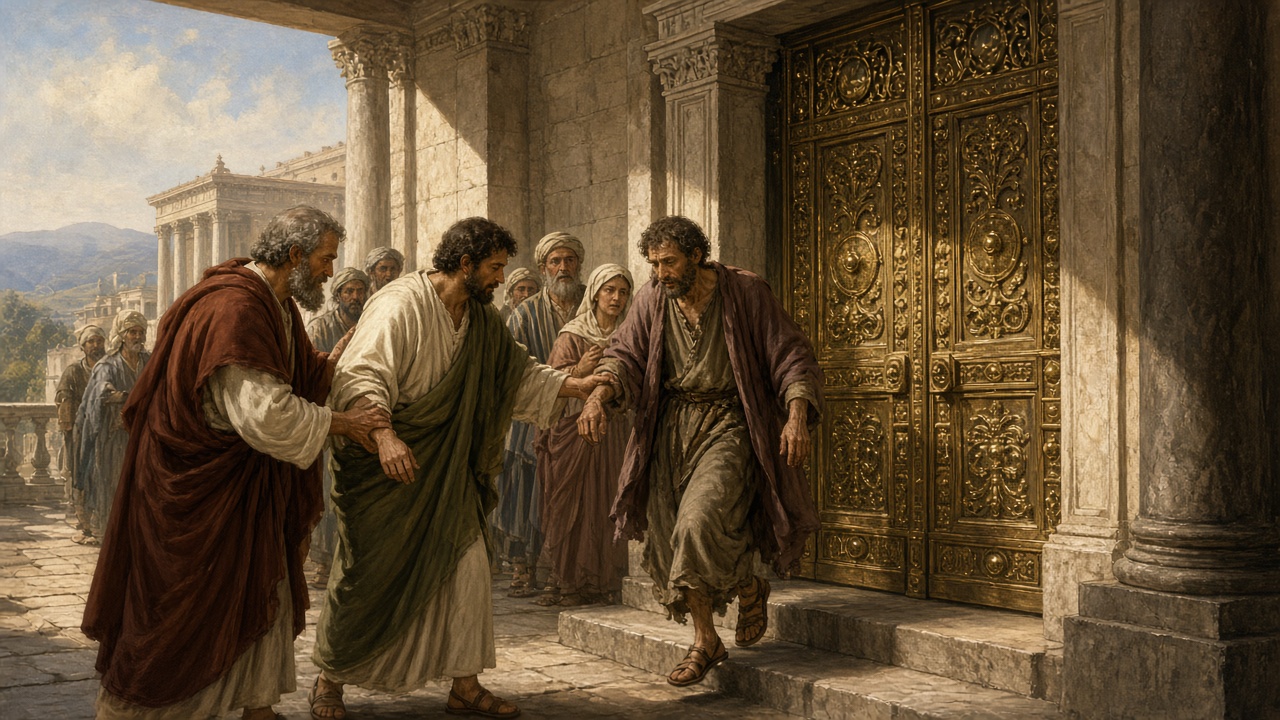
1Bií bifɔ Pita ne Jɔn ákwɔ́me ájyɛ́ né ɛcha upɛ Ɛsɔwɔ, ne gébé gebɔ́ gelu káláŋká ɛlɛɛ́ ne nwɔmésé, ɛle gébé ɛyige mmyɛmenɛne. 2Ne ndɛre ɛbwɔ́ áchwɔ kpɛ né menombí ɛwé ákuú menombí melɔ́mélɔ́, ágɛ́ mende fɔ ayi abɔ́ alu mbwéré tɛ ábyɛné ji ndɛre ajwɔlé ɛfɛɛ́. Bɔɔ́ ákpáne ji yɛ́ndé bií, ábélege né menombi ɛwémbɔ nnó akɔgé dekɔ mbaá bɔɔ́ abi ákóoge akpɛne mmu ɛcha upɛ Ɛsɔwɔ. 3Mende yimbɔ agɛ́gé Pita ne Jɔn ndɛre ájyɛ kpɛ wyɛ, akɔ ɛbwɔ́ nnó áchyɛ́ ji genó gefɔ. 4Ápɛ ji domeé, ne Pita aké ne ji, “Pɛ ɛsé.” 5Ne apɛ ɛbwɔ́, afɛ́rege nnó áchyɛge nyɛ ji genó gefɔ. 6Pita aké ne ji, “Mpɔ́ yɛ ne ŋka, yɛ́mbɔ nchyɛge nyɛ wɔ genó ɛyige nwya. Ngarege wɔ né mabɔ Jisɔs Kras ayi Nasarɛt, kwile ka, lɔ mankɛ.” 7Ne Pita agbare ji ɛbwɔnyɛ abwɛ. Tɛnetɛne yimbɔ, uka mende yimbɔ utoó, 8anyó atɛne, alɔ mankɛne agyage. Akwɔlé ɛbwɔ́, ákpɛ mmu ɛcha upɛ Ɛsɔwɔ, akɛne, anyóge achɔge, afɛɛ́ge Ɛsɔwɔ. 9Bɔɔ́ ako bi ábɔ́ álu ɛfɛɛ́, ágɛ́ge nkane mende yimbɔ akɛ́ne afɛɛ́ge Ɛsɔwɔ, 10ákaá nnó ɛlé mende yi ajwɔ́lege yɛndégébé né menombi ɛwé akuú Menombi Melɔ́melɔ́ ɛcha upɛ, akɔ dekɔ, ála amɛ mekpo fuú ne ákwé tametame nkane ágɛ́né mende yimbɔ akɛ́né.
Pita agare depɔre Jisɔs né Ɛcha upɛ Ɛsɔwɔ
11Mende yimbɔ atome wyɛ ɛshyɛ, akwɔlege Pita ne Jɔn. Bɔɔ́ ako abi ágɛné ji, ála mano mekpo fuú, ábó, ájyɛ bane ɛbwɔ́ né ɛcha ɛwé ákuú ɛcha Solomun. 12Pita agɛ́gé nkane bɔɔ́ áchwɔ́ nɔɔ́ ɛbwɔ́ mme, agií ɛbwɔ́ aké, “Bɔɔ́ Isrɛli, ndé ɛnyú détóme ɛsé amɛ mmyɛ, ne ndé déla mano mekpo fuú né mechɔ ɛwé? Ɛnyú defɛrége nnó ɛle uto sé ne upyɛ́ mende yina alɔ mankɛ́né? Wa gétúgé ɛse depyɛɛ́ unó bi ugɔɔ́ Ɛsɔwɔ metɔɔ́? 13Ɛlé Ɛsɔwɔ ne apyɛ́ nnó ŋgɔ́ Jisɔs maá utɔɔ́ wuú akwɔ́. Ji Ɛsɔwɔ, alu Ɛsɔwɔ ayi ukwene antɛ sé. Alu Ɛsɔwɔ ayi Abraham alu nto ayi Asek, ne ayi Jakɔb. Ne Jisɔs yimbɔ ɛle ayi ɛnyú debɔ́ dekpane, dechoó né mbɛ ushu ampané mpa. Gébégé Palɛt akɛlege manlya ji ajyɛ, ɛnyú deshya wyɛ shya. 14Jisɔs abɔ alu Muú Ukpea ne Muú ayi Cho. Yɛ́mbɔ ɛnyú bina deshya ji ne denɛ Palɛt mmyɛ nnó alya muú gewu ajyɛ. 15Dépyɛge mbɔ, dewá muú yi achyɛge bɔɔ́ geŋwá. Yɛ́mbɔ Ɛsɔwɔ apyɛ ji akwile né negbo ne ɛsé delu bɔɔ́ bi dekpané amɛ degɛ́né, ne nana degarege bɔɔ́ mechɔ ɛwé. 16Ɛlé uto Jisɔs yimbɔ ne upyɛ mbwéré mende yina atoó. Genó ɛyigé ɛnyú degɛ́ne ne dekaá nnó gepyɛ, ɛlé gétúgé ɛsé défyɛɛ́ matɔɔ́ ne Jisɔs yimbɔ. Ɛlé matɔɔ́ ɛsé ayi défyɛɛ́ ne ji, ne ápyɛ mbwéré mende yina akɛ́ne mbɔ ɛnyú degɛ́ne.
17“Nana aŋmɛ́ ba, nkaá nnó genó ɛyigé ɛnyú debɔ́ dechomé ne ákpakpa melɔ depyɛ́ɛ mbaá Jisɔs debɔ́ dekaá wɔ́. 18Ɛsɔwɔ abɔ́ agare bɔɔ́ ɛkpávé bií tɛ gachí nkane Muú yi Ɛsɔwɔ akweré ji ɛlá gefwa abɔ́ mangɛ ɛfwyale, ne apyɛ nnó mechɔ ɛwé ɛbɛ́ wáwálé nkane Ɛsɔwɔ abɔ ajɔɔ́ mɛ́. 19Ne kwɔrege matɔɔ́ nyú, dekéré meso mbaá ntɛ nyú Ɛsɔwɔ nnó ji ajinte gabo ɛnyú. 20Depyɛge mbɔ́, Átá Ɛsɔwɔ apyɛ nyɛ matɔɔ́ nyú akwené, ne atɔme nyɛ Jisɔs Muú yi Ɛsɔwɔ akweré ji ɛlá gefwa, ayi ji abɔ́ ajya nnó áchwɔ pyɛ ɛnyú depó. 21Ji abɔ manjwɔle né mfaánebuú kpaá tɛ gébé gekwɔnege nyɛ ɛyigé Ɛsɔwɔ apyɛ nyɛ unó uko, ukéré ukɛ nkane ji abɔ apyɛ ukwéné bɔɔ́ ɛkpave bií ágaré. 22Ne Mosis abɔ́ ajɔɔ́ nya aké, ‘Átá Ɛsɔwɔ atɔme nyɛ muú ɛkpávé wuu, wyɛ nkane abɔ́ atɔme me. Atanege nyɛ né melɔ nyú, ne debɔ́ manwu yɛ́ndé genó ɛyige ji agarege ɛnyú. 23Mbɔge muú ashyage maŋwu mekomejɔɔ́ wuú, ábɔ́ mamféré ji né geluage bɔɔ́ Ɛsɔwɔ, áwá ji.’ 24Wyɛ meti ɛwu ɛma ne bɔɔ́ ɛkpave Ɛsɔwɔ ako abɔ́ ágaré mechɔ ɛwé ɛpyɛ́ɛ mbɔ fi. Lɔ né gébé ɛyi Samuele ɔkwɔne né abi akwɔle ji meso. 25Unó uko ɛbi Ɛsɔwɔ abɔ apyɛ bɔɔ́ ɛkpave bií agaré, úlú ɛbi nyú. Ɛnyú ntó delu né menomenyɛ ɛwé Ɛsɔwɔ abɔ́ anyɛɛ́ ne ukwene antɛ nyú. Gétúgé Ɛsɔwɔ abɔ ajɔɔ́ nya ne Abraham aké, ‘Mpyɛ nyɛ upyáne byɛ uchwɔ́ ne galɔ́gálɔ́ mbaá bɔɔ́ ako fa mme.’ 26Ne Ɛsɔwɔ ajyagé maá utɔɔ́ wuú, abɔ́ mbɛ atɔ́ ji ɛta nyú nnó apyɛ ɛnyú delya gabo ayi ɛnyú depyɛɛ́ nnó galɔ́gálɔ́ akwɔ́lé ɛnyú.”
¿Sabías que…?
Curación y predicación en el templo
- La puerta del templo llamada Hermosa, donde cada día ponían a mendigar a un hombre cojo de nacimiento, se nombra en este capítulo. Se supone que era la puerta que iba del atrio de los gentiles al atrio de las mujeres; era maciza y estaba cubierta con placas de latón corintio.Fuentes: Beautiful Gate · el propio texto bíblico
- Después de la curación, la multitud asombrada corrió hacia Pedro y Juan en el paseo llamado Pórtico de Salomón. Era una columnata, o claustro, probablemente en el lado oriental del templo; no se menciona en relación con el primer templo, pero Josefo menciona un pórtico de ese nombre en el templo de Herodes.Fuentes: Solomon's Portico · el propio texto bíblico
- En el discurso allí, Pedro dijo que el pueblo había entregado a Jesús y lo había rechazado ante Pilato, aunque Pilato había decidido soltarlo. Una entrada de diccionario identifica a Poncio Pilato como el sexto procurador romano de Judea, del 26 al 36 d.C., con sede en Cesarea, aunque subía con frecuencia a Jerusalén; su nombre cobra especial relieve en relación con el juicio de Jesús.Fuentes: Pontius Pilate · el propio texto bíblico
Notas escritas con ayuda de IA a partir de fuentes abiertas (Theographic Bible Metadata, CC BY-SA 4.0; Easton’s Bible Dictionary, dominio público) y revisadas antes de publicarse.
Lugares de este capítulo
- Beautiful Gate · Hoy: in Jerusalem · 31.777, 35.234 · versículos 2, 10
- Nazareth · 32.702, 35.298 · versículo 6
- Solomon’s Portico · Hoy: in Jerusalem · 31.777, 35.234 · versículo 11
Solo aparecen lugares identificados con alta confianza (90 % o más según las fuentes académicas reunidas por OpenBible). Mapa de la época: DARE (Digital Atlas of the Roman Empire), CC BY 4.0; mapa actual: © colaboradores de OpenStreetMap; lugares: OpenBible.info (CC BY 4.0).
Créditos y licencia de esta traducción
Ŋwɛ menomenyɛɛ́ mekɛ́
New Testament in Denya (CM:anv:Denya)
copyright © 2010 Wycliffe Bible Translators, Inc.
Language: Denya
Translation by: Wycliffe Bible Translators, Inc.
Copyright Information
© 2010, Wycliffe Bible Translators, Inc. All rights reserved.
This translation text is made available to you under the
terms of the Creative Commons License: Attribution-Noncommercial-No Derivative Works.
( http://creativecommons.org/licenses/by-nc-nd/3.0/ )
In addition, you have permission to port the text to different file formats, as long as you
do not change any of the text or punctuation of the Bible.
You may share, copy, distribute, transmit, and extract portions
or quotations from this work, provided that you include the above copyright
information:
You must give Attribution to the work.
You do not sell this work for a profit.
You do not make any derivative works that change any of the actual words or punctuation of the Scriptures.
Permissions beyond the scope of this license may be
available if you contact
us with your request.
The New Testament
in Denya
© 2010, Wycliffe Bible Translators, Inc. All rights reserved.
This translation is made available to you under the terms of the
Creative Commons Attribution-Noncommercial-No Derivatives license 4.0.
You may share and redistribute this Bible translation or extracts from it in any format, provided that:
You include the above copyright and source information.
You do not sell this work for a profit.
You do not change any of the words or punctuation of the Scriptures.
Pictures included with Scriptures and other documents on this site are licensed just for use with those Scriptures and documents.
For other uses, please contact the respective copyright owners.
2024-02-11
Fuente: http://ebible.org/anvNT/ · eBible.org