Hechos 15
Ŋwɛ menomenyɛɛ́ mekɛ́ · Toca un versículo para ver sus referencias cruzadas.
Aŋgbá Jisɔs ne Ákpakpa ɛchomele áchomé né Jɛrosalɛ
1Ɛbɛlégé bɔɔ́ fɔ átané gebagé mewaá Judiya áchwɔ́ né melɔ Antiɔk, alɔ manlɛrege bɔɔ́ bi ákamé ne Jisɔs nnó, “Mbɔgé álá sɔ́ muú nsɔ nkane ɛbɛ́ Mosis ɛjɔɔ́ wɔ́, Ɛsɔwɔ akagé pyɛ fɔ́ muú yimbɔ apó.” 2Pɔl ne Banabas anyɛ mbeé ne bɔɔ́ bimbɔ, yɛ mekpo ne ula ɛpɔ́. Ɛpwɔ́gé ɛbwɔ́, áfyɛ́ ndɔ nnó Pɔl ne Banabas ne abifɔ ájyɛ́ né Jɛrosalɛ, ágii mechɔ ɛwé cháŋéné mbaá áŋgbá Jisɔs ne ákpakpa bɔɔ́ ɛchomele Jisɔs.
3Ne ɛchomele bɔɔ́ Jisɔs átɔ́ ɛbwɔ́. Ndɛre ɛbwɔ́ ajyɛ, akoóge malɔ Fonisiya ne Samariya, ágarége bɔɔ́ bi ákamé ne Jisɔs nkane bɔɔ́ abi álá pɔ́ bɔɔ́ Jus ákamé mekomejɔɔ́ Ɛsɔwɔ. Abya yina apyɛ matɔɔ́ agɔ bɔɔ́ Jisɔs ako dɔɔ́. 4Ɛbwɔ́ ákwɔnege Jɛrosalɛ, ɛchomele bɔɔ́ Jisɔs ne áŋgbá Jisɔs ne ákpakpa bwɔ́, ásɛ ɛbwɔ amu apéa. Pɔl ne Banabas ágaré ɛbwɔ́ uno uko ɛbi Ɛsɔwɔ abɔ apoó ɛbwɔ́ ápyɛ. 5Ne bɔɔ́ Jisɔs fɔ abɔ alu ɛfɛɛ́, ɛbwɔ́ alu ne ɛkwɔ́ bɔɔ́ Farasi, ɛbwɔ́ ákwile ka áké: “Abɔ́ mansɔ bɔɔ́ bi álá pɔ bɔɔ́ Jus nsɔ ne ágaré ɛbwɔ́ ábélé mabɛ́ Mosis ako.”
6Ndɛre ɛbwɔ́ ábɔ́ ájɔɔ́ bɔ, áŋgbá Jisɔs ne ákpakpa bɔɔ́ ɛchomele bwɔ́, ájwɔlé mampɛ mechɔ ɛwéna cháŋéné. 7Ɛbwɔ́ ádóregé makpo áwyage, Pita akwile tɛ́ne aké: “Aŋmɛ́ ba, ɛnyu dekaá nnó me ne Ɛsɔwɔ abɔ mbɛ ajya né metɔɔ́ metɔɔ́ ɛsé nnó ngaré abya melɔ́mélɔ́ yina mbaá bɔɔ́ abi álá pɔ́ bɔɔ́ Jus nnó áwuúge ntó, áfyɛɛ́ matɔɔ́ ne Jisɔs. 8Ne Ɛsɔwɔ yi akaáge metɔɔ́ yɛ́ndémuú, alɛré nnó ɛbwɔ́ ntó álú bɔɔ́ bií. Apyɛ Mendoó Ukpea ɛchwɔ ɛbwɔ́ mmyɛ wyɛ nkane ɛbɔ́ ɛchwɔ́ ɛsé mmyɛ. 9Ne aji ntó nte gabo bwɔ́ gétúgé ɛbwɔ́ áfyɛɛ́ metɔɔ́ ne Jisɔs. Agya fɔ́ aŋgya wɔ́. 10Ne nkane ɛlúmbɔ, ulannó ɛnyú déjyale bɔɔ́ bina ukpɛ́kpɛ́ matuú ayi ukwene antɛ ɛse ne ɛse ambɔɔ́ delá kage kpa? Nkane depyɛmbɔ dekane mbɔ le Ɛsɔwɔ kane. 11Yɛ́mbɔ ɛsé défyɛɛ́ metɔɔ́ nnó Ɛsɔwɔ aférege ɛse né ɛfwyale gabo gétúgé galɔ́gálɔ́ ayi Átá Jisɔs alɛré ɛse, wyɛmbɔ ntó ne bɔɔ́ bina átánege né ɛfwyale gabo.”
12Pita anérégé manjɔɔ́ mbɔ, yɛndé mmu akwené mejɔɔ́, áwuú mekomejɔɔ́ Pɔl ne Banabas. Ágaré ɛbwɔ́ nkane ɛbwɔ́ abɔ́ akɛné mbaá bɔɔ́ abi álá pɔ́ bɔɔ́ Jus ne Ɛsɔwɔ achyɛ́ ɛbwɔ́ uto nnó apyɛge ufélekpa ne ukpɛ́kpɛ́ unó. 13Ne ɛbwɔ ánerege manjɔɔ́ yɛndé genó, Jɛmsi alɔ manjɔɔ́ ake: “Aŋmɛ́ ba, nenege matu dewú. 14Simun Pita ágaré mɛ nkane Ɛsɔwɔ alɔɔ́ manlɛré nnó agboó ne bɔɔ́ abi álá pɔ́ bɔɔ́ Jus ne ajya abifɔ nnó ábɛ́ bɔɔ́ bií. 15Ne ɛwéna ɛkɛ ɛtuú ne unó bi bɔɔ́ ɛkpávé Ɛsɔwɔ abɔ́ ásamé nyá nnó: 16‘Meso gébé mmage chwɔ́ tɛ́ne nyɛ gepúge Dɛvid ɛyi gebɔ́ gekwené. Nkwyɛge nyɛ unó bi uchɔ́ wyɛ nnó ubɛ́ nkane ubɔ́ úlú. 17Ne bɔɔ́ abi álá pɔ́ bɔɔ́ Jus ágɛgé nyɛ ubi, ne ɛbwɔ́ álɔ nyɛ ntó mankɛlé Ɛsɔwɔ. Ɛbɛ́ nyɛ ɛ́lé bɔɔ́ ako abi nkuú nnó ábɛ bɔɔ́ ba ne ákɛ́lege nyɛ me.’ 18Gɛ na ne Ɛsɔwɔ ajɔɔ́, ji ayi apyɛ nnó bɔɔ́ akaá unó bina tɛ gachí.”
19Ne Jɛmsi aké: “Né metɔɔ́ wa mfɛré nnó ɛsé dechyɛge sé ɛfwyale mbaá bɔɔ́ abi álá pɔ́ bɔɔ́ Jus abi akwɔlege meti Ɛsɔwɔ. 20Yɛ́mbɔ ɛse desá lé ɛbwɔ́ ŋwɛ nnó ályá depɔre manáne, ányɛge sé menyɛɛ́ ayi ajélé maka wyɛ yɛ menya ayi muú alá kɛ kɛle wɔ́, ne anyɛ́gé nto manoó menya. 21Desá ɛbwɔ́ mbɔ, nende áwuú mɛ nkane bɔɔ́ ágarege mabɛ́ Mosis yina tɛ gachi né malɔ mako. Ne álu ágárege aji né macha mmyɛmenɛne yɛndé bií uwyaá bɔɔ́ Jus.”
Átɔ́ ŋwɛ mbaá bɔɔ́ Jisɔs abi álá pɔ́ bɔɔ́ Jus
22Ne áŋgbá Jisɔs ne ákpakpa ɛchomele bɔɔ́ Jisɔs ako, ákamé meko Jɛmsi ne ájya bɔ́ fɔ́ né geluage bwɔ́ nnó ájyɛ́ ne Banabas ne Pɔl né melɔ Antiɔk. Ɛbwɔ́ ájya Silas ne Judas ayi akuú ji ntó Basabas, ɛbwɔ́ bina apeá álú anɔ ɛchomele bɔɔ́ Jisɔs. 23Ásá ŋwɛ awu áké: “Ɛsé aŋmɛ́ nyú; áŋgbá Jisɔs ne ákpakpa ɛchomele bɔɔ́ Jisɔs detamege ɛnyú, aŋmɛ́ sé abi álá pɔ́ bɔɔ́ Jus abi delú né melɔ́ Antiɔk ne abi malɔ Siriya ne Silisya. 24Ɛsé debɔ́ dewu nnó bɔɔ́ fɔ né geluage sé, áchwɔ́ chyɛ́ ɛnyu ɛfwyale né mejɔɔ́ ɛwé ɛbwɔ́ ájɔɔ́ ne ɛpyɛ́ ɛnyú dékwé tametame ayi ɛsé delá tɔ́ ɛbwɔ́ wɔ́. 25Ne ɛse ako debɔ́ dechome, dejɔɔ́, deké: Déjya bɔɔ́ fɔ detɔ́ ɛta nyú ne ɛbwɔ́ áchwɔ́ nyɛ ne Pɔl ne Banabas abi ɛse dégbóo ne ɛbwɔ́ dɔɔ́, 26ɛbwɔ́ alú bɔɔ́ bi ákamé negbo getúge mekomejɔɔ́ Ata Jisɔs Kras. 27Ne ɛse detɔme ɛnyú Silas ne Judas, áchwɔ́ge, ágarege nyɛ ɛnyú wyɛ unó bi ɛsé desámé né ŋwɛ yina. 28Ɛlé Mendoó Ukpea ne ɛpyɛ ɛsé dekaá nnó debɔ́ fɔ́ mánjya ɛnyu bi delá pɔ́ bɔɔ́ Jus matuú ayicha wɔ́, ɛkose wyɛ uchancha uno bina: 29Ɛnyú denyɛgé fɔ́ yɛndé menyɛɛ́ upɛ, denyɛgé fɔ́ menya ayi álá kɛ kɛle wɔ́ ne denyɛgé fɔ́ ntó manoó menya, lyáge depɔré manáné. Mbɔgé delyagé unó bina, debɛ nyɛ cháŋéné. Bɛ́ge pere!”
30Bɔɔ́ bina ánérégé mansá mbɔ, áchyɛ Pɔl ne ɛkwɔ wuú. Ɛbwɔ́ ákwɔ́négé né Antiɔk, ánywéré ɛchomele bɔɔ́ Jisɔs áchyɛ ɛbwɔ́ ŋwɛ yimbɔ. 31Ne ɛbwɔ́ ákuúgé ŋwɛ yimbɔ matɔɔ́ ágɔ ɛbwɔ́ dɔɔ́ né ɛshyɛ ɛwé mekomejɔɔ́ yimbɔ afyɛ́ bwɔ́. 32Judas ne Silas álú ntó bɔɔ́ ɛkpávé Ɛsɔwɔ ne áma ágarege ɛbwɔ́ gejamégé unó bifɔ́ manchyɛ́ bɔɔ́ Jisɔs majyɛ́ ne áfyɛ́ ntó ɛbwɔ́ ɛshyɛ. 33Ɛbwɔ́ ábɛlé ɛfɛɛ́ dɔɔ́, ne bɔɔ́ Jisɔs ajyɛ tii ɛbwɔ́ nnó ákɛ pere, ɛbwɔ́ ákéré mbaá bɔɔ́ bi ábɔ́ átɔmé ɛbwɔ́. 34[Yɛ́mbɔ ɛgɔ Silas nnó ala né melɔ ɛwémbɔ.] 35Pɔl ne Banabas álú wyɛ né Antiɔk. Ɛbwɔ́ ne gejamégé bɔɔ́ Jisɔs abifɔ ágarege ne álɛrege bɔɔ́ depɔré Jisɔs.
Pɔl ne Banabas áfa mbwa ne atɛ
36Ɛbɛ́légé Pɔl ajɔɔ́ ne Banabas aké: “Dema dejyɛ́ malɔ mako ayi debɔ́ dégaré mekomejɔɔ́ Ɛsɔwɔ nnó degɛ́ bɔɔ́ Jisɔs abi álú ɛwu ne nkane ɛbwɔ́ álú.” 37Ne Banabas abɔ́ akɛlege nnó Jɔn Makɔs ajyɛ ne ɛbwɔ́, 38ne metɔɔ́ ɛgɔ Pɔl cháchá wɔ́ gétúgé Jɔn Makɔs abɔ́ ábó mɛ ɛbwɔ́ né gebagé mewaá Pamfilya ne abɔ́ anéré fɔ́ utɔɔ́ ɛbi ɛbwɔ́ ajyɛ mampyɛ wɔ́. 39Pɔl ne Banabas anyɛ mbeé né mechɔ ɛwéna kpaá tɛ áfa mbwa ne atɛ. Banabas asɛ Jɔn Makɔs ajyɛ́ kpɛ́ ɛ́kpe áfɛ́ né melɔ Syaprɔs. 40Ne Pɔl ajya Silas, ne ndɛre ɛbwɔ́ áchwɔ́ jyɛ, bɔɔ́ Jisɔs anɛmmyɛ, áfyɛ́ ɛbwɔ́ né amu Ɛsɔwɔ nnó ji ápoógé ɛbwɔ́. 41Ne Pɔl asɛ Silas afɛ́, akɛ́ne ajyɛ gebagé mewaá Syria ne Silisya afyɛ́ bɔɔ́ Jisɔs ɛshyɛ nnó átɛné cháŋéné.
¿Sabías que…?
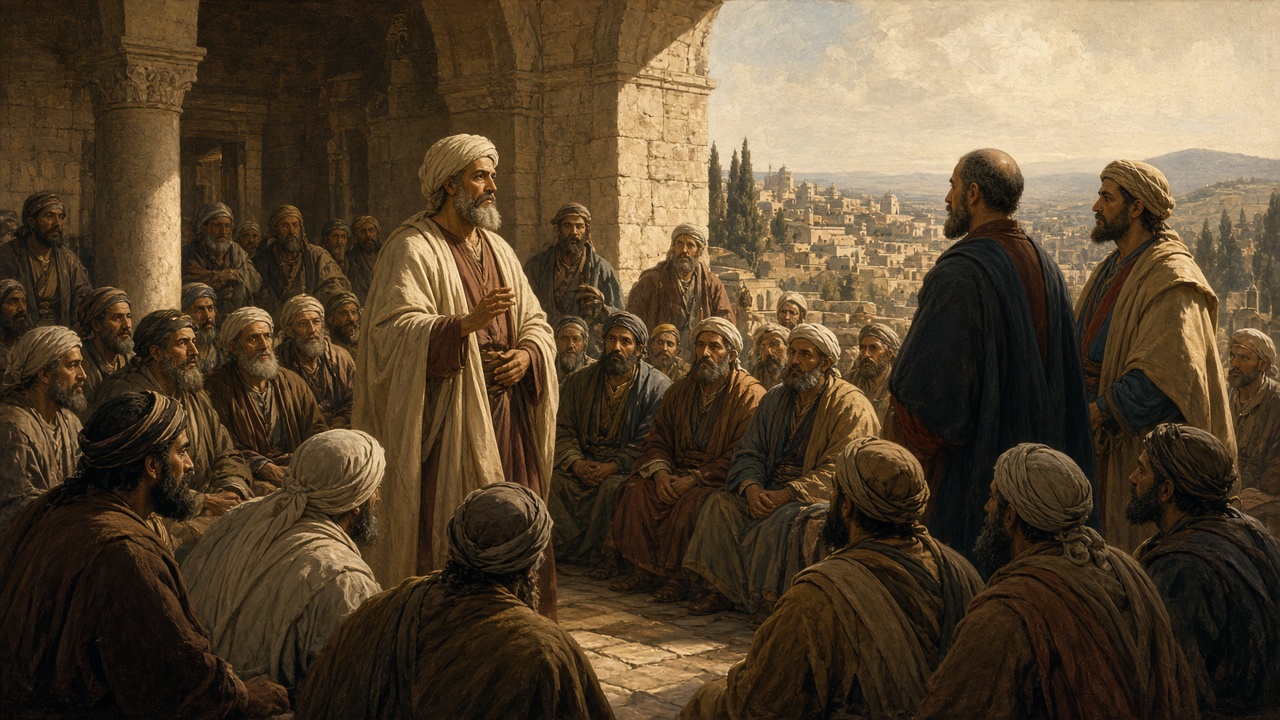
El concilio sobre los creyentes gentiles
- La controversia comenzó en Antioquía, a orillas del Orontes, unas trescientas millas al norte de Jerusalén, ciudad que entonces ocupaba el tercer lugar entre las ciudades del Imperio romano, después de Roma y Alejandría. De camino al concilio, Pablo y Bernabé pasaron por Fenicia, una franja costera de unas ciento veinte millas, y por Samaria. Una nota cronológica fecha el Concilio de Jerusalén en el año 46 d. C.Fuentes: Antioch (Syria) · Phenicia · el propio texto bíblico · Jerusalem Council
- El Easton's Bible Dictionary (1897) afirma que Santiago, a quien llama hermano o pariente cercano de Jesús, dirigía la iglesia en Jerusalén y presidió el concilio sobre los gentiles. La carta que siguió iba dirigida a los creyentes gentiles de Antioquía, Siria y Cilicia. Cilicia, provincia de origen de Pablo y provincia marítima romana en el sureste de Asia Menor desde el 67 a. C., incluía su ciudad natal, Tarso.Fuentes: James (Brother of Jesus) · el propio texto bíblico · Cilicia · Paul
- Judas, llamado Barsabás, y Silas, también conocido como Silvano, eran profetas y hombres destacados de la iglesia de Jerusalén, enviados para confirmar en persona la decisión del concilio. Un desacuerdo posterior y agudo por Juan Marcos, primo de Bernabé, separó a los dos misioneros: Bernabé se llevó a Marcos y zarpó hacia Chipre, mientras Pablo eligió a Silas. Una nota cronológica fecha esa separación en el año 47 d. C.Fuentes: el propio texto bíblico · Silas · John Mark · Paul and Barnabas part ways
Notas escritas con ayuda de IA a partir de fuentes abiertas (Theographic Bible Metadata, CC BY-SA 4.0; Easton’s Bible Dictionary, dominio público) y revisadas antes de publicarse.
Lugares de este capítulo
- Antioch · Hoy: Antioch on the Orontes · 36.227, 36.172 · versículos 1, 22, 23, 30, 35
- Judea · Hoy: Judea 1 · 31.777, 35.234 · versículo 1
- Jerusalem · 31.777, 35.234 · versículos 2, 3, 4, 22, 23, 33
- Phoenicia · 33.271, 35.196 · versículo 3
- Samaria · Hoy: Samaria 2 · 32.276, 35.195 · versículo 3
- Cilicia · 36.913, 34.892 · versículos 23, 41
- Syria · Hoy: Syria 2 · 33.511, 36.306 · versículos 23, 41
- Pamphylia · 37.000, 31.000 · versículo 38
- Cyprus · 35.000, 33.000 · versículo 39
Solo aparecen lugares identificados con alta confianza (90 % o más según las fuentes académicas reunidas por OpenBible). Mapa de la época: DARE (Digital Atlas of the Roman Empire), CC BY 4.0; mapa actual: © colaboradores de OpenStreetMap; lugares: OpenBible.info (CC BY 4.0).
Créditos y licencia de esta traducción
Ŋwɛ menomenyɛɛ́ mekɛ́
New Testament in Denya (CM:anv:Denya)
copyright © 2010 Wycliffe Bible Translators, Inc.
Language: Denya
Translation by: Wycliffe Bible Translators, Inc.
Copyright Information
© 2010, Wycliffe Bible Translators, Inc. All rights reserved.
This translation text is made available to you under the
terms of the Creative Commons License: Attribution-Noncommercial-No Derivative Works.
( http://creativecommons.org/licenses/by-nc-nd/3.0/ )
In addition, you have permission to port the text to different file formats, as long as you
do not change any of the text or punctuation of the Bible.
You may share, copy, distribute, transmit, and extract portions
or quotations from this work, provided that you include the above copyright
information:
You must give Attribution to the work.
You do not sell this work for a profit.
You do not make any derivative works that change any of the actual words or punctuation of the Scriptures.
Permissions beyond the scope of this license may be
available if you contact
us with your request.
The New Testament
in Denya
© 2010, Wycliffe Bible Translators, Inc. All rights reserved.
This translation is made available to you under the terms of the
Creative Commons Attribution-Noncommercial-No Derivatives license 4.0.
You may share and redistribute this Bible translation or extracts from it in any format, provided that:
You include the above copyright and source information.
You do not sell this work for a profit.
You do not change any of the words or punctuation of the Scriptures.
Pictures included with Scriptures and other documents on this site are licensed just for use with those Scriptures and documents.
For other uses, please contact the respective copyright owners.
2024-02-11
Fuente: http://ebible.org/anvNT/ · eBible.org