1 Pedro 2
Ŋwɛ menomenyɛɛ́ mekɛ́ · Toca un versículo para ver sus referencias cruzadas.
Ntaá ɛniné Ɛsɔwɔ ajyaá nelú nelɔ́nélɔ́ ɛta nyú abi délu bɔɔ́ ukpea
1Ne tɛ mbaá Ɛsɔwɔ ábyɛné ɛnyú mambyɛ yi mekɛ, lyaáge yɛ́ndé gefɔ́gé gabo. Débyɔgé fɔ́ gebyɔ, débwɔlege fɔ́ démbwɔlé, défyɛge fɔ́ amɛ né unó bɔɔ́, ne déjɔ́gé fɔ́ mejɔɔ́ mebo ne atɛ. 2Ɛnyú delu baá akɛ, shyaáge lé manyú nembɛ nelɔ́nélɔ́ ɛniné mendoó ɛchyɛge. Nembɛ ɛniné mbɔ, ɛlé menyɛɛ́ ayi mendoó ayi apyɛɛ́ nnó ɛnyú déwɛ́né né depɔré Ɛsɔwɔ kpaá tɛ dékwanege mambɔ unó bi ji áferé nyú né ɛfwyale gabo nnó débɔ. 3Pyɛgé wyɛmbɔ, néndé ɛnyú ambɔɔ́ défwɔré mɛ dégɛ nnó, Ata alɔ́ melu.
4Chwɔgé mbaá Ata, ji alú ɛké ntaá ɛniné nelu nebɛ. Ákwaá abɔ́ áshya ji nnó alɔme fɔ́, yɛ́mbɔ Ɛsɔwɔ ajya ji néndé, agɛ nnó ji alu melɔ́mélɔ́. 5Ɛnyú ntó delú ɛké mataá ayi alú abɛ, Ɛsɔwɔ asɛlé ɛnyú mantɛne ɛcha upɛ wuú né mendoó, nnó ɛnyú debɛ́ ampyɛ upɛ ukpea abi achyɛɛ́ gemɛge ɛbwɔ́ mampyɛ upɛ ɛbi ukwané Ɛsɔwɔ metɔɔ́ gétúgé genó ɛyigé Jisɔs Kras apyɛɛ́. 6Mbɔ ne ɛlú, néndé asa né mmu ŋwɛ Ɛsɔwɔ nnó Ɛsɔwɔ aké, “Gɛgé me mbele ntaá né melɔ Sayɔn, ntaá ɛniné na ne negbarege ɛkwɔɔ́ gepú. Me njya néní nelú nelɔ́nélɔ́. Ne yɛ́ndémuú ayi áfyɛɛ́ metɔɔ́ ne ji, abɔɔ́ fɔ́ mekpo unɔɔ́.” 7Ne ɛnyú abi défyɛɛ́ metɔɔ́ ne ji, ntaá ɛniné na nélu nelɔ́nélɔ́ ɛta nyú yɛ́mbɔ né mbaá bɔɔ́ abi álá áfyɛɛ́ fɔ́ metɔɔ́ ne ji wɔ́, alu ɛta bwɔ́ ɛké, “Ntaá ɛníné ántɛné upú áshyaá nnó nelɔ́mé, wyɛ lé néní ne nelaá ntaá ɛníné ne gbare ɛkwɔ gepú.” 8Asa ntó nnó, “Ji alú ntaá ɛníné bɔɔ́ ákpárége wyɛ ne ɛtaravɛ ɛwé ɛpyɛɛ́ bɔɔ́ akwene mfaá.” Bɔɔ́ ákpáré wyɛɛ́ néndé ɛbwɔ́ áshya manwú mekomejɔɔ́ Ɛsɔwɔ. Ne genó ɛyigé ɛbwɔ́ ápyɛɛ́ gelú wyɛ ndɛre Ɛsɔwɔ ákwyɛ ábelé nnó ɛpyɛ ne ɛbwɔ́.
9Yɛ́mbɔ ɛnyú delú bɔɔ́ ntoó ɛniné Ɛsɔwɔ ajyaá, ɛnyú delú ampyɛɛ́ upɛ abi apyɛɛ́ upɛ mfwa. Ɛnyú bɔɔ́ ntoné Ɛsɔwɔ ɛnyú delú bɔɔ́ Ɛsɔwɔ. Ɛsɔwɔ ajya ɛnyú nnó dégarege bɔɔ́ né ukpɛkpɛ unó bi ji apyɛɛ́. Ɛlé ji ne aferé ɛnyú né mmu gemuá ne dékpɛne né gekpɛkpɛgé geŋgbɔ jií. 10Mbɛ mbɛ ɛnyú dépɔ yɛ́ bɔɔ́ fɔ́ yɛ́mbɔ nana ɛnyú delú. Mbɛ mbɛ Ɛsɔwɔ agɛne fɔ́ ɛnyú meshwɛ, yɛ́mbɔ nana agɛne.
Nogé ákpakpa melɔ
11Aŋmɛ ba abi gejií, ɛnyú delú bɔɔ́ abi dékoóge fa mme koóge delú aŋkɛɛ́. Me nɛne ɛnyú mmyɛ nnó délyaá ubobo unó bi menyammyɛ ákɛlege ɛbi bɔɔ́ ágboó mampyɛge. Unó bina ne ummyɛɛ́ amu ne mandoó nyú. 12Bɛge ne gepɔ gelɔ́gélɔ́ ne bɔɔ́ abi álá pɔ́ fɔ bɔɔ́ Jus nnó, yɛ́ ɛbwɔ́ aké ashulege ɛnyú ndo nnó dépyɛɛ́ gabo agɛne unó ulɔ́úlɔ́ ɛbi ɛnyú dépyɛɛ́. Deké dépyɛɛ́ mbɔ, né bií bi Ɛsɔwɔ áchwɔɔ́ gɛ bɔɔ́, ɛbwɔ́ afɛgé nyɛ ji gétúgé galɔ́gálɔ́ ayi ɛnyú dépyɛɛ́.
13Shulegé mmyɛ nyú mme déwúgé ne ákpakpa ako abi ápɛlé ɛnyú, déké dépyɛɛ́ mbɔ dénogé Ɛsɔwɔ ne mfwa melɔ́ ndɛre muú ayi abɔɔ́ melɔ meko. Deké dépyɛɛ́ mbɔ dénógé Ɛsɔwɔ. 14Yɛ́ ɛbɛ ɛlé bɔ gɔmena, wúgé ntó ne ɛbwɔ́ néndé muú kpaá melɔ ne atɔme ɛbwɔ́ nnó áchwɔ afyɛge bɔɔ́ abi apyɛɛ́ gabo né ubale ne nnó afɛge bɔɔ́ abi apyɛɛ́ galɔ́gálɔ́. 15Pyɛgé wyɛmbɔ, nnó dégbɛge mano uŋkekene bɔɔ́, abi ajɔ́gé mejɔɔ́ ɛwé ɛbwɔ́ álá ákáge fɔ́ ula. Gɛgé galɔ́gálɔ́ ayi Ɛsɔwɔ akɛlege nnó dépyɛge mbɔ. 16Bɛge ndɛre bɔɔ́ abi álaá mmyɛmmyɛ bwɔ́. Ne ɛ́kágé déŋmage amu dépyɛge gabo gétúgé délaá mmyɛmmyɛ nyú. Yɛ́mbɔ bɛgé lé ndɛre baá défwɛ Ɛsɔwɔ. 17Chyɛgé ɛnógé mbaá bɔɔ́ ako. Bɔgé gejeé ne atɛ bɔɔ́ Ɛsɔwɔ. Bɛge ne ɛfɔ Ɛsɔwɔ, dénógé mfwa melɔ.
18Ɛnyú baá défwɛ́, shulege mmyɛ nyú mme, déwúgé ne bɔɔ́ abi abɔɔ́ ɛnyú ne ɛnógé. Pyɛgé wyɛmbɔ ne bɔɔ́ abi asɛle depɔ pere alɔme melu ne ɛnyú chóncho ne, abi ábálege mmyɛ mampyɛ utɔɔ́ ne ɛbwɔ́. 19Muú aké ateé Ɛsɔwɔ ne akóge metɔɔ́ ndɛre bɔɔ́ áchyɛɛ́ge ji ɛfwyale detú, metɔɔ́ ɛgɔɔ́ Ɛsɔwɔ ne ji. 20Muú abɔ fɔ́ nsa mbɔgé akogé metɔɔ́ né matule ayi átulege ji gétúgé ji apyɛɛ́ gyɛɛ́, yɛ́mbɔ muú apyɛgé genó ɛyigé gelú cho ne bɔɔ́ ápyɛ́ge ji aké áwuú ubalé ákogé metɔɔ́, Ɛsɔwɔ afɛɛ́ge ji.
21Gɛgé ula bi Ɛsɔwɔ akuú ɛnyú mbɔ. Ne mbɔntó ne Kras agɛne ɛfwyale gétúgé ɛnyú ne alɛre ɛnyú ntó ndɛre debɔɔ́ mangɛne ɛfwyale ndɛre ji. 22Asá né mmu ŋwɛ Ɛsɔwɔ nnó, “Kras apyɛ yɛ́ gabo fɔ́ wɔ́ ne, yɛ́ gebyɔ́ Ji abyɔ́ wɔ́.” 23Yɛ́ gébégé ajuú ji mashyɛ né mmyɛ ji ashuú ɛbwɔ́ meko wɔ́. Ne yɛ́ gébégé apyɛ ji agɛne ɛfwyale ji achare fɔ́ yɛ́ nnó ashuge ɛbwɔ́ wɔ́. Yɛ́mbɔ achyɛ lé gemɛ jií mbaá Ɛsɔwɔ muú apané mpa cháŋéné. 24Kras jimbɔ akpa gabo ɛse né menyammyɛ wuú né mfaá gekwa. Ji apyɛmbɔ nnó ɛsé debɛ ɛké bɔɔ́ abi ágboó ályaá gabo, ama ápeé ákpɛne né geŋwá ɛyi gelu cho né mbɛ ushu Ɛsɔwɔ. Ne upa ɛbi afyɛɛ́ ji mmyɛ upyɛ ɛsé détoó. 25Ɛnyú debɔ dekɛne tametame ɛké magɔŋme yɛ́mbɔ, nana dekere dékwɔlege membamé magɔŋme muú ábáme mandoó nyú.
¿Sabías que…?
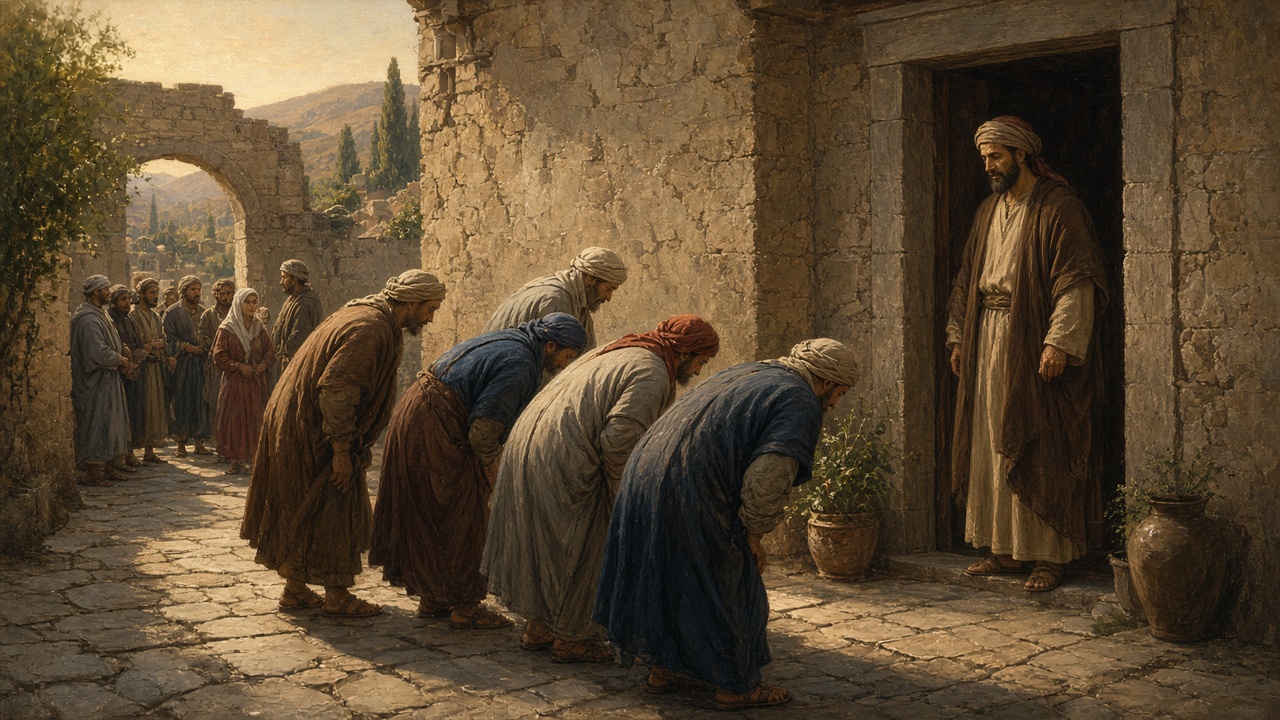
Piedras vivas y un pueblo escogido
- Este capítulo cita la Escritura acerca de una piedra angular escogida y preciosa puesta en Sion: quien cree en ella jamás será avergonzado. Sion era la colina del sureste de Jerusalén, una de las alturas sobre las que se construyó la ciudad, rodeada de valles profundos por todos lados excepto el norte.Fuentes: el propio texto bíblico · Zion
- David tomó Sion de los jebuseos, construyó allí una ciudadela y un palacio, y la colina llegó a conocerse como la ciudad de David. La carta usa ese nombre de lugar al citar la Escritura acerca de una piedra angular puesta en Sion, y describe a los lectores como piedras vivas edificadas como casa espiritual y sacerdocio santo.Fuentes: Zion · el propio texto bíblico
- El capítulo exhorta a someterse, por causa del Señor, a toda institución humana: al rey, como autoridad suprema, y a los gobernadores enviados para castigar a los que hacen el mal y elogiar a los que hacen el bien. Dice a los siervos que respeten incluso a los amos que actúan sin razón, y presenta el sufrimiento de Cristo —sin pecado, sin engaño, sin amenazas y sin represalias— como modelo para soportar el dolor injusto.Fuentes: el propio texto bíblico
Notas escritas con ayuda de IA a partir de fuentes abiertas (Theographic Bible Metadata, CC BY-SA 4.0; Easton’s Bible Dictionary, dominio público) y revisadas antes de publicarse.
Lugares de este capítulo
- Zion · Hoy: Jerusalem · 31.777, 35.234 · versículo 6
Solo aparecen lugares identificados con alta confianza (90 % o más según las fuentes académicas reunidas por OpenBible). Mapa de la época: DARE (Digital Atlas of the Roman Empire), CC BY 4.0; mapa actual: © colaboradores de OpenStreetMap; lugares: OpenBible.info (CC BY 4.0).
Créditos y licencia de esta traducción
Ŋwɛ menomenyɛɛ́ mekɛ́
New Testament in Denya (CM:anv:Denya)
copyright © 2010 Wycliffe Bible Translators, Inc.
Language: Denya
Translation by: Wycliffe Bible Translators, Inc.
Copyright Information
© 2010, Wycliffe Bible Translators, Inc. All rights reserved.
This translation text is made available to you under the
terms of the Creative Commons License: Attribution-Noncommercial-No Derivative Works.
( http://creativecommons.org/licenses/by-nc-nd/3.0/ )
In addition, you have permission to port the text to different file formats, as long as you
do not change any of the text or punctuation of the Bible.
You may share, copy, distribute, transmit, and extract portions
or quotations from this work, provided that you include the above copyright
information:
You must give Attribution to the work.
You do not sell this work for a profit.
You do not make any derivative works that change any of the actual words or punctuation of the Scriptures.
Permissions beyond the scope of this license may be
available if you contact
us with your request.
The New Testament
in Denya
© 2010, Wycliffe Bible Translators, Inc. All rights reserved.
This translation is made available to you under the terms of the
Creative Commons Attribution-Noncommercial-No Derivatives license 4.0.
You may share and redistribute this Bible translation or extracts from it in any format, provided that:
You include the above copyright and source information.
You do not sell this work for a profit.
You do not change any of the words or punctuation of the Scriptures.
Pictures included with Scriptures and other documents on this site are licensed just for use with those Scriptures and documents.
For other uses, please contact the respective copyright owners.
2024-02-11
Fuente: http://ebible.org/anvNT/ · eBible.org