1 Juan 3
Ŋwɛ menomenyɛɛ́ mekɛ́ · Toca un versículo para ver sus referencias cruzadas.
Ɛsé delú baá Ɛsɔwɔ
1Pɛge yɛ́ gejamégé gejeé ɛyigé Ntɛ sé Ɛsɔwɔ abɔɔ́ ne ɛse. Getuge gejee ɛyige na, ji akuú ɛsé nnó baá bií. Mbɔ ne ɛsé delú ntó. Ula bi bɔɔ́ mme álá akaá fɔ́ nnó ɛsé delú baá Ɛsɔwɔ, úlú nnó ɛbwɔ́ ákágé fɔ́ ji. 2Aŋmɛ ba abi gejee ɛsé delú nana baá Ɛsɔwɔ. Ne genó ɛyi debɔ mankaá gelú nnó Ɛsɔwɔ alu danpyɛ ɛsé dekaá ndɛre débɛɛ́ nyɛ meso gébé. Yɛ́mbɔ dekaá nnó gébégé Kras akerege fa mme ɛsé débɛɛ́ nyɛ wyɛ ɛké ji, néndé dégɛne nyɛ ndɛre ji alu. 3Yɛ́ndémuú ayi ánɛrege metɔɔ́ nnó ji abɛɛ́ nyɛ ɛké Kras, abɔ mambɛlege geŋwá jií pópó ndɛre ɛyigé Kras gelu.
4Yɛ́ndémuú ayi apyɛɛ́ gabo akwene mbɔ lé ɛbɛ Ɛsɔwɔ néndé gabo mampyɛge ɛlé mankwene mabɛ Ɛsɔwɔ. 5Ɛnyú dékaá nnó Kras achwɔ fa mme nnó afere ɛsé gabo né mmyɛ. Ne yɛ́ gabo fɔ́ apɔ́ ji mmyɛ chá chá. 6Ndɛre ɛlúmbɔ, yɛ́ndémuú ayi áchomé mmyɛ ne Kras amage pyɛ sé gabo. Ne yɛ́ndémuú ayi apyɛɛ wyɛ gabo, alu daŋgɛ yɛ́ Kras, ne ákaá fɔ yɛ́ ji wɔ́.
7Baá gejeé ba, dékamege fɔ́ muú fɔ́ abwɔlé ɛnyú. Yɛ́ndémuú ayi apyɛ wyɛ genó ɛyi gelu cho alu cho né mbɛ ushu Ɛsɔwɔ, wyɛ ndɛre Kras alu cho né mbɛ ushu wuú. 8Yɛ́mbɔ yɛ́ndémuú ayi apyɛ wyɛ gabo pyɛɛ́, alu muú danchɔmeló néndé danchɔmeló ne alɔɔ́ ula mampyɛ gabo. Gétú ɛyigémbɔ ne Maá Ɛsɔwɔ achwɔɔ́ fa mme nnó áchɔ utɔɔ́ danchɔmeló.
9Yɛ́ndémuú ayi alaá maá Ɛsɔwɔ apyɛɛ́ sé wyɛ gabo pyɛ, nénde ji awyaá gepɔgé Ɛsɔwɔ. Ji akágé pyɛ sé gabo néndé, ji alaá maá Ɛsɔwɔ. 10Genó ɛyi gelɛrege bɔɔ́ abi alu baá Ɛsɔwɔ ne abi alu baá danchɔmeló gelú nnó, bɔɔ́ abi alá apyɛ fɔ́ genó ɛyi gelu cho né mbɛ ushu Ɛsɔwɔ yɛ́ ɛbɛ ɛlé gejeé álá abɔɔ́ fɔ́ ne atɛ aŋmɛ, ápɔ́ fɔ́ baá Ɛsɔwɔ.
Mekomejɔɔ́ Ɛsɔwɔ aké débɔgé gejeé ne atɛ
11Mekomejɔɔ ayi ɛnyú déwuú mɛ tɛ ula ulɔɔ́ alu nnó ɛsé débɔgé gejeé ne atɛ. 12Ɛ́kágé ɛsé debɛ ɛké Ken. Ji alu maá danchɔmeló. Ji awá meŋmo wuú. Ulannó ji awáne meŋmo wuú? Awá ji néndé unó bi Ken jimbɔɔ́ apyɛ úlú nchyɛnchyɛ ne ɛbi meŋmɛ wuú apyɛɛ́ úlú cho.
13Baá gejeé ba, ɛ́kágé ɛnyú dela mano mekpo fuú mbɔgé bɔɔ́ mme aké apaá ɛnyú. 14Ɛsé dékaá nnó détane né amu negbo dékpɛ né mmu geŋwá. Dékaá mbɔ néndé ɛsé debɔ gejeé ne atɛ aŋmɛ. Muú ayi alá abɔɔ́ fɔ́ gejeé ne ntɛ meŋmɛ wɔ́ alu né amu negbo. 15Muú aké apaá ntɛ meŋmɛ wuú, ɛbyɛnnó alu mewané bɔɔ́. Ne dékaá nnó muú ayi awané bɔɔ́ alú dambɔ geŋwá ɛyi gélágé byɛ́. 16Genó ɛyi gepyɛ ɛsé dékágé genó ɛyi gejeé gelú, gelu nnó Kras achyɛ geŋwá jií agbo gétúgé se. Ne mbɔntó ne ɛsé débɔɔ́ manchyɛɛ́ geŋwáge sé, yɛ́ ɛbɛ́ lé mangbo gétúgé atɛ aŋmɛ. 17Ne mbɔgé muú abɛgé ne gefwa ne agɛgé ntɛ meŋmɛ ayi alu mbya, alá agɛ́ meshwɛ apoó ji wɔ́, ɛpyɛmbɔ nnó ne ji agaré aké ji agboó ne Ɛsɔwɔ? 18Baá gejeé ba, ɛ́kágé déjɔ́gé lé mejɔɔ́ meno ɛwú ɛwú nnó debɔ gejeé ne atɛ. Délɛ́régé gejeé ɛyi wáwálé ne atɛ né mbaá unó bi dépyɛɛ́.
19Deké debɔɔ́ gejeé ne atɛ, mbɔ ne dékágé nnó détɛné né ɛgbɛ ɛwé wáwálé. Ne ɛwéna ɛpyɛ matɔɔ́ abɛɛ́ ɛsé mmu pere gébégé détɛnege né mbɛ ushu Ɛsɔwɔ, 20yɛ́ndégébe ɛyí matɔɔ́ sé ágarege nnó dépyɛ gyɛ, néndé débɔ mankaá nnó Ɛsɔwɔ aŋea apwɔ yɛ́ndégenó ɛyi matɔɔ́ ágarege ɛsé ne ji akágé yɛ́ndégenó. 21Ajeé ba abi gejeé, ndɛre ɛlúmbɔ mbɔgé matɔɔ́ sé alá agaré ɛsé nnó dépyɛ gyɛ wɔ́, débɛɛ́ fɔ́ ne ɛfɔ metɔɔ́ mantɛne né mbɛ ushu Ɛsɔwɔ. 22Ne dékágé gií yɛ́ndégenó ji achyɛge ɛsé néndé ɛsé débelege mabɛ jií ne dépyɛ ntó unó bi ugɔɔ́ ji metɔɔ́. 23Ne ɛbɛ ɛwé ji achyɛɛ́ ɛsé ɛlú nnó défyɛɛ́ metɔɔ́ ne maá wuú Jisɔs Kras ne nnó debɔ gejeé ne atɛ wyɛ ndɛre ji agare ɛsé nnó dépyɛge. 24Bɔɔ́ ako abi abelege mabɛ Ɛsɔwɔ, áchomé wyɛ mmyɛ ne ji ne ji ntó achome mmyɛ ne ɛbwɔ́. Genó ɛyi gepyɛ nnó ɛsé dékaá nnó ji acho mmyɛ ne ɛsé ɛlé Mendoó wuú ɛwé ji afyɛɛ́ ɛsé né mmu metɔɔ́.
¿Sabías que…?
Hijos de Dios y amor fraterno
- La advertencia de no ser como Caín recuerda al primogénito de Adán y Eva, labrador de la tierra, cuyo hermano Abel seguía la vida pastoral. Ellos presentaron ofrendas: la de Abel, de los primogénitos y de la grasa del rebaño, fue aceptada como más excelente, y Caín, cuya ofrenda era del fruto de la tierra, se enfureció mucho. La carta dice que Caín era del maligno y asesinó a Abel porque sus propias obras eran malas y las de su hermano eran justas.Fuentes: Cain · el propio texto bíblico
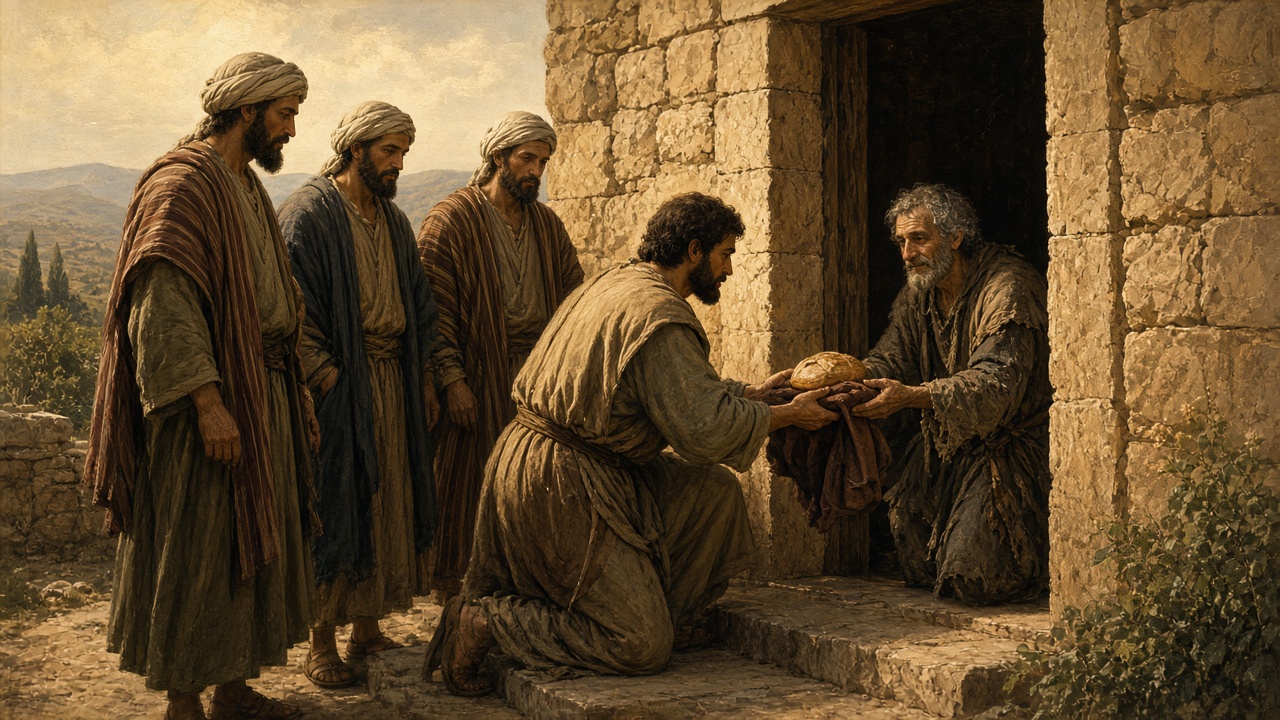
- En este capítulo, odiar al hermano se trata como homicidio: todo el que odia a su hermano es un homicida, y la vida eterna no reside en un homicida. El amor se conoce porque Jesús entregó su vida por nosotros, y se dice a los lectores que deben entregar la vida por sus hermanos.Fuentes: el propio texto bíblico
- Los hijos de Dios se distinguen de los hijos del diablo por practicar la justicia y por amar al hermano. El mensaje oído desde el principio es que debemos amarnos unos a otros, y el mandamiento de Dios es creer en el nombre de su Hijo, Jesucristo, y amarnos unos a otros como él mandó.Fuentes: el propio texto bíblico
Notas escritas con ayuda de IA a partir de fuentes abiertas (Theographic Bible Metadata, CC BY-SA 4.0; Easton’s Bible Dictionary, dominio público) y revisadas antes de publicarse.
Créditos y licencia de esta traducción
Ŋwɛ menomenyɛɛ́ mekɛ́
New Testament in Denya (CM:anv:Denya)
copyright © 2010 Wycliffe Bible Translators, Inc.
Language: Denya
Translation by: Wycliffe Bible Translators, Inc.
Copyright Information
© 2010, Wycliffe Bible Translators, Inc. All rights reserved.
This translation text is made available to you under the
terms of the Creative Commons License: Attribution-Noncommercial-No Derivative Works.
( http://creativecommons.org/licenses/by-nc-nd/3.0/ )
In addition, you have permission to port the text to different file formats, as long as you
do not change any of the text or punctuation of the Bible.
You may share, copy, distribute, transmit, and extract portions
or quotations from this work, provided that you include the above copyright
information:
You must give Attribution to the work.
You do not sell this work for a profit.
You do not make any derivative works that change any of the actual words or punctuation of the Scriptures.
Permissions beyond the scope of this license may be
available if you contact
us with your request.
The New Testament
in Denya
© 2010, Wycliffe Bible Translators, Inc. All rights reserved.
This translation is made available to you under the terms of the
Creative Commons Attribution-Noncommercial-No Derivatives license 4.0.
You may share and redistribute this Bible translation or extracts from it in any format, provided that:
You include the above copyright and source information.
You do not sell this work for a profit.
You do not change any of the words or punctuation of the Scriptures.
Pictures included with Scriptures and other documents on this site are licensed just for use with those Scriptures and documents.
For other uses, please contact the respective copyright owners.
2024-02-11
Fuente: http://ebible.org/anvNT/ · eBible.org