1 Corintios 13
Ŋwɛ menomenyɛɛ́ mekɛ́ · Toca un versículo para ver sus referencias cruzadas.
Gejeé geŋeá gepwɔ unó uko
1Mbɔgé ɛ́bɛ́gé nnó me nkágé jɔɔ́ ufɔɔ́ mejɔɔ́ mme meko ne ɛwé makiɛ́nné Ɛsɔwɔ, ne nlá mbɔɔ́ gejeé ne bɔɔ́ wɔ́, mmpyɛ lé mejɔɔ́ détú ɛké káláŋká yɛ́ ɛké ubyaubya. 2Yɛ́ ɛbɛ lé nnó Ɛsɔwɔ achyɛ me utó mangarege bɔɔ́ mekomejɔɔ́ ayi atane ɛta wuú, ne yɛ́ nkaá unó Ɛsɔwɔ uko chónchó ne ɛbi úlú bibií, ne yɛ́ mfyɛ́ lé metɔɔ́ wa ne Ɛsɔwɔ dɔɔ́ ndɛre ɛ́kágé pyɛ me njɔɔ́ ne makwɛ nnó ákwilé malu bwɔ́ ájyɛ né mbá yicha, ne nla mbɔɔ́ gejeé ne bɔɔ́ wɔ́, mpɔ yɛ́ genó. 3Ne yɛ́ nkpa lé unó bi me nwyaá uko nkáre mbaá ubya bɔ́ ne yɛ́ nchyɛ ntó lé gemɛ ya mbaá bɔɔ́ nnó ásɔ́ né mewɛ gétúgé depɔré Ɛsɔwɔ, ne nla mbɔɔ́ gejeé ne bɔɔ́ wɔ́ mbɔɔ́ yɛ́ nsa fɔ.
4Muú ayi abɔɔ́ gejeé ne bɔɔ́ ágbárege metɔɔ́, ne apyɛ galɔ́gálɔ́ ne bɔɔ́ ammyɛ fɔ́ demboó, apɔ́ fɔ́ ne nepa, ne abwɛgé fɔ́ mmyɛ. 5Apyɛɛ́ fɔ́ neŋa. Apyɛ fɔ́ genó ɛyi gepoge lé jimbií, asɔɔ́ fɔ metɔɔ́ wáwá, ábélégé fɔ́ depɔ debodebo né metɔɔ́. 6Gefɔgé muú yina, abɛɛ́ fɔ́ ne nechɔchɔ́ gébégé bɔɔ́ aké apyɛɛ́ gabo. Abɛɛ́ ne nechɔ́chɔ́ gébégé bɔɔ́ aké apyɛɛ́ genó ɛyi gelú cho wáwálé. 7Muú ayi abɔɔ́ gejeé ne bɔɔ́, abyaá depɔ debodebo deko ɛtiré bɔɔ́ ápyɛɛ́, akamege nnó bɔɔ́ apyɛ nyɛ galɔ́gálɔ́, anɛrege metɔɔ́ nnó ɛbwɔ́ akwɔrégé nyɛ gepɔgé bwɔ́ ne akoge metɔɔ́ né unó bi ɛbwɔ́ apyɛ yɛ́ndégébé.
8Muú ayi abɔɔ́ gejeé ne bɔɔ́, agboó ne ɛbwɔ́ yɛ́ndégébé. Gébé gechwɔ́ nyɛ ɛyigé uto ɛbi bɔɔ́ agárege genó ɛyigé getane mbaá Mendoó Ɛsɔwɔ ubyɛɛ́, uto bi bɔɔ́ ajɔ́gé ufɔɔ́ mejɔɔ́ ɛbi álá kágé ubyɛɛ́, uto bi bɔɔ́ ákage unó Ɛsɔwɔ uko ubyɛɛ́ nyɛ. 9Néndé unó bi ɛsé dékaá, dékaá dénere wɔ́, ne mekomejɔɔ́ Ɛsɔwɔ ayi dégárege, dégarege fɔ́ ji dénere, 10yɛ́mbɔ, gébé gékwɔ́nege nyɛ ɛyigé Ɛsɔwɔ apyɛ nyɛ ɛsé dékaá unó bina uko. Ne unó bi déla dékaá denere wɔ́, ubyɛɛ́ nyɛ.
11Gébégé me nlú mamane, njɔ́gé mejɔɔ́ ɛké mamane kɔɔ́, nfɛrege depɔ ɛké mamane kɔɔ́ ne mpyɛɛ́ unó ɛké mamane kɔɔ́. Ne nana ayi nlɛ́ mmyɛ muú, nlyaá depɔre dembane. 12Ɛsé dégɛne unó nana mmyɛ bomebome ɛké muú ayi apɛle unó né ɛfɛɛ́ ɛwé ɛlá ɛgɛnege cháŋéné. Yɛ́mbɔ gébé gechwɔ́ nyɛ ɛyigé ɛsé détuúge amɛ dégɛne unó uko chaŋéné. Nana me nkaá fɔ́ unó uko nnere wɔ́, yɛ́mbɔ gébé gebɛɛ́ nyɛ ɛyigé nkágé unó uko kpa, wyɛ ndɛre Ɛsɔwɔ akaá me.
13Mankwya mejɔɔ́ ɛwé na alu nnó, unó úlú ulɛɛ́ ɛbi ula ubyɛɛ́ tɛ kwyakwya. Unó bina ɛlé metɔɔ́ mamfyɛ ne Ɛsɔwɔ, manɛré metɔɔ́ ne Jií ne mambɔ gejeé. Yɛ́mbɔ genó ɛyi geŋeá né unó bina ulɛɛ́ ɛlé gejeé.
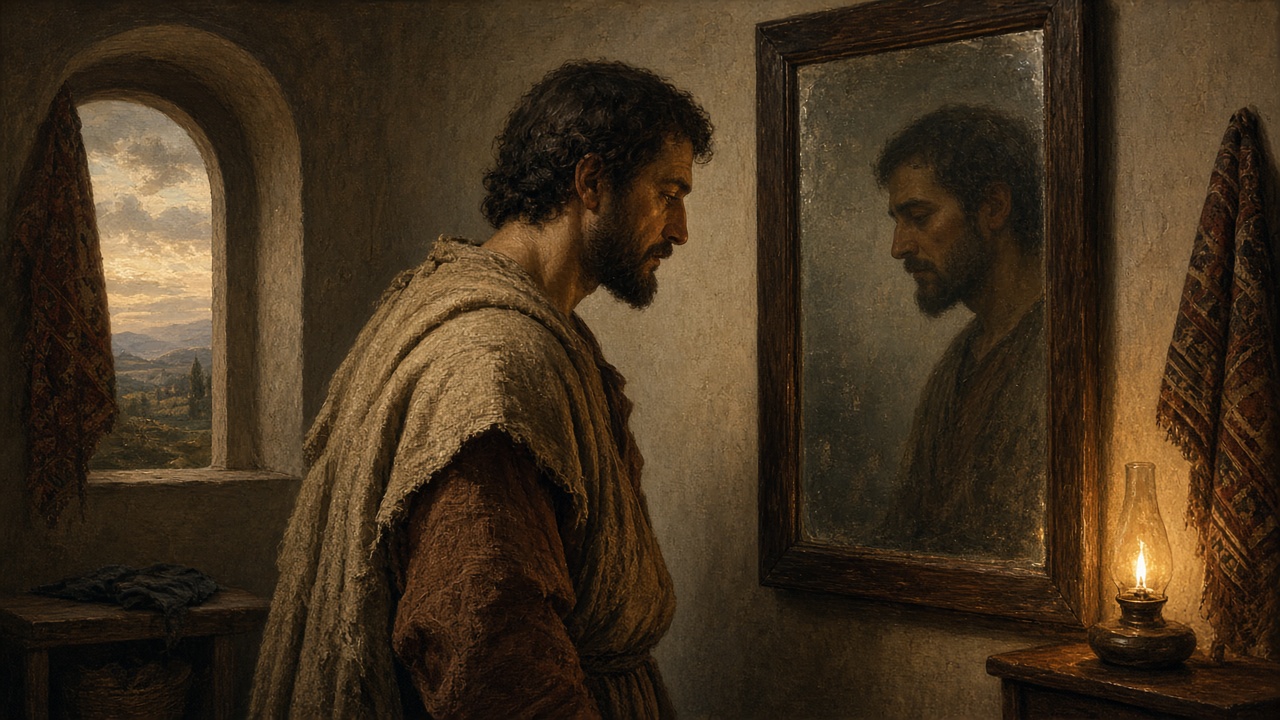
¿Sabías que…?
El amor por encima de todos los dones
- Sin amor, dice el capítulo, hablar en lenguas de hombres y de ángeles es solo un gong que resuena o un címbalo que retiñe. Quien tiene profecía, poder para sondear todos los misterios y todo el conocimiento, y fe capaz de mover montañas no es nada; quien da a los pobres todo lo que posee, o entrega su propio cuerpo, no gana nada.Fuentes: el propio texto bíblico
- El amor es paciente y bondadoso. No envidia, no se jacta ni actúa con orgullo; no es grosero, no busca lo suyo ni se enoja con facilidad, y no lleva cuenta de las ofensas. No se complace en el mal, se alegra con la verdad y todo lo soporta, todo lo cree, todo lo espera y todo lo persevera.Fuentes: el propio texto bíblico
- El amor, dice el capítulo, nunca falla, pero las profecías cesarán, las lenguas serán contenidas y el conocimiento será dejado de lado. Lo que ahora se conoce y se profetiza es parcial, como el razonamiento de un niño o un reflejo tenue en un espejo, en vez de ver cara a cara. Permanecen la fe, la esperanza y el amor, y el mayor de ellos es el amor.Fuentes: el propio texto bíblico
Notas escritas con ayuda de IA a partir de fuentes abiertas (Theographic Bible Metadata, CC BY-SA 4.0; Easton’s Bible Dictionary, dominio público) y revisadas antes de publicarse.
Créditos y licencia de esta traducción
Ŋwɛ menomenyɛɛ́ mekɛ́
New Testament in Denya (CM:anv:Denya)
copyright © 2010 Wycliffe Bible Translators, Inc.
Language: Denya
Translation by: Wycliffe Bible Translators, Inc.
Copyright Information
© 2010, Wycliffe Bible Translators, Inc. All rights reserved.
This translation text is made available to you under the
terms of the Creative Commons License: Attribution-Noncommercial-No Derivative Works.
( http://creativecommons.org/licenses/by-nc-nd/3.0/ )
In addition, you have permission to port the text to different file formats, as long as you
do not change any of the text or punctuation of the Bible.
You may share, copy, distribute, transmit, and extract portions
or quotations from this work, provided that you include the above copyright
information:
You must give Attribution to the work.
You do not sell this work for a profit.
You do not make any derivative works that change any of the actual words or punctuation of the Scriptures.
Permissions beyond the scope of this license may be
available if you contact
us with your request.
The New Testament
in Denya
© 2010, Wycliffe Bible Translators, Inc. All rights reserved.
This translation is made available to you under the terms of the
Creative Commons Attribution-Noncommercial-No Derivatives license 4.0.
You may share and redistribute this Bible translation or extracts from it in any format, provided that:
You include the above copyright and source information.
You do not sell this work for a profit.
You do not change any of the words or punctuation of the Scriptures.
Pictures included with Scriptures and other documents on this site are licensed just for use with those Scriptures and documents.
For other uses, please contact the respective copyright owners.
2024-02-11
Fuente: http://ebible.org/anvNT/ · eBible.org