Apocalipsis 7
Jesucristo oy oa’pak: Kenda Jesucristoa; monigka’uyatenok; Diostaj mo’manopo’yarea’ika’ne · Toca un versículo para ver sus referencias cruzadas.
Israel aratbuttaj oʼbatimadoyaʼuy. Diosen aratbut o̱ʼne kanʼmatinopo̱i̱keʼpo oʼbatimadoyaʼuy.
1Nogok bottaʼ bottaʼ Diosen huataʼmoneritaj do Juan ijbatiahuaymey. Huadariyo adyon nogyon nogyon enʼbote ijbatiahuaymey. Bapoka huadarite bapokhueʼ ya̱e̱ʼ, e̱ʼpo̱gte bapokhueʼ ya̱e̱ʼ, kenpaʼti o̱hue̱yte bapokhueʼ ya̱e̱ʼ Diosen huataʼmoneria eʼbapoktaj ya̱ʼnonaʼapet. 2Nog Diosen huataʼmoneritaj ijtiahuaymey. Ke̱ya̱ʼ niokpo o̱ro̱kikaʼyen oʼtiakpo “In Diosensiʼpo o̱ʼe̱,” huatimadoyaʼ oʼtotiak. Huatimadoyaʼ Dios huanoeonhuahuikaʼerien huadik huakaʼ o̱ʼe̱. Keʼna huataʼmoneria ʼuttaʼda yaʼmanaʼapet. Bottaʼ bottaʼ Diosen huataʼmoneri eneʼte ʼuttaʼda yaʼmanaʼapet. Bottaʼ bottaʼ Diosen huataʼmoneritaj Diosa oʼbateypakaʼdenok keʼpoda o̱gkaʼdik kaʼnikeʼpo, huadaritaj e̱ʼpo̱geretaj keʼpoda o̱gkaʼdik kaʼnikeʼpo, kenomeytaj ʼuttaʼda oʼmanaʼpo,
3—Huanoyte Diosen huanigpe̱i̱kaʼeritaj “In Diosensiʼpo o̱ʼe̱,” timadoyahued e̱e̱ʼted keʼpoda o̱gkahueʼ yaneʼ. Huadaritaj e̱ʼpo̱gtaj o̱hue̱ytapiʼ keʼpoda o̱gkahueʼ yaneʼ. —Bottaʼ bottaʼ Diosen huataʼmoneritaj ʼuttaʼda yaʼmanaʼapet.
4Huanoyte “In Diosensiʼpo o̱ʼe̱,” eʼtimadoyaʼdeʼ inega̱ʼ oʼbatimadoyaʼeʼuyatenig huadik ijpe̱e̱ʼuy. Ciento cuarenta y cuatro mil ayaʼtada Israel aratbuttaj oʼbatimadoyaʼeʼuyate. 5Doce mil Judá aratbuttaj oʼbatimadoyaʼeʼuyate. Doce mil Rubén aratbuttaj oʼbatimadoyaʼeʼuyate. Doce mil Gad aratbuttaj oʼbatimadoyaʼeʼuyate. 6Doce mil Aser aratbuttaj oʼbatimadoyaʼeʼuyate. Doce mil Neftalí aratbuttaj oʼbatimadoyaʼeʼuyate. Doce mil Manasés aratbuttaj oʼbatimadoyaʼeʼuyate. 7Doce mil Simeón aratbuttaj oʼbatimadoyaʼeʼuyate. Doce mil Leví aratbuttaj oʼbatimadoyaʼeʼuyate. Doce mil Isacar aratbuttaj oʼbatimadoyaʼeʼuyate. 8Doce mil Zabulón aratbuttaj oʼbatimadoyaʼeʼuyate. Doce mil José aratbuttaj oʼbatimadoyaʼeʼuyate. Doce mil Benjamín aratbuttaj oʼbatimadoyaʼeʼuyate. Kenda ijpe̱e̱ʼuy.
Dios e̱ʼhua̱e̱ʼ huanegte huakkaʼada o̱gkupopakpo onʼbopo yere yudtaj yanʼotapet.
9Nogok kurudyo̱ Dios e̱ʼhua̱e̱ʼ huanegte huakkaʼnada aratbuttaj ijbatiahuaymey. Kenomey ayaʼ huadarierida hua̱e̱ʼeri o̱ʼnemeʼ, ayaʼ aratbutda nogerida o̱ʼnemeʼ, ayaʼ nogpaʼda huaaʼpakeri o̱ʼnemeʼ, ayaʼada Dioste Ovejasiʼpote huakkurupen yanʼbatoboapetnig ijtiahuaymey. Huakkaʼnanada o̱ʼnenok madikahueʼdik ya̱ʼneapet. Yudtaj yereyoʼ onʼotpo konig yanʼmato̱e̱a̱pet. 10Ayaʼada ʼuttaʼda oʼdapo:
Oroʼomeyen Dios o̱ʼe̱po Dios Huairitaj ayaʼada nigpe̱i̱kaʼdik o̱ʼne. Dakhueaʼ eʼkaʼ huamanopoʼyareaʼeri o̱ʼe̱po Ovejasiʼpoerea huamanoeanhuahuikaʼeri o̱ʼe̱. Keʼnayoʼda dakhueaʼ huakaʼeritaj oʼmanopoʼyareaʼikaʼ. ʼUttaʼda yadaʼapetnig.
11Dios Huairi e̱ʼhua̱e̱ʼ huanegte cuatro huanoeonhuahuikaʼeri kenpaʼti huairitoneʼ o̱ʼnikaʼpo. Huairitoneʼ eʼnahui̱kaʼ huaneg ayaʼada Diosen huataʼmoneria onʼtibopo Diostaj oʼderetpakpo onʼtihuedpo sorokyo o̱gkokbetpo yadaʼapet:
12Kenda, Dios huadaknanada o̱ʼi̱kaʼ. Kaʼnonikeʼ. Diosnayo ʼuruaʼnanada o̱ʼi̱kaʼ. Kaʼnonikeʼ. Diosnayo ayaʼda iʼnopo̱e̱ne. Kaʼnonikeʼ. Dakiti, Dios. Kaʼnonikeʼ. Diosnayo huadaknanada o̱ʼi̱kaʼ. Kanonikeʼ. Diosnayo teyda o̱ʼe̱po ayaʼda kaʼdik o̱ʼi̱kaʼ. Kaʼnonikeʼ. Kenpaʼ kaʼkikeʼ. Yadaʼapetnig ijtiahuaymey.
13—¿Inomey yudtaj yereda eʼbaot o̱ʼnenig beʼa ya̱ʼne? ¿Meya̱ʼ yanʼtiakpo ya̱ʼne? Huairitoneʼa nogtiada doʼtaj menameʼne. Doʼtaj Juantaj menameʼne.
14—On iʼnopo̱e̱ne, Huairi. —Yonaʼmey.
—Inomey Diostaj moknopo̱e̱po paiʼnanada onʼnopoʼeonhuahuikaʼuy. Moknopo̱e̱po okbatikhueʼ o̱ʼnepo paiʼnanada onʼnopoʼeonhuahuikaʼuy. Diosensiʼpo konig ovejasiʼpo oʼmanigbueyʼuynok kenomeyen dakhueaʼ eʼkaʼ oʼbakkahueaʼuyate. Dakhueaʼ eʼkaʼ oʼmanopoʼtihuekeʼuyate. ʼUrunopoaʼ oʼmagkaʼuyate. 15Konige̱po Diosyo o̱ʼnikaʼpo, huameʼnoe sikyoere okbatikhueʼada onʼnigpe̱i̱kaʼpo Diosen jakyo kente Dios o̱ʼi̱kaʼ onʼnigpe̱i̱kaʼ. Dios kenomeyere o̱ʼi̱kaʼpo oʼbatiokaʼikaʼ. 16Onteʼti paiʼda kusitokhueʼda o̱ʼneonhuahuikaʼapo. Onteʼti “Diga̱ʼ maymaya̱ʼ ijjay.” Ahueʼ o̱ʼneonhuahuikaʼapo. Onteʼti niokpoa kenomeytaj diga̱ʼda batitaʼtehueʼ o̱ʼeonhuahuikaʼapo. Onteʼti diga̱ʼda ʼukpakhueʼ o̱ʼneonhuahuikaʼapo. 17Diosen Ovejasiʼpo Jesúsa Diosere onteteyoʼ kenomeytaj dakaʼ oʼbatiokadhuahuikaʼpo konig ovejasiʼpotaj oʼmato̱e̱ʼonhuahuikaʼpo konig eʼmanoeanhuahuikaʼ hue̱ʼe̱y sipajyo oʼbatohuaʼikaʼ. Kenpaʼti Diosa kenomeyen huakpota̱ʼhue̱ oʼbaktihueykeʼapo. Onteʼti suhueʼ ehueʼda o̱ʼneonhuahuikaʼapo. —Huairitoneʼa nogtiada menameʼne.
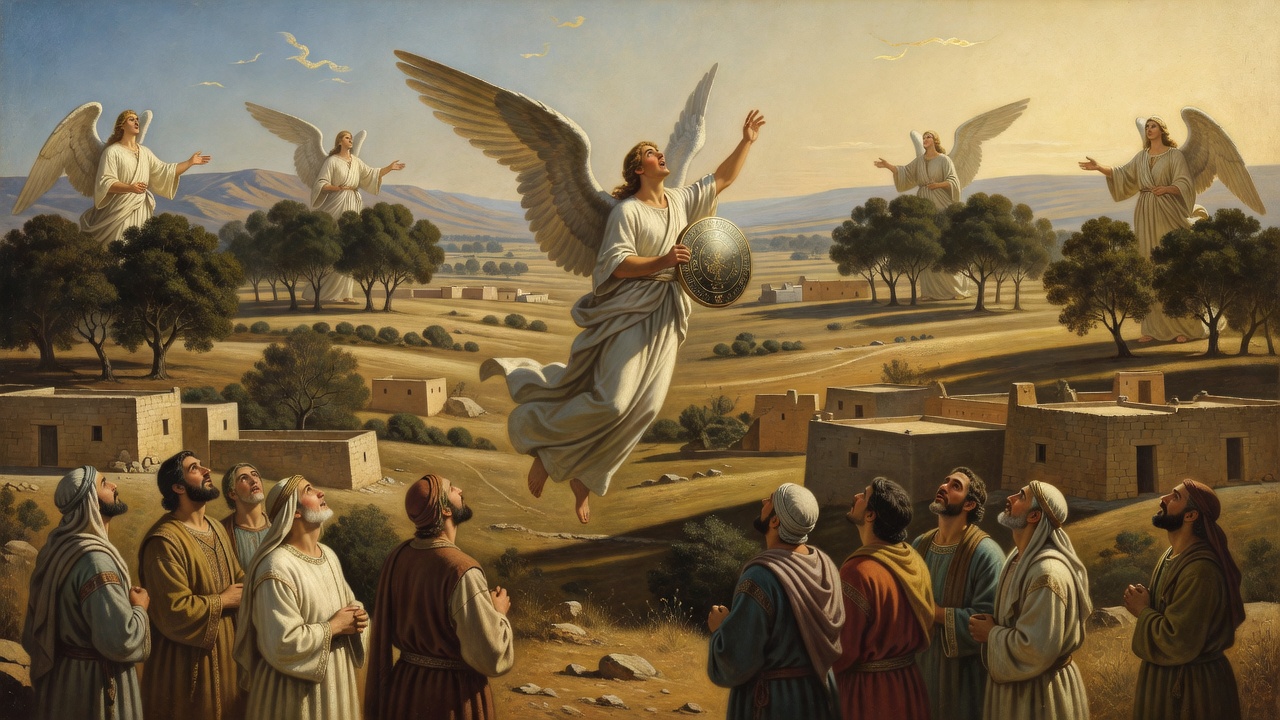
¿Sabías que…?
Las tribus selladas y la gran multitud
- Apocalipsis 7 presenta el número de los sellados como 144,000, doce mil de cada una de las tribus de Israel nombradas en el capítulo. Israel era otro nombre de Jacob, el segundo de los hijos gemelos de Isaac y Rebeca; el Easton's Bible Dictionary (1897) explica el nombre de Jacob como alguien que sigue los talones de otro, o un suplantador.Fuentes: el propio texto bíblico · Jacob (Israel)
- Aunque Rubén era el hijo mayor de Jacob y Lea, la lista de los sellados comienza con Judá y luego nombra a Rubén. La lista incluye también tanto a José como a Manasés; Manasés era el hijo mayor de José, y Jacob lo adoptó a él y a su hermano Efraín como hijos propios.Fuentes: el propio texto bíblico · Reuben · Manasseh (son of Joseph)
- Después del sellado, la visión muestra una multitud demasiado grande para contarse, de toda nación, tribu, pueblo y lengua, de pie ante el trono y el Cordero, con vestiduras blancas y ramas de palma en las manos. Uno de los ancianos dice que han salido de la gran tribulación y han lavado sus vestiduras, dejándolas blancas en la sangre del Cordero.Fuentes: el propio texto bíblico
Notas escritas con ayuda de IA a partir de fuentes abiertas (Theographic Bible Metadata, CC BY-SA 4.0; Easton’s Bible Dictionary, dominio público) y revisadas antes de publicarse.
Créditos y licencia de esta traducción
Jesucristo oy oa’pak: Kenda Jesucristoa; monigka’uyatenok; Diostaj mo’manopo’yarea’ika’ne
New Testament in Amarakaeri (PE:amr:Amarakaeri)
copyright © 2008 Wycliffe Bible Translators, Inc.
Language: Amarakaeri
Translation by: Wycliffe Bible Translators, Inc.
Amarakaeri [amr], Peru
Copyright Information
© 2008, Wycliffe Bible Translators, Inc. All rights reserved.
This translation text is made available to you under the
terms of the Creative Commons License: Attribution-Noncommercial-No Derivative Works.
( http://creativecommons.org/licenses/by-nc-nd/3.0/ )
In addition, you have permission to port the text to different file formats, as long as you
do not change any of the text or punctuation of the Bible.
You may share, copy, distribute, transmit, and extract portions
or quotations from this work, provided that you include the above copyright
information:
You must give Attribution to the work.
You do not sell this work for a profit.
You do not make any derivative works that change any of the actual words or punctuation of the Scriptures.
Permissions beyond the scope of this license may be
available if you contact
us with your request.
The New Testament
in Amarakaeri
© 2008, Wycliffe Bible Translators, Inc. All rights reserved.
This translation is made available to you under the terms of the
Creative Commons Attribution-Noncommercial-No Derivatives license 4.0.
You may share and redistribute this Bible translation or extracts from it in any format, provided that:
You include the above copyright and source information.
You do not sell this work for a profit.
You do not change any of the words or punctuation of the Scriptures.
Pictures included with Scriptures and other documents on this site are licensed just for use with those Scriptures and documents.
For other uses, please contact the respective copyright owners.
2024-02-11
Fuente: http://ebible.org/amrNT/ · eBible.org