Éxodo 3
Yi Antiw Bible / Yi Ac'aj Testament · Toca un versículo para ver sus referencias cruzadas.
Yi bixewe'n Moisés tetz chibajxom yi e' aj Israel tan Ryos
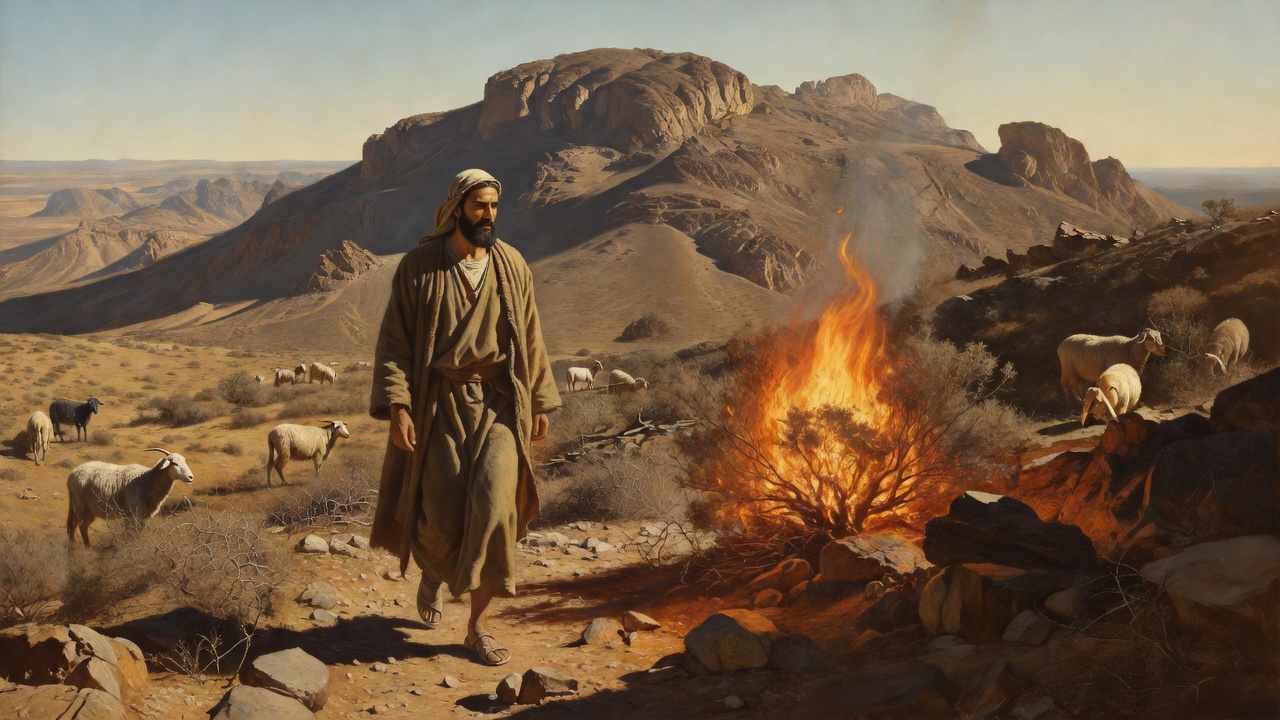
1Itzun bantz cho'n at pon Moisés tan pstore'n yi tawun Jetro yi ji' i' le ama'l tz'inunin tu', naka'jil yi wutz tetz Ryos, yi na bi'aj Horeb. Yi Jetro, i' yi chipale'il yi e' aj Madián. 2Cho'n tzun ẍchajol tib yi ángel tetz Kataj Jehová swutz i' le ama'la'tz. Cho'n ẍchajol tibtz tul jun wi' xtxoybchej yi na tzan k'a'kl. Poro qui na tz'e'.
Yi bene'n tilol Moisés yi na tzan k'a'kl yi jun xtxoybcheja'tz, 3toque'n tzun i'-tz tan xtxumle'n yi mbi tzuntz yi qui na tz'e'. Nin oc ẍkansal tibtz tan xmaye'n yi mbi tzuntz qui na tz'e'.
4Itzun yi tilol Kataj Ryos yi topone'n ẍkansal tib Moisés tan xmaye'n, nintzun jilon tzaj tetz tul yi jun wi' xtxoybcheja'tz. Itzun taltz:
—¡Moisés, Moisés!
—¿Mbi' ta'? Je ine'j, stzun Moisés ban nintz.
5Nintzun tal Ryos tetz:
—Moisés, quil cẍkano'c tzaj mas, nin cy'ajwe' len yi axajab, na chin xan nin yi ama'l kale txicl quiẍe't. 6Na i ina'tz yi chiRyosil yi e' amam ate', yi k'ajtzun Abraham tu Isaac nin Jacow, stzun Ryos bantz tetz Moisés. Tan paj yi xo'wl yi at cu'nt cwe'n tzun tewal Moisés yi wutz, na nin xobtz tan xmaye'n wutz Ryos. 7Poro nintzun tal Ryos tetz:
—Ma jalu' Moisés, na wil yi q'uixc'uj yi ate' cu'nt yi e' intanum yi ate' Egipto jak' ca'wl yi faraón. Ncha'tz ja opon yi cyo'kl tzinwutz, na chin buchij nin quitane'n cyak'un yi ajcaw yi na chicawun squibaj. 8Cha'stzun te ja nu'l tan chicolpe'n chik'ab yi e' aj Egipto. Chelu'l tzun incy'al le jun ama'la'tz. Nin chopon wa'n le jun balaj ama'l kale atite't balaj cojbil, jun ama'l kale atit wi'nin lech tu ca'bil wunak txuc. Yi jun ama'la'tz i'tz kale najlche't yi e' aj Canaán, e' hitita, scyuch' yi e' amorreo, e' ferezeo, e' heveo nin e' jebuseo. 9Ma jalu' bin Moisés, ja wit yi cyo'kl yi atanum, yi e' xonl Israel. Nin ja wil yi chin q'uixc'uj nin quitane'n cyak'un yi e' aj Egipto. 10Cha'stzun te na waj yi ẍcu' tbe' ninin jalcu'n, na na waj cẍben tan yol swutz yi faraón tan cyelsene'l tzaj yi intanum Israel yi ate' Egipto, stzun Ryos tetz Moisés.
11Nintzun tal Moisés tetz Ryos:
—Ta', ¿mbi eka'n wa'n tan woque'n tetz chibajxom yi e' intanum, nin tan yol tetz faraón, tan cyelsene'l tzaj jak' chica'wl yi e' aj Egipto? Na yi mero bintzi yi in wetz quil chinxcye' te'j.
12Poro nin tal Ryos tetz:
—Moisés, chinxomok tzawe'j. Ej nin je jun techle'j yi in inchakon nin aẍ: Yil che'l tzaj yi intanum awa'n, cxu'l wok icyakil cu'n tan inc'u'laje'n swutz yi wutze'j, stzun Ryos bantz.
13—Poro Ta', kol chimben tan yol scyetz yi e' bajxom tetz intanum, nin kol wal scyetz yi ja chinsaj chakij tan Kataj Ryos yi chiRyosil yi e' kamam kate' ej nin kol chijak swetz, yi mbi' bi'u', ¿mbi tzun wal nin wetz scyetz? stzun Moisés bantz.
14—Ma jalu', I INA'TZ YI IN. Ej nin ba'n tzawal scyetz: Yi Ryos yi na bi'aj I INA'TZ, i' nchinchakon tzaj.
15Ncha'tz tal Ryos tetz Moisés:
—Ba'n tzawal scyetz yi e' atanum yi e' xonl Israel: “Yi Kataj Jehová, yi chiRyosil yi e' kamam kate', yi Abraham tu Isaac nin Jacow, i' mma'lon swetz tan wule'n ẍchiwutzu',” cẍchij sban scyetz. Ya'stzun wetz imbi'. Ej nin ba'n xcon yi jun imbi'a'tz ita'n tan inna'wse'n tetz ben k'ej ben sak.
16”Ma jalu' Moisés quilo'k Egipto, nin molwe' yi e' bajxom scyetz yi e' xonl Israel. Ej nin alaj scyetz yi xtxolbile'j: ‘Yi Kataj Jehová yi chiRyosil yi e' kamam kate', yi Abraham tu Isaac nin Jacow, ja ẍchaj tib tzinwutz nin ja tal i' swetz: Ja wit, nin ja wil yi ẍe'n cunin itane'n wok cyak'un yi e' aj Egipto. 17Cha'stzun te cxelpon wok liwr wa'n tk'ab yi q'uixc'uj, nin jak' chica'wl yi e' aj Egipto. Ej nin nxben wok wa'n le junt balaj ama'l yi at chik'ab yi e' cananeo scyuch' e' amorreo, e' hitita, e' ferezeo, e' heveo tu e' jebuseo. I'tz jun balaj ama'l kale atit balaj cojbil,’ cẍchij sban scyetz. 18Ej nin yil tzawal yi xtxolbile'j scyetz yi e' bajxom tetz Israel, scyocsaje' yi xtxolbila'se'j yi ja wi't wal tzatz. Ej nin yil cyocsaj ayol kalena'tz tzun cxben wok tan yol swutz yi rey tetz Egipto. Yil cxopon wok ba'n tzawal tetz: ‘Yi ketz kaRyosil yi o' hebrey ja jilon sketz le ama'l tz'inunin tu'. Cha'stzun te nink tak'u' ama'l sketz tan kabene'n tan toye'n katx'ixwatz swutz i'. Nink tak'u' ama'l sketz tetz ox k'ej, na ya'stzun yi tkanil yi kabe',’ cẍchij sban tetz yi rey. 19Poro na el intxum tetz yi quil tak' yi rey ama'l tzitetz tan itele'n tzaj Egipto. Ntin kol tzimban puers te'j. 20Na je swuleje'j. Tzinchaje' yi wetz imporer tetz yi rey. Ẍchiquimok wi'nin aj Egipto wa'n. Nin tan yi cyakil yi mbi cu'n tzimbne' scye'j, kalena's tzun ltak' ama'l tzitetz tan itele'n tzaj. 21Nk'e'tz ntina'tz ma na ncha'tz swak'e' yi imbanl tzitetz tan jale'n ibalajil ẍchiwutz yi e' aj Egipto. Na yil cxe'l wok tzaj, quil cxe'l tzaj tu', ma na tz'elu'l itcy'al wi'nin e'chk takle'n chik'ab yi e' aj Egipto. 22Na cyakil yi ixna'nil ẍchijake' e'chk takle'n scyetz chiwisin, nka scyetz alchok xna'nil aj Egipto. Ẍchijake' balaj oro tu sakal, ncha'tz ẍchijake' balaj be'ch cyetz scyetz tan jale'n chime'bi'l. Tz'elepon tzun itcy'al cyakil chime'bi'l yi e' aj Egipto,” stzun Ryos bantz tetz Moisés.
¿Sabías que…?
El llamado de Moisés en la zarza ardente
- Moisés está pastoreando en Madián cuando comienza este capítulo. Los madianitas eran una tribu árabe nómada, descendiente de Madián, el cuarto hijo de Abraham con Cetura, cuyo nombre se explica como contienda. Vivían sobre todo en el desierto al norte de Arabia, y la península del Sinaí era tierra de pastoreo para sus rebaños; allí, tras huir de Egipto, Moisés llegó a ser siervo y luego yerno del sacerdote.Fuentes: el propio texto bíblico · Midian · Midian
- Su suegro es Jetro, llamado sacerdote de Madián. El Diccionario Bíblico de Easton (1897) identifica a ese sacerdote con Raguel y dice que, si los dos nombres corresponden a un mismo hombre, Raguel puede considerarse su nombre personal y Jetro, que significa excelencia, un título oficial.Fuentes: el propio texto bíblico · Jethro
- Moisés lleva el rebaño hasta Horeb, el monte de Dios. El nombre se explica como desierto, o monte, del suelo reseco, un término general para toda la cordillera de la cual el Sinaí era una de las cumbres; el Diccionario Bíblico de Easton (1897) da a la cordillera el nombre moderno de Jebel Musa y la describe como un enorme bloque de unas dos millas de largo por cerca de una milla de ancho, con una llanura muy espaciosa llamada Er Rahah en su extremo noreste, donde los israelitas acamparon después durante casi un año.Fuentes: el propio texto bíblico · Horeb
Notas escritas con ayuda de IA a partir de fuentes abiertas (Theographic Bible Metadata, CC BY-SA 4.0; Easton’s Bible Dictionary, dominio público) y revisadas antes de publicarse.
Lugares de este capítulo
- Midian · 28.495, 35.012 · versículo 1
- Mount Horeb · Hoy: Jebel Musa · 28.540, 33.973 · versículo 1
- Egypt · 30.129, 31.308 · versículos 7, 8, 10, 11, 12, 16, 17, 18, 19, 20, 22
Solo aparecen lugares identificados con alta confianza (90 % o más según las fuentes académicas reunidas por OpenBible). Mapa de la época: DARE (Digital Atlas of the Roman Empire), CC BY 4.0; mapa actual: © colaboradores de OpenStreetMap; lugares: OpenBible.info (CC BY 4.0).
Créditos y licencia de esta traducción
Yi Antiw Bible / Yi Ac'aj Testament
Bible in Aguacateco (GT:agu:Aguacateco)
copyright © 2011 Wycliffe Bible Translators, Inc.
Language: Aguacateco
Translation by: Wycliffe Bible Translators, Inc.
Copyright Information
© 2011-02-18, Wycliffe Bible Translators, Inc. All rights reserved.
This translation text is made available to you under the
terms of the Creative Commons License: Attribution-Noncommercial-No Derivative Works.
( http://creativecommons.org/licenses/by-nc-nd/3.0/ )
In addition, you have permission to port the text to different file formats, as long as you
do not change any of the text or punctuation of the Bible.
You may share, copy, distribute, transmit, and extract portions
or quotations from this work, provided that you include the above copyright
information:
You must give Attribution to the work.
You do not sell this work for a profit.
You do not make any derivative works that change any of the actual words or punctuation of the Scriptures.
Permissions beyond the scope of this license may be
available if you contact
us with your request.
The Bible
in Aguacateco
© 2011-02-18, Wycliffe Bible Translators, Inc. All rights reserved.
This translation is made available to you under the terms of the
Creative Commons Attribution-Noncommercial-No Derivatives license 4.0.
You may share and redistribute this Bible translation or extracts from it in any format, provided that:
You include the above copyright and source information.
You do not sell this work for a profit.
You do not change any of the words or punctuation of the Scriptures.
Pictures included with Scriptures and other documents on this site are licensed just for use with those Scriptures and documents.
For other uses, please contact the respective copyright owners.
2014-04-21
Fuente: http://ebible.org/aguBl/ · eBible.org