1 Timoteo 6
Autaahaatɨhomɨ Pɨwɨha Gaaha Wanɨha · Toca un versículo para ver sus referencias cruzadas.
Otɨpɨpatɨhiya Kiyaamɨ Awaisawɨhiyaisɨ Kawitaatɨwɨhapaapɨ Katɨtandiyo
1Isɨhiya nehɨ otɨpɨpatɨhiya Jisaasihopɨ gɨwunyaapɨhiya kiyaamɨ awaisawɨhiyaisɨ baiwɨ usopɨ nepɨ autaahɨ isɨpɨ pɨwɨha atɨwiwɨ otɨpɨpatɨ napaitɨwɨ kawiwɨse. Kiya saisaihɨ isɨhiya Autaahaatɨhoaisunɨ komɨ pɨwɨha newaatɨ isɨhiyaisɨ katawaunjohɨhai nepɨ nopɨsasɨwɨ maipɨhaiwa wɨndɨ kamaatɨto. 2Aiwɨ amɨ isɨhiya nehɨ otɨpɨpatɨhiya kiyaamɨ awaisawɨhiya Jisaasihopɨ gɨwunyaapɨhiyaatanaahɨ kiya satɨwɨ wɨndɨ samaiwɨse, “nyamɨ awaisawɨhiya Jisaasihopɨ nyamataiwɨ gɨwunyaapɨhiyandaatɨ kiyaunɨ amɨ nyahunɨ nauratetahiyaanɨne. Nauratetahiyaanɨnɨsɨ kiyaisɨ nyahɨ biyaatɨ usonaatɨ autaahɨ iwiwataatɨ kiyaamɨ pɨwɨha atɨwisaatɨ otɨpɨpatɨ napaitaatɨ wɨndɨ kamawitaano”, tɨwɨ kiya wɨndɨ katɨwɨ kamaiwɨse. Owetane. Kiya wɨndɨ samaiwɨ metaahɨ kiyaamɨ awaisawɨhiyaamɨ otɨpɨpatɨ napaitɨwɨ awaindɨhandɨ kawiwɨse. Amɨ saiwɨ kiyaamɨ otɨpɨpatɨ kiyohɨwaiwaaraahɨ ambɨpatɨ iwɨtatamanɨtandɨhaiwa nehohiyɨhiya Jisaasihopɨ gɨwunyaapɨhiya otɨpɨpatɨhiya maarɨho nunyohiyɨhiyaaso.
Isɨhiya Isɨhiyaisɨ Asɨretɨ Katɨwunjohiyɨhiyaapunɨ Amɨ Nawɨhoaisɨ Maarɨho Apɨpaahɨ Nunyohɨtɨhandapɨ Pɨwɨha Katɨtandiyo
3Saiwa nahatewa gisɨ nɨnɨ kahɨtohɨwiwa kɨnyɨ isɨhiyaisɨ katɨpunje. 4Amɨ isɨhiya usa isɨhiyaisɨ pɨwɨha wiwa wipetahaiwa katɨwunjawɨ, amɨ nyamɨ Awaisɨho Jisasɨ Kɨraisihomɨ pɨwɨha akaaha nahata nemapɨ, amɨ nyahɨ Jisaasihomɨ pɨwɨha katanyasihɨ daayohɨrɨhɨretapɨ pohipiyohiyɨhiya siya isɨhiyaisɨ kiyaamɨ katɨwunjohɨwaiwaamɨ tanyaaha wɨndɨ mopɨ apɨpaahɨ nehɨhandɨ genanawaayopo. Isɨhiya siyohiyɨhiya kiyaamɨ omaŋɨtɨtɨhɨ pɨwɨha isɨhiya usaisawɨ wapaapɨ itɨhɨnnɨwɨ tundaatɨwɨhandɨhɨhɨ kurɨmwɨndahiyaare. Aihɨ sandɨ kurɨmwɨndindɨndaatɨhapɨ isɨhiyaapɨ mandɨtɨpaiwɨ itɨhapɨpa ŋuŋaaha isɨhiya usaametirɨhɨretapɨ pɨwɨha sisɨpɨhɨtɨwɨ katɨwɨ amɨ kiyaamɨ omaŋɨtɨtɨhɨ isɨhiya usaapɨ apɨpaahɨ maipɨhaiwa gwɨnyaitaatɨwɨhaiwa noaipataise. 5Iyatɨ amɨ isɨhiya siya kiyaamɨ amɨtɨha saamipɨho nanatɨ owetatɨ amɨ pɨwɨha akaaha nahata wɨndɨ kɨmwaurɨmwɨndahiyaamɨhetapɨ itɨhapɨpa jinjapɨhɨ mwɨtetɨwɨ isɨhiya usaisawɨ itɨhɨtɨndaatɨwɨhaiwa noaipataise. Iyataatɨ amɨ kiya nehɨ sawanaamɨ gaahaiwa otaatapɨhaiwa gwɨnyaapɨ kiyohɨwaiwaapɨ kiya satawaatopo: “Nyahɨ gaahaiwa kiyaatɨ isɨwatahaayonɨ kaiwetapɨ ikɨpɨpa nawɨho waatɨ nga noaipaitaise undaatɨ isɨhiyaisɨ katawaunjaatɨ kiyaamɨhetapɨ nyahɨ nawɨho ikɨpɨpa naitɨhaawo,” tɨwɨ asɨretɨ gwɨnyaawaayopo.
6Iyataatɨ isɨhiya akɨtɨnɨhɨ gaahaiwa Autaahaatɨhomɨhaiwaapaahɨhɨ gɨwunyaapɨ kaiwɨ amɨ Autaahaatɨho wapa kiyaamɨ ambɨpatapɨhapa numwimbɨpaapɨ kɨmba gaaso tɨwɨ maaritɨwɨ nepɨ isɨwatohiyɨhiya siya aimɨ nga ikɨpɨpa taahɨpɨpaisawɨhiyaare. 7Iyataatɨ amɨ nyahɨ niyaamɨ gwɨsɨhaatɨhapɨ wapa nesi namoaipawaatɨ nehɨ taanahiyaanɨnɨ yapɨmbataapɨhɨ noaipawaahiyaanɨne. Siyaahiyaanɨnisɨ amɨ napohaahuraisangi nehɨ taanahiyaanɨnɨ yapɨmbatɨ namasi napowaatɨ owetɨto. 8Isɨ sandapɨ amɨ nyahɨ nawɨho ikɨpɨpa taahɨpɨpa owendaatɨ nehɨ nyamɨ ambɨpatapɨ yutɨhɨrɨ apotɨhɨrɨ nandapa ahotanaahɨ gaasɨ sapa kapa nanaatɨ niyowa namaasataatɨ maaritɨtɨhaawo. 9Iyataatɨ amɨ isɨhiya ikɨpɨpa nawɨho naitaatɨwɨ andɨta napamahohiyɨhiyaahɨ nunjesɨtɨhandaatɨhɨ tɨmahiyawaayopo. Saiwɨ kiya ikɨpɨpa nawɨho pɨhɨtɨwɨ naitaatɨwɨ andɨta napamahohɨtɨhandaahɨ gɨmunyaatɨhaiwa tɨtɨhɨ nusoaipatɨ kiyaamɨ ambɨpatɨ maarɨhoai netɨ yaawatɨ, saiwa nepɨ nopɨsasɨnɨwɨ owetɨtaatɨwɨhandaatɨhɨ kiyaisɨ numwaasi notaise. 10Sandɨ isɨhiya nehɨ nawɨhopaahaiwɨ maarɨho nunyawɨmahohɨtɨndɨ maipɨhaiwa nahatewa kahatamatɨpetahaiwaamɨ daihɨra tanyaahaare. Isɨhiya usa nawɨho nepɨ ahoaitaatɨwɨ maaritɨwɨ maarɨho nunyawɨmawaawɨ Jisaasihomɨ pɨwɨha akaaha nahata namapɨ kiyauhɨ kiyaamɨ maarɨho nopɨsasɨnatɨ yaawataise.
Timotehonye Kɨnyɨ Kɨwahonyapɨha Pɨwɨha Nɨnɨ Kahɨtɨtandiyo
11Amɨ kɨnyɨhɨ utaahoŋɨ Autaahaatɨhomɨhoŋɨ komɨhaiwaapaahaitaapɨ ahɨngihɨhoŋɨsɨ isɨhiya mambɨhiyaamɨhaiwaisɨ ahosumwapɨ namape. Aimbɨ kɨnyɨ andɨta napamapɨ tɨtɨhɨ saasanotahoŋimatɨpɨ, amɨ Autaahaatɨhomɨhaiwaapaahaimbɨ, amɨ kopaahɨhɨ baimbɨ gɨwunyaapɨ isɨhiyai maarɨho nunyapɨ, andɨtitɨpɨ bitotapa yaasɨhaiwa nangoaipahonɨhaiwa yatɨhɨ ipatisanɨpɨ nepɨ, amɨ aŋɨnɨ napaisaatɨhoŋɨ bime. 12Aimbɨ kɨnyɨ Kɨraisihopɨ gɨwunyaahingɨtɨhandɨ sandɨ isɨhiya wapa naitaatɨwɨ tusatipatɨwɨ ŋuhɨtotɨhandamatiyahande. Isɨ amɨ sandɨ ipɨpa gaahapa wapa amɨ naitaatɨwɨ isohɨpatamatiyahandisɨ kɨnyɨ sɨrɨ kɨretɨ Kɨraisihopɨ gɨwunyaahingɨtɨhandɨ isɨpɨ ŋuhɨte, amɨ asɨtimatɨpɨ koŋɨnɨhɨ jinjapɨhɨ jinjapɨhɨ bimɨtaapɨhandɨ naitaapo. Jɨhɨ isɨhiya taahiyɨhiyaamɨ ndɨhetɨ Kɨraisihopɨ gɨwunyaahingɨtɨhandɨ wɨndɨ yamaimbɨ andɨtitɨpɨ auta katingura Autaahaatɨho koaisapɨ jinjapɨhɨ jinjapɨhɨ koŋɨnɨhɨ asohoŋɨ bimɨtaapɨhandɨ sandɨ nahɨmɨtandɨ gaatatɨ nangɨmaasɨhoŋɨso.
13Autaahaatɨho isɨhiya namoyaatɨwɨ bimaamɨ nutaatɨwɨhandɨ amɨ kahapaamapɨpa namoyaatatɨ ahotɨmɨ nutandɨhandɨ nunyatɨ isɨwatataise. Iyatɨ amɨ Kɨraisɨ Jisaasiho utaaho awaisɨho Pondiyaasɨ Pairotɨhomɨ ndɨhetɨ wɨndɨ itiwa yamaayatɨ, “nɨnɨ Autaahaatɨhomɨ Mwaahonɨne”, tatɨ katise. Isɨ Autaahaatɨhomunɨ komɨ Mwaahomunɨ ndɨhetɨ nɨnɨ waatɨ wɨnɨhɨtɨtɨ gi sahɨtataato 14Jisaasiho kata kaiwaiwaapɨha pɨwɨha kɨnyɨ nepɨ baimbɨ isɨpɨ japepihɨre. Japepihɨrɨpɨ isɨhiya kɨnyapɨ pɨwɨha maipɨhaiwa kamaatɨwɨhoŋɨ tɨtɨhɨ saasanotahoŋɨ koŋɨnɨhɨ mwɨtetɨpɨ bitopɨ numbwɨ, nyamɨ Awaisɨho Jisasɨ Kɨraisiho auta noaipahonɨhuraatane hɨtataato. 15Autaahaatɨho sawaho asisɨha tɨmanatɨ ahaisura koaisɨ netɨ awusaimanɨhonɨhɨ Jisaasiho auta ausaimanɨndaise. Iyatɨ Autaahaatɨho saiso apɨpaahɨ sawaho netɨ sanahɨwiyatɨ itatamaŋɨnatɨ gaaho nehɨ naasohɨ sawaho autaahɨ isɨhiya nahatiyaisunɨ kahapaamapɨpa nahataapaisɨ iwinjatisɨhore. Iyatɨ amɨ ko isɨhiya isɨhiyaisɨ iwinjatohiyɨhiyaisɨ iwinjatisɨhore. Iyatɨ amɨ ko isɨhiya awaisawɨhiyaisɨ daahemwatɨ nahatiyaamɨ Awaisɨhore. 16Iyatɨ amɨ ko napwɨtandɨhandɨ wɨndɨ komɨhetɨ apɨpaahɨ ahɨmotatɨ konɨhɨ bindataahore. Iyatɨ amɨ ko ipɨhomɨ sisɨha apɨpaahɨ watɨpɨ watɨpɨha ndɨhai netɨ niyotiwɨtandɨhaamɨ otɨhatɨhɨ bindataise isɨhiya detɨ komɨhinɨ wɨndɨ namaitaatɨwɨhatɨho. Iyatɨ mambɨhiya isɨhiya koaisɨ apɨpaahɨ wɨndɨ mausopɨhore. Amɨ wanɨ maapɨ isɨhiya koaisɨ wɨndɨ mausondaapo. Isɨ isɨhiya koaisɨ mepɨ autaahepumwahohɨtɨhandunɨ komɨ watɨpɨhandɨ kandɨnɨhɨ kandɨnɨhɨ ahotɨmɨ none. Akɨte.
Isɨhiya Ikɨpɨpa Nawɨho Asaketahiya Autaahaatɨhopɨ Nanɨpimatɨwɨ Isɨhiyai Maawɨtatamanɨhopo
17Timotehonye kɨnyɨ isɨhiya ikɨpɨpa mambɨhapa taahɨpɨpaisawɨhiyaisɨ saundɨpɨ wɨnɨhunde, sahɨ ikɨpɨpa taahɨpɨpaisahiyaanɨniso tɨwɨ autaahɨ wanaataapɨhɨ wɨndɨ gemaananɨwɨse. Aiwɨ saiwa nehɨ ketɨ owetɨtandɨhaiwaapɨ nyangi nyatatamanɨtaiso tɨwɨ gɨmunyaapɨse. Nehɨ Autaahaatɨho wapa netɨ maapatisatɨ nyahɨ maaritaatɨ newa nandɨhaahaiwa nahatewa nanyamisɨhopaahɨhɨ gɨwunyaapɨse, undɨpɨ kaunde. 18Aimbɨ isɨhiya siyaisɨ isɨhiya nahatiyaisɨ iwɨtatamanɨtandɨhaiwa gaahaiwa kaiwɨ amɨ iparɨhiyaimatɨwɨ kiyaamɨ ikɨpɨpa maarɨho gaatonɨhɨ isɨhiya ikɨpɨpa owehiyaisɨ nunyawɨ iwɨtatamanɨtaatɨwɨ kɨnyɨ wɨnɨhunde. 19Saiwɨ gaahaiwa kaiwɨ iparɨhiyaimatawaawaahɨ ipotɨhura kiyaisɨ netɨ iwɨtatamanɨtandɨhaiwa yamahɨpataatɨhɨ nepɨ ahoaitaapo. Aiwɨ amɨ maapɨ wanɨsangi sanahɨwaiwɨ itatamanɨwɨ nga tɨsaitɨwɨ bimɨtaatɨwɨhandɨ kiya akɨtɨnɨhɨ naitaapo.
Timoteho Komɨ Otɨpɨpatɨ Biyatɨ Jatɨtande
20Timotehonye, Autaahaatɨho komɨ pɨwɨha kinyɨ ikwɨraatɨhɨ ahaisɨha kɨnyɨ nepɨ anɨtimbɨ baimbɨ isɨpɨ jatɨme. Aimbɨ amɨ isɨhiya usa kiyaamɨ pɨwɨha nehɨ mambɨhaiwa gɨmunyaata naharimatahaiwa nepɨ isɨpɨ kanɨwɨ tunnɨhohɨwaiwaapɨ satɨwɨ, sa isɨhiyaanamɨ gwɨnyaitɨhaahandamɨ tanyaahaare tɨwɨ katohɨwiwaapɨ kaanɨhɨ yandɨhɨ gi nawɨsapɨ bitose. 21Sandɨ apaapɨmaahɨto, isɨhiya usa sandɨ nepɨ anɨtiwɨ isɨpɨ japepihɨrohiyɨhiya nyahɨ Autaahaatɨhomɨ isɨhiyaanɨnɨ newa isɨwatohɨtɨhandi namasi asɨretɨ niyauhɨto. Nisɨ pɨwɨha sa kaanɨhɨsɨ Autaahaatɨho nasɨsoaarɨ maarɨho asɨpaindɨhandɨ sangisatɨtane. Utɨpɨmandɨ kɨmandɨ nɨnɨ Porɨhonɨnɨ jɨpatɨpiyataayo.
¿Sabías que…?
Piedad, contentamiento y el encargo a Timoteo
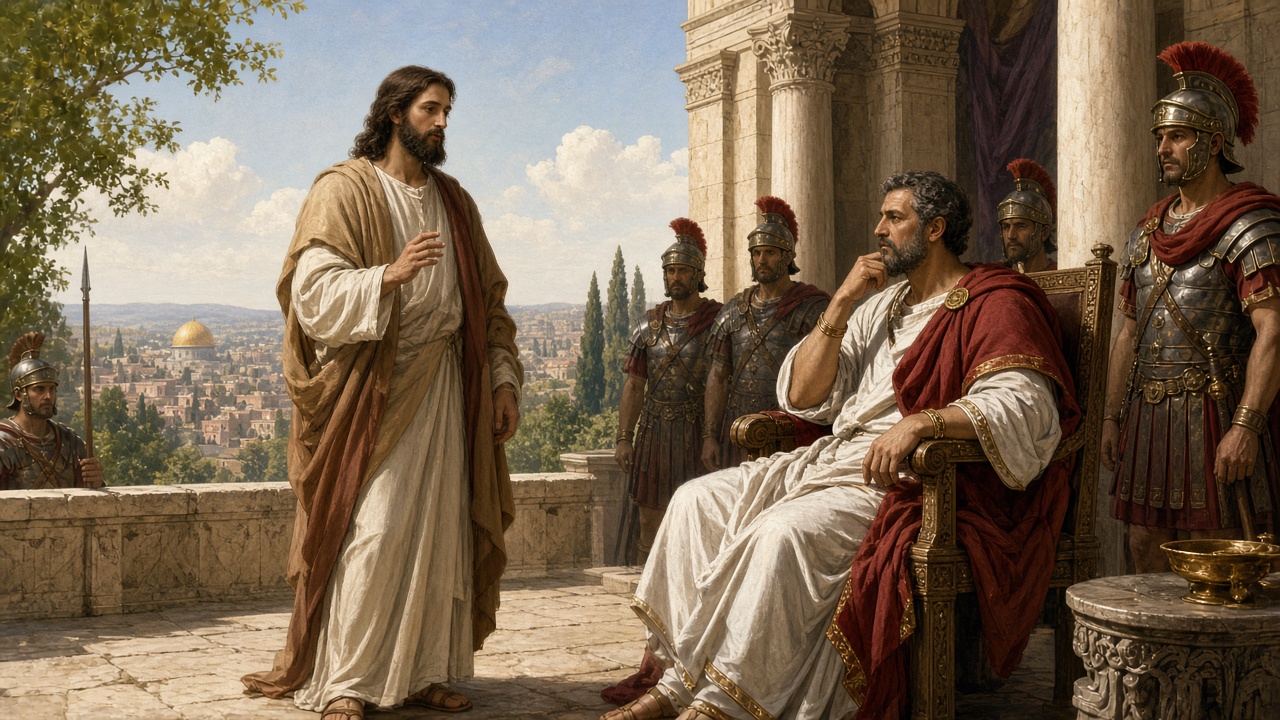
- La solemne exhortación de este capítulo recuerda que Cristo Jesús hizo la buena confesión en su testimonio ante Poncio Pilato. Pilato fue el sexto procurador romano de Judea, del 26 al 36 d.C., con sede en Cesarea, aunque subía con frecuencia a Jerusalén; su tiempo en el cargo abarcó los ministerios de Juan el Bautista y de Jesús, y su nombre se recuerda sobre todo en relación con el juicio de Jesús.Fuentes: el propio texto bíblico · Pontius Pilate
- El capítulo se dirige a Timoteo como hombre de Dios y le dice que guarde lo que le ha sido confiado. El nombre Timotheus significa honrar a Dios. Era un joven discípulo y compañero de Pablo en muchos viajes; su madre, Eunice, y su abuela, Loida, se mencionan como eminentes en piedad, y su padre era griego.Fuentes: el propio texto bíblico · Timotheus
Notas escritas con ayuda de IA a partir de fuentes abiertas (Theographic Bible Metadata, CC BY-SA 4.0; Easton’s Bible Dictionary, dominio público) y revisadas antes de publicarse.
Créditos y licencia de esta traducción
Autaahaatɨhomɨ Pɨwɨha Gaaha Wanɨha
The New Testament in the Angaataha language of Papua New Guinea
Nupela Testamen long tokples Angaataha long Niugini
copyright © 2004 Wycliffe Bible Translators, Inc.
Language: Angaataha
Translation by: PNG Bible Translation Association
This translation is made available to you under the terms of the
Creative Commons Attribution-Noncommercial-No Derivatives license 4.0.
You may share and redistribute this Bible translation or extracts from it in any format, provided that:
You include the above copyright and source information.
You do not sell this work for a profit.
You do not change any of the words or punctuation of the Scriptures.
Pictures included with Scriptures and other documents on this site are licensed just for use with those Scriptures and documents.
For other uses, please contact the respective copyright owners.
2012-11-17
Fuente: http://png.bible/agm/ · eBible.org