1 Timoteo 4
Autaahaatɨhomɨ Pɨwɨha Gaaha Wanɨha · Toca un versículo para ver sus referencias cruzadas.
Isɨhiya Pɨwɨha Jaipɨpa Isɨhiyaisɨ Katɨwunjohiyɨhiyaapɨ Nɨnɨ Wapa Kahɨtɨtandiyo
1Iyataatɨ amɨ pɨwɨha akaaha nahata nyahɨ newaatɨ isɨwatohɨhaapɨ Itɨpɨho Gaaho tɨtɨhɨ auta satise, asisɨha ipotɨhaiwetɨ isɨhiya kiyaamɨ Jisaasihopɨ gɨwunyaahohɨtɨhandɨ namaitaapo, tise. Iyataatɨ kiya itɨpɨho maipɨhaiwa kiyaisɨ pɨwɨha jaipɨpa kaundiwaiwa atiwɨ nepɨ kɨpɨwɨ japepihɨrɨwɨ isɨhiyaisɨ katɨwunjawaayopo. 2Saiwa isɨhiyaisɨ jaipɨpa katɨwunjohɨwiwa nehɨ isɨhiya jaipɨtɨwɨhiyaamɨhetɨ itɨpɨho maipɨhaiwa netɨ wɨwisɨhɨ kapɨhapɨ nasahaiwaare. Iyataatɨ isɨhiya siya kiyaamɨ amɨtɨha maarɨho gwɨnyaitaatɨwɨhandɨ saamipɨho maipɨho netɨ nanatɨ owemasɨhiyaare. 3Iyataatɨ isɨhiya siya satɨwɨ, isɨhiya wɨndɨ namaamaatɨwɨ amɨ nandapa wapa wipetahapa wɨndɨ gaamaahe, tɨwɨ itɨhɨtɨwɨ nisapupwɨ katɨwunjawaayopo. Amɨ kiya sandɨ maipɨhandɨ kiyawaayopo. Saiwa nyahɨ Autaahaatɨhopɨ gɨwunyaawaatɨ komɨ pɨwɨha akaaha nahata nehohiyɨhiyaanɨnɨ koaisɨ gaare undaatɨ maaritaatɨ newa kiyaatɨ nandɨhaawɨ Autaahaatɨho ahaihɨhaiwaare. 4Iyataatɨ nyahɨ aimɨ mmonaahiyaanɨne kahapaamapɨpa nehɨ gaahapaahɨhɨ Autaahaatɨho kiyatɨ ahaiho. Isɨ nyahɨ kapaamɨ wapaapɨ maipe taatɨ tipɨtapaawaatɨ newaamaamaitɨhaawo. Owetise. Amɨ nyahɨ nahataapaapɨ Autaahaatɨhoai gaare undaatɨ maaritaatɨ naitɨhaawo. 5Iyataatɨ amɨ nyahɨ Autaahaatɨho satisɨha, ‘nahataapa nɨnɨ ahiyohɨpɨpa gaahapaahɨhe,’ tisɨha newaatɨ gwɨnyaawaatɨ amɨ koaisɨ kapaapɨ nyahɨ gaare undaatɨ gaapundohɨtɨhanda kapa noaipatɨ Autaahaatɨhomɨ ndɨhetɨ gandaise nyahɨ naitɨhaawo.
Kɨnyɨ Kɨraisihomɨ Otɨpɨpatɨhoŋɨ Gaahoŋimatinɨhɨ Koŋɨnɨhɨ Kaimɨ Nutaapɨ Nɨnɨ Andɨtɨhiwataayo
6Iyataatɨ amɨ isɨhiya gisawɨ maawɨ Jisaasihopɨ gɨwunyaahohiyɨhiyaisɨ pɨwɨha wɨnɨhapɨpa kɨmaiwa kaundɨpɨ katɨpunjapaapaahɨ kɨnyɨ koŋɨnɨhɨ Kɨraisɨ Jisaasihomɨ otɨpɨpatɨhoŋɨ gaahoŋimatɨtaise. Amɨ saimbɨ otɨpɨpatɨhoŋɨ gaahoŋimatɨtaapɨ Autaahaatɨhomɨ pɨwɨha Jisaasihomɨ kaiwaiwaapɨha nyahɨ aposerɨhiyaanɨnɨ sahɨ isɨhiyaatangi tɨtɨhɨ biyaatɨ katawaasasonɨhɨ Autaahaatɨhomɨ isɨhiya nepɨ isɨwatohɨha kɨnyɨ nepɨ japepihɨringɨha nandapaamataimbɨ koŋɨnɨhɨ nanɨmɨ numwe. 7Aimbɨ mambɨ saisatoyaamɨ nehɨ pɨwaahaiwa Autaahaatɨhomɨhaiwaisɨ ipɨhatiwɨmapɨ isɨhiya nepɨ kanɨwɨ isɨwatohɨwaiwaisɨ nemapɨ nawɨsapɨ bitose. Aimbɨ kɨnyɨ Autaahaatɨhomɨhaiwa mmonɨpɨ nepɨ kaimbɨ bitose. 8Kahapaamapɨpa nyamɨ ambɨpatɨ gaatatɨ jɨtɨpatɨ gaahatɨ wɨnyaitɨtandɨ kiyohɨwaiwa gaahaiwaasɨ nyangisɨ masehonjɨ nyatatamanɨtaise. Iyataatɨ amɨ nyamɨ ambɨpatɨ maarɨho isɨwaatɨ Autaahaatɨhomɨhaiwa mmona newaatɨ kiyaatɨ bitotɨhaawaahɨ sandɨ apɨpaahɨ gaahande. O napaapono, sandɨ apɨpaahɨ akɨtɨnɨhɨ wanɨ maapɨ itatamanɨnaatɨ biyaatɨ bimɨtɨhaahandɨ nanyinyatɨ amɨ ipotɨ Autaahaatɨhoaisaatɨ apɨpaahɨ kiyaanɨnɨhɨ bimɨtɨhaahandɨ nanyamɨtandɨhandɨtihɨto. 9Pɨwɨha sa apɨpaahɨ akɨtɨnɨhɨ akaahaasɨ isɨhiya nahatiya atiwɨ nepɨ japepihɨrɨwɨ amɨ baiwɨ gwɨnyapendaatɨwɨhe. 10Iyataatɨ amɨ Autaahaatɨho satatɨ, ‘nɨnɨ isɨhiya nahatiyaisɨ japɨhɨ numwaatɨ iwinjatɨtando,’ tatɨ gwɨnyaatɨ amɨ aimɨ kopɨ gɨwunyaahohiyɨhiyaanangi japɨhɨ nanyamaatɨ nyainjatisɨhore. So Autaahaatɨho asohopɨ nyahɨ ko gaahaiwa siyatɨ saiwa kanyito taatɨ aimɨ gɨwunyaawaatɨ jatɨmɨ nohaawɨ sandapɨ nyahɨ waatɨ andɨta napawaamawa otɨpɨpa kopɨ kiyahaayo.
11Isɨ saiwa kahɨtohɨwiwa kɨnyɨ isɨhiyaisɨ wɨnɨhundɨpɨ kaundɨpɨ amɨ katɨpunje kiya japepihɨrɨwɨ kaito. 12Isɨhiya gisɨ gɨsonawaawɨ utaahoŋɨ waimwaahoŋɨtanɨhɨ kandapɨ kɨnyapɨ kiya satɨwɨ, ko nehɨ utaahoso, tɨwɨ ginjapɨ wɨndɨ maahɨsopɨse. Owetane. Isɨhiya gisɨ wɨndɨ samaahitaatɨwɨ kɨnyɨ isɨhiya Jisaasihopɨ gɨwunyaahohiyɨhiyaisɨ komɨhiyaametohɨrɨhɨretɨ nunje mmonda. Aimbɨ sandɨ kɨnyɨ pɨwɨha pɨwaatɨpɨ pɨwaundɨpɨ amɨ katingɨwaiwaaraahunɨ dahopaaraahunɨ maarɨho numwingɨtɨhandaahunɨ Autaahaatɨhopɨ gɨwunyaahingɨtɨhandaahunɨ amɨ tɨtɨhɨ gaahoŋɨ saasanotahoŋɨ bitohingɨtɨhanda isɨhiyaisɨ Jisaasihopɨ gɨwunyaahohiyɨhiyaametohɨrɨhɨretɨ nunje. 13Aimbɨ napisanɨhapɨ jatapaapɨ Jisaasihopɨ gɨwunyaahohiyɨhiyaatɨ ahoyanawaahura kɨnyɨ Autaahaatɨhomɨ pɨwɨha auta awɨtɨpɨ pɨwɨha isɨhiyaisɨ andɨtɨwiwɨtandɨha ausaapɨ kaundɨpɨ amɨ baiwɨ mmowɨ naitaatɨwɨ nesɨpapɨ katɨpunje. 14Iyapaapɨ Jisaasihomɨ isɨhiyaamɨ mɨtɨhiya gisɨ ikwɨrɨ ahɨngisauhɨ Autaahaatɨhomɨ Itɨpɨhoetapɨ gisɨ andɨtɨhiwɨtandɨhandɨ apɨpaahɨ nehɨ nahɨmindɨhandɨ sandɨ kɨnyɨ koŋɨnɨhɨ baimbɨ isɨwatapa kandaahɨ otɨpɨpatɨ kaime. 15Aimbɨ saiwa kaime hɨtɨtɨ nɨnɨ gisɨ kahɨtohɨwiwaatɨhɨ kɨnyɨ andɨtatɨ isɨsi nahatoŋɨ nandaapɨ katɨhɨ bitotapaapɨ japepihɨrɨpɨ kaime. Saisamɨhɨ kinyɨ otɨpɨpatɨ nga waatɨ awaipatɨ noaipapɨ niyonɨhɨ isɨhiya gisɨ gisondo. 16Iyataatɨ amɨ kinyɨ ambɨpatɨ baimbɨ isɨpɨ bitopɨ amɨ isɨhiyaisɨ katɨpunjingɨpɨpa baimbɨ mmonɨpɨ jatɨnɨpɨ katɨpunje. Aimbɨ saiwa andɨtitɨpɨ kɨnyɨ isɨwate. Sandɨ apaapɨmaato, amɨ kɨnyɨ siyapaapaahɨ kɨnyɨ kɨwahongisunɨ amɨ isɨhiya gisɨ atɨhisohiyɨhiyaisunɨ Autaahaatɨho netɨ jatatamanɨhonɨhɨ sahɨ noaipapɨ apɨpaahɨ komɨhiyaatimatɨtaatɨwɨto.
¿Sabías que…?
Falsa enseñanza y entrenamiento en la piedad
- El capítulo dice que el Espíritu declara expresamente que, en tiempos posteriores, algunos abandonarán la fe para seguir espíritus engañosos y enseñanzas de demonios. Estarán influidos por la hipocresía de mentirosos, cuya conciencia ha sido cauterizada con un hierro candente, y prohibirán el matrimonio y exigirán abstenerse de ciertos alimentos.Fuentes: el propio texto bíblico
- La carta responde a esas exigencias diciendo que Dios creó esos alimentos para que los reciban con acción de gracias quienes creen y conocen la verdad. Toda creación de Dios es buena, y nada de lo que se recibe con acción de gracias debe rechazarse, porque es santificado por la palabra de Dios y la oración.Fuentes: el propio texto bíblico
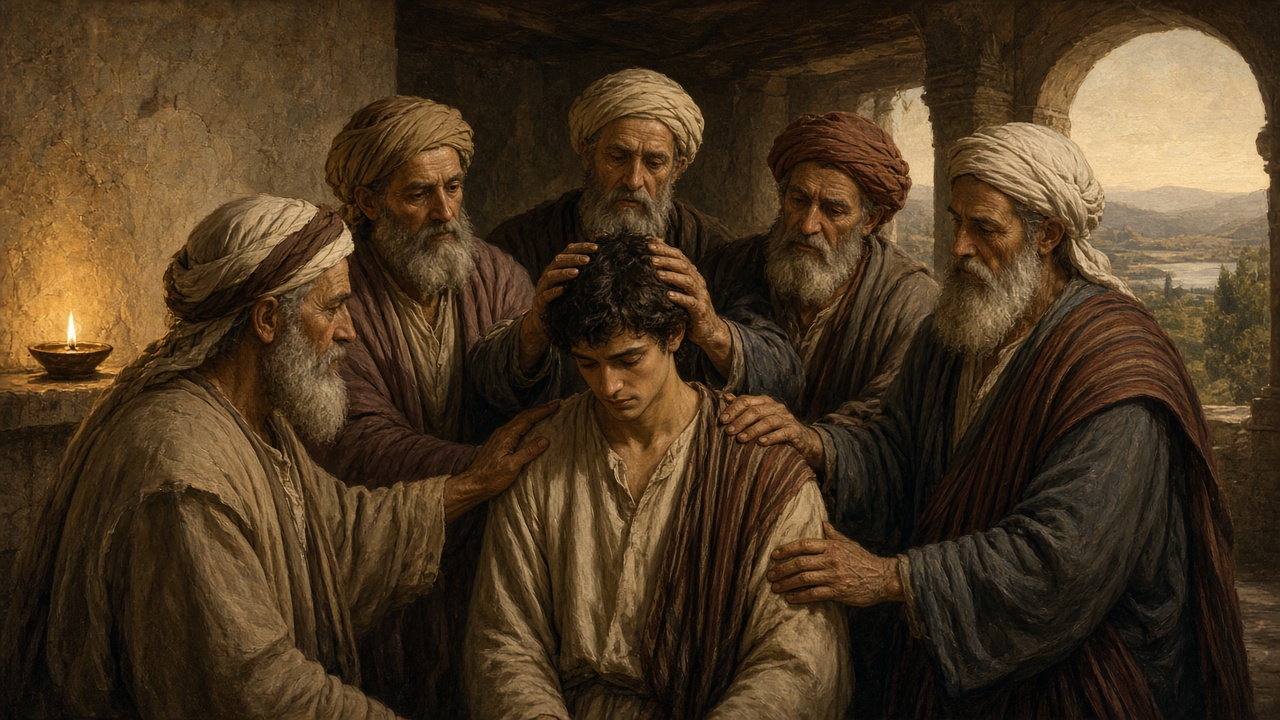
- El autor exhorta al joven a quien se dirige a no dejar que nadie menosprecie su juventud, sino a ser ejemplo en el habla, en la conducta, en el amor, en la fe y en la pureza. Hasta que el autor llegue, debe dedicarse a la lectura pública de las Escrituras, a la exhortación y a la enseñanza, y no descuidar el don que le fue dado mediante profecía, cuando los ancianos le impusieron las manos. El ejercicio físico, añade la carta, tiene un valor limitado, mientras que la piedad es valiosa en todo sentido y encierra promesa para la vida presente y para la venidera, un dicho que la carta llama digno de confianza y de plena aceptación.Fuentes: el propio texto bíblico
Notas escritas con ayuda de IA a partir de fuentes abiertas (Theographic Bible Metadata, CC BY-SA 4.0; Easton’s Bible Dictionary, dominio público) y revisadas antes de publicarse.
Créditos y licencia de esta traducción
Autaahaatɨhomɨ Pɨwɨha Gaaha Wanɨha
The New Testament in the Angaataha language of Papua New Guinea
Nupela Testamen long tokples Angaataha long Niugini
copyright © 2004 Wycliffe Bible Translators, Inc.
Language: Angaataha
Translation by: PNG Bible Translation Association
This translation is made available to you under the terms of the
Creative Commons Attribution-Noncommercial-No Derivatives license 4.0.
You may share and redistribute this Bible translation or extracts from it in any format, provided that:
You include the above copyright and source information.
You do not sell this work for a profit.
You do not change any of the words or punctuation of the Scriptures.
Pictures included with Scriptures and other documents on this site are licensed just for use with those Scriptures and documents.
For other uses, please contact the respective copyright owners.
2012-11-17
Fuente: http://png.bible/agm/ · eBible.org