Apocalipsis 7
Godɨndɨ Hoafɨ · Toca un versículo para ver sus referencias cruzadas.
God ai Israerɨhündɨ 144,000 nindou ranaheimbo sürü pamareandürɨ
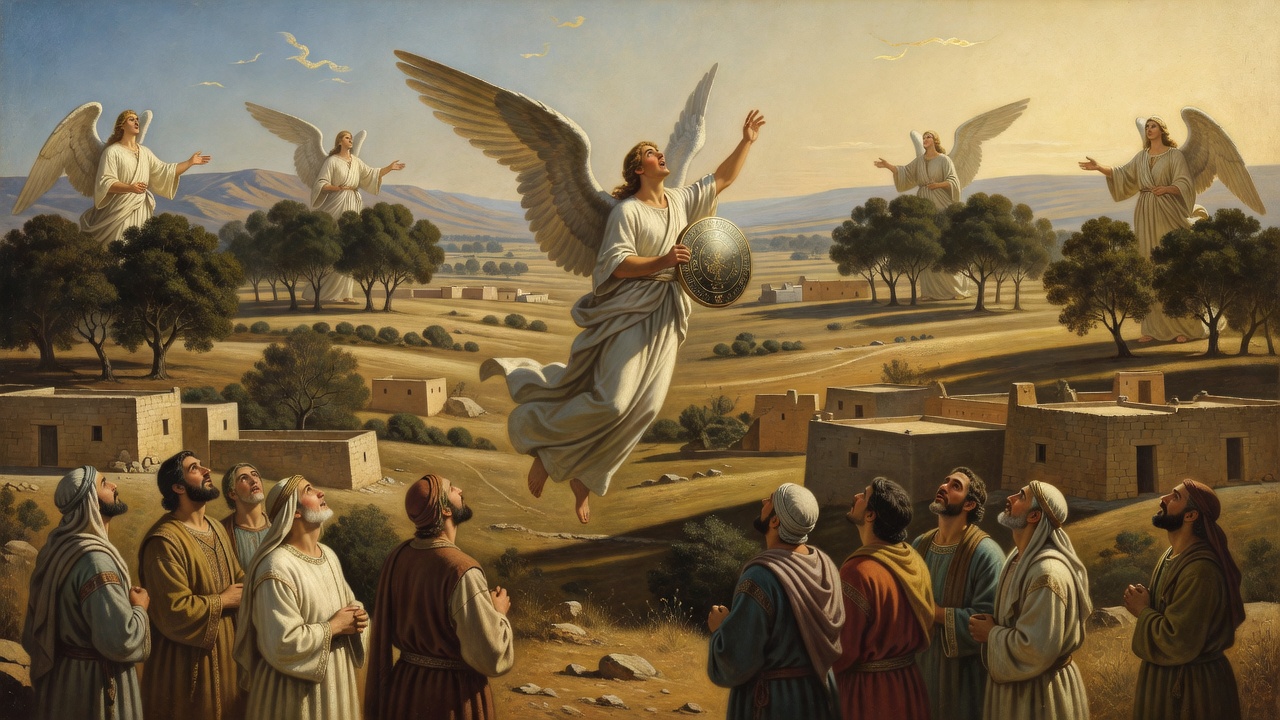
1Muŋguambo ranɨ-moatükunɨ ranai refehayambo-yoane, asu ro hoeirɨheandane, sünambeahɨndɨ nendɨ yimbuyimbu ranai hɨfɨ muŋguambo yimbuyimbu ranɨ hɨmboranɨ-kɨmɨ waranɨründümo manɨŋgomo. Ranɨyomo asu yimbuyimbu werɨ ra kɨkɨhɨründümo warambe manɨŋgomo. Rananɨmbo asu werɨ ranai ŋgɨrɨ mamɨ ai-amboanɨ hɨfɨ ranɨh-ane, sɨrɨwara ambe-ane, hoe-ane asu nɨmɨ ranɨwam-ane ra ŋgɨrɨ werɨndo yahomo houmbo. 2Ranɨyahɨ asu ro hoeirɨhinane, sünambeahɨndɨ nendɨ mamɨ ranai hüfɨhamɨndɨ süfuanɨpoedɨ God yaŋgɨrɨ nüŋgumbündɨ-mayo sürü pare-randeimbɨ semündü haya masüfu. Asu ranɨyu sünambeahɨndɨ nendɨ yimbuyimbu-memo sapo God ŋgɨnɨndɨ masagapura hɨfɨ asu sɨrɨwara moaruwai-mbofembo-memo ranahamumbo puküna mɨŋgɨyu hoafɨyuhü yahuya, “Awi se hɨfɨ, sɨrɨwara, asu nɨmɨ napo ranahambo nɨmai yowanɨ moaruwaimbo-fepoanɨ. Ŋga yɨhoefɨ Godɨndɨ ratüpurɨyei-rɨhündeimbɨ ranaheimbo ahei gɨrɨbodɨ hamɨndɨwamɨ sürü pare-randeimbɨnambo pandɨhundan-anɨmbo, se ranɨ moatükunɨ moaruwaimbo-ndundɨ,” mehu. 4Nindou ranaheifihɨ sürü apaiaro ra hɨmboyahane, 144,000-mayo. Nindou ranai ana 12 mamɨsɨrɨ Israerɨhündɨ-yei asu ai mamamɨ mamɨsɨrɨ ranambeahɨndɨ 12,000-yei.
5Sudandɨ sɨrambeahɨndɨ 12,000,
Rubenɨndɨ 12,000,
Gadɨndɨ 12,000,
6Asandɨ 12,000,
Naptarindɨ 12,000,
Manasendɨ 12,000,
7Simionɨndɨ 12,000,
Rifaindɨ 12,000,
Isakarɨndɨ 12,000,
8Seburunɨndɨ 12,000,
Sosepɨndɨ 12,000
asu Bensaminɨndɨ 12,000.
Ranɨ nindou ranaheimboyo God ai wand-anei yahu sürü pamareandɨ.
Nindou Afɨndɨ ai Godɨmbo hohoanɨmoyeihɨ aboed-ani sei arɨhündɨ
9Ranɨ-moatükunɨ ranai refehayambo-yoane, asu asükaiya hoeirɨheandane, nindou afɨndɨ hamɨndɨ ranai manɨmboei asu ranaheimbo ŋgɨrɨ mamai amboa tapuindürɨ. Nindou ranai ana muŋguambo hɨfɨhündɨ, muŋguambo sɨrɨ, muŋguambo fi-hoearɨ, asu muŋguambo hoafümbɨ-yei manɨmboei. Ai Godɨndɨ nɨmarɨfondɨ Sipsip Nɨmorɨ-mayu ranahandɨ haŋgɨfoanɨ-yei kɨfohɨ hoearɨ yihuruyei mburɨhü asu hɨhɨfɨ-hɨhɨfɨyeihɨ mbeyemü waramberɨhümündi hehi burɨmayei. 10Ai puküna hoafɨyeihɨ seiya,
“Yɨhoefɨ God ai adükarɨ bogorɨndɨ nɨmarɨ-fondɨwamɨ amaru
asu Sipsip Nɨmorɨ-dɨbo yɨhoefɨmbo aboedambo-rɨneamunɨ arɨnandɨ,”
masei. 11Sünambeahɨndɨ nendɨ muŋguambo ai bogorɨ nindou-yomo asu yaŋgɨrɨ noŋgoweimbɨ moatükunɨ yimbuyimbu-mayei ranɨyei ai Godɨndɨ nɨmarɨ-fondɨ ranahambo wakɨrɨhi hehi burɨmayei. Ranɨyei asu ai Godɨndɨ nɨmarɨ-fondɨ ranɨ haŋgɨfoanɨ pütapɨyei amoyareimbo Godɨmbo hohoanɨmo-rɨhorühɨ aboed-ani masahündo. 12Ai seiya,
“Anɨhond-ane!
Yɨhoefɨ God ranahambo hoafɨyefɨhüya,
‘Ai hɨmboamupui-randeimbɨ,
aboedɨ fɨfɨreandeimbɨ,
ndürɨ adükarümbɨ,
asu hɨfandɨmbo ŋgɨnɨndeimb-ani.
Koadürümbo koadürümbo ahambo hɨhɨfɨndɨhurühɨ aboed-ani,’ mbɨsefɨmboane,”
masei.
13Ranɨyo asu boagɨrɨ mamɨ ai wambo hoafɨyundɨrühɨ yahuya, “Nindou dɨdɨyei hoandarɨ hoearɨ kɨfohɨ ra güdɨmarɨhinda? Ai nahanɨ-poedɨyeia?” mehu. 14Ro sɨmborɨ hoafɨyahɨndowohü sahɨya, “Ape, se fɨfɨrarowandɨ,” masahɨ.
Ai yahuya, “Nindou ranai tɨŋɨrɨfoyo asu asübusɨ afɨndɨ ranambeahɨndɨ aboedambo tükümehindɨ.
Ai Sipsip Nɨmorɨndɨ horambe ahei hoandarɨ hoearɨ boboemarɨ-hünda kɨfohɨmayo.
15Ranɨmbo-hündamboane, ai Godɨndɨ nɨmarɨ-fondɨ haŋgɨfoanɨ anɨmboei.
Ai ahandɨ worambe nɨmbɨ-nɨmbɨsi ratüpurɨyei arɨhündɨ.
16Ai ŋgɨrɨ asükaindei wembombondei asu amɨndanɨŋo-mbondei.
Hüfɨhamɨndɨ ranai ŋgɨrɨ aheimbo tagɨndandürɨ,
asu hüfü amboa ŋgɨrɨ tagɨndandürɨ.
17Nɨmboe sapo sipsip nɨmorɨ adükarɨ bogorɨndɨ nɨmarɨ-fondɨ mbusümondühɨ anüŋgu
ai ahei hɨfandɨrandürɨ-randeimbɨ-ndümbui.
Ai aheimbo ndemündündürɨ ŋgu yaŋgɨrɨ nɨŋgombo hoe sowahɨ tükündahimboyei.
Asu God ai ahei hɨmboar-ambeahɨndɨ aranɨhɨmboaho gedüherümbui,”
mehu.
¿Sabías que…?
Las tribus selladas y la gran multitud
- Apocalipsis 7 presenta el número de los sellados como 144,000, doce mil de cada una de las tribus de Israel nombradas en el capítulo. Israel era otro nombre de Jacob, el segundo de los hijos gemelos de Isaac y Rebeca; el Easton's Bible Dictionary (1897) explica el nombre de Jacob como alguien que sigue los talones de otro, o un suplantador.Fuentes: el propio texto bíblico · Jacob (Israel)
- Aunque Rubén era el hijo mayor de Jacob y Lea, la lista de los sellados comienza con Judá y luego nombra a Rubén. La lista incluye también tanto a José como a Manasés; Manasés era el hijo mayor de José, y Jacob lo adoptó a él y a su hermano Efraín como hijos propios.Fuentes: el propio texto bíblico · Reuben · Manasseh (son of Joseph)
- Después del sellado, la visión muestra una multitud demasiado grande para contarse, de toda nación, tribu, pueblo y lengua, de pie ante el trono y el Cordero, con vestiduras blancas y ramas de palma en las manos. Uno de los ancianos dice que han salido de la gran tribulación y han lavado sus vestiduras, dejándolas blancas en la sangre del Cordero.Fuentes: el propio texto bíblico
Notas escritas con ayuda de IA a partir de fuentes abiertas (Theographic Bible Metadata, CC BY-SA 4.0; Easton’s Bible Dictionary, dominio público) y revisadas antes de publicarse.
Créditos y licencia de esta traducción
Godɨndɨ Hoafɨ
The New Testament in the Angor language of Papua New Guinea
Nupela Testamen long tokples Angor long Niugini
Copyright © 2001 The Bible Society of Papua New Guinea
Language: Angor
Contributor: Wycliffe Bible Translators
This translation is made available to you under the terms of the
Creative Commons Attribution-Noncommercial-No Derivatives license 4.0.
You may share and redistribute this Bible translation or extracts from it in any format, provided that:
You include the above copyright and source information.
You do not sell this work for a profit.
You do not change any of the words or punctuation of the Scriptures.
Pictures included with Scriptures and other documents on this site are licensed just for use with those Scriptures and documents.
For other uses, please contact the respective copyright owners.
2013-01-07
Fuente: http://png.bible/agg/ · eBible.org