1 Timoteo 2
Ri utzilaj tzij re ri kanimajawal Jesucristo · Toca un versículo para ver sus referencias cruzadas.
Pixabꞌanik chwi ri oración
1Kantzꞌonoj kꞌu chawe chabꞌiꞌij waꞌ che rutinamit ri Dios: Lik chirajawaxik wi kaqaꞌan orar chwach ri Dios. Echiriꞌ kojchꞌaꞌt rukꞌ, e chojelaj chwach Rire pakiwi konoje ri tikawex chaꞌ kuya chike ri lik kajawax che ri kibꞌinik kisilabꞌik, yey qatioxij ronoje che. 2Qaꞌana orar pakiwi taq ri e taqanelabꞌ y pakiwi konoje taq ri e aj wach che ruwachulew chaꞌ jelaꞌ utz koj-jeqiꞌ chi utzil chomal y kojbꞌin jusukꞌ rukꞌ jun saqil bꞌinik silabꞌik chwach ri Dios. 3Lik kꞌu qaꞌana orar ma waꞌ e lik utz y e kukꞌul ukꞌuꞌx ri Dios Qakolobꞌenel, 4ma ri karaj Rire e kekolobꞌetaj konoje ri tikawex y kaketaꞌmaj chi utz ri Qꞌijsaq. 5Ma xa jun ri Dios kꞌolik yey xa jun ri kꞌo puqꞌabꞌ kachꞌaw paqawiꞌ chwach ri Dios; waꞌ e ri Qanimajawal Jesucristo, Ralaxel Chikixoꞌl Tikawex. 6Rire xuya ribꞌ pa kamik quma riꞌoj oj tikawex chaꞌ kutoj ri qamak y kojresaj puqꞌabꞌ Ritzel; yey waꞌ xqꞌalajisax pa ruqꞌijol uchꞌobꞌom chi lo ri Dios. 7E ruma waꞌ, riꞌin in chaꞌtal lo ruma ri Dios re kantzijoj ri Utzilaj Tzij y kinuꞌan kꞌu in taqoꞌn yey in kꞌutunel chikiwach ri na e ta aj Israel chaꞌ jelaꞌ kakubꞌiꞌ kikꞌuꞌx rike rukꞌ ri Cristo y kakikoj ri Qꞌijsaq. Lik qatzij wa kambꞌiꞌij che alaq, ma in re ri Cristo y na kanꞌan ta raqꞌubꞌal.
8Ri kuaj riꞌin e konoje taq rachijabꞌ, tobꞌ pa e kꞌo wi, xaqi kiꞌana orar chwach ri Dios. Yey echiriꞌ kakiyak kꞌu ri kiqꞌabꞌ re kakiꞌan orar, ri lik chirajawaxik wi e jusukꞌ ri kibꞌinik kisilabꞌik, na jinta oyowal pa kanimaꞌ y na kechꞌoꞌjin ta chikiwach.
Pixabꞌanik chwi ri saqil kibꞌinik rixoqibꞌ
9Ri nupixabꞌanik chike taq rixoqibꞌ e kiwiqa kibꞌ chi usukꞌlikil. Makikꞌut kꞌu ri kicuerpo yey makiwiq kibꞌ xa re yakbꞌal kiqꞌij. Ma ¿saꞌ ri kuꞌan chom che rixoq? ¿E nawi ri wiqital rukꞌ oro y rukꞌ perlas? ¿E nawi uchomalil laꞌ ri kiwiqibꞌal? Na e taj, 10ma ri kichomalil e ri chomilaj chak kakiꞌan chwach ri Dios, jelaꞌ pachaꞌ ri taqal chike rixoqibꞌ kakiloqꞌnimaj uqꞌij Rire.
11Echiriꞌ kakꞌut Rutzij Upixabꞌ ri Dios chikiwach rixoqibꞌ, lik chirajawaxik rike xew kakito y makikꞌul uwach. 12Riꞌin na kanya ta luwar chike rixoqibꞌ kebꞌuꞌan e aj kꞌutunel chikiwach rachijabꞌ o ketaqan pakiwiꞌ; ma ri lik ubꞌe e xa kakito. 13Ma ri Dios nabꞌe e xuꞌan ri Adán, tekꞌuchiriꞌ xuꞌan ri Eva. 14Yey na e ta ri Adán ri xsokotaj nabꞌe ruma ritzel, e ri Eva; y echiriꞌ xsokotajik, e xupalajij rutzij ri Dios. 15Na rukꞌ ta kꞌu riꞌ, ri Dios kebꞌukolobꞌej rixoqibꞌ y kuya kalkꞌoꞌal chaꞌ kekikꞌiyisaj. Kekolobꞌetaj kꞌu riꞌ we ketikiꞌ chi utz rukꞌ ri kubꞌulibꞌal kikꞌuꞌx, ri rutzil kikꞌuꞌx y ri santowilaj kibꞌinik.
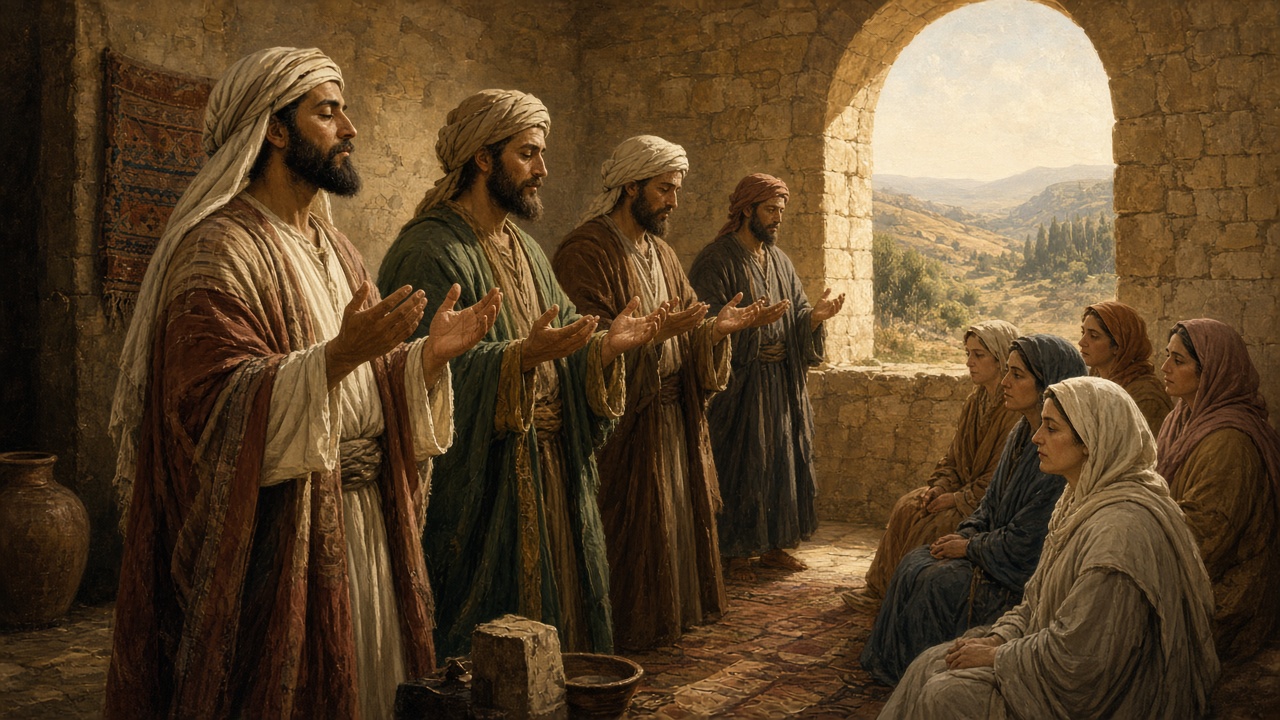
¿Sabías que…?
Oración, adoración modesta y Adán y Eva
- Este capítulo exhorta a que se ofrezcan peticiones, oraciones, intercesiones y acciones de gracias por todas las personas, incluidos los reyes y todos los que están en autoridad, para que los creyentes puedan llevar una vida tranquila y sosegada, con toda piedad y dignidad. También dice que hay un solo Dios y un solo mediador entre Dios y los hombres, el hombre Cristo Jesús, que se entregó como rescate por todos.Fuentes: el propio texto bíblico
- Cuando la carta dice que Adán fue formado primero, y después Eva, apela al primer hombre del Génesis. El Easton's Bible Dictionary (1897) explica que Adán es una palabra babilónica que significa 'rojo', el nombre genérico de hombre, con el mismo sentido en hebreo y en asirio, y que fue formado del polvo de la tierra.Fuentes: el propio texto bíblico · Adam
- La carta dice que no fue Adán quien fue engañado, sino la mujer, que fue engañada y cayó en transgresión. El Easton's Bible Dictionary (1897) dice que Eva significa 'vida' o 'viviente', el nombre que Adán dio a su esposa, y que el relato de su creación se encuentra en Génesis 2:21-22.Fuentes: el propio texto bíblico · Eve
Notas escritas con ayuda de IA a partir de fuentes abiertas (Theographic Bible Metadata, CC BY-SA 4.0; Easton’s Bible Dictionary, dominio público) y revisadas antes de publicarse.
Créditos y licencia de esta traducción
Ri utzilaj tzij re ri kanimajawal Jesucristo
New Testament in Achi Rabinal; acr (GT:acrN:Achi)
copyright © 2009 Wycliffe Bible Translators, Inc.
Language: Achi
Dialect: Rabinal
Translation by: Wycliffe Bible Translators, Inc.
Copyright Information
© 2009, Wycliffe Bible Translators, Inc. All rights reserved.
This translation text is made available to you under the
terms of the Creative Commons License: Attribution-Noncommercial-No Derivative Works.
( http://creativecommons.org/licenses/by-nc-nd/3.0/ )
In addition, you have permission to port the text to different file formats, as long as you
do not change any of the text or punctuation of the Bible.
You may share, copy, distribute, transmit, and extract portions
or quotations from this work, provided that you include the above copyright
information:
You must give Attribution to the work.
You do not sell this work for a profit.
You do not make any derivative works that change any of the actual words or punctuation of the Scriptures.
Permissions beyond the scope of this license may be
available if you contact
us with your request.
The New Testament
in Achi
© 2009, Wycliffe Bible Translators, Inc. All rights reserved.
This translation is made available to you under the terms of the
Creative Commons Attribution-No Derivatives license 4.0.
You may share and redistribute this Bible translation or extracts from it in any format, provided that:
You include the above copyright and source information.
You do not make any derivative works that change any of the actual words or punctuation of the Scriptures.
Pictures included with Scriptures and other documents on this site are licensed just for use with those Scriptures and documents.
For other uses, please contact the respective copyright owners.
2014-04-18
Fuente: http://ebible.org/acrNNT/ · eBible.org