Romanos 15
I 'utz laj tzij re i dios · Toca un versículo para ver sus referencias cruzadas.
Cha ʼana i ʼutz chiquiwach awachalal
1Yoj chi jiquil ka cʼux chuwach i Dios, ʼo u chac ʼo u nimal ka cʼux chique i n-kas ta jiquil qui cʼux, tobal na que ruʼ wach tak i que cʼachir che. Maka ʼan tak i xui cu maj ka wach yoj. 2Chaka jujunal yoj, ʼo u chac caka ʼano pacha i ʼutz quiquil i kachalal. Queje ile chaka ʼana, tobal-que che i qui cʼaslemal chuwach i Dios, xak jicsa-bal-que piqui cʼux. 3Chaka ʼana pacha xu ʼan i Crísto. Ire n-xu ʼan taj pacha i toʼ xraj ire. Xui xu ʼano pacha xraj i u Kajaw, tobal ke yoj. Xu chʼijo pacha i tzij-i chi tzʼibtal can chupam u wuj i Dios: “Are xat qui yoʼya, chwij yin xtzak wi i yoʼyanic-le.” (Queje ile tzʼibtalic.) 4Niʼpa i tzʼibtal can chupam u wuj i Dios, are tijojbal ke yoj. Tzʼibtal canok, man cu tobej-ke che u nimal ka cʼux, xak cu yabej u cowil ka cʼux. Rumal ile, cul ka cʼux che chi lic caka rik ni kelbal chi sak. 5Ruʼ i Dios ca pe wi i u nimal ka cʼux, xak i u cowil ka cʼux. Quin tzʼonoj che ire, chi quix u to na, chi junam i wach junam i cʼux ix ʼolok, rumal i terejic yix chirij i Jesucrísto. 6Queje ile quin tzʼonoj che, man iwonojel yix, junam i wach, qui coj ni u ʼij i Dios chi are i u Kajaw i Kajwal Jesucrísto.
I ʼutz laj tzij bital chique i ne te aj Israel
7Rumal ʼuri chiwaj iwib chiwach; chi cʼulaj iwib chiwach, xak jun ruʼ pacha i Crísto are xoj u cʼulaj ruʼ. Queje ile chi ʼana, cojbal re u ʼij i Dios. 8Quin bij chiwe, queje ile chi ʼana man i Jesucrísto xoʼon ajchac che rib chiquij i aj Israel winak. Xcʼunic, ʼanbal-re chique pacha u bim i Dios chique can i loʼlaj katit ka mam ujer; xcʼunic cu cʼutbej re chi Dios lic cu ʼan na pacha i u bim canok. (U bim can chique chi cu tak li jun tolque, ile are i Crísto xcʼunic.) 9Xui-ri, n-xui ta cumal i aj Israel winak xcʼunic, xak cumal i ne te aj Israel winak. Xraj ire chi xak ique quiqui cʼamwaj quiqui tioxij che i Dios, man xril toʼbal qui wach. Chupam u wuj i Dios, queje iri tzʼibtalic:
Rumal-i, quin bij a ʼij chiquixol i ne te aj Israel;
quin bixaj tak i bix, cojbal re a ʼij.
(Queje ile tzʼibtalic.) 10Xak cu bij jun chic tzij:
Yix chi n-ix ta aj Israel winak, xak chix quicot junam cuʼ i je chatal rumal i Dios.
(Queje ile tzʼibtalic.) 11Xak cu bij jun chic tzij:
Chi bij ni u ʼij i Kajwal, yix chi n-ix ta aj Israel winak.
Chi bij chi lic nim u ʼij, iwonojel yix, xa bi chi ix winakil.
(Queje ile tzʼibtalic.) 12Xak ʼo chic jun tzij; xu bij i mam Isaías:
Coʼon panok, ca ʼel na jun chique u muk u xiquin i ma David, chi u cʼojol can i mam Isai;
ca yaʼ ni u patan piquiwi i ne te aj Israel winak.
I winak-le, cul ni qui cʼux che chi quiqui tij ni ʼutz rumal ire.
(Queje ile tzʼibtalic.)
13Ruʼ i Dios ca pe wi i nabal-re pa ka cʼux chi cakil na wach i cu sujuj chake. Quin tzʼonoj che ire lic quix u quicotsaj, xak cu ya ni uxlambal i cʼux, rumal u cubibal i cʼux che ire. Yix, cul i cʼux che chi qui rik na wach u sujum i Dios chiwe. Quin tzʼonoj che, chi rumal i u Tewal i Dios, ca cowir u cubibal i cʼux-le.
14Yin, wachalal, cul in cʼux chiwe chi lic nim i rutzil i cʼux chique conojel, xak lic iwetaʼam wach i rajwaxic che i be re i Dios; rumal-i quix tiqui chu yaʼic i nojbal chiwach. 15Xui-ri, wachalal, xin cowij jubiʼ in wach chu tzʼibaxic i tzij-i chiwe; xin ʼano man n-qui sach ta chi cʼux i tzij cʼut-tal chiwe. Quin ʼano man are in patan chi yatal chwe rumal i utzil chomal re i Dios. 16In u takom, chi in ajbil u tzij i Jesucrísto chique i ne te aj Israel winak; in patan are u bixquil chique wach i ʼelbal chi sak chi u yijbam i Dios. Queje ile quin ʼano quin yabej-que chuwach i Dios pacha jun sipon ʼutz crilo, jun sipon chi ʼantal chom che rumal u Tewal.
17I in chac chi u yom i Dios chwe, chom ca tijin relic quin bij yin, péro xa rumal i Jesucrísto chi ca tijin chin toʼic. 18Yin, we ʼo i quin cowij in wach chu bixquil, xui quin bij ile chi u ʼanom i Jesucrísto ruʼ in ʼab yin, ʼanbal-re chique i ne te aj Israel chi que cojon ique che i Dios. Iri, ʼantajnak ruʼ tak in tzij, xak ruʼ wach tak in ʼanom. 19I nimak tak ʼanic, nimak tak milágro chi in ʼanom, xa ruʼ u choʼab i u Tewal i Dios in ʼanom wi. Lic in paxsam u tzijol wach i ʼelbal chi sak rumal i Jesucrísto. Naj in paxsam wi; xin jek u bixquil pa Jerusalen, teʼuri xak xin bij pa tak aldéa chila, teʼuri xin ʼe cʼa pa jyub Ilírico. 20Queje ile xin tij in ʼij chu bixquil pa n-paxsam ta wi u tzijol chi ʼo i ʼelbal chi sak rumal i Crísto. N-are ti in patan yin u bixquil u tzij i Crísto pa bital wi chic. 21Cwaj yin queʼelok pacha i tzij-i chi tzʼibtal chupam u wuj i Dios:
Niʼpa i n-qui tom ti u tzijol i Kajwal, quiqui ta na;
niʼpa i n-qui tom taj, quiqui ta ni u be.
(Queje ile tzʼibtalic.)
I ma Páblo craj ca ʼe cʼa Róma
22Qʼuial mul xwaj i solixic yix, péro rumal in chac-le, n-xin tiqui ta che. 23Woʼor ya xin utzin chu solixic niʼpa tak i jyub chi in bim-le. Rumal-i, ya quin ʼano pacha cwaj te li ujer chi quin upon iwuʼ. 24In chʼobom chi quin icʼaw na iwuʼ are quin ʼe cʼa Espáña; we xix icʼaw wila, mok quin i to jubiʼ che wach i rajwaxic chwe, ʼanbal re in viáje. Teʼuri quin quicotic quin ʼec, man rilom chic rib ka wach iwuʼ. 25Xui-ri woʼor, ʼo u chac quin ʼe Jerusalen, quin cʼambej bi re jubiʼ mer chi moltajnak, tobal-que i kachalal chila. 26I kachalal pa Macedónia, xak pa Acáya qui chʼobom chi que qui to pan i kachalal je nibaʼ pa Jerusalen. 27Xqui na ique chi ʼutz que qui to, man i ne te aj Israel winak pacha ʼo qui cʼas cuʼ i kachalal chi je aj Israel winak, man ique xe cʼutuw i ʼutz laj tzij re i Dios chique i ne te aj Israel. Rumal-i, woʼor ique ca majawic quiqui jach jubiʼ ubitak-que chique i kachalal aj Israel-le. 28We xutzin in chac-le, we xqʼuis u jachic i sipon chique, teʼuri quin maj in be cʼa Espáña. Are ʼuri quin icʼaw iwuʼ. 29Are quin upon iwuʼ, wetaʼam chi lic nim i utzil chomal re i Crísto ca pe na pakawi junam iwuʼ.
30Wachalal, lic quin tzʼonoj utzil chomal chiwe chi quin i to ruʼ in chac re i Dios; chi tzʼonoj che i Dios pinwi rumal re i Kajwal Jesucrísto, xak rumal i cʼaxnabal ka cʼux chi u yom i u Tewal i Dios chake. 31Chi tzʼonoj che i Dios, quin u to na chiquiwach i aj Judéa winak chila, chi n-cacaj tu cojic u tzij i Crísto. Xak chi tzʼonoj che i Dios puwi i mer chi quin cʼam bi chique i kachalal aj Jerusalen, chi ʼutz u cʼamic quiqui ʼano. 32We queje queʼel ile, quin quicotic quin upon iwuʼ. We craj i Dios, quin uxlan jubiʼ iwuʼ. 33I Dios chi cu ya i uxlambal ka cʼux, quin tzʼonoj che, chi ʼo na iwuʼ yix. Amen (queje ile cwaj).
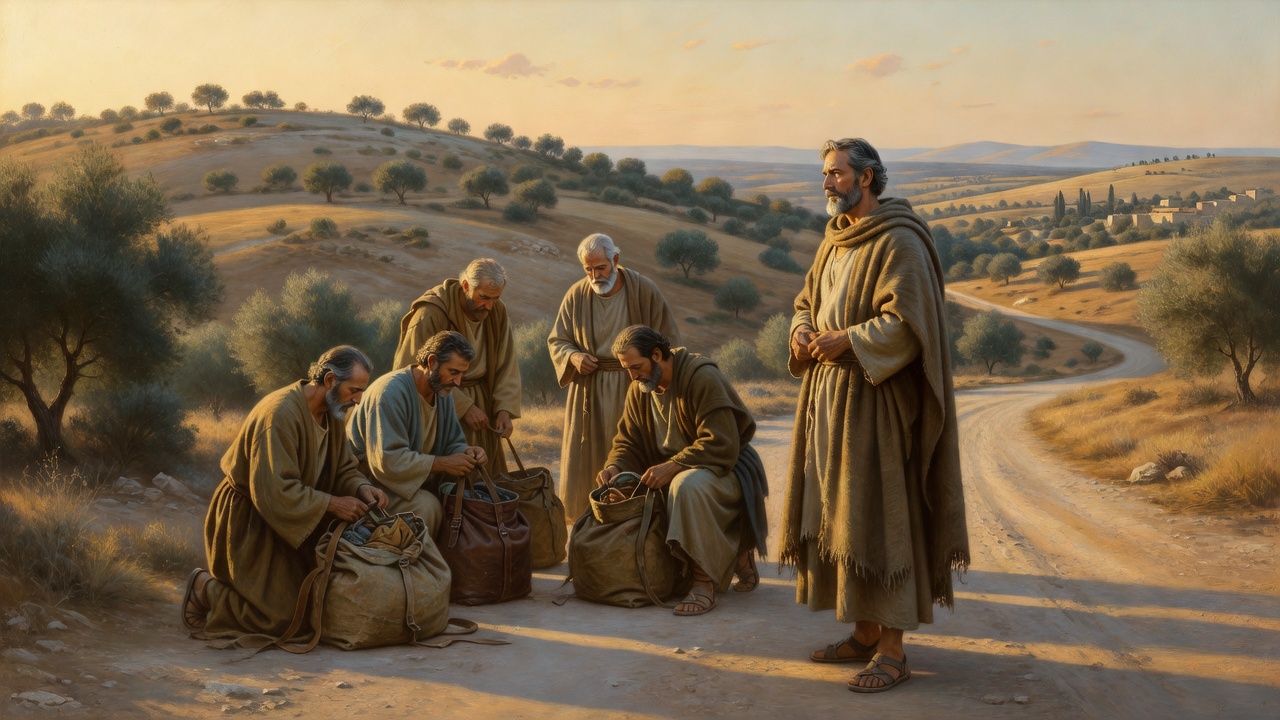
¿Sabías que…?
La esperanza de los gentiles y el camino hacia el oeste
- Pablo escribe que ha proclamado plenamente el evangelio de Cristo desde Jerusalén, dando toda la vuelta hasta Ilírico. El diccionario bíblico de Easton (1897) sitúa esa región al noroeste de Macedonia, en las costas orientales del Adriático, y la describe como entonces comprendida casi por completo en Dalmacia; dice que la recorrió en su tercer viaje misionero, que fue el distrito más lejano al que había llegado predicando, y que un viaje por Macedonia lo habría llevado hasta sus fronteras.Fuentes: el propio texto bíblico · Illyricum
- Espera ver a los creyentes de Roma de camino a España y, después de entregar en Jerusalén la contribución de Macedonia y Acaya, partir hacia España pasando por ellos. El diccionario bíblico de Easton (1897) registra esa intención, pero señala que no hay evidencia de que la haya llevado a cabo, aunque algunos piensan que probablemente lo hizo entre su primer y su segundo encarcelamiento.Fuentes: el propio texto bíblico · Spain
- Citando a Isaías, dice que la Raíz de Isaí aparecería y se levantaría para gobernar a los gentiles, y que los gentiles pondrían en él su esperanza. Isaí fue el padre de David, y el diccionario bíblico de Easton (1897) dice que la expresión raíz de Isaí se usa para el Mesías, mientras que tallo de Isaí se usa para la familia de David.Fuentes: el propio texto bíblico · Jesse
Notas escritas con ayuda de IA a partir de fuentes abiertas (Theographic Bible Metadata, CC BY-SA 4.0; Easton’s Bible Dictionary, dominio público) y revisadas antes de publicarse.
Lugares de este capítulo
- Illyricum · 43.539, 16.483 · versículo 19
- Jerusalem · 31.777, 35.234 · versículos 19, 25, 26, 27, 31
- Rome · 41.892, 12.485 · versículo 24
- Spain · Hoy: Hispania · 40.210, -4.350 · versículos 24, 28
- Achaia · 38.720, 22.540 · versículo 26
- Macedonia · 41.600, 22.540 · versículo 26
- Judea · Hoy: Judea 1 · 31.777, 35.234 · versículo 31
Solo aparecen lugares identificados con alta confianza (90 % o más según las fuentes académicas reunidas por OpenBible). Mapa de la época: DARE (Digital Atlas of the Roman Empire), CC BY 4.0; mapa actual: © colaboradores de OpenStreetMap; lugares: OpenBible.info (CC BY 4.0).
Créditos y licencia de esta traducción
I 'utz laj tzij re i dios
New Testament in Achi (I 'utz laj tzij re i dios)
copyright © 2009 Wycliffe Bible Translators, Inc.
Language: Achi
Dialect: Cubulco
Translation by: Wycliffe Bible Translators, Inc.
Achi, Cubulco
Achi' is a Mayan language very
closely related to K'iche' (Quiché in the older orthography). It is spoken by the
Achi people, primarily in the area of Baja Verapaz in Guatemala. There are two Achi'
dialects. Cubulco Achi' is spoken by approximately 48,000 people in the Cubulco area
west of Rabinal area. Rabinal Achi' is spoken by approximately 37,000 people in the
Rabinal area.
El Nuevo Testamento
en el idioma Achí de Cubulco de
Guatemala
Ediciones anteriores
Segunda edición
©2009, Wycliffe Bible
Translators
Primera edición
Publicado por
©1984, Sociedad Bíblica
Internacional
Copyright Information
© 2009, Wycliffe Inc. All rights reserved.
This translation text is made available to you under the terms of the Creative
Commons License: Attribution-Noncommercial-No Derivative Works. ( http://creativecommons.org/licenses/by-nc-nd/3.0/ ) In addition, you have
permission to port the text to different file formats, as long as you do not change
any of the text or punctuation of the Bible.
You may share, copy, distribute, transmit, and extract portions or quotations from
this work, provided that you include the above copyright information:
You must give Attribution to the work.
You do not sell this work for a profit.
You do not make any derivative works that change any of the actual words or
punctuation of the Scriptures.
Permissions beyond the scope of this license may be available if you contact us
with your request. If you want to revise a translation, use a translation in an
adaptation, or use a translation commercially, we will consider your request.
NT:segunda edición
The New Testament
in Achi
© 2009, Wycliffe Inc. All rights reserved.
This translation is made available to you under the terms of the
Creative Commons Attribution-Noncommercial-No Derivatives license 4.0.
You may share and redistribute this Bible translation or extracts from it in any format, provided that:
You include the above copyright and source information.
You do not sell this work for a profit.
You do not change any of the words or punctuation of the Scriptures.
Pictures included with Scriptures and other documents on this site are licensed just for use with those Scriptures and documents.
For other uses, please contact the respective copyright owners.
2013-01-05
Fuente: http://ebible.org/acr-acc/ · eBible.org