Mateo 26
I 'utz laj tzij re i dios · Toca un versículo para ver sus referencias cruzadas.
Wach u chapic i Jesus xqui chʼob i nimak tak mamʼib
1I Jesus, are xutzin u bixquil ile chique, teʼuri xu bij chique u tijoxelab:
2—Iwetaʼam yix, xa queb ʼij chic craj, ca cʼun i nimaʼij páscua. Are ʼuri yin, chi in Achi aj Chicaj quin jachtaj na piquiʼab i je aj chʼoʼoj chwij man quin qui camsaj chuwach cruz —xu bij chique.
3Xak che i ʼij-le, xqui mol quib i ajwab sacerdóte, xak i je tijonel re i ʼatbal tzij, xak i nimak tak mamʼib que i aj Israel. Xqui mol quib chuwaja re i nim laj ja pa ʼo wi i mam Caifas chi ʼatz laj sacerdóte. 4Chila xqui yijba wi wach u chapic i Jesus quiqui ʼano aliʼal, xak wach i camsabal-re. 5Xui-ri, xqui bij chiquiwach:
—N-ʼus taj we caka ʼano tzʼakat je qʼui i winak waral re i nimaʼij, mokxa que oc i winak chi chʼokowic —xe cha.
Jun ixok xu coj cunbal muy che u jolom i Jesus
6I Jesus ʼo pa aldéa Betánia ruʼ i rachoch i achi Simon, chi “Lepróso” ca bix che. 7Are ʼuri xtejeb jun ixok ruʼ, rucʼam jun chom laj baxo nojnak che acéite lic muy, lic pakal rajil. I Jesus ca tijin chi waʼim, are ʼuri i ixok xu jam bi i cunbal puwi i Jesus. 8I u tijoxelab, are xquil ile, xpe coywal.
—¿Wuchac i ixok-le toʼ xoʼon cʼax che i cunbal muy? —xe cha chiquiwach—. 9We ta xu cʼayij, nim ni mer cu chap na che, cu tobej que i nibaʼib —xe cha.
10Xu ta i Jesus wach quiqui bij y xu bij chique:
—¿Wuchac queje qui bij ile chirij i ixok-le? I xoʼon ire-le chwe, lic ʼutz. 11I nibaʼib, queʼe ʼij sak je ʼo na iwuʼ; yin n-naj ta chic in ʼo iwuʼ. 12I ixok-i, are xu jam i cunbal muy che in chʼacul, ʼutz i xu ʼano, man xu cunaj bi in chʼacul re i mukbal-we. 13Katzij i quin bij chiwe, xa ipa ca paxsax wi i tzij re i ʼelsabal re i qui mac i winak xak ca tataj ni rason wach u ʼanom i ixok-i chwe. Queje coʼon ile ronojel u wach i jyub taʼaj, cʼunsabal re i ixok-i chi qui cʼux i winak —xu bij i Jesus chique.
Wach u cʼayixic i Jesus xoʼon i ma Júdas
14Teʼuri, jun chique i cablajuj u tijoxelab, i jun chi ma Júdas Iscarióte u bi, ire xa ʼe lapan cuʼ i ajwab sacerdóte. 15Xu bij chique:
—¿Niʼpa i qui ya chwe we quin jach i ma Jesus piʼab? —xu bij chique.
Ique xqui ya tréinta sak pwak che. 16Are ʼuri i ma Júdas xu jek u tzucuxic wach i jachbal re i Jesus coʼon piquiʼab.
I qʼuisbal waʼim xu tij i Jesus cuʼ u tijoxelab
17Xcʼun i nabe ʼij re i nimaʼij chi ca tijaw i caxlanwa chi n-ti cunbal che. I u tijoxelab i Jesus xe tejeb ruʼ y xqui bij che:
—¿Pa cawaj wi yet queʼe ka yijba wi i a waʼim re i nimaʼij páscua? —xe cha che.
18—Jix pa tinimit —xu bij chique—. Jix ruʼ jun achi ʼo chila y queje iri chi bij che: “Xu bij li ka tijonel: Ya cu rik i ʼor chwij re in camic, cu bij. Chawachoch yet caka ʼan wi ka waʼim re i nimaʼij páscua, yin cuʼ in tijoxelab, cu bij.” Queje ile chix chok che —xu bij chique.
19I u tijoxelab xqui ʼano pacha i xbix chique. Xe ʼe chu yijbaxic i waʼim re i nimaʼij.
20Are xoc aʼab, i Jesus ʼo cuʼ i cablajuj u tijoxelab chi mexa. 21Are que tijin chi waʼim, xu bij chique:
—Katzij i quin bij chiwe, ʼo jun chiwe yix quin u jach na piquiʼab i je aj chʼoʼoj chwij —xu bij.
22Ique, are xqui ta, lic xe oc chi bis. Chiqui jujunal xe oc chu tzʼonoxic che:
—Kajwal, ¿mokxa yin? —xqui bij che.
23Ire xu bij:
—Pachin cu mu u wa pa lak wuʼ yin, are ni ire ʼuri quin jachaw na. 24Katzij, yin chi in Achi aj chicaj, quin camsax na, pacha tzʼibtal can chupam u wuj i Dios, xui-ri toʼwach i achi chi quin jachaw na piquiʼab i aj chʼoʼoj chwij. Mas ʼutz queʼel che i achi-le ma ta xalaxic —xu bij chique.
25Teʼuri xchʼaw i ma Júdas, chi ca jachaw ni Jesus:
—Tijonel, ¿xataba yin quin ʼanaw ile? —xu bij.
I Jesus xu bij che:
—Ruʼ a chiʼ xa bij —coʼono.
26Are que tijin chi waʼim, i Jesus xu chap jun caxlanwa, xu tioxij che i Dios, teʼuri xu piro. Xu ya chique u tijoxelab, y xu bij chique:
—Chi tija, are iri are in chʼacul.
27Teʼuri xu chap jun tuʼbal víno, xu tioxij che i Dios, y xu ya chique.
—Chi tuʼu yix iri, iwonojel —xu bij chique—. 28Are iri are in quiqʼuel chi ca yijbaw ni trat cʼacʼ ruʼ i Dios. Ca turuw na, sachsabal re i qui mac uqʼuial winak. 29Katzij quin bij chiwe, n-quin tuʼ ta chic u waʼal úva, cʼa cu rik ni ʼij quin tuʼ julaj chic junam iwuʼ yix, pa cu ʼat wi tzij in Kajaw —xu bij chique.
30Teʼuri xqui bixaj jun bix, cojbal re u ʼij i Dios; are xe utzinic, xe ʼe chuwi jyub Olívos.
I Jesus xu bij che i ma Pédro chi cruwaj ni u wach
31I Jesus xu bij chique:
—Woʼor chaʼab, iwonojel yix quin iwoʼtaj na canok. Wetaʼam queje ile queʼelok, man queje iri u bim can i Dios chupam u wuj: “Quin ya na, chi ca camsax ni aj yuʼul chij,” xu bij, “teʼuri i chij que jacher bic.” Queje ile tzʼibtal canok. 32Xui-ri, are in walijnak chic che i camic, quin nabeaj na chiwach pa Galiléa —xu bij chique.
33Are ʼuri xu bij i ma Pédro:
—We conojel ʼis cat coʼtaj canok, yin lic n-cat woʼtaj taj —xu bij.
34I Jesus xu bij che:
—Katzij i quin bij chawe, che i aʼab-i, are maja ca chʼaw i acʼ re u sakirbal, oxmul ca bij na, chi n-awetaʼam ta in wach —coʼono.
35—Yin lic n-cat wuwaj taj —xu bij i ma Pédro— n-ta coʼono we junam awuʼ coj camsaxic.
Xak queje ile xqui bij conojel i u tijoxelab.
Wach u tzʼonoxic xoʼon i Jesus pa Getsemani
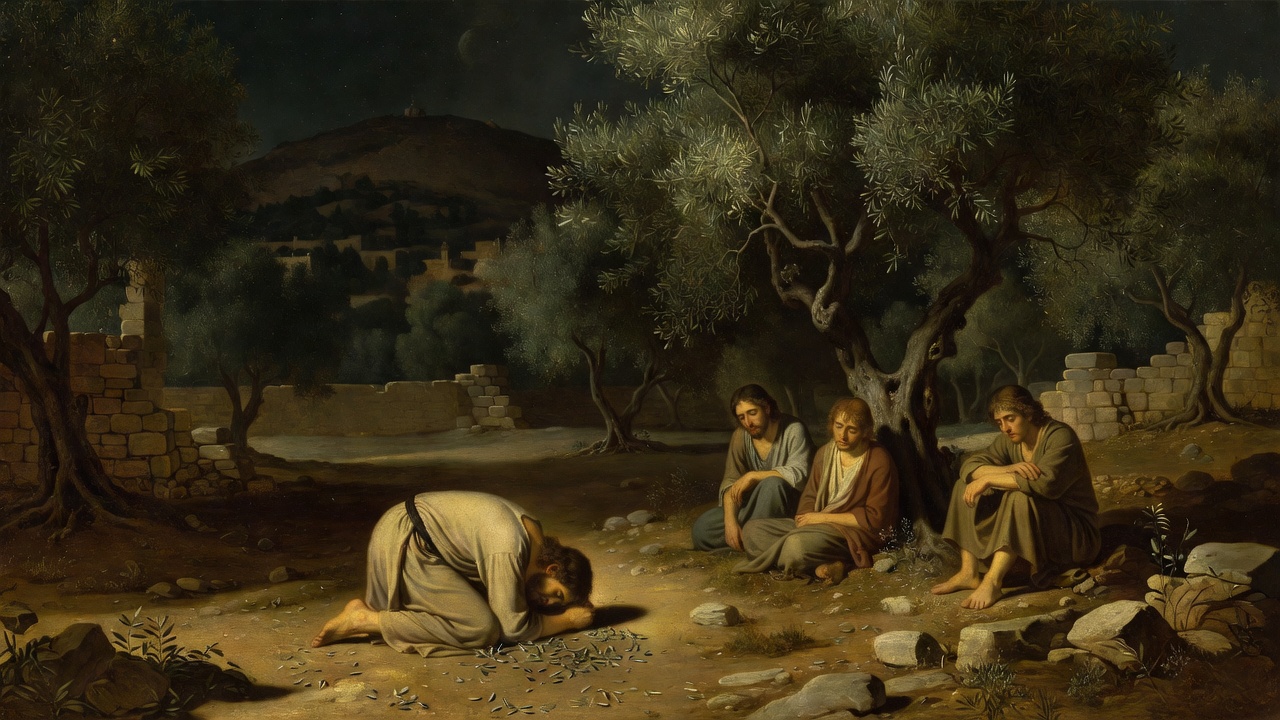
36Teʼuri xe ʼe chic che jun lugar, Getsemani u bi. I Jesus xu bij chique u tijoxelab:
—Chix cul na can chi, tzʼakat quin ʼe na yin jela chu tzʼonoxic che i Dios —xu bij.
37Teʼuri xe u cʼam bi i ma Pédro, xak i queb u cʼojol i mam Zebedéo ruʼ, y xpe jun nim laj bis, jun nim laj cʼax pu cʼux. 38Xu bij chique:
—I bis ʼo pa wanima, quin cam rumal, quin na yin. Chix canaj yix waral y chix cʼascʼatok —xu bij chique.
39I Jesus xa ʼe chupan jubiʼ, xu jupij rib pulew, y xoc chu tzʼonoxic che i Dios:
—Ta, cwaj yin, we ta ʼo módo, cawesaj i cʼax ʼo chinwach. Xui-ri, ma ya chwe pacha i toʼ cwaj yin; are, cha ʼana pacha i cawaj yet —xu bij.
40Teʼuri xtzalij chic cuʼ i u tijoxelab; xe u rika que waric. Xu ʼijla i ma Pédro:
—¿N-xi chʼij ta bari xix cʼascʼat jun ʼor wuʼ? —xu bij—. 41Chix cʼascʼat na, y chi tzʼonoj che i Dios man n-quix tzak ta chupam i mac. Katzij, yix piwanima quiwaj quix cʼascʼatic, xui-ri i chʼacul n-tu choʼab —xu bij.
42Are ʼuri xtzalij chic ucamul chu tzʼonoxic che i Dios. Xu bij:
—Ta, we n-ʼus taj chi quelsax ni cʼax chi ʼo chinwach, we lic ʼo ni u chac quin chʼijo, ʼutz ʼuri ca ʼani chwe pacha i cawaj yet —xu bij.
43Are xtzalij chalok, xe ʼe u rika tan chic u tijoxelab que war tan chic; i qui baʼwach ique lic waram craj. 44Ire xe u canaj canok, y xa ʼe chic; are uroxmul xa ʼe chu tzʼonoxic che i Dios, xak jun chi tzij xu bij chic che. 45Teʼuri xa ʼe chic chila cuʼ u tijoxelab.
—Bay, chix warok; chix uxlanok —xu bij chique—. Ya xu rik i ʼor chi yin, chi in Achi aj Chicaj, quin jachtaj na piquiʼab i ajmaquib. 46Chix walijok. Joʼ. Ya xcʼun ire chi quin jachaw na piquiʼab i aj chʼoʼoj chwij —xu bij chique.
Wach u chapic i Jesus xqui ʼano
47I Jesus cʼa ca tijin chi tzij are xupon i ma Júdas, chi jun chique i cablajuj u tijoxelab. Ire je rucʼam li uqʼuial winak; ʼo i cucʼam chʼichʼ, ʼo i cucʼam cheʼ. Ique je taktal li cumal i ajwab sacerdóte xak i nimak tak mamʼib que i aj Israel. 48I ma Júdas, chi aj jachanel re i Jesus, u bim can chique wach i séña coʼon chique, cʼutbal re i Jesus: “Are i jun chi quin tzʼubaj, are ile,” u bim chique. “Chi chapa ʼuri,” u bim can chique.
49I ma Júdas, are xuponic, xtejeb pan ruʼ i Jesus.
—Naʼab, in Tijonel —xu bij che. Y xa ʼe u tzʼubaj.
50I Jesus xu bij che:
—Achi, ¿Wach cawaj chwe? —xu bij.
Are ʼuri i juban xe tejeb ruʼ i Jesus y xqui chapo; lic co i u chapic xqui ʼano.
51Are ʼuri, jun chique i rachiʼil i Jesus xresaj li u chʼichʼ y xu cʼatzij u xiquin i aj takon re i ʼatz laj sacerdóte. 52I Jesus xu bij che:
—Cha cʼolo a chʼichʼ pa rachoch, man niʼpa i que ʼanaw chʼoʼoj ruʼ chʼichʼ, xak ruʼ chʼichʼ que camsax wi —xu bij che—. 53¿N-awetaʼam ta bari, chi we ta cwaj yin, quin tzʼonoj che in Kajaw y cu tak li uqʼuial ángel chin toʼic? ¡Mas ne chuwach i seténta mil que u tak neli-ri wuʼ! 54Xui-ri, we ta quin ʼan yin ile, n-queʼel ta ʼuri pacha tzʼibtal can chupam u wuj i Dios. Lic ʼo ni u chac queʼel na pacha i tzʼibtal canok —xu bij che.
55Teʼuri xu bij chique i winak:
—¿Wuchac xix cʼun yix ruʼ i chʼichʼ xak ruʼ i cheʼ, qui cʼambej bi we, pacha qui ʼan che jun iliʼom? Yin ʼij ʼij in cul chixol yix pa rachoch i Dios, quin tijin chu cʼutic chique i winak, y n-xin i chap taj. 56Xui-ri, ʼo ni u chac ca ʼani iri chwe, pacha qui tzʼibam can i ajbil u tzij i Dios ujer —xu bij chique.
Teʼuri, niʼpa i u tijoxelab i Jesus xqui canaj canok y xe ʼanmajic.
Wach i cʼax xu tij i Jesus piquiʼab i nucʼbal tʼisbal
57Niʼpa i qui chapom i Jesus, xqui cʼam bi che i rachoch i mam Caifas, chi ʼatz laj sacerdóte. Chila qui molom wi quib i je tijonel re i ʼatbal tzij xak i nimak tak mamʼib. 58I ma Pédro, toʼ chi naj xterej bi chiquij, cʼa xupon chuwaja re i rachoch i mam Caifas. Xoc bi chuwaja, chila xcubi wi cuʼ i policía, cu takejbej-re wach ca ʼani che i Jesus.
59I cajʼatzil i sacerdóte, xak i nimak tak mamʼib, xak ronojel i nucʼbal tʼisbal, ʼis xqui tzucuj u mac i Jesus. Cacaj ique quiqui coj u mac chuwach i ʼatbal tzij, tupu n-katzij taj, xa camsabel-re cacaj ique. 60Lic n-ta jun u mac xqui rik chirij, tupu je qʼui xe cʼunic y xqui bij mentir chirij. Pa qʼuisbal-re, xe upon chic queb testígo chi xa mentir quiqui bij. 61Xqui bij ique:
—I achi-ri xu bij: “Yin quin tiqui chu wulijsaxic i rachoch i Dios, teʼuri che oxib ʼij quin walijsaj wi chic,” xu bij —xe cha.
62Are ʼuri i ʼatz laj sacerdóte xwalijic, y xu bij che i Jesus:
—Yet, ¿lic n-ca laʼ tu wach chique? ¿Wach usucʼ ile quiqui bij chawij? —xu bij.
63I Jesus lic n-xchʼaw taj. Are ʼuri i ʼatz laj sacerdóte xu bij:
—Yin, chuwach i Dios cʼaslic, quin ya chakul: cha bij i sak laj tzij chake; cha bij ʼuri we yet at Crísto, chi u Cʼojol i Dios —xu bij che.
64I Jesus xu bij:
—Katzij i xa bij. Xak quin iwil ni yin chi in Achi aj Chicaj, in cul na pu wikabim i Dios chi ʼatz u choʼab; xak quin iwil na quin cʼun chali pa sutzʼ chicaj —xu bij chique.
65Are ʼuri i ʼatz laj sacerdóte xu rakchʼij u ʼuʼ, cʼutbal-re i roywal. Xu bij:
—¡Tzel cu ta i Dios ile! ¡Ya n-ta chic u chac we ʼo juban chic col qui bij u mac! Ya xi ta yix waral wach i itzel tzij xu bij. 66¿Wach qui chʼob yix che ile? —xu bij chique i rachiʼil.
I juban je ʼo ruʼ xqui bij:
—Ire lic ʼo u mac; cu maj che chi ca camsaxic —xe cha.
67Are ʼuri xqui chubaj qui cʼaxaj chu palaj y xqui chʼayo. ʼO juban chic xqui chʼay chu palaj 68y xqui bij che:
—Yet chi at Crísto, cha bij ʼu chake pachin xat chʼayawic —xe cha che.
I ma Pédro xruwaj u wach i Jesus
69Tzʼakat are xqui ʼan ile, i ma Pédro cul chuwaja. Are ʼuri, xupon jun ali, aj chac pa rachoch i cajʼatzil i sacerdóte; xu bij che:
—Xak yet at rachiʼil i ma Jesus aj Galiléa —xu bij.
70Xui-ri, i ma Pédro xruwaj u wach chiquiwach conojel:
—N-wetaʼam ti yin wach i ca bij —xu bij che i ali.
71I ma Pédro ya ca ʼec, ʼo chic che uchibe. Are ʼuri xa ʼiltaj chic rumal jun chic. Xu bij ʼuri chique i je ʼo chila:
—I achi-le, rachiʼil i ma Jesus chi aj Nazaret —coʼono.
72I ma Pédro xu bij chic chi n-retaʼam tu wach. Xu cuxtaj u bi i Dios puwi u tzij y xu bij:
—Lic n-wetaʼam tu wach i achi-le —xcha.
73Xoʼon chupan jubiʼ, niʼpa i je ʼo chila xe tejeb ruʼ y xqui bij:
—Katzij, xak yet at cachiʼil ique. Ca ʼalijin che a chʼawbal —xqui bij che.
74Teʼuri i ma Pédro xu bij chique:
—Chu ya ni tojpen i Dios pinwi, we n-katzij ti quin bij. Lic n-wetaʼam tu wach i achi-le —xu bij.
Are ʼuri xchʼaw jun teren. 75Juntir xcʼun chu cʼux wach i bital che rumal i Jesus, man u bim che: “Are maja ca chʼaw i acʼ re u sakirbal, quin awuwaj na oxmul,” u bim i Jesus che. Teʼuri i ma Pédro xel chila, lic cʼax xu na u cʼux, lic xoʼ rumal.
¿Sabías que…?
De la conspiración al arresto
- Los principales sacerdotes y los ancianos se reunieron en el patio de Caifás para planear un arresto en secreto. El diccionario bíblico de Easton (1897) lo identifica como sumo sacerdote del 27 al 36 d. C., durante todo el gobierno de Pilato, y como saduceo cuya esposa era hija de Anás, un antiguo sumo sacerdote. Acordaron no actuar durante la fiesta, por temor a un disturbio entre el pueblo.Fuentes: Caiaphas · el propio texto bíblico
- La unción tuvo lugar en Betania, una aldea en la ladera sureste del monte de los Olivos, a unas dos millas al este de Jerusalén, en el camino a Jericó; el nombre se vincula con las palmeras que crecían allí. Jesús estaba en la casa de Simón, un leproso de Betania, cuando una mujer derramó un perfume costoso sobre su cabeza mientras él estaba recostado a la mesa.Fuentes: Bethany · Simon · el propio texto bíblico
- Después de cantar un himno, Jesús y los discípulos salieron al monte de los Olivos, una sierra al este de Jerusalén, llamada así por los olivos de sus laderas y separada de la ciudad por el valle del Cedrón. Getsemaní, un olivar al pie de esa sierra, significa “prensa de aceite”; era un lugar al que Jesús solía retirarse con sus discípulos.Fuentes: Gethsemane · Mount of Olives · el propio texto bíblico
Notas escritas con ayuda de IA a partir de fuentes abiertas (Theographic Bible Metadata, CC BY-SA 4.0; Easton’s Bible Dictionary, dominio público) y revisadas antes de publicarse.
Lugares de este capítulo
- Mount of Olives · 31.778, 35.246 · versículo 30
- Galilee · 32.760, 35.527 · versículos 32, 69
- Gethsemane · 31.779, 35.239 · versículo 36
- Nazareth · 32.702, 35.298 · versículo 71
Solo aparecen lugares identificados con alta confianza (90 % o más según las fuentes académicas reunidas por OpenBible). Mapa de la época: DARE (Digital Atlas of the Roman Empire), CC BY 4.0; mapa actual: © colaboradores de OpenStreetMap; lugares: OpenBible.info (CC BY 4.0).
Créditos y licencia de esta traducción
I 'utz laj tzij re i dios
New Testament in Achi (I 'utz laj tzij re i dios)
copyright © 2009 Wycliffe Bible Translators, Inc.
Language: Achi
Dialect: Cubulco
Translation by: Wycliffe Bible Translators, Inc.
Achi, Cubulco
Achi' is a Mayan language very
closely related to K'iche' (Quiché in the older orthography). It is spoken by the
Achi people, primarily in the area of Baja Verapaz in Guatemala. There are two Achi'
dialects. Cubulco Achi' is spoken by approximately 48,000 people in the Cubulco area
west of Rabinal area. Rabinal Achi' is spoken by approximately 37,000 people in the
Rabinal area.
El Nuevo Testamento
en el idioma Achí de Cubulco de
Guatemala
Ediciones anteriores
Segunda edición
©2009, Wycliffe Bible
Translators
Primera edición
Publicado por
©1984, Sociedad Bíblica
Internacional
Copyright Information
© 2009, Wycliffe Inc. All rights reserved.
This translation text is made available to you under the terms of the Creative
Commons License: Attribution-Noncommercial-No Derivative Works. ( http://creativecommons.org/licenses/by-nc-nd/3.0/ ) In addition, you have
permission to port the text to different file formats, as long as you do not change
any of the text or punctuation of the Bible.
You may share, copy, distribute, transmit, and extract portions or quotations from
this work, provided that you include the above copyright information:
You must give Attribution to the work.
You do not sell this work for a profit.
You do not make any derivative works that change any of the actual words or
punctuation of the Scriptures.
Permissions beyond the scope of this license may be available if you contact us
with your request. If you want to revise a translation, use a translation in an
adaptation, or use a translation commercially, we will consider your request.
NT:segunda edición
The New Testament
in Achi
© 2009, Wycliffe Inc. All rights reserved.
This translation is made available to you under the terms of the
Creative Commons Attribution-Noncommercial-No Derivatives license 4.0.
You may share and redistribute this Bible translation or extracts from it in any format, provided that:
You include the above copyright and source information.
You do not sell this work for a profit.
You do not change any of the words or punctuation of the Scriptures.
Pictures included with Scriptures and other documents on this site are licensed just for use with those Scriptures and documents.
For other uses, please contact the respective copyright owners.
2013-01-05
Fuente: http://ebible.org/acr-acc/ · eBible.org