1 Timoteo 6
I 'utz laj tzij re i dios · Toca un versículo para ver sus referencias cruzadas.
1Niʼpa i je re chic i Dios, we je mocom, chiqui cojo qui ʼij i qui patron. ʼO u chac queje quiqui ʼan na ile, man i winak n-que chʼachʼat ta ʼuri chirij i Dios, xak n-que chʼachʼat ta chirij wach tak i coj tijin yoj chu cʼutic. 2Jun ajchac, we i u patron u jachom chic rib puʼab i Crísto, mu chʼob ire we cu mayij u cojic u ʼij u patron xa rumal je cachalal chic quib, cu bij ire. Are i chu ʼana, cha cojon na mas che, man i rajaw i chac-i, xak cu coj u tzij i Dios, xak kachalal chi cʼax caka na ʼo. I tzij-i chi xin bij, are i cha cʼutu, xak are i cha bij chique i kachalal.
Oj beyom we coj quicot na che niʼpa ʼo kuʼ
3We ʼo jun ca cʼutuw i tzij chi n-sak laj tzij taj, we n-xak ta jun ruʼ i cʼutunic sucʼulic re i Kajwal Jesucrísto, we nu yom tu wach che i tzij chi ka cojom yoj, 4xa cojbal u ʼij ire ʼuri coʼono; lic n-ta retaʼam. Xui craj cu coj u chʼojil chirij wach usucʼ i ral tak tzij; ire xa pacha cʼalwachirnak chu bixquil. Niʼpa i quiqui ʼan queje ile queʼelok xa je ajsacʼ che i ʼutz chi ʼo ruʼ jun chic; xak queʼelok xa je aj chʼoʼoj; xak xa je aj yoʼyanel; xak n-cul ti qui cʼux chique i cachiʼil, wach i quiqui ʼano; 5xak nic are wi quiqui tzucuj chʼoʼoj cuʼ i juban winak chi xa jechʼ i qui nojbal, man n-quetaʼam ti sak laj tzij. Quiqui chʼob ique chi que beyomar na rumal i tzij chi que tijin chu cʼutic. Cha jecʼa awib yet chiquiwach ique chi queje que ʼanaw ile. 6Katzij, ʼo i ka beyomal niʼpa i coj terej chirij i sakil cʼutunic, xui-ri, we coj quicot che niʼpa i ʼo kuʼ. 7Lic n-ta kucʼam are xoj cʼun chuwach i jyub taʼaj; xak n-ta caka cʼam bic are coj ʼec. 8Rumal-i, we ʼo i caka tijo, xak we ʼo i ka ʼuʼ, choj quicot ʼuri ruʼ ile. 9Xui-ri, ʼo jujun cacaj quiqui ʼan beyom che quib; rumal u rayixic ile, xa que tzak chupam qui mac, que tzak chupam i u qʼuial tak qui rayijbal chi n-tusucʼ. Quiqui rayij tak ile chi xa tzaksabal-que coʼono. I qui rayijbal que u cʼam bi ʼuri che i sachsabal-que. 10Queje ile queʼelok, man we jun lic cu rayij mas i mer, ca pe ʼuri ronojel tak i mac atzalal chirij. ʼO jujun chi xa rumal qui rayijbal che i mer, qui canam can i ʼutz laj be; rumal ile qʼui ni uyej qui petsam piquiwi.
I ma Páblo xu ya u cowil u cʼux i a-Timotéo
11Xui-ri, yet chi at rajchac i Dios cha jecʼa awib chuwach tak ile. Cha ya awib chu ʼonquil i sucʼulic, chu ʼonquil i chom chuwach i Dios; xak cha cuba a cʼux che ire; cʼax che a na i winak; xak cha ya u nimal a cʼux che, wach i ca cʼulmaj; xak cha ʼana che awib ʼutz a cʼux. 12Cha ya ronojel a choʼab chu ʼonquil pacha i ʼutz laj cʼutunic chi a cojom. Cha tija a ʼij che a cʼaslemal chi n-ca qʼuis ta chic. Xin bij ile chawe man i Dios xat u siqʼuij chu rikic i cʼaslemal-le. N-xui ta la ile, xak yet a bim chic chiquiwach u qʼuial winak chi lic a cojom chic i sak laj tzij; rumal-i, queje ile cha ʼana che a cʼaslemal.
13ʼO jun tzij lic quin bij chawe; quin bij na chawe chuwach i Dios chi yawnak i cʼaslemal che ronojel wach i ʼolic; xak quin bij na chawe chuwach i Jesucrísto chi n-xu xij ta rib chu bixquil i sak laj tzij chuwach i ma Póncio Piláto. 14Lic quin bij chawe: cha ʼana pacha i bital chawe; ma jechʼabsaj. ʼUtz cha ʼana che, man n-ta jun ca cojow a mac. Cha ʼana ile tzʼakat cu rik ni ʼij are ca cʼun chal i Kajwal Jesucrísto. 15Are cu rik i ʼij chi chʼictalic, i Dios coʼon na che chi ca cʼunic. Xui ire loʼlaj Dios, lic nim u choʼab; xui ire ʼo puwi ronojel. Are ire ʼAtol Tzij piquiwi conojel i je ʼatol tzij; are ire i Cajwal conojel i que rajawinic. 16Xui ire n-ca cam taj; ʼo che i nim laj sak chi mi jun ca chʼijaw i tejebic ruʼ. Mi jun winak rilom u wach, xak mi jun ca tiqui chi rilic. Lic chocsax u ʼij ronojel ʼij sak; ma qʼuis i u ʼatbal tzij queʼe ʼij sak chirij. Amen (queje ile cakaj).
17Niʼpa i beyomab waral chuwach i jyub taʼaj, cha bij chique miqui coj qui ʼij quib, xak miqui cuba qui cʼux che ubitakque, man ile n-ca najtin taj. Are i chiqui ʼana, chiqui cuba qui cʼux che i Dios cʼaslic. Are ire ca yaw ronojel tak i rajwaxic chake, ʼanbal re chake chi coj quicotic; lic u paxsam u wach chake. 18Xak cha bij chique chiqui ʼana i ʼutz; chiqui bisoj u ʼonquil wach craj i Kajwal, ile are i beyomal sakil. Miqui ʼan xuy che quib, are, chiqui ʼana aj sipanel che quib.
19Queje ile ʼo ni qui beyomal ʼuri quiqui cʼolo re i coʼon panok, chi ca majawic quiqui cuba qui cʼux che. We queje ile quiqui ʼano, quiqui rik na ʼuri qui cʼaslemal chi n-ca qʼuis taj.
I qʼuisbal pixbanic xoʼon i ma Páblo che i a-Timotéo
20Yet, a-Timotéo, cha chajij na wach u yom i Dios paʼab. Ma ya a xiquin chu tayic wach tak i ca lapic chi n-ta queʼel wi, chi toʼ re u wach i jyub taʼaj; xak ma ya a xiquin che i cʼutunic chi n-ta ʼutz rucʼam. ʼO i que binic chi lic nim i rucʼam, xui-ri, n-tu chac. 21ʼO jujun je terejnak chirij i nojbal-le; xcoʼtaj can ʼuri i sak laj tzij chi ka cubam ka cʼux che.
I Dios chu ya ni ʼutz pawi. Amen (queje ile cwaj).
¿Sabías que…?
Piedad, contentamiento y el encargo a Timoteo
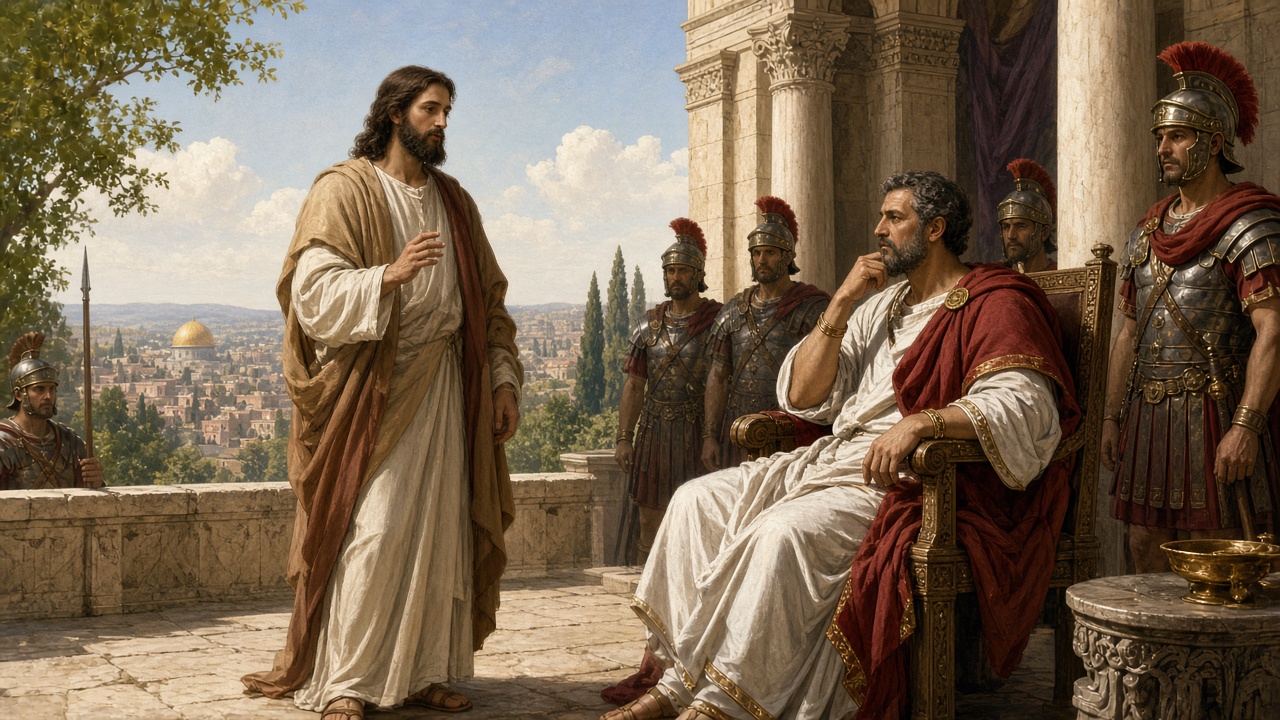
- La solemne exhortación de este capítulo recuerda que Cristo Jesús hizo la buena confesión en su testimonio ante Poncio Pilato. Pilato fue el sexto procurador romano de Judea, del 26 al 36 d.C., con sede en Cesarea, aunque subía con frecuencia a Jerusalén; su tiempo en el cargo abarcó los ministerios de Juan el Bautista y de Jesús, y su nombre se recuerda sobre todo en relación con el juicio de Jesús.Fuentes: el propio texto bíblico · Pontius Pilate
- El capítulo se dirige a Timoteo como hombre de Dios y le dice que guarde lo que le ha sido confiado. El nombre Timotheus significa honrar a Dios. Era un joven discípulo y compañero de Pablo en muchos viajes; su madre, Eunice, y su abuela, Loida, se mencionan como eminentes en piedad, y su padre era griego.Fuentes: el propio texto bíblico · Timotheus
Notas escritas con ayuda de IA a partir de fuentes abiertas (Theographic Bible Metadata, CC BY-SA 4.0; Easton’s Bible Dictionary, dominio público) y revisadas antes de publicarse.
Créditos y licencia de esta traducción
I 'utz laj tzij re i dios
New Testament in Achi (I 'utz laj tzij re i dios)
copyright © 2009 Wycliffe Bible Translators, Inc.
Language: Achi
Dialect: Cubulco
Translation by: Wycliffe Bible Translators, Inc.
Achi, Cubulco
Achi' is a Mayan language very
closely related to K'iche' (Quiché in the older orthography). It is spoken by the
Achi people, primarily in the area of Baja Verapaz in Guatemala. There are two Achi'
dialects. Cubulco Achi' is spoken by approximately 48,000 people in the Cubulco area
west of Rabinal area. Rabinal Achi' is spoken by approximately 37,000 people in the
Rabinal area.
El Nuevo Testamento
en el idioma Achí de Cubulco de
Guatemala
Ediciones anteriores
Segunda edición
©2009, Wycliffe Bible
Translators
Primera edición
Publicado por
©1984, Sociedad Bíblica
Internacional
Copyright Information
© 2009, Wycliffe Inc. All rights reserved.
This translation text is made available to you under the terms of the Creative
Commons License: Attribution-Noncommercial-No Derivative Works. ( http://creativecommons.org/licenses/by-nc-nd/3.0/ ) In addition, you have
permission to port the text to different file formats, as long as you do not change
any of the text or punctuation of the Bible.
You may share, copy, distribute, transmit, and extract portions or quotations from
this work, provided that you include the above copyright information:
You must give Attribution to the work.
You do not sell this work for a profit.
You do not make any derivative works that change any of the actual words or
punctuation of the Scriptures.
Permissions beyond the scope of this license may be available if you contact us
with your request. If you want to revise a translation, use a translation in an
adaptation, or use a translation commercially, we will consider your request.
NT:segunda edición
The New Testament
in Achi
© 2009, Wycliffe Inc. All rights reserved.
This translation is made available to you under the terms of the
Creative Commons Attribution-Noncommercial-No Derivatives license 4.0.
You may share and redistribute this Bible translation or extracts from it in any format, provided that:
You include the above copyright and source information.
You do not sell this work for a profit.
You do not change any of the words or punctuation of the Scriptures.
Pictures included with Scriptures and other documents on this site are licensed just for use with those Scriptures and documents.
For other uses, please contact the respective copyright owners.
2013-01-05
Fuente: http://ebible.org/acr-acc/ · eBible.org