Génesis 26
Uisneno In Kabin ma Prenat: Rais Manba'an Fe'u nok Reta' Ahun-hunut · Toca un versículo para ver sus referencias cruzadas.
Naiꞌ Isak ma usif Abimerek
1Neot es, amnaahs ii ntaman pah naan, on reꞌ amnahas oras naiꞌ Abraham anmoin feꞌ. Onaim naiꞌ Isak antoit he karu reko te usif Abimerek, atoin Filistinas sin usif, anfee ne mainuan he in natuan nbi kuan Gerar. 2In nmoeꞌ on reꞌ naan, natuin UISNENO nakriir On neu ne mnak, “Ho kais amnao meu pah Masir. Au of ukriraꞌ ko bare ꞌtetaꞌ. 3Karu ho mutua on reꞌ atoin anao-amnemat mbi bare naan, Au of ꞌok ko, ma ꞌfee ko teuts am athoen humaꞌ-humaꞌ. Au of aꞌmoeꞌ ho suufm ein amfau-rutu on reꞌ kfuun ein et neno. Ma Au ꞌfee ꞌeu ho sufam sin pah reꞌ ia ma in kuan ein okeꞌ. Naꞌko ho sufam-kauꞌm ein naan, of areꞌ uuf-uuf nbin pah-pinan ia napenin teuts am athoen. Nok ranan naan, Au uteabaꞌ Au rais manbaꞌan ꞌok ho amaꞌ naiꞌ Abraham. 5Au ꞌmoeꞌ on reꞌ ia, natuin ho amaꞌ natuin Au romik, Au prenat, ma Au atoran.” 6Onaim naiꞌ Isak natua ntahan nbi kuan Gerar.
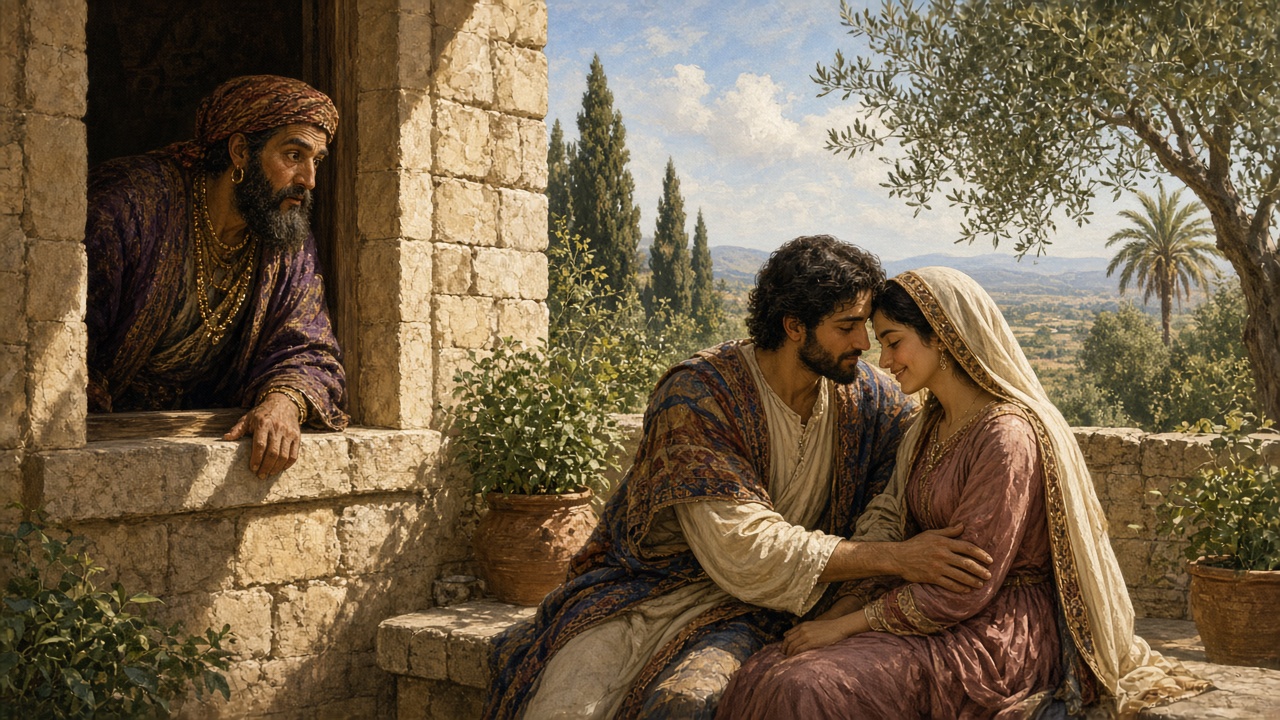
7Bi Ripka naan mamasaꞌ. Onaim oras atoin ein reꞌ nbin bare naan niit ee, sin nmaktaan ein nok ne. Mes naiꞌ Isak nataah am nak, “Bi Ripka naan, au fetoꞌ.” In namtau karu in nmanakuꞌ nak in fee ja te, atoin ein naan of anroor goe ma ntoup neik bi Ripka. 8Naiꞌ Isak natua suuk aꞌroo nbi naan. Neot es, uisf ee nasnekuꞌ niit naiꞌ Isak nok bi Ripka naꞌko in eno sneer. In niit sin anmahoon fee-mone. 9Onaim in nreek tuaf he nnao noꞌen naiꞌ Isak, ma nakain ee mnak, “Isak! Au uhiin urek-rekoꞌ ꞌrair, bifee naan, ho fee ja! On nai te, neu saaꞌ am es ho mak ho fetoꞌ?”
Onaim naiꞌ Isak nataah am nak, “On nai, aam usi. Au umtau karu au utoon am ꞌak au fee ja te, kais-kaisaꞌ biak ein anroor niis kau.”
10Rarit uisf ee nataah am nak, “Karu nmuiꞌ tuaf anbi reꞌ ia reꞌ ntuup nok ho fee, ho ro he musaan kai! Nansaaꞌ am es ho mmoeꞌ on naan meu kai?”
11Rarit naiꞌ Abimerek namnaub neik haan maꞌtaniꞌ neu in too ngguin am nak, “Hi arki mimnau mirek-rekoꞌ! Sekau-sekau reꞌ nmoeꞌ reꞌuf neu atoniꞌ ia aiꞌ in fee, au of aꞌhukun uꞌmate.”
Sin nmatoenaꞌ oe hain ein
12Oras naan naiꞌ Isak narene nbi pah naan. In napein in reen ne aafk ein anfain no nautn es, natuin UISNENO nfee ne tetus-athoen. 13In aꞌmuiꞌn ein naꞌbaab ok piut, tar antea in nfain atoin amuꞌit batuur-batuur. 14In bijae, ꞌbibi, ma ꞌbib-kase nmaꞌbaab ein amfaun. In ameupt ein namfaun amsaꞌ. Tar antea atoin Filistinas sin seor natenab reꞌuf neu ne.
15Unuꞌ te, naiꞌ Isak in amaf naiꞌ Abraham sin nhanin oe haniꞌ mfaun. Mes oras ia, atoin Filistinas sin nkuub nareuꞌ oe hain ein naan neikin afu.
16Rarit usif Abimerek naꞌuab nok naiꞌ Isak am nak, “Isak! Reko nneis ho mnao musaitan hai pah ii nai. Hai mkis-kisu te, ho maꞌtainm ii, nneisi nrair kai.”
17Rarit naiꞌ Isak nnao nasaitan kuan naan, ma nfain natua nbi karopu mneraꞌ Gerar. 18Onaim in nhain nafaniꞌ oe hain ein reꞌ sin nkuub sin naan. Ma in nakanab oe hain ein naan, natuin kaanf ein reꞌ unuꞌ te in aamf ee nakanab anrair sin.
19Oras naiꞌ Isak in ameupt ein anhanin oe nbin mneraꞌ Gerar naan te, sin nhain napein oe maat es, reꞌ nasfurak anpoi. 20Mes atuuks ein naꞌkon Gerar anmatoen nok naiꞌ Isak in atuuks ein, natuin oe haniꞌ naan. Sin nak, “Ia hai oe!” Es naꞌ naiꞌ Isak nakanab oe haniꞌ naan Esek, reꞌ in aꞌmoufn ii, ‘matoes’.
21Rarit naiꞌ Isak iin na, nhain oe jes anteniꞌ. Mes sin nmatoen nteinꞌ ein, natuin oe haniꞌ naan. Es naꞌ naiꞌ Isak nakanab oe haniꞌ naan Sitna, reꞌ in aꞌmoufn ii ‘anmaraabn ein’.
22Rarit in nasaitan bare naan, ma nhani ntein oe hain es. Neot reꞌ ia, sin ka nmatoen fa. Es naꞌ naiꞌ Isak nakanab oe haniꞌ naan Rehobot, reꞌ in aꞌmoufn ii ‘baer mainuan’. Ma in naꞌuab am nak, “Oras ia, Uisneno nfee kai bare he mitua mbi baer mainuan ia. Anbi ia te, naꞌ hai bisa mihoniꞌ ma mimsaiꞌ he miꞌbaab om.”
23Naꞌko naan ate, naiꞌ Isak sin nnaon nꞌanin Beer Seba, he natuan nbin naan. 24Mabeꞌ naan, UISNENO nakriir On neu ne, ma naꞌuab am nak, “Isak! Au reꞌ ia, ho amaꞌ naiꞌ Abraham in Uisneno. Onaim kais mumtau, natuin Au ꞌpao ma ꞌpanat ko. Au of aꞌfee ko teuts am athoen. Ma ho sufam-kauꞌm ein of naꞌbaab ok amfaun. Au ꞌmoeꞌ on reꞌ ia, natuin Au rais manbaꞌan ꞌok ho amaꞌ.”
25Rarit naiꞌ Isak anbaik fatu he nafenaꞌ mei fuat anbi naan. Onaim in ntoit makasi neu UISNENO nbi bare naan. In natua nbi naan, ma in ameupt ein nmurai nhanin oe ntenin.
Usif Abimerek ma naiꞌ Isak nmaraem ok
26Oras naan, usif Abimerek neem naꞌko kuan Gerar. In nok in soob reko naiꞌ Ahusat, ma in meo paꞌe naiꞌ Fikor, neman ma nateef nok naiꞌ Isak. 27Onaim naiꞌ Isak nataan am nak, “Aam usiꞌ! Unuꞌ te hi mriuꞌ kai mpoi miꞌko hi pah. Onaim oras ia hi iim he minsaaꞌ amtein?”
28Rarit sin natahan am nak, “On nai! Oras ia hai mihiin mak Uisneno npao ma npanat ko, anhao ma nfait ko. Natuin rasi naan, hai miten-tenab ate, reko nneis hit nua kit tahakeb rais manbaꞌan. Ho msuup am mak, 29hi of ka mmoeꞌ fa rais reꞌuf meu kai, on reꞌ hai ka mmoeꞌ fa rais reꞌuf meu ki msaꞌ. Batuur hai neekm ein reko mok ki. Es naꞌ neon goes ii, hi misaitan hai pah ii nok mamut. Hai mihiin batuur-batuur, UISNENO es anfee ki tetus-athoen.”
30Rarit naiꞌ Isak anmoeꞌ fesat neu sin. Sin nbukaen buꞌ-buaꞌ. 31Anmeu nfiin on naan ate, sin nsupan. Onaim naiꞌ Isak nafetin sin he nfanin nok mamut.
32Neno naan, naiꞌ Isak in ameupt ein neman ma natonan am nak, “Aam! Hai mipeni mrair oe.” 33Rarit naiꞌ Isak nakanab oe haniꞌ naan Seba, reꞌ in aꞌmoufn ii nak ‘supat’. Onaim sin nakanab kota naan Beer Seba ntea oras ia.
Naiꞌ Esau nsao bifee nua naꞌkon uuf aꞌtetaꞌ
34Naiꞌ Esau nmatsao, oras in nmoin naan toon boꞌ haa. In nsao bifee nua naꞌko uuf atoin Hetes. Es kaan ee, bi Yudit, naiꞌ Beri in aan feto. Es antein, kaan ee bi Basmat, naiꞌ Eron in aan feto. 35Bifee nuaꞌ ein naan nasusab naiꞌ Isak ma bi Ripka.
¿Sabías que…?
Isaac en Gerar
- Durante una hambruna, Isaac buscó refugio junto a Abimelec, rey de Gerar, una antigua ciudad y distrito en la frontera sur de Palestina. El Easton's Bible Dictionary (1897) señala que Isaac actuó con su esposa Rebeca de manera muy parecida a como su padre Abraham había actuado con Sara allí: dijo que ella era su hermana. Abimelec después lo reprendió, cuando se descubrió el engaño.Fuentes: Abimelech (King of Gerar) · Gerar · el propio texto bíblico
- Los nombres de los pozos en el valle de Gerar recuerdan las disputas por ellos. Esek significa “contienda”, porque los pastores de Gerar reclamaron el agua, y Sitna significa “conflicto”. Isaac también reabrió pozos que los siervos de su padre Abraham habían cavado y que los filisteos habían tapado, y les dio los mismos nombres que su padre les había dado.Fuentes: Esek · Sitnah · el propio texto bíblico
- Beerseba significa “pozo del juramento” o “pozo de los siete”. Según el Easton's Bible Dictionary (1897), Abraham cavó allí un pozo y le puso ese nombre tras un pacto con Abimelec, e Isaac le dio el mismo nombre al reabrirlo. El diccionario también identifica a Ficol —“grande”— como capitán jefe del ejército de Abimelec y dice que participó en la alianza de Abraham acerca de ese pozo.Fuentes: Beersheba · Phichol · el propio texto bíblico
Notas escritas con ayuda de IA a partir de fuentes abiertas (Theographic Bible Metadata, CC BY-SA 4.0; Easton’s Bible Dictionary, dominio público) y revisadas antes de publicarse.
Lugares de este capítulo
- Egypt · 30.129, 31.308 · versículo 2
- Valley of Gerar · Hoy: about 3 km around Tel Haror · 31.382, 34.606 · versículos 17, 19
Solo aparecen lugares identificados con alta confianza (90 % o más según las fuentes académicas reunidas por OpenBible). Mapa de la época: DARE (Digital Atlas of the Roman Empire), CC BY 4.0; mapa actual: © colaboradores de OpenStreetMap; lugares: OpenBible.info (CC BY 4.0).
Créditos y licencia de esta traducción
Uisneno In Kabin ma Prenat: Rais Manba'an Fe'u nok Reta' Ahun-hunut
Genesis and the New Testament in the Amarasi language of Indonesia
Kejadian dan Perjanjian Baru dalam bahasa Amarasi dari
copyright © 1999-2014 Unit Bahasa dan Budaya, Kupang NTT, Indonesia
Language: Amarasi
Translation by: Wycliffe Bible Translators
This translation is made available to you under the terms of the
Creative Commons Attribution-No Derivatives license 4.0.
You may share and redistribute this Bible translation or extracts from it in any format, provided that:
You include the above copyright and source information.
You do not make any derivative works that change any of the actual words or punctuation of the Scriptures.
Pictures included with Scriptures and other documents on this site are licensed just for use with those Scriptures and documents.
For other uses, please contact the respective copyright owners.
2022-03-11
Fuente: http://ebible.org/aaz/ · eBible.org