1 Timoteo 2
Uisneno In Kabin ma Prenat: Rais Manba'an Fe'u nok Reta' Ahun-hunut · Toca un versículo para ver sus referencias cruzadas.
Karu apirsait ein nabuan ate, ro hit tmoeꞌ on mee?
1Nahunu te, au ꞌtoit ki he hi mꞌonen amteek areꞌ too mfaun ein ok-okeꞌ. Karu hi mbaiseun Uisneno te, mtoit Je he In nturun areꞌ too mfaun ein anbin susat. Ma mtoit makasi msaꞌ, natuin In es reꞌ nmoeꞌ rais reko neu sin ok-okeꞌ. 2Amteek ambi ꞌoen ein amsaꞌ anmatoom nok uisf ein ma ꞌnaakf ein. Nok ranan naan, hit arkit bisa tmoni tbi mamut, rameꞌ es nok es, ma taininaꞌ natuin Uisneno In romin, ma tmoni tbi raan amneot, on reꞌ tuaf-tuaf reꞌ naꞌbees neu Ne. 3Amꞌonen on reꞌ naan ate, reko. Naan anharineb Uisneno reꞌ nsoi nafetin kit. 4In nroim he areꞌ too mfaun ein ok-okeꞌ napenin aꞌhonis, ma nahinin mee ja es reꞌ amneot ma amnonot, esan reꞌ:
5Uisneno meesꞌ aah.
Ma nmuꞌi haa nete ranan meesꞌ aah, reꞌ narameꞌ Uisneno nok mansian arkit, es reꞌ Yesus Kristus.
Naiꞌ Yesus naan, mansian batuur-batuur.
6In nnonaꞌ In tuan ee he nsoi nafetin kit naꞌko hit saant ein ok-okeꞌ.
Nateef nok in oors ate, Uisneno nfei rais reko naan kninuꞌ-kninuꞌ neu areꞌ too mfaun ein. 7Rarit Uisneno npiir naan kau ꞌjair In haef, he ꞌnao utoon tuaf reꞌ ka atoin Yahudis fa aꞌbi mee-mee, ma unoniꞌ sin he sin npirsain neu Usif Yesus ma nmonin natuin raan amneot ma amnonot. Saaꞌ-saaꞌ reꞌ au utoon sin reꞌ ia, batuur on naan. Au ka upoi fa, tua!
8Au ꞌroimk ii on nai: anbi mee-mee, karu hi mibua he mꞌonen ate, hi ro he mitaibaꞌ nekaf es nok es. Kais ammaktoꞌon. Kais ammatoe. Karu hi miꞌaitiꞌ hi ꞌnimam oras hi mꞌonen, hi neekm ein ro he kniunꞌ ein.
9Bifee ngguin on naan amsaꞌ. Au ꞌroim he sin nꞌator sin tuak ein te, suuk nahuum, ma npaken amsaꞌ seor nahuum. Kaisaꞌ nbagaya he biak ein antarun mataf neu sin, aꞌnaak fuun ein reꞌ ansoiꞌ ma nbuiꞌ sin humaꞌ-humaꞌ, aiꞌ npaken tai maꞌosaꞌ reꞌ ka natuin fa atoran, aiꞌ natoon ok bainesiꞌ nok sin npaken moroꞌ-mutiꞌ ma mutiara sin. Reꞌ nmoeꞌ bifee ngguin namasan naan, es reꞌ neek akninuꞌ, ma sin aꞌmoeꞌk ein rekon. Reꞌ naan es reꞌ natai neu bifee ngguin he naꞌbesan neun Uisneno. 11Karu too srain ein nabuan ma nnenan noniꞌ te, bifee ngguin ntook nokan ma nneen nokan rek-reko anmatoom nok noinꞌ ein naan. Kais taꞌseꞌo ma taꞌroot. 12Anbi au te, ka reko fa karu bifee ji nait in tuan ma naprenat atoniꞌ, ma nanoniꞌ sin. Reko nneis bifee ngguin sin neek ein natean ma kais mafeef ein bainesiꞌ. 13Fin Uisneno nmoeꞌ naiꞌ Adam nahuun. Rarit, naꞌ bi Hawa. 14Ma ka naiꞌ Adam fa es antoup uab poi nahuun naꞌko niut reuꞌf ein sin aꞌnakat, mes bifee. Anmurai oras naan, mansian ii ntanhai Uisneno In atoran. 15Maski on naan amsaꞌ, mes bifee ngguin napenin aꞌhonis, natuin sin nahoin ein. Asar sin npirsain batuur-batuur neu Kristus, anmonin nbin rais manekat, anmuꞌin neek akninuꞌ, ma sin aꞌmoink ein pantas ma kais anbainesin.
¿Sabías que…?
Oración, adoración modesta y Adán y Eva
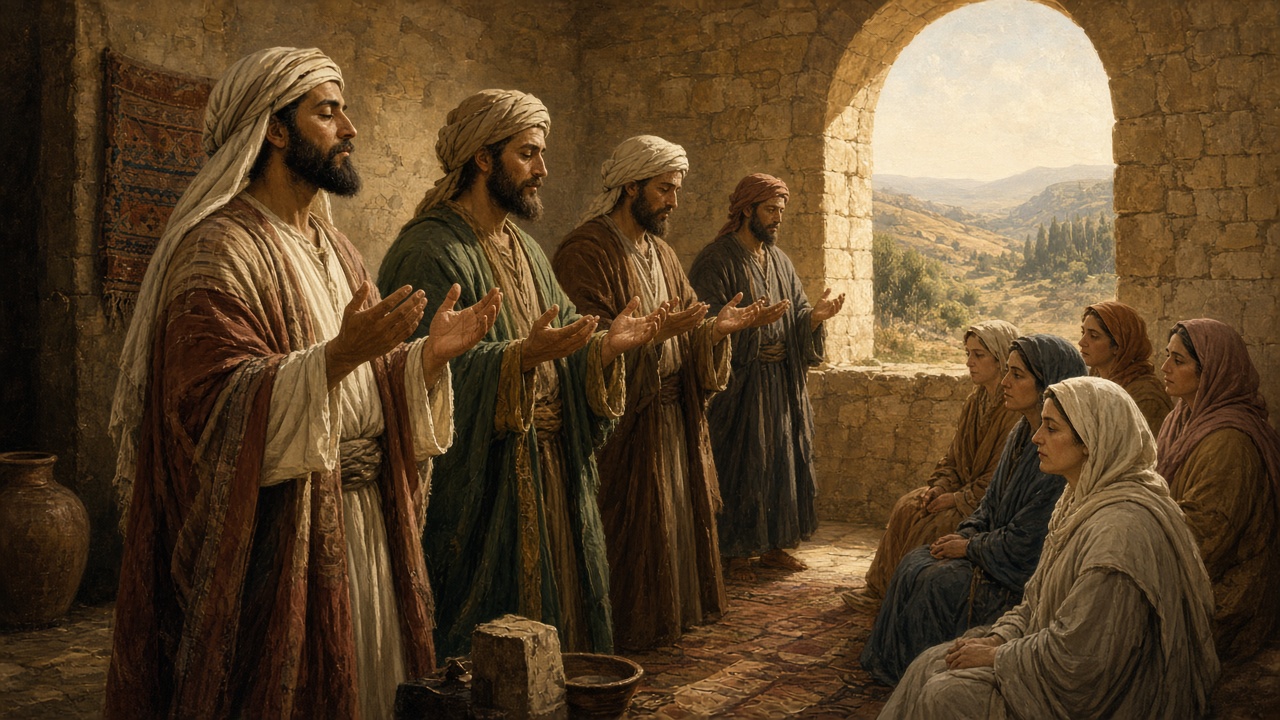
- Este capítulo exhorta a que se ofrezcan peticiones, oraciones, intercesiones y acciones de gracias por todas las personas, incluidos los reyes y todos los que están en autoridad, para que los creyentes puedan llevar una vida tranquila y sosegada, con toda piedad y dignidad. También dice que hay un solo Dios y un solo mediador entre Dios y los hombres, el hombre Cristo Jesús, que se entregó como rescate por todos.Fuentes: el propio texto bíblico
- Cuando la carta dice que Adán fue formado primero, y después Eva, apela al primer hombre del Génesis. El Easton's Bible Dictionary (1897) explica que Adán es una palabra babilónica que significa 'rojo', el nombre genérico de hombre, con el mismo sentido en hebreo y en asirio, y que fue formado del polvo de la tierra.Fuentes: el propio texto bíblico · Adam
- La carta dice que no fue Adán quien fue engañado, sino la mujer, que fue engañada y cayó en transgresión. El Easton's Bible Dictionary (1897) dice que Eva significa 'vida' o 'viviente', el nombre que Adán dio a su esposa, y que el relato de su creación se encuentra en Génesis 2:21-22.Fuentes: el propio texto bíblico · Eve
Notas escritas con ayuda de IA a partir de fuentes abiertas (Theographic Bible Metadata, CC BY-SA 4.0; Easton’s Bible Dictionary, dominio público) y revisadas antes de publicarse.
Créditos y licencia de esta traducción
Uisneno In Kabin ma Prenat: Rais Manba'an Fe'u nok Reta' Ahun-hunut
Genesis and the New Testament in the Amarasi language of Indonesia
Kejadian dan Perjanjian Baru dalam bahasa Amarasi dari
copyright © 1999-2014 Unit Bahasa dan Budaya, Kupang NTT, Indonesia
Language: Amarasi
Translation by: Wycliffe Bible Translators
This translation is made available to you under the terms of the
Creative Commons Attribution-No Derivatives license 4.0.
You may share and redistribute this Bible translation or extracts from it in any format, provided that:
You include the above copyright and source information.
You do not make any derivative works that change any of the actual words or punctuation of the Scriptures.
Pictures included with Scriptures and other documents on this site are licensed just for use with those Scriptures and documents.
For other uses, please contact the respective copyright owners.
2022-03-11
Fuente: http://ebible.org/aaz/ · eBible.org