Hechos 6
Xwɨyí̵á Gorɨxoyá Sɨŋí̵pɨrɨnɨ · Toca un versículo para ver sus referencias cruzadas.
Seáyɨ́ wipɨ́rɨ́a nánɨ ámá wé wɨ́úmɨ dáŋɨ́ waú rɨ́peagɨ́á nánɨrɨnɨ.
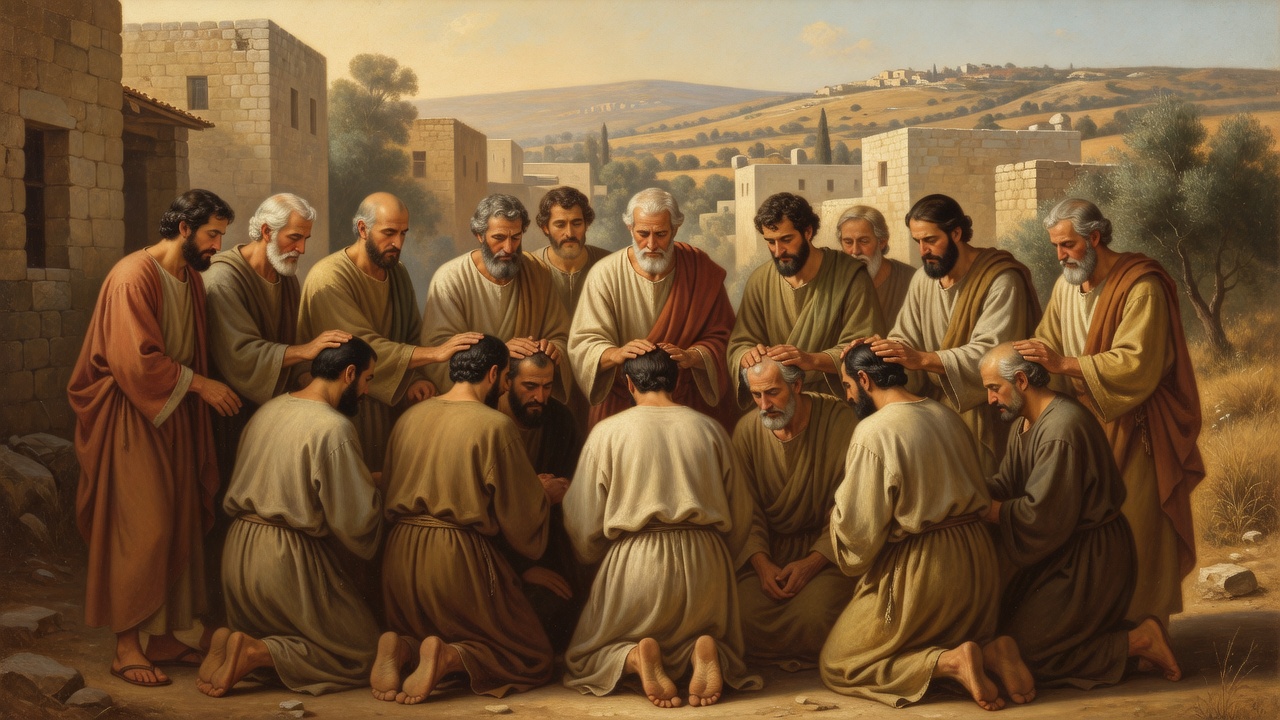
1Íná Jisasomɨ xɨ́darɨgɨ́áyɨ́ ámɨ wí tɨ́nɨ sayá nimóga nuróná wigɨ́ Judayɨ́ émáyɨ́ tɨ́ŋɨ́mɨnɨ xɨrɨgɨ́áyɨ́ wí nɨwiápɨ́nɨmearo Judayɨ́ aŋɨ́ ná tɨ́ŋɨ́ e xɨrɨgɨ́áyo anɨŋúmɨ́ ikaxɨ́ re urɨgɨ́awixɨnɨ, “Negɨ́ yarɨŋwápa sɨ́á ayɨ́ ayo aiwá yaŋɨ́ nɨwia nuróná negɨ́ apɨxɨ́ aníwamɨ soyɨ́né pí nánɨ múroarɨŋoɨ?” anɨŋúmɨ́ ikaxɨ́ e nura warɨ́ná 2Jisasoyá wiepɨsagɨ́ wé wúkaú sɨkwɨ́ waú imónɨgɨ́áwa nɨwiápɨ́nɨmearo ámá Jisasomɨ xɨ́darɨgɨ́á sɨyikɨ́ imónɨgɨ́á nɨyonɨ “Eɨnɨ.” nurɨro re urɨgɨ́awixɨnɨ, “None aiwánɨ yaŋɨ́ seaiapanɨ nánɨ xwɨyɨ́á Gorɨxoyá searéwapɨyarɨŋwápɨ pɨ́nɨ nɨwiárɨrɨ́ná ‘Ayɨ́ naŋɨ́ menɨnɨ.’ neaimónarɨnɨ. 3Ayɨnánɨ negɨ́ nɨrɨxɨ́meáyɨ́né, negɨ́ ámá naŋɨ́nɨ yarɨgɨ́ápɨ nánɨ ɨ́á roárɨnɨŋowa nánɨnɨ yeyimá nearo wé wɨ́úmɨ dáŋɨ́ waú nánɨ nearáná none aiwá yaŋɨ́ nɨseaiapa emepɨ́rɨ́a nánɨ rɨ́peaanɨ́wɨnɨ. Ámá kwíyɨ́ Gorɨxoyápɨ ayá wí sɨxɨ́ wínɨrɨ dɨŋɨ́ émɨ́ saímɨ́ moro egɨ́áwa nánɨ rarɨŋwɨnɨ. 4Awa aiwá apɨ yaŋɨ́ mearɨ́ná noneyɨ́ rɨpɨnɨ mimáyo nɨtɨnɨrane anɨŋɨ́ minɨ́ yanɨ́wárɨnɨ. Gorɨxomɨ rɨxɨŋɨ́ urɨrane ámá xwɨyɨ́á oyápɨ nánɨ xɨxenɨ nɨjɨ́á oimónɨ́poyɨnɨrɨ uréwapɨyirane yanɨ́wárɨnɨ.” urɨ́agɨ́a 5ámá Jisasoyá sɨyikɨ́ imónɨgɨ́á nɨ́nɨ “Apánɨrɨnɨ.” nɨyaiwiro ámá wé wɨ́úmɨ dáŋɨ́ waú rowamɨ eyírogɨ́awixɨnɨ. Wo Sɨtipenoyɨ rɨnɨŋo —O Jisasomɨ eŋɨ́ neánɨrɨ dɨŋɨ́ wɨkwɨ́rorɨ kwíyɨ́pɨ ayá wí sɨxɨ́ wínɨrɨ eŋorɨnɨ. Ámɨ wo Piriporɨnɨ. Ámɨ wo Pɨrokorasorɨnɨ. Ámɨ wo Naikenaorɨnɨ. Ámɨ wo Taimonorɨnɨ. Ámɨ wo Pamenasorɨnɨ. Ámɨ wo Nikoraso —O émáyɨ́ aŋɨ́ yoɨ́ Adiokɨ dáŋɨ́ wo aiwɨ eŋíná dánɨ sɨwɨ́ xegɨ́ imónɨgɨ́áyɨ́ yarɨgɨ́ápɨ pɨ́nɨ nɨwiárɨmo Judayɨ́ yarɨgɨ́ápɨnɨ yarɨŋorɨnɨ. 6Ámá awamɨ neyíroro wáɨ́ wurɨmeiarɨgɨ́áwa tɨ́ŋɨ́ e nánɨ nɨmeámɨ úáná wáɨ́ wurɨmeiarɨgɨ́áwa awa nánɨ Gorɨxomɨ rɨxɨŋɨ́ nurɨmáná eŋɨ́ neánɨro píránɨŋɨ́ éɨ́rɨxɨnɨrɨ wigɨ́ wé seáyɨ e wikwiárɨgɨ́awixɨnɨ.
7Xwɨyɨ́á Gorɨxoyápɨ sɨnɨ nɨrɨga nemerɨ́ná ámá Jerusaremɨ ŋweagɨ́á Jisasomɨ xɨ́darɨgɨ́áyɨ́ ámɨ wínɨ ayá wí sayá nimóga nuro apaxɨ́pánɨŋɨ́ imónɨgɨ́á obaxɨ́ enɨ arɨ́á nɨwiro dɨŋɨ́ nɨwɨkwɨ́rómáná xɨxenɨ egɨ́awixɨnɨ.
Sɨtipenomɨ ɨ́á xɨrɨgɨ́á nánɨrɨnɨ.
8Sɨtipeno, Gorɨxo xɨ́omɨ wá ayá wí wianɨrɨ eŋɨ́ sɨxɨ́ weámɨxɨrɨ eŋɨ́ eŋagɨ o ámá sɨŋwɨ́ anɨgɨ́e dánɨ emɨmɨ́ seáyɨ e imónɨŋɨ́pɨ tɨ́nɨ ayá rɨwamónɨpaxɨ́ imónɨŋɨ́pɨ tɨ́nɨ nɨwíwapɨya warɨ́ná 9Judayɨ́yá rotú aŋɨ́ ámá Áxeŋwarɨ́ Minɨgɨ́áɨ rɨnɨŋɨ́yo awí eánarɨgɨ́á wa —Wa aŋɨ́ yoɨ́ Sairini dáŋowarɨnɨ. Wa aŋɨ́ yoɨ́ Arekɨsadɨria dáŋowarɨnɨ. Awa tɨ́nɨ wigɨ́ Judayɨ́ wínɨyɨ́ —Wa Sirisia pɨropenɨsɨ́yo dáŋowarɨnɨ. Wa Esia pɨropenɨsɨ́yo dáŋowarɨnɨ. Awa tɨ́nɨ nɨwiápɨ́nɨmearo Sɨtipeno tɨ́nɨ xwɨyɨ́á xɨmɨxɨmɨ́ ninɨro mɨxɨ́ nɨrɨnɨróná 10kwíyɨ́ Gorɨxoyápɨ sɨxɨ́ wínɨŋɨ́ eŋagɨ nánɨ o dɨŋɨ́ émɨ́ saímɨ́ nɨmorɨ píránɨŋɨ́ reŋwɨpwearɨŋagɨ nánɨ wí xopɨrárɨ́ nɨwirɨ murɨpaxɨ́ imónɨgɨ́awixɨnɨ. 11Xopɨrárɨ́ nɨwirɨ murɨpaxɨ́ nimónɨro nánɨ wigɨ́ wɨ́amɨ yumɨ́í ínɨmɨ re urɨgɨ́awixɨnɨ, “Omɨ nuxekwɨ́moro re rɨ́poyɨ, ‘O negɨ́ arɨ́o Mosesomɨ rɨperɨrɨ́nɨŋɨ́ umerɨ Gorɨxomɨ umerɨ yarɨŋagɨ arɨ́á wíwárɨnɨ.’ rɨ́poyɨ.” nurárɨmɨ nuro 12omɨ wikɨ́ nɨwónɨro ɨ́á oxɨrɨ́poyɨnɨrɨ ámá sɨpɨ́áyo tɨ́nɨ ámɨnáowamɨ tɨ́nɨ ŋwɨ́ ikaxɨ́ eánɨŋɨ́pɨ mewegɨ́áwamɨ tɨ́nɨ sɨ́mírírɨ́ xwɨyɨ́á nura nemero éáná ayɨ́ wikɨ́ wónɨ́agɨ nɨbɨro omɨ ɨ́á nɨxero nɨmeámɨ nuro Judayɨ́ mebáowa awí eánɨgɨ́e wárɨgɨ́awixɨnɨ. 13E nemáná ámá omɨ yapɨ́ ouxekwɨ́mópoyɨnɨrɨ urɨ́áyɨ́ éɨ́ nɨroro re urɨgɨ́awixɨnɨ, “O negɨ́ aŋɨ́ ŋwɨ́á riwá nánɨ sɨpí rɨrɨ negɨ́ ŋwɨ́ ikaxɨ́ eánɨŋɨ́pɨ nánɨ enɨ sɨpí rɨrɨ arɨ́kí yarɨŋorɨnɨ. 14Rɨpɨ rarɨŋagɨ arɨ́á wíwá eŋagɨ nánɨ rarɨŋwɨnɨ, ‘Nasaretɨ dáŋɨ́ Jisaso aŋɨ́ riwá nɨpɨnearɨ sɨwɨ́ nene xɨ́danɨ́wá nánɨ Moseso nérowiápɨ́nɨrɨ nearagɨ́pɨ xwɨ́á iwenɨ nánɨ ámɨ sɨŋɨ́ bɨ érowiápɨ́nɨnɨ́árɨnɨ.’ rarɨŋagɨ arɨ́á wíwá eŋagɨ nánɨ rarɨŋwɨnɨ.” urarɨ́ná 15mebáowa xwɨrɨxɨ́ umearɨgɨ́e ŋweagɨ́áwa nowanɨ omɨ sɨŋwɨ́ agwɨ́ nɨwɨnɨróná xegɨ́ sɨ́mɨmaŋɨ́ aŋɨ́najowayá sɨ́mɨmaŋɨ́nɨŋɨ́ xwɨnɨ́á eaarɨŋagɨ wɨnɨgɨ́awixɨnɨ.
¿Sabías que…?
La Elección de los Siete y el Juicio de Esteban
- Surgieron tensiones entre los judíos de habla griega y los hebraicos por la distribución diaria de alimentos a las viudas, lo que llevó a los apóstoles a designar a siete hombres respetados para esta tarea. Notablemente, los siete nombrados—incluyendo a Nicolás, un prosélito de Antioquía—llevaban nombres griegos.Fuentes: el propio texto bíblico · Nicolas
- Judíos de distintas regiones del mundo romano contaban con sus propias sinagogas en Jerusalén, como la Sinagoga de los Libertos y reuniones para personas de Cirene, Alejandría, Cilicia y la provincia de Asia. Miembros de estos grupos regionales fueron los primeros en debatir formalmente con Esteban sobre sus enseñanzas.Fuentes: el propio texto bíblico · Cilicia · Asia
- Cuando los opositores no pudieron refutar los argumentos de Esteban, lo llevaron ante el Sanedrín acusándolo de hablar contra el templo y la ley de Moisés. Mientras los miembros del concilio lo observaban durante estas acusaciones, vieron que su rostro parecía el de un ángel.Fuentes: el propio texto bíblico · Stephen
Notas escritas con ayuda de IA a partir de fuentes abiertas (Theographic Bible Metadata, CC BY-SA 4.0; Easton’s Bible Dictionary, dominio público) y revisadas antes de publicarse.
Lugares de este capítulo
- Antioch · Hoy: Antioch on the Orontes · 36.227, 36.172 · versículo 5
- Jerusalem · 31.777, 35.234 · versículo 7
- Alexandria · 31.183, 29.896 · versículo 9
- Asia · 38.400, 28.300 · versículo 9
- Cilicia · 36.913, 34.892 · versículo 9
- Cyrene · 32.821, 21.851 · versículo 9
- Nazareth · 32.702, 35.298 · versículo 14
Solo aparecen lugares identificados con alta confianza (90 % o más según las fuentes académicas reunidas por OpenBible). Mapa de la época: DARE (Digital Atlas of the Roman Empire), CC BY 4.0; mapa actual: © colaboradores de OpenStreetMap; lugares: OpenBible.info (CC BY 4.0).
Créditos y licencia de esta traducción
Xwɨyí̵á Gorɨxoyá Sɨŋí̵pɨrɨnɨ
The New Testament in the Ankave language of Papua New Guinea
Nupela Testamen long tokples Angave long Niugini
copyright © 1990 Wycliffe Bible Translators, Inc.
Language: Angave (Ankave)
Translation by: Wycliffe Bible Translators
This translation is made available to you under the terms of the
Creative Commons Attribution-Noncommercial-No Derivatives license 4.0.
You may share and redistribute this Bible translation or extracts from it in any format, provided that:
You include the above copyright and source information.
You do not sell this work for a profit.
You do not change any of the words or punctuation of the Scriptures.
Pictures included with Scriptures and other documents on this site are licensed just for use with those Scriptures and documents.
For other uses, please contact the respective copyright owners.
2012-10-03
Fuente: http://png.bible/aak/ · eBible.org