Mark 12
Bu New Testament · Tap a verse to see its cross-references.
Cibǝlti tǝn mi'ka' gu ki inabi
1Yesu pǝlisi shilǝn nǝ cibǝlti, i ulsisu, “Mullǝn ɗa mulnǝ pǝl gu inabi. I' gandǝli, i' ɗushu ki cetti mill inabi isi. I' kǝn yakǝn kǝs ki mul ɓutti gu. Ip bǝl mbalǝn yen mi' kwolu kǝ lǝbi. Ilǝge Atliwon. 2Nǝgis cilu, i shin zheliwasi ma mi' kwolu i tǝ'kami' na mil inabi i te'ɗi. 3Ngo nǝnǝgu mi'kwolluyi is gobti, is liti is katti tohwas koni. 4I' shin zheli won' ɗanu ma'si; is li'muli aga, is lati ge'sha. 5I' shin gon'ɗanu, tiɓo, is tloti. I shin gen ɗanu diɓǝli; genwasǝn gen'ɓo is tlosi, genwasǝn ge'si ɓo is li'si. 6Hal nǝgunma Yakǝn, nǝm ɗiti. Gunǝ ti lyapti u. Ibpa' shi' yakǝni swamasi, i' usu, ‘nǝgon as yen naltwasi.’ 7Ngo nǝnǝgu mi'kollu i ma is ul elsǝsu ‘Yakuwas kǝngu, mulgu tiɗǝ nje' bwasi nganni, Mi tloti, alǝɓayi dǝmginǝn.’ 8Is gobti is tloti, is latitaka tyakalbi. 9Yakǝn tǝ mulgu i pǝli? Tǝn mbǝti a tlwami' kwollu i si, ab bǝlmbalǝn yen gu isi. 10Kiniɓo ka yanǝn shilǝn ki Lya ki laci gasonwaiya? Ki laci ɗa ɗǝ ussu, ‘Zǝnga u nǝ mi' kǝbbi nge u, i dǝm zǝnga gǝsbi ki ze'ki. 11Gu kyautǝn ki Lya kǝni, ma'mini ulki gagashi'kǝni.’ ” 12Bal lǝɓa, nǝ mi' bǝtl lashti zhil ki Musa ne' mi'kina is ngau shitu ki gobtiti, simani cimɓǝlti u tǝnsi ni, is kum ɓulti ki hwu mbalǝn. Gaki nǝgu is zati, is ziga wasǝn.
Ngepti tǝn Ɓǝtl up Ki ban ki Kaisal
13Is shin palisiyawa yentey nǝ mbalǝn ki Hilidus, gaki si hwodǝl Yesu geshilǝ wasi. 14Nǝs mbǝ u, is ultisu, “Mul, lashti mimani ki mul dlǝb balini, kiɗa olt mbalǝn wai, i' kan kowonngi ndatce, sai kullcit mbalǝn shitu ki Lya kǝnkiɗa. A ndalini ki tǝnɓalt upki banya, ki Kaisalya bal gu ki Loma, ko imi? 15Tǝm ɓatliya kobǝn ɓatliwai?” Ti'ma nǝm mangashtwasǝn u nǝsikǝn ndǝtti u, I'ulsisu, “Yalaki i ki cimbǝltǝn ɗa? Nǝ kaminǝn ulpu te'ɗi tanǝyani.” 16Is kamiktai. I ulsisu, “Shin ki wokǝni nǝ shishipti ki wokǝntǝnki? Is ultisu, ki Kaisalkǝni.” 17I Yesu ulsisu, “Bǝlǝn Kaisal, ulnǝ ki Kaisal u, a'bǝlǝn Lya ulnǝ ki Lya u.” Is kum gagashinti ki Yesu.
Ngep tǝn Hillya Ki mi' Mǝshti
18Sadukiyawa, si ussu, tlǝllya ki mi' mǝshtiɗawai, is mbǝ ma ti, nǝ gyemti, 19“Mul lashti” is usu, “Musa alacimi, ǝn yelse ki mulǝn amǝcu, isza kǝliwasi bǝ yakǝn ni'ɗawai u, adǝmi hwel ki kan kǝlisi, azi yelse wagisi mil. 20Is, pǝl mbalǝnyen elsǝni ini mwani gudǝl ninngi. Nǝm pǝl kutleti, immǝci taza yakǝnwai. 21Kilopisi ma i kǝnkǝli i, tima immǝci, tambi Yakǝn sitwai. Ki maki ma nǝgu. 22Nǝgu must ningi i sambi yakǝn ne'twai. Patibisi ikǝli i mǝci. 23Gas, tlǝllya kǝmik mashti, kǝli kǝwo kǝntidǝmi age' si? Gaki muswasǝn sadǝm nǝkǝli isi i.” 24I Yesu ulsisu, “Gaki nǝgu ki gǝlni ɗawaiwa? Gaki kimanǝn lwabatwai, bǝmanǝn pǝlti ki Lya wai. 25Gas tlǝllya kǝmik mǝshti kuletti nǝn ɗawai, abǝkǝndǝti nǝn ɗawai, sitdǝm kǝnǝ milshinkǝn ki Lya kǝni. 26Gaki tlǝl lya kimi mǝshti, kataɓa, dlap lashti ki lwabakki musa waiya, kǝnǝgunǝ Lya ultisu, ‘Ami ki Lya ki Iblahim, nǝ Ishaku nǝ Yakubu waiya?’ 27Gi'nǝ Lya wasǝn bǝ mul mushtiwai u, Lya wasǝn kamini. Balini kagǝlni i.”
Zhil mul Nalti
28I mul bǝl lashti won ki Musa immbǝ immbisi ɗǝ shotti bi ne yelsǝni. Nǝ' en Yesu apǝlisi shilǝn ki zeki u in gyem Yesu, “Zhilu kǝnki mul natl kǝni?” 29I Yesu ndǝgiti i ultisu “Mul nalti tikǝ, ‘Kumini mi' Islaila, Lya i nǝn, Lya nǝmkǝni. 30Lyam Lya wagi nǝ mbadlwagi, nǝ dliwagi, nǝmanti wagi, nǝ ndǝl twagi.’ 31Mul bǝtlti iki, ‘ki Lyam yelsewagi kǝnǝ gawagi.’ Zho ulǝn nǝnɗa ti ngǝtl gu nǝnaltwai.” 32I' mul lashti zhil ki Musa i ultisu, “A ndǝgi balini mul lashti, Lya nǝm kǝni, gonnǝn ɗawai saiti, 33A' lyam Lya nǝ mus mbatlwagi, nǝ mus mantiwagi, nǝ mus ndǝltwagi, a' lyam yel'sewagi kǝnǝ gawagi, Ai ngǝtl ulnǝ ki kyeli Lya u nǝ poshti poshti u nǝ kini ɗa u lolu.” 34Nǝ Yesu Ye'ni tapǝlli shilǝn ki zeki u, I ultisu, “Kiɗa lolu nǝ gu'ki Lya wai.” Pa'ti bisi mulǝn a ngemti nǝ ndǝl ki mbatl ki ullǝn nuwai.
Gyep tǝn Ya'kǝn ki Dauda
35Nǝ Yesu ɗǝ, kulcik mbalǝn age libi ki Lya i' usu, “Yalaki i mi' lashti zhil ki Musa usu almasihu yakǝnkǝ Dauda ni? 36Dauda gawasi, tǝn ndǝl ki yalki mbatl ki Lya ki gunti I usu,
“ ‘Lya ul Lya i usu,
“Dǝm tǝn toh shimtini,
he nǝ azǝkki a ga ɗǝ mik ngekki.” ’
37Dauda gawasi immɓe' ki ‘Lya.’ Yala'ti atdǝm yakuwasɗa?” Hwu mbalǝn is ga'ki' kǝm nǝ holtugi.
Yesu Ɓuli mi' Lashti Zhil ki Musa Galɗǝga
38A ge'lu kulcik mbalǝn ki Yesu, i' usu, “Pǝn ɗemɗem nǝmi bǝtl lashti zhil ki Musa, mi' lyap dunnǝ bas lulugǝl, lyamtiwasǝn tǝ mbalǝn gob shinnissi age'lu ulti nǝ ultitaka, 39lyamtiwasǝn tǝ mbalǝn bǝtlsi ludǝp kizeki age'lu dopga ki Yahudawa, nǝlu daddabǝl. 40Siki mi'ɗap lǝɓa ki mudliyi nǝ mwani mǝcisi u, nǝ pǝtl pyasi' shilǝn nǝ Lya gaki gǝl assan. Sisǝ' pocisi batlti mulndǝlti.”
Bǝtl up Ki kǝli u nǝ Mwani Mǝcitu
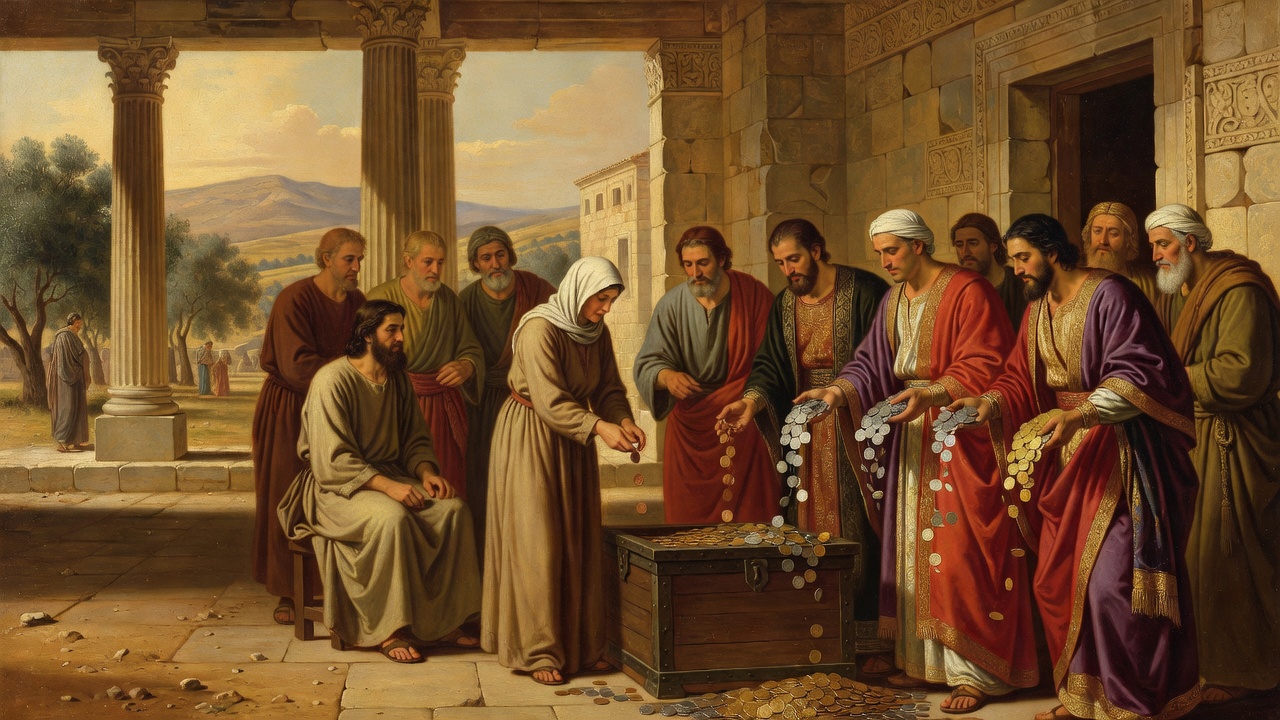
41I Yesu dǝm malgun kǝlu kap up ki libi ki Lya, ati ya' ulpu nǝsi uttti agibɓi u. Hwu mbalǝn mik ulki toh asi utti ulpi milnalti. 42Amma guli kǝliwonmbǝ gunǝ bǝ ullǝn nǝɗawai u gunǝ mwaniwas mǝci i bǝl bwasti dlom ki kobo, iki kobo nǝm, 43I Yesu taki milkushtiwas bi, i ulsisu, “Balini, amipikkini, ulnǝ guli u utti u gunǝ bǝ ulǝn nǝɗa wai u ngǝl ki mbalǝn kap. 44Musswasǝn si bǝlini tǝngaki usǝn wasǝn, ti ɓo jwa ulnǝ nǝtoh u tǝbǝli, gunǝ itidǝmiti.”
Did you know?
Debates in the Temple
- The Sadducees, who say there is no resurrection, question Jesus about seven brothers and one widow, appealing to what Moses wrote. He points them to the burning bush in the Book of Moses, where God says, “I am the God of Abraham, the God of Isaac, and the God of Jacob.” Abraham, “father of a multitude,” was Terah’s son; Isaac was Abraham’s only son by Sarah; and Jacob was the second-born of the twin sons of Isaac and Rebekah.Sources: the Bible text itself · Abraham · Isaac · Jacob (Israel)
- Asked which commandment is the most important, Jesus begins, “Hear, O Israel, the Lord our God, the Lord is One,” and adds, “Love your neighbor as yourself.” Israel is another name for Jacob, the second-born twin son of Isaac and Rebekah; Jacob’s name is explained as one who follows on another’s heels, or supplanter.Sources: the Bible text itself · Jacob (Israel)
- Teaching in the temple courts, Jesus asks how the scribes can say that the Christ is the Son of David if David himself calls him “Lord.” David, whose name means “Beloved,” was the eighth and youngest son of Jesse, a citizen of Bethlehem, and his early occupation was tending his father’s sheep on the uplands of Judah.Sources: the Bible text itself · David
Notes written with AI assistance from open sources (Theographic Bible Metadata, CC BY-SA 4.0; Easton’s Bible Dictionary, public domain) and reviewed before publishing.
Credits and license for this translation
Bu New Testament
The New Testament in the Bu language of Bauchi State, Nigeria
copyright © 2025 The Seed Company in collaboration with Language Developers and Bible Translators Association
Language: (Bu (Bauchi State))
Contributor: Language Developers and Bible Translators
This translation is made available to you under the terms of the
Creative Commons Attribution Share-Alike license 4.0.
You have permission to share and redistribute this Bible translation in any format and to make reasonable revisions and adaptations of this translation, provided that:
You include the above copyright and source information.
If you make any changes to the text, you must indicate that you did so in a way that makes it clear that the original licensor is not necessarily endorsing your changes.
If you redistribute this text, you must distribute your contributions under the same license as the original.
Pictures included with Scriptures and other documents on this site are licensed just for use with those Scriptures and documents.
For other uses, please contact the respective copyright owners.
Note that in addition to the rules above, revising and adapting God's Word involves a great responsibility to be true to God's Word. See Revelation 22:18-19.
2025-07-10
Source: http://ebible.org/zbu/ · eBible.org