John 12
Etulo NT · Tap a verse to see its cross-references.
A kye engyie kyi iYesu mi iBetani
1Ngwi oga owɛ owatɔ-watɔ mgbi emi iJuda sisi egbe egyin nɛ, iYesu si kaka iBetani, imbe ngwi iLadzaru ongwu iYesu kyilon mi ikwu dzɛ nani. 2A kyɔ oga ongwi onɔdɛ ikye mmwɛ mgbi iYesu mi imbe nani. IMata gbe oga nu, iLadzaru kpaa sɔdzɛ adinyatsɛ ogye ungwogye yi iYesu. 3Nɛ iMeri kyi kyelu ikpen engyie olɔlɔ ongwi fyunfyummya saan kye tulu kyi iYesu afɔ. Di kyi fɔlu yi otu mgban, man mmgbɛ mgbi engyie na kyi gbɛlu ozu sɔ.
4Kpaa engwafɔ mgbi iYesu onyi, iJuda Iskarɔti ongwu nka wa kyon gya ma byita gbɛɛ, 5<<Kyɔsinɛ ngwi a kye engyie nɛ gya kye awuya na gha emi adzɛ ba? I mɛ udza okpa idɔ onova olɔlɔ.>> 6O gbɔdzɛ nɛ ikyegbɛɛ di o kye emi adzɛ wuuta ba, kpaa li ikyegbɛɛ o li emumyi; ngwi o li inggisɛ okye ashiko da nɛ, o li ya ewon abɔ mi ungwɔ ngwi a kye wokɛ ele mani.
7IYesu gbɛɛ, <<Dzanta kɛ. O kye engyie nɛ dzɛkɛ mi ikye egbe owa ndzi ani. 8Ema ka dzɛ yi emi adzɛ mi idzidzɛ ema alonɔ duu, kpaa ema ka dzɛ yi ani alonɔ ba.>>
9Ibyi inggisɛ emi iJuda difwi gbɛɛ iYesu dzɛ imbe nani man a ba, mi ikyon ta ba kpaa owa di iLadzaru, ongwu iYesu kyilon mi ikwongye nani. 10Nɛ engyukwo ama ofifɛ mgbi Imgbasho dzɛ yi oweka okyi ngwɔlu iLadzaru kpaa, 11lubana mi ikye mgbi iLadzaru emi iJuda kwuba le dzata engyukwo mgbi ama yɛ nu iYesu oyɛyɛ.
IYesu kaka mi oglijo
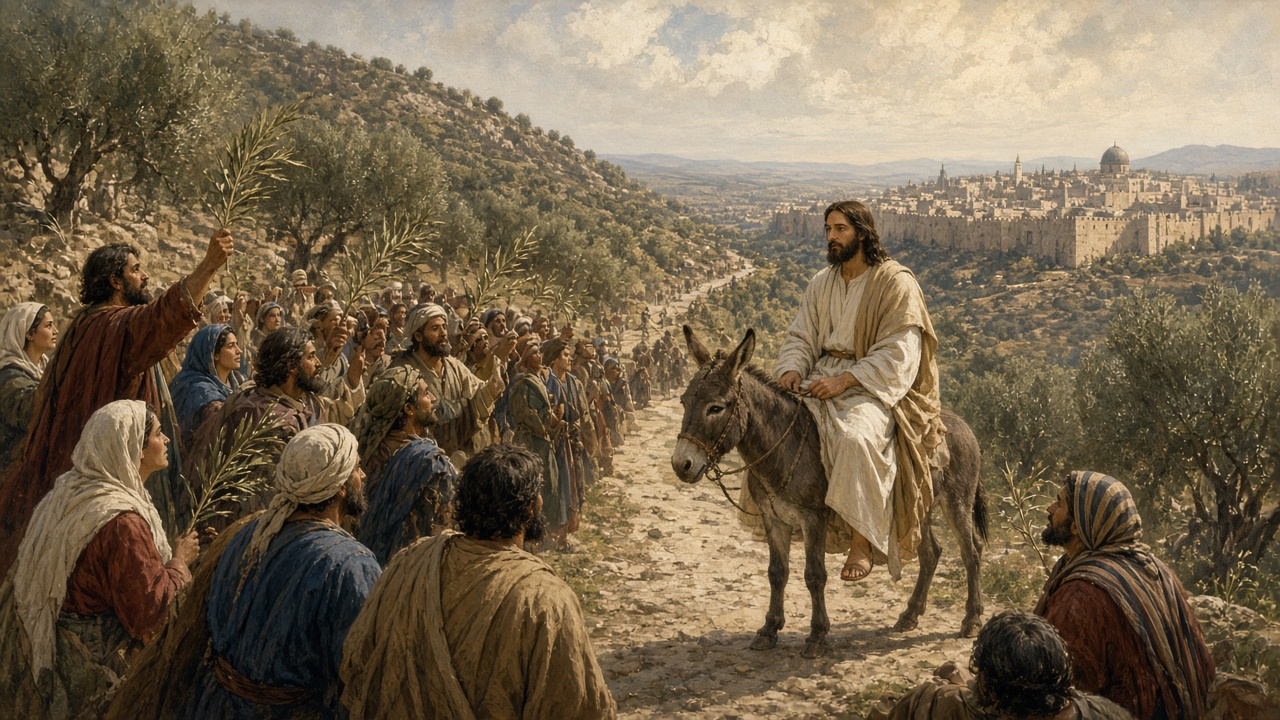
12Tegblifan ibyi inggisɛ kpakpa ama nba oga owɛ owatɔ-watɔ mgbi emi iJuda fwo gbɛɛ iYesu kye ofɛ dikye le ba iJerosalin nɛ, 13a gbe abaade tasɛ oka tun, le gbaakwɔ gbɛɛ,
<<Osana!
Mse no bɛ Inggisɛ ngwu ba
mi iyi mgbi Otsɛ ewo!
Mse no bɛ Utɔ mgbi emi Israi ewo!>>
14IYesu tu ongwɛ itaklimyi dɔkɛ ele, dafi a teyi lɔ mi afɛ gbɛɛ,
15<<Ka mio ba na, engwengwengyaa mgbi iDzayɔn;
dii, utɔ mgbi abu kyɛ aali,
o dɔdzɛ ongwɛ itaklimyi.>>
16Mi ababɔ ma engwafɔ mgban difwi ungwɔ ntonɛ ba. Li onɔ ngwi a nu iYesu okwɔkwɔ nyɛ ma se, a kuma difwi gbɛɛ ungwɔ ngwi a kyɔn ntonɛ, Afɛ plɛ lɔ dzɛ esɛ ikyon.
17Ikyenghanɛ ibyi inggisɛ ama nto yan mi onɔ ngwi o kwu iLadzaru ela tasɛ mi endzi di kyilon mi ikwu ma, kiyayi okye elodzɛ na gbɔfwɛ. 18Ikyegbɛɛ inggisɛ kwuba fwo ambɛ okwulewo ngwi o kyɔ nɛ, a tasɛ oka tun. 19Nɛ emi iFarasi gbɔ yi ewoma gbɛɛ, <<Dii, ungwɔnɛ le kye eyi kɛ mbeka ba. Di dafi ɛsɛ duu kyɛdɔn mani!>>
IYesu gbɔdzɛ ikwu ewon
20Emi iGriki angbeka kɛ oka sunu mi oga owɛ owatɔ-watɔ mgbi emi iJuda nani. 21A ba mbi iFyilipi, ongwu kyɛ mi iBɛtsaida mi iGalalia na, yi imina. A gbɛɛ, <<Ongyukwo, i mina eyi odi iYesu.>> 22IFyilipi si kɛ ka nya Andru; Andru yi iFyilipi diyɛ lu ka nya iYesu.
23IYesu nu uka gbɛɛ, <<Obyi ngwi Ongwɛ Inggisɛ ka gbɛ okwɔkwɔ ma gyɔ wa. 24N nya ema otsitsi, ni inɛnekwu ngwuta lakɛ esɛ ma ni i bwa bayɔ, ka li inɛnɛ onyi kpɔɔ; kpaa non bwa yɔ, ka mba kwuba. 25Inggisɛ ndi oshishe mgban kpan itukwu yɔ, oshishe na ka nyanya lon, kpaa ongwu ndi oshishe mgban tan anyi mi ɛsɛ nɛ yɔ, ka kyon kaka oshishe ogyegwu. 26Ali inggisɛ nkyɔ ani idɔ ka kyɛdɔ ani kyɛmɛ; imbe ngwi ani dzɛ ma, ongbidɔ mgbi ani kpaa ka dzɛ ele. Otsani ka nu ongwu nli kyɔ ani idɔ ma mmwɛ.
27<<Onɛnɛ itukwu mgbi Ani dzɛ mi okakewo, ma li alungwɔ ngwi ani ka gbɔ? Nin gbɛɛ, <Otsani, dulu Ani tɔ mi obyi nɛɛ>? Ei, li mi itɔdzɛ nɛ yɛyɛ ngwi Ani kaka obyi nɛ aani. 28Otsani, kye okwɔkwɔ nu iyi mgbi abu!>>
Ta ela tɔ mi esho gbɛɛ, <<N kye okwɔkwɔ nu mi ele wa, ma n dika nun okwɔkwɔ kpɔɔ.>> 29Ibyi inggisɛ ama nto mmana ma fwo ungwɔ na di gbɛɛ akpala gbo; angbeka gbɛɛ ongyesɔ gbɔdzɛ yan.
30IYesu gbɛɛ, <<Ela nɛ ba mi ikye mgbi ani ba, kpaa li mi ikye oyabɔ mgbi ema. 31Onɛnɛ li onɔ ngwi a ka gbɔ ɛsɛ nɛ ikwɔ, li onɛnɛ ngwi a ka lɔ ongwuutɔ ongwu ɛsɛ nɛ onya tɔ. 32Nghaduu Ani, onɔ ngwi a wa kyile Ani esho mi ɛsɛ nɛ yɔ, N ka kwo inggisɛ duu ba mbi ani.>> 33O gbɔ ungwɔnɛ ikye otso itɔ ikwu ngwi ongwu ka wa kwu mani.
34Ibyi inggisɛ gbɛɛ, <<Eyi fwo mi Afɛ gbɛɛ iMedzaya ma ka dzɛ gyegwu, ma kyɔnɛ ngwi abu ka gbɛɛ, <A ka kye Ongwɛ Inggisɛ lu esho kyɛmɛ>? Li emɛ li Ongwɛ Inggisɛ nɛ?>>
35IYesu si nya ma gbɛɛ, <<Ema ka wa tu osa mi ongwonɔ mi iyayi. Kyikyɛ mi onɔ ngwi ema ka dzɛ yi osa nɛni, duuse ni otu wa to tu ema. Inggisɛ nli kyikyɛ mi iyifu li ye imbe ngwi o le kɛ ba. 36Ema noyɛyɛ mi osa ngwi ema ka dzɛyan nɛni, ikye ni ema wa yɛɛ emi ongwɛ osa.>> Ngwi o ngyɛlu odzɛ ogbɔɔgbɔ mata, o si lu ka da.
Emi iJuda fwa onu iYesu oyɛyɛ
37Ambɛ ama okwulewo ngwi iYesu kyɔ mi inai ma nɛ kpaa, a nun oyɛyɛ ba. 38Ungwɔnɛ kyɔ ikye ombwumbwo elodzɛ mgbi oyegbɔ Adzaya ngbɛɛ:
<<Otsɛ, li emɛ noyɛyɛ mi esɔ mgbi eyi,
di li emɛ ngwu mfye mgbi Otsɛ
tso tɔ ododa mbon?>>
39Li mi itɔdzɛ nɛ ngwi a yagba noyɛyɛ ba aali, ikyena, dafi Adzaya kpaa gbɔ mbeka ma gbɛɛ:
40<<O tukwu ma inɛ di nu itukwu mgbi ama tiishu,
nghanɛ a ka di mi inɛ mgbi ama wuba,
naadi difwi mi itukwu mgbi ama ba,
hona kyatitukwu ni ani bwe ma ba.>>
41Adzaya gbɔdzɛ nɛ ikyekyɛ o di okwɔkwɔ mgbi iYesu di gbɔdzɛ mi efu.
42Nghaduu mi onɔ na kpɔɔ angbeka kwuba mi idzidzɛ ama ogbe inggisɛ teyi nun oyɛyɛ. Kpaa mi ikye mgbi emi iFarasi a yama gbɔ oyɛyɛ onuunu mgbi ama tasɛ esɛ ba, ikyesinɛ a le mio gbɛɛ a wa dulu ma tɔ mi ozu okwakye mgbi emi iJuda. 43Lubana a mina otsɛɛtsɛ mgbi inggisɛ ngha otsɛɛtsɛ mgbi Imgbasho.
44IYesu gbɔ mi ela okwukwo gbɛɛ, <<Ni inggisɛ nu ani oyɛyɛ yɔ, li ani ta ngwi o noyɛyɛ ba, kpaa o nu ongwu ndɔ ani esɔ ma oyɛyɛ. 45Inggisɛ ndi ani yɔ, o di ongwu ndɔ ani esɔ mani. 46Ani ba ɛsɛ nɛ dafi osa, ikyegbɛɛ ali inggisɛ ongwu nu ani oyɛyɛ yɔ non ka dzɛ mi iifu ba.
47<<Mbi inggisɛ ongwu nfwo elodzɛ mgbi ani kpaa ngyo ma bayɔ, ani gbɔn ikwɔ ba. Bana ani ba owa gbɔ ɛsɛ ikwɔ ba, kpaa owa dulun tɔ. 48Ikwɔ dzɛ mi ikye mgbi ongwu nfwa ani diyɛ gbɛ elodzɛ mgbi ani ba mani; elodzɛ ngwi ani gbɔ na kpɔɔ ka ngwɔn ikwɔ mi egbe ongwi olɛlɛ. 49Bana ani le gbɔdzɛ mgbi ikyibani ba, kpaa li Otsani ndɔ ani esɔ ma wo ani ola mi ungwɔ ngwi ani ka gbɔ yi itɔ ofɛ ngwi ani dika gbɔn mani. 50Ani ye gbɛɛ ola mgban li nu oshishe gyegwu. Nghanɛ alungwɔ ngwi ani gbɔ yɔ le yɛyɛ yi ungwɔ ngwi Otsani nya ani gbɛɛ ni ani gbɔ mani.>>
Did you know?
The Anointing at Bethany and the Entry into Jerusalem
- Bethany, where Jesus arrived six days before the Passover, lay about two miles east of Jerusalem on the southeastern slope of the Mount of Olives, along the road to Jericho, and took its name from the palm trees that grew there. It was the home of Lazarus, whom Jesus had raised from the dead after four days in the tomb, and of his sisters Martha and Mary; the chief priests planned to kill Lazarus as well, because on his account many people were believing in Jesus.Sources: the Bible text itself · Bethany · Lazarus
- At a dinner where Martha served and Lazarus reclined at the table, Mary anointed Jesus' feet with about a pint of expensive perfume made of pure nard and wiped them with her hair, so the house was filled with the fragrance. Judas Iscariot, son of Simon, whose surname means a man of Kerioth, asked why it was not sold for three hundred denarii for the poor; he was a thief who, as keeper of the money bag, used to take from what was put into it, and he was going to betray Jesus.Sources: the Bible text itself · Judas Iscariot · Simon
- The next day the great crowd that had come for the feast took palm branches and went out to meet Jesus as he came to Jerusalem, seated on a young donkey, shouting praise to the King of Israel, as it is written of the Daughter of Zion. Zion was the southeastern hill of Jerusalem, where David built a citadel and a palace after taking it, so that it became the city of David. At first his disciples did not understand these things, but after Jesus was glorified they remembered that they had also been written about him.Sources: the Bible text itself · Zion
Notes written with AI assistance from open sources (Theographic Bible Metadata, CC BY-SA 4.0; Easton’s Bible Dictionary, public domain) and reviewed before publishing.
Places in this chapter
- Jerusalem · 31.777, 35.234 · verses 11, 12, 20
- Zion · Today: Jerusalem · 31.777, 35.234 · verse 15
- Galilee · 32.760, 35.527 · verse 21
Only places identified with high confidence are shown (90% or more according to the scholarly sources compiled by OpenBible). Period map: DARE (Digital Atlas of the Roman Empire), CC BY 4.0; modern map: © OpenStreetMap contributors; places: OpenBible.info (CC BY 4.0).
Credits and license for this translation
Etulo NT
Portions of the Holy Bible in the Etulo language of Nigeria
copyright © 2024 Initiative for the Translation and Development of African Languages
Language: (Etulo)
Contributor: The Seed Company
This translation is made available to you under the terms of the
Creative Commons Attribution Share-Alike license 4.0.
You have permission to share and redistribute this Bible translation in any format and to make reasonable revisions and adaptations of this translation, provided that:
You include the above copyright and source information.
If you make any changes to the text, you must indicate that you did so in a way that makes it clear that the original licensor is not necessarily endorsing your changes.
If you redistribute this text, you must distribute your contributions under the same license as the original.
Pictures included with Scriptures and other documents on this site are licensed just for use with those Scriptures and documents.
For other uses, please contact the respective copyright owners.
Note that in addition to the rules above, revising and adapting God's Word involves a great responsibility to be true to God's Word. See Revelation 22:18-19.
2025-07-09
Source: http://ebible.org/utr/ · eBible.org