Hebrews 11
Etulo NT · Tap a verse to see its cross-references.
Oyɛyɛ onuunu
1Oyɛyɛ onuunu li ungwɔ ama nka wa dzɛ kyɛmɛ ngwi eyi gbɛwɛbyi ele, ambɛ mgbi ungwɔ ngwi eyi li di ma ba mani. 2Li oyɛyɛ onuunu nu ma tsɛ emi otsikyeyi tugbe aali.
3Li mi oyɛyɛ onuunu ngwi eyi tu osa gbɛɛ Imgbasho ta ɛsɛ mi elodzɛ mgban, nghanɛ ungwɔ ngwi a ta ma ngwi eyi li di ntonɛ, a ta ma mi ungwɔ ngwi inɛ li di ba mani. 4Mi oyɛyɛ onuunu Ebɛl fifɛ ntatase nu Imgbasho ngha mgbi iKain. Mi oyɛyɛ onuunu a tsan gbɛɛ o li inggisɛ osaan, onɔ ngwi Imgbasho shɛ inɛ ta ikye yi umba mgban mani. Ngwi Ebɛl kwulu nɛ kpaa, o kale gbɔdzɛ oyɛyɛ onuunu mgban yi eyi.
5Enɔku nose noyɛyɛ o di ikwongye inɛ ba, a kyon lu esho oshishe a din wuba. Kpaa duuse ni a kyon lu esho yɔ, a tsan gbɛɛ o li inggisɛ nkyɔ owitukwu Imgbasho. 6Ma ni li mi oyɛyɛ onuunu bayɔ inggisɛ onyi ka kyungwɔ kpa Imgbasho ba, ikyekyɛ ali inggisɛ nba mbon yɔ li kyɛmɛ no noyɛyɛ gbɛɛ o dzɛma, o di li nu ama npitan mi otsitsi ma umba.
7Ikyegbɛɛ iNua noyɛyɛ nɛ, Imgbasho kye ungwɔ nka wa kyɔ mi iyayi tson. O fwo Imgbasho di kpa uwaa ngwi dulun tɔ yi etɔ mgban. Mi itɔdzɛ nɛ a gbɔ ɛsɛ ikwɔ, man a kye mse ndzɛ ikye ali inggisɛ osaan ma kye nun.
8Abrahan noyɛyɛ di fwo Imgbasho. A nyan gbɛɛ no lu imbe ngwi o kawa gyokwudan, ngwi Abrahan nu Imgbasho oyɛyɛ nɛ, o ye ɛsɛ na ba kpaa o lu. 9Mi oyɛyɛ onuunu o lu dafi ingyoga ka mbɛ udɛ mgban mi ɛsɛ ondu odzɛɛdzɛ mi anengye; o la afu, dafi Adziki yi iJeko ama ngyokwudɛ ungwonyi yan kpaa la mani. 10Lubana o gbinɛbyi ogalu ngwi a wo itan, ngwi inggisɛ ombaamba yi ombɛɛmbɛ li Imgbasho nani.
11Abrahan noyɛyɛ gbɛɛ Imgbasho ka mbwo ondu odzɛɛdzɛ mgban, li ikyengha ngwi Abrahan kyɛ ngwi iSara di li ogyoma kpaa yɛɛ ungwɔ otu ongwɛ aali. 12Nghanɛ li ikpewo Abrahan onyi ngwu kyɛ kika mbongwɛ gbɛ wuba nɛ, ngwi engwiban tɔ mbwo dafi mcɛ mi akpa bɛyi mfyan mi ekyoo aani.
13Inggisɛ ntonɛ duu kale noyɛyɛ se a kwa kwulu. A yama tu ungwɔ ama ngwi a zondu yi ama ntona ba; a di kɛ mbombo ma i tsa ma atsa. A di gbela gbɛɛ ama baaba di li ingyoga mi ɛsɛ nɛni. 14Inggisɛ ama ngbɔ itɔ odzɛ ntonɛ le tso gbɛɛ a le mina ɛsɛ nka li mgbi ama. 15Ni a kile tsɛwɛ ɛsɛ ngwi a dzanta na yɔ, a kika tu ofɛ oyɛ lu ele. 16A yɛ le tsɛwɛ ɛsɛ ntatase ongwi esho nani. Nghanɛ i kwu Imgbasho ayiwi onu ma kwu ongwu gbɛɛ Imgbasho mgbi ama ba, ikyekyɛ o mbɛ ma ogalu.
17Li mi oyɛyɛ onuunu ngwi Abrahan kye ongwan Adziki nu onɔ ngwi Imgbasho mbadin na aali. Abrahan ngwu Imgbasho zondu yan nɛ wewo okye ongwan onyi kpokpo fifɛ. 18Dafi Imgbasho zondu yan gbɛɛ, <<Ka li mbi Adziki nɛ ngwi a ka wita ogbɔ etɔ mgbi abu.>> 19Abrahan ye ta gbɛɛ Imgbasho li kyile emi ikwukwɔ, i kɛ dafi li mi ikwu ngwi o yile Adziki mani.
20Li mi oyɛyɛ onuunu ngwi Adziki kye mse bɛ iJeko yi Isol ewo ikye odzɛɛdzɛ mgbi ama ongwi iyayi aali.
21IJeko mi oyɛyɛ onuunu mgban duuse no kwulu yɔ, o kye mse bɛ emi ongwɛ iJose duu ewo, di fyikɛ okwuta mgban yɛ sunu.
22IJose mi oyɛyɛ onuunu mgban, ngwi o wa dzɛ kwɛkwɛ okwulu jokpaa, o gbɔdzɛ otɔ-tɔ mgbi emi Israi mi Igyibiti, o nya ma gbɛɛ nu ma wa kye akpukpu mgbi ongwu byi lu yi ama.
23Li mi oyɛyɛ onuunu ngwi ama omba iMose kyon da mɛ ofyia eta mi onɔ ngwi a mban mani, ikyekyɛ ama omban di gbɛɛ odzɛɛdzɛ mgban li idzidza yi ɛngbɛ angbeka, a di wimio ola ngwi utɔ wo ma ba.
24Mi oyɛyɛ onuunu ngwi iMose wa she kpaa o gbela nu ma yon gbɛɛ ongwu li ongwiba mgbi iFaro mbi ongwan ongwu ongyaa ba. 25O di gbɛɛ i tatase ni ongwu gyadzɛ ungwonyi yi emidi Imgbasho ngha onu ongwu gye ɛsɛ mi alobube mi ongwonɔ gwee. 26O kye ayiwi ogyeegye mi ikye iKrestu wuuta ngha aludu mgbi emi Igyibiti nani, ikyekyɛ o kyinɛbyi umba mgban nkyɛ iyayi mani. 27O dzata Igyibiti mi oyɛyɛ onuunu, o yama wimio itingga mgbi utɔ ba dududu, o shitukwu kpɔɔ ikyekyɛ o di ongwu a li dun ba nani. 28Li mi oyɛyɛ onuunu ngwi iMose wo emi Israi ola gbɛɛ nu ma le gye oga owɛ owatɔ-watɔ di kye eyi kyi onufɛ ikyegbɛɛ ongwu nka wa dzili engwevlɛ na no ka kye abɔ gbo ongwovlɛ emi Israi ba aali.
29Mi oyɛyɛ onuunu inggisɛ ntona kyikyɛ mi ikpɛsɛ nyɛ onekyoo omuma, kpaa ngwi emi igyibiti fya gbɛɛ ama kpaa ka kyɛdɔ ma nɛ, eni dzili ma.
30Mi oyɛyɛ onuunu ogalu iJeriko bulu tukwu esɛ, onɔ ngwi emi Israi kyikyɛ kpastɛ ikpishi ogalu na egbe egyafa mani.
31Li mi oyɛyɛ onuunu ngwi a ngwɔ owagbai iRaha yi ama onghaadɔ emi iJeriko ntona ba aali, ikyekyɛ o gbɛ ama owodi ntona abɔ efa.
32Nin di gbɔ ali odzɛ? N sulu onɔ ogbɔdzɛ mgbi iGidiɔn, iBaraki, iSansin, iJefta, iDevedi, iSamue bɛyi ama ogbɛɛsɛ ba, 33ama nkyi gbɛlu esutɔ kwuba mi oyɛyɛ onuunu di li gbiikwɔ mi emyɛmyɛ di tu ungwɔ ngwi a zondu yi ama nani; a tukwulu ugaba ondu, 34di myunu amoola okwusunkli di gye ma ba; ewo odzaatsi mgbi ama kyata yɛɛ ɛnɛpɛ; a yɛɛ engyilika di ngha oblakwutsɛ emi iyikpɛsɛ ika. 35Engyaa di emidama nkwulu se ngwi a di kyile ma mi ikwu mani. A nu angbeka isɔ kpaa a fwa odzata Imgbasho, ikye nu ma wa tu okyɛɛ-kyɛɛ mi ikwu osuse. 36Angbeka gbiisɔ mi agya yi ibe ogboogbo, a kwa di bwa angbeka adi gbe ma ka wokɛ obawi. 37A tsɛngwɔ angbeka mi akwutsɛ, kwɔdzɛ angbeka efa; a ngwɔ angbeka mi okwusunkli. A le ga kyɛ yi okpa mmala yi okpa mndɔ ewo, a tundzɛ yi adzɛ, a nu ma isɔ di kyɔ yi ama timbi-timbi. 38Ɛsɛ nɛ gbuo yi ama wuba. A le ga kyɛ imbe okplagada yi unggwɔ yi ifo akwutsɛ bɛyi ishɛ mi ikpɛsɛ.
39Ama duu, a tsɛ ma ikye oyɛyɛ onuunu mgbi ama, nghaduu kpaa a yama tu ungwɔ ngwi a zondu onu ma ma ba. 40Imgbasho tsɛwɛ ungwɔ osuse ikye eyi, ikyegbɛɛ nu ma beewo yi eyi yɔ a ka nu ma yɛɛ saan.
Did you know?
Examples of Faith Throughout History
- Hebrews 11 defines faith as the assurance of things hoped for and conviction regarding things not seen, presenting a chronological survey of figures from Genesis through the era of the prophets.Sources: the Bible text itself
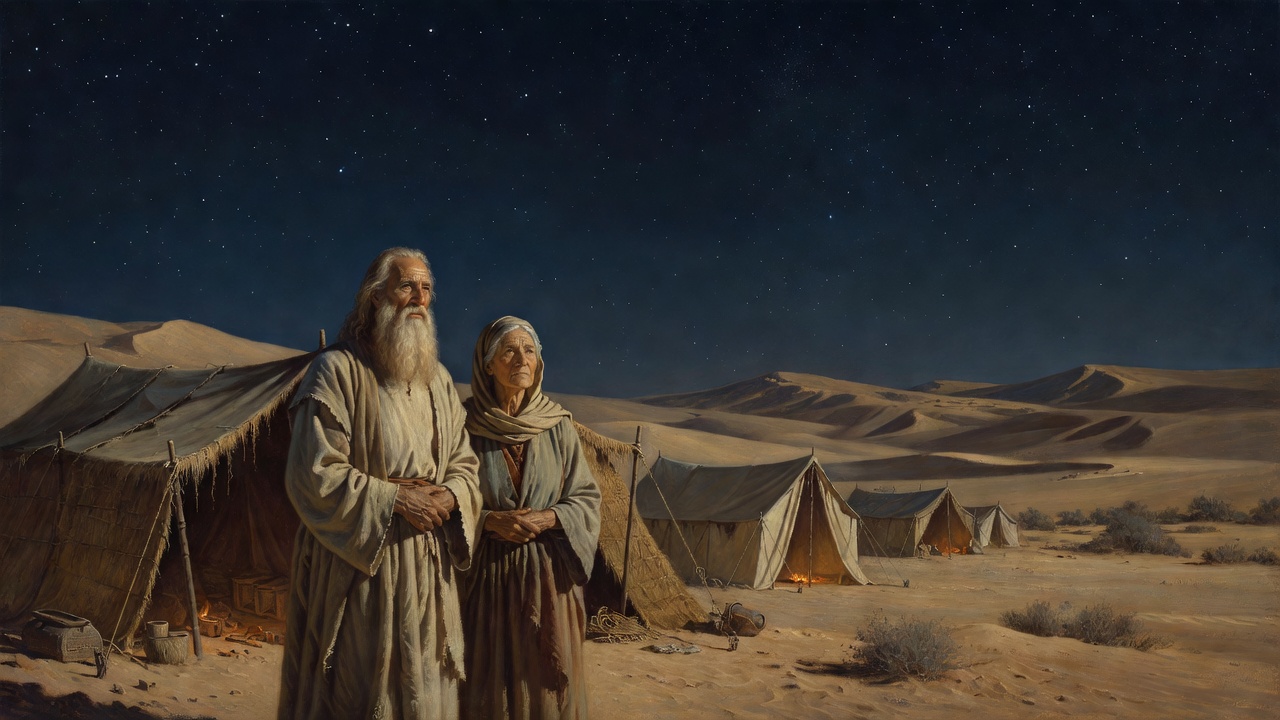
- The chapter highlights Abraham, Isaac, and Jacob dwelling in tents as strangers in the promised land, describing their nomadic lifestyle as an expression of looking forward to a permanent heavenly city.Sources: Abraham · Isaac · Jacob (Israel) · the Bible text itself
- The author traces Israelite history through key turning points, including Moses leaving the court and riches of Egypt, the crossing of the Red Sea, and the collapse of the fortified walls of Jericho.Sources: Egypt · Red Sea · Jericho
Notes written with AI assistance from open sources (Theographic Bible Metadata, CC BY-SA 4.0; Easton’s Bible Dictionary, public domain) and reviewed before publishing.
Places in this chapter
- Egypt · 30.129, 31.308 · verses 22, 26, 27
- Jericho · Today: Tell es Sultan · 31.872, 35.445 · verse 30
Only places identified with high confidence are shown (90% or more according to the scholarly sources compiled by OpenBible). Period map: DARE (Digital Atlas of the Roman Empire), CC BY 4.0; modern map: © OpenStreetMap contributors; places: OpenBible.info (CC BY 4.0).
Credits and license for this translation
Etulo NT
Portions of the Holy Bible in the Etulo language of Nigeria
copyright © 2024 Initiative for the Translation and Development of African Languages
Language: (Etulo)
Contributor: The Seed Company
This translation is made available to you under the terms of the
Creative Commons Attribution Share-Alike license 4.0.
You have permission to share and redistribute this Bible translation in any format and to make reasonable revisions and adaptations of this translation, provided that:
You include the above copyright and source information.
If you make any changes to the text, you must indicate that you did so in a way that makes it clear that the original licensor is not necessarily endorsing your changes.
If you redistribute this text, you must distribute your contributions under the same license as the original.
Pictures included with Scriptures and other documents on this site are licensed just for use with those Scriptures and documents.
For other uses, please contact the respective copyright owners.
Note that in addition to the rules above, revising and adapting God's Word involves a great responsibility to be true to God's Word. See Revelation 22:18-19.
2025-07-09
Source: http://ebible.org/utr/ · eBible.org