Revelation 2
Tupã Je'ẽha · Tap a verse to see its cross-references.
Ese ok ta pe har Jesu kotyhar ta pe Juã mupinim
1Ihẽ pe a'e pandu:
—Ese ok ta pe ihẽ kotyhar tama'e jy'ariha renda ihĩ. Ame'ẽma'e kapitã pe kuja emupinim: “Pehẽ pe myrandu ke ihẽ amondo axo. Ihẽ riki ihẽ po pe jahy rata apyhyk ame'ẽ ke ihẽ. Ihẽ jywa katu kotyhar ame'ẽ pe awa po wajar mokõi hetaha ihẽ apyhyk. Ma'e weraha tymã rupi awata axo ame'ẽ ke ihẽ tĩ. Itatawa ke te'e mujã ame'ẽ ke ame'ẽ. Awa po wajar mokõi hetaha ihĩ. Ame'ẽ rupi ihẽ awata axo.
2—Pehẽ pema'ema'e ame'ẽ ke ihẽ akwa katu. Mu'eharan ta je'ẽha ke pemukanim tar katu te hũ. Ame'ẽ rehe har pepandu pandu hũ. Aja pemukanim. Ame'ẽ ke ihẽ akwa katu. Pehẽ ke amõ ta mupyrara rahã, pehẽ py'ahu te'e pehendu pexo, aja ihẽ akwa katu tĩ. Ma'e ka'u te'eha ke ma'ema'e, ame'ẽ ta ke peputar ym tĩ. Ame'ẽ ke ihẽ akwa katu tĩ. Amõ ta pandu: ‘Kirisutu mondo ame'ẽ ta ke jande’ aja naĩ. Jete my? Ame'ẽ ke pemanga katu. Aja rahã, Kirisutu mondo ym ame'ẽ ta ke a'eta aja pekwa. Te'e pandu ame'ẽ ta ke a'eta aja pekwa tĩ. Aja pema'ema'e ame'ẽ ke ihẽ akwa katu tĩ. 3Ihẽ kotyhar ta ke pehẽ, a'erehe pehẽ ke amõ ta mupyrara hũ. Pehẽ py'ahu te'e pehendu pexo. Ihẽ rehe pehẽ pejurujar katuha ke pehijar ym tĩ. (Upa ame'ẽ rehe ihẽ rury katu.)
4—(Pe, kuja jõ ihẽ rury ym.) Ihẽ rehe pejurujar katu py rahã, ihẽ rehe pepy'a katu te hũ. Aja ihẽ rehe pepy'a katu ym pexo apo 'y. 5Myja me'ẽ pehẽ pepy'a katuha kanim my? Myja pemukanim my? Ame'ẽ rehe har pekwa pekwa pexo. Ma'e pehẽ peka'u te'eha ke pema'ema'eha ke pehijar. Pe, pema'e py, ame'ẽ ke pema'ema'e tĩ. Mu'eharan ta je'ẽha ke pemukanim tĩ. Ma'e peka'u te'eha pema'ema'eha ke pehijar ym rahã, pehẽ rehe ihẽ ahyk ta. Amupyrara ta pehẽ ke. Ma'e weraha tymã ke ihẽ amukanim ta. (Aja rahã, jy'ariha renda nixói ta.)
6—Pe, Niko kotyhar ta ma'ema'e ame'ẽ ke peputar ym tĩ. Jetehar ym ame'ẽ ta mu'e. Ihẽ aja ame'ẽ ta ke peputar ym tĩ. Ame'ẽ pema'eha riki katu” — aja Jesu pandu.
7—Pekwa tar katu rahã, myrandu rehe pehendu katu. Ihẽ kotyhar ta pe Tupã'ã mujekwa ame'ẽ ke rehe pehendu katu! Ihẽ rehe jurujar katuha ke amõ hijar ym rahã, ihẽ apandu ta: “Tupãma'e kupixa pe exo katu. A'ep ma'eywa heta i'ãi. E'u. Aja rahã, nde rury katuha namõ nde ruhã te hũ nde erexo ta” — aja Jesu pandu.
Esimi ok ta pe har Jesu kotyhar ta pe Juã mupinim
8Ihẽ pe Jesu pandu tĩ:
—Esimi ok ta pe ihẽ kotyhar tama'e jy'ariha renda ihĩ. Ame'ẽma'e kapitã pe kuja emupinim: “Ihẽ riki ihẽ ruhã te hũ ame'ẽ ke ihẽ. Ma'e nixói te rahã, pete'e ihẽ axo. Yman te rahã, pete'e ta ihẽ axo tĩ. Ihẽ amanõ. Pe, ihẽ akwera katu ahem tĩ.
9—Pesarahã! Pehẽ ke amõ ta mupyrara hũ ame'ẽ ke ihẽ akwa katu. Mupyrara hũ, a'erehe pehẽma'e ym te ame'ẽ ke ihẽ akwa katu tĩ. Pesarahã! Tupã ukwa katu ame'ẽ ke anĩ. Pehẽma'e ke heta hũ aja a'e ukwa. Amõ ta pandu: ‘Jundéu awa ta ke jande, a'erehe pehẽ namõ Tupã rehe jande py'a jamoĩ moĩ ta’ aja pandu naĩ. Anĩ. Ihẽ ke ame'ẽ ta putar ym. A'erehe pehẽ rehe ame'ẽ ta juru ai. A'erehe ame'ẽ ta riki Satana kotyhar ta ke. 10Pehẽ pepyrara hũ tate. Ame'ẽ ngi pekyje ym.
—Pesarahã! Pehẽ ngi har amõ amõ ke kyndaha pe Satana kotyhar ta kynda ta raho. Aja ihẽ rehe pejurujar katuha ke Satana manga ta. (Ãjã ramũi a'e.) Pepyraraha heta ym ta wera. Ihẽ rehe pejurujar katuha ke pehijar ym. Pehẽ ke amõ ta jukwa ta my? Pehijar ym pejurujar katuha ke tĩ. Aja rahã ma'e katu ame'ẽ ke pehẽ pe ihẽ ame'ẽ ta. Pehijar ym, a'erehe pehẽ ruhãha ke ihẽ ame'ẽ ta pehẽ pe” — aja Jesu pandu.
11—Pekwa tar katu rahã, myrandu rehe pehendu katu. Ihẽ kotyhar ta pe Tupã'ã mujekwa ame'ẽ ke rehe pehendu katu! Tapijar te'e we ihẽ rehe pejurujar katu rahã, marã ka ym mupyraraha renda pe pehoha. Mupyraraha renda pe amõ oho ta rahã, mokõihar manõ, ame'ẽja saka riki — aja Jesu pandu.
Per ok ta pe har Jesu kotyhar ta pe Juã mupinim
12Ihẽ pe a'e pandu tĩ:
—Per ok ta pe ihẽ kotyhar tama'e jy'ariha renda ihĩ. Ame'ẽma'e kapitã pe kuja emupinim: “Pehẽ pe myrandu ke ihẽ amondo axo. Ihẽ apandu rahã, kyse upa te'e haimbe ame'ẽ ke uhem, ame'ẽja saka.
13—Pesarahã! Per ok ta pe har ta katu ym te riki. A'ep Satana ixo, ame'ẽja saka. (Ãjã ramũi a'e.) Ame'ẽ ok ta pe pexo, aja ihẽ akwa katu. Ihẽ kotyhar ta ke pehẽ. Ihẽ rehe har Anti pandu pandu katu. Ihẽ rehe jurujar katuha ke a'e hijar ym. Pe, a'e ke ngã jukwa. (Aja pehẽ ke ngã mukyje ta tipe.) Anĩ. Arahã ihẽ rehe pejurujar katuha ke pehijar ym riki tĩ. (Upa ame'ẽ rehe ihẽ rury katu.) Ame'ẽ ok ta pe Satana ixo, ame'ẽja saka.
14—Pe riki pehẽ rehe har ihẽ aje'ẽ we ta. Kuja ihẽ rury ym. Pehẽ ngi har amõ ta Maraã mu'e ame'ẽ ke rehe hendu katu. Katu ym aja. Yman Mbara ke Maraã mu'e. Kuja yman Maraã mu'e. ‘Tupãran ruwa koty ma'e mi'u ke ngã moĩ. Ame'ẽ ke pe'u katu. Kũjã rehe peka'u te'e tĩ. Sawa'e rehe peka'u te'e tĩ, aja jundéu awa ta pe epandu katu’ aja Mbara pe Maraã mu'e naĩ. Ame'ẽ mu'eha rehe amõ ta hendu katu. Ame'ẽ ta pehẽ namõ ixo apo. Katu ym aja. 15Aja pehẽ ngi har Niko kotyhar ta mu'e ame'ẽ ke rehe hendu ame'ẽ ta ixo tĩ. Katu ym tĩ. 16Ame'ẽ ta ke pehẽ ngi pemuhem ym we pemondo rĩ. Mã peja pemuhem katu pemondo. Aja ym rahã, pahar pehẽ rehe ihẽ ahyk ta. Pe, ame'ẽ katu ym ame'ẽ ke mu'e ame'ẽ ta ke ihẽ amupyrara ta. Ihẽ apandu ta. Aja rahã, kyse aja saka ihẽ juru ngi uhem ta. Aja ame'ẽ pe ihẽ amupyrara ta ngã ke” — aja Jesu pandu.
17—Pekwa tar katu rahã, myrandu rehe pehendu katu. Ihẽ kotyhar ta pe Tupã'ã mujekwa, ame'ẽ ke rehe pehendu katu! “Ihẽ rehe jurujar katuha ke amõ hijar ym rahã, ma'e katu ame'ẽ ke ihẽ ame'ẽ ta ipe. Yman mana riki jundéu awa tama'e mi'u. Amõ mupyta ame'ẽ ke pehĩ. Ywa pe har ke ame'ẽ. A'erehe ame'ẽ ke rehe kome'ẽ ywy keruhũ pe har ta usak ym. Ame'ẽ mana aja pehẽ pe ihẽ ame'ẽ katu ta. (Aja rahã aja te'eha pehẽ ãpũ ta.) Pe, upa katu te ame'ẽ ta pe ita ra'yr tuwyr ke ihẽ ame'ẽ ta tĩ. (Aja rahã, ame'ẽ namõ huryha mujãha rehe oho katu ta. Ywa pe har huryha ke ame'ẽ.) Ame'ẽ ita ra'yr rehe awa rer pyahu ame'ẽ ke ihĩ. Ame'ẽ rer ukwa ym te awa. Ita ra'yr pyhyk ame'ẽ ke jõ ame'ẽ rer ukwa ta” — aja Jesu pandu.
Tiati ok ta pe har Jesu kotyhar ta pe Juã mupinim
18Ihẽ pe Jesu pandu tĩ:
—Tiati ok ta pe ihẽ kotyhar tama'e jy'ariha renda ihĩ. Ame'ẽma'e kapitã pe kuja emupinim: “Pehẽ pe myrandu ke ihẽ amondo axo. Tupã ra'yr ke ihẽ. Ihẽ reha tata aja hendy hũ riki. Ihẽ py hendy hũ tĩ. Itatawaran kytyk aja hendy hũ.
19—Pehẽ pema'ema'e ame'ẽ ke ihẽ akwa katu. Pepy'a katu pehẽ juehe pexo. Ihẽ rehe pejurujar katuha ke pehijar ym. Ima'e ym te ame'ẽ ta pe ma'e ke peme'ẽ me'ẽ katu. Pehẽ ke amõ ta mupyrara rahã, pehẽ py'ahu te'e pehendu. Upa ame'ẽ pema'ema'eha ke ihẽ akwa katu. Pehẽ pejurujar katu py rahã, aja pema'ema'e. Apo ame'ẽ 'ar koty te we pema'ema'e katuha. Aja rahã katu hũ. Ame'ẽ ke ihẽ akwa katu. (Upa ame'ẽ rehe ihẽ rury katu.)
20—Pe, kuja pehẽ rehe har ihẽ aje'ẽ ta. Kuja ihẽ rury ym. Amõ kũjã pehẽ namõ ixo. Ymanihar Jesambe aja a'e. ‘Katu a'e’ aja pepandu ehe har. Anĩ. Katu ym aja. Ame'ẽ kũjã pandu: ‘Tupã je'ẽha ke pandu ame'ẽ ke ihẽ’ aja pandu naĩ. Te'e riki. Ihẽ je'ẽha ke pandu ame'ẽ ta ke kũjã muka'u te'e riki. A'e mu'e ame'ẽ ke namõ muka'u te'e riki. A'erehe ihẽ je'ẽha pandu ame'ẽ ta amõ kũjã ta rehe ka'u te'e. Tupãran ruwa koty ma'e mi'u ke amõ ta moĩ, ame'ẽ ke a'eta u'u tĩ. Katu ym aja. 21Ihẽ aharõ riki. ‘Ma'e nde ereka'u te'eha ke nde erema'ema'e. Ame'ẽ ngi emuruwak. Ihẽ koty nde py'a emuruwak’ aja amõ pandu ipe. Anĩ riki. Muruwak tar ym. Sawa'e rehe ka'u te'e we rĩ. 22A'erehe a'e ke ihẽ amupyrara te hũ ta. Upa katu te kũjã mu'e ame'ẽ ke rehe hendu katu ame'ẽ ta ke ihẽ amupyrara te hũ ta tĩ. Ame'ẽ ta kũjã rehe hendu katu, a'erehe ame'ẽ ta ka'u te'eha ke ma'ema'e. Ame'ẽ ta py'a ke ihẽ koty muruwak ym rahã, pahar ame'ẽ ta ke ihẽ amupyrara ta. 23Upa kũjã kotyhar ta ke ihẽ ajukwa ta tĩ. Aja rahã, upa katu te ihẽ kotyhar ta ukwa ta. Ma'e ke rehe har ipy'a rehe amõ ukwa ukwa ixo, ame'ẽ ke ihẽ akwa katu te. Ma'e ke amõ putar ame'ẽ ke ihẽ akwa katu te tĩ. Ame'ẽ ke upa katu te ihẽ kotyhar ta ukwa ta. Pehẽ pame katu te ihẽ ame'ẽ me'ẽ ta. Nde erema'ema'e, aja ihẽ ame'ẽ me'ẽ ta tĩ.
24—Pe, pehẽ ngi har amõ ta aja ym. Ame'ẽ ma'e jaxer ai ame'ẽ mu'eha rehe pehendu ym. Mu'e ame'ẽ ke aja pema'e ym tĩ. Pehẽ riki Tiati ok ta pe har ta ke pehẽ. Amõ ta pandu: ‘Yman Satana rehe har ukwa ym awa. (Ãjã ramũi a'e.) Apo ehe har jetehar te ke jakwa katu’ aja a'eta jupe. Ame'ẽ rehe pehendu ym tĩ. Pejumu'e ym tĩ. Katu aja. Ko apandu pehẽ pe: ‘Mu'eharan ta ke pemujan pemondo pehẽ ngi’ aja. Ame'ẽ jõ apandu. Amõ we ma'e ke pema'ema'e, aja ym apandu ta. Pema'e apo 'y, aja tapijar te'e we pema'ema'e. 25Pehẽ koty ihẽ ajywyr ta. Aja ym rahã we tapijar te'e we pepy'a katu pehẽ juehe pexo tĩ. Tapijar te'e we ihẽ rehe pejurujar katu pexo. Ima'e ym te ame'ẽ ta pe tapijar te'e we peme'ẽ me'ẽ katu pexo tĩ. Upa aja tapijar te'e we pema'ema'e ta me'ẽ te'e.
26—Ihẽ rehe tapijar te'e we amõ ta jurujar katu. Pe, ihẽ aputar ame'ẽ ke tapijar te'e we ma'ema'e katu tĩ. Ajahap manõ. Aja rahã, ihẽ pe Papa pandu, aja ihẽ apandu ta a'eta pe tĩ: ‘Kapitã ta aja pehẽ. Ihẽ je'ẽha rupi awa ta ke pemondo mondo ta. Pyrãtã te ha rupi pemondo mondo te ta. Pehẽ rehe hendu ym ame'ẽ ta ke pahar pemuputu'u ta tĩ. Ywy pander nupã rahã, pahar uhãi. Aja hendu ym ame'ẽ ta ke pahar pemuputu'u ta tĩ’ aja apandu ta.
—Pe, wera uwyr rahã, jahy rata pete'e amõ usak. Ame'ẽ riki myrĩ myrĩ myrĩ aja hendyha. Ame'ẽ myrĩ myrĩ myrĩ aja ma'e katukwer ame'ẽ ke ihẽ ame'ẽ me'ẽ ta a'eta pe tĩ” — aja Jesu pandu.
29—Pekwa tar katu rahã, myrandu rehe pehendu katu. Ihẽ kotyhar ta pe Tupã'ã mujekwa, ame'ẽ ke rehe pehendu katu! — aja Jesu pandu.
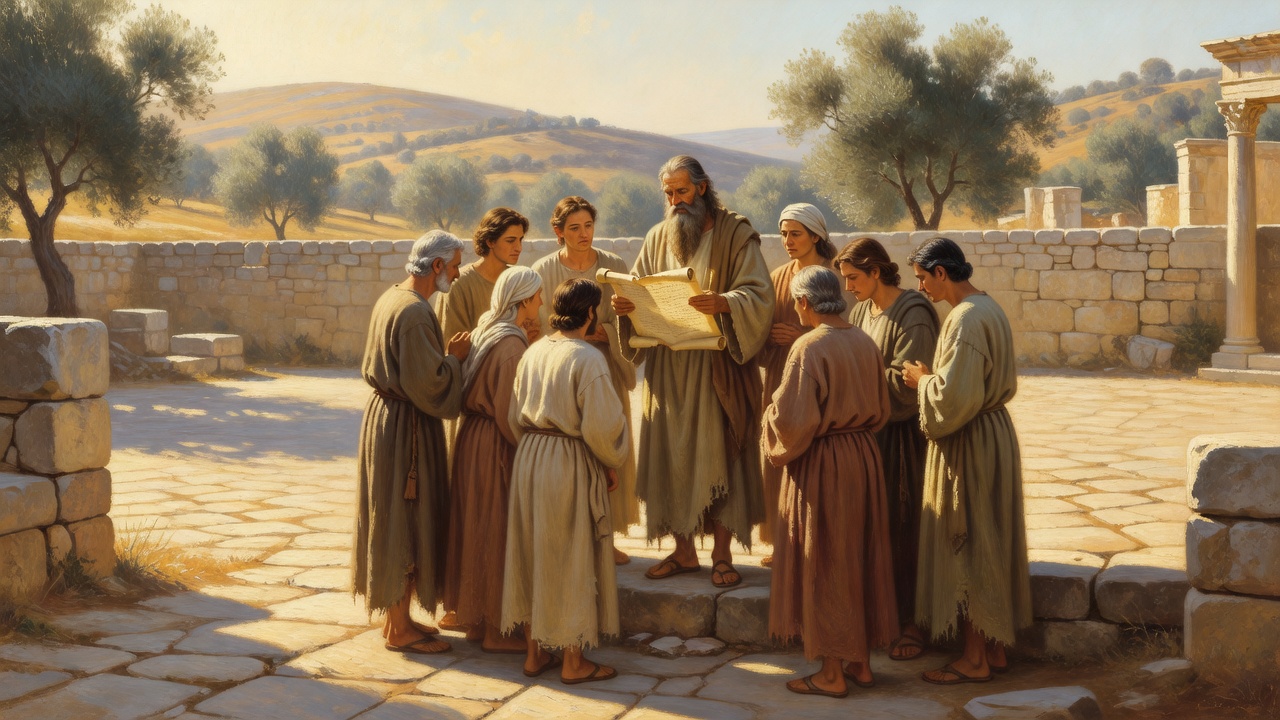
Did you know?
Messages to the Four Churches
- Ephesus was the capital of proconsular Asia and bore the Roman title of the first and greatest metropolis of the province. It was famous across the ancient world for its open-air theatre seating 50,000 spectators and for housing the chief shrine and temple of Diana.Sources: Ephesus · the Bible text itself
- Pergamum, the chief city of Mysia situated near the Caicus River, is described in the letter as the place where Satan's throne sits. The text commends the believers there for maintaining their faith even when Antipas, called a faithful witness, was killed in the city.Sources: Pergamum · Antipas · the Bible text itself
- Located between Lydia and Mysia, the city of Thyatira was celebrated for its textile dyeing industry, as confirmed by ancient inscriptions mentioning its guild of dyers. In the New Testament, Lydia, a seller of purple-dyed cloth, hailed from this city.Sources: Thyatira · the Bible text itself
Notes written with AI assistance from open sources (Theographic Bible Metadata, CC BY-SA 4.0; Easton’s Bible Dictionary, public domain) and reviewed before publishing.
Places in this chapter
- Ephesus · 37.939, 27.341 · verse 1
- Smyrna · Today: Izmir · 38.419, 27.138 · verse 8
- Pergamum · Today: Pergamon · 39.132, 27.184 · verse 12
- Thyatira · Today: Akhisar · 38.920, 27.837 · verses 18, 24
Only places identified with high confidence are shown (90% or more according to the scholarly sources compiled by OpenBible). Period map: DARE (Digital Atlas of the Roman Empire), CC BY 4.0; modern map: © OpenStreetMap contributors; places: OpenBible.info (CC BY 4.0).
Credits and license for this translation
Tupã Je'ẽha
New Testament in Kaapor (BR:urb:Kaapor)
copyright © 2012 Wycliffe Bible Translators, Inc.
Language: Kaapor
Translation by: Wycliffe Bible Translators, Inc.
Copyright Information
© 2012, Wycliffe Bible Translators, Inc. All rights reserved.
This translation text is made available to you under the
terms of the Creative Commons License: Attribution-Noncommercial-No Derivative Works.
( http://creativecommons.org/licenses/by-nc-nd/3.0/ )
In addition, you have permission to port the text to different file formats, as long as you
do not change any of the text or punctuation of the Bible.
You may share, copy, distribute, transmit, and extract portions
or quotations from this work, provided that you include the above copyright
information:
You must give Attribution to the work.
You do not sell this work for a profit.
You do not make any derivative works that change any of the actual words or punctuation of the Scriptures.
Permissions beyond the scope of this license may be
available if you contact
us with your request.
The New Testament
in Kaapor
© 2012, Wycliffe Bible Translators, Inc. All rights reserved.
This translation is made available to you under the terms of the
Creative Commons Attribution-Noncommercial-No Derivatives license 4.0.
You may share and redistribute this Bible translation or extracts from it in any format, provided that:
You include the above copyright and source information.
You do not sell this work for a profit.
You do not change any of the words or punctuation of the Scriptures.
Pictures included with Scriptures and other documents on this site are licensed just for use with those Scriptures and documents.
For other uses, please contact the respective copyright owners.
2014-04-27
Source: http://ebible.org/urbNT/ · eBible.org