John 17
Tupã Je'ẽha · Tap a verse to see its cross-references.
Juehe har Tupã namõ Jesu pandu
1Aja me'ẽ Jesu upa pandu rahã, ywa rehe a'e ma'ã. Ipái namõ pandu pandu. Kuja:
—Papa! Ma'e angaha ke rehe uhyk apo 'y. Kuja. Ihẽma'e pyrãtãha ke emujekwa ngã pe. Aja rahã, nema'e pyrãtãha ke ihẽ amujekwa ta ngã pe tĩ. Nde ra'yr ke ihẽ. 2Upa awa tama'e kapitã keruhũ ke ihẽ tĩ. Aja ihẽ ke nde eremu'am. Pe, ihẽ pe ngã ke nde eremuhyk katu. (A'erehe ame'ẽ ta ihẽ rehe jurujar katu.) Ame'ẽ ta ke ihẽ amuhã katu ta. 3Kuja ame'ẽ ta riki uhã te hũ ame'ẽ ta ke. Nde rehe har ukwa katu ame'ẽ ta uhã te hũ ame'ẽ ta ke. Ne jõ riki Tupã te. Ihẽ rehe har ukwa ame'ẽ ta aja tĩ. Uhã te hũ ame'ẽ ta ke a'eta tĩ. Ihẽ ke nde eremuwyr. 4Kome'ẽ ywy keruhũ pe har ta pe nema'e pyrãtãha ke ihẽ amujekwa. Ihẽ parakyha ihẽ pe nde ereme'ẽ, ame'ẽ ke ihẽ amumba. Nde rehe har ihẽ amujekwa. Ame'ẽ riki ihẽma'e parakyha ke. 5Papa! Kome'ẽ ywy keruhũ nixói te rahã, ne namõ ihẽ axo. Arahã ihẽma'e pyrãtãha ke nde eremujesak katu. Aja apo nde ruwa koty ihẽma'e pyrãtãha ke emujesak tĩ — aja ipái namõ Jesu pandu.
Ixotyhar ta rehe har Tupã namõ Jesu pandu
6A'e pandu tĩ:
—Kome'ẽ ywy keruhũ pe har ta ngi har amõ ta ixo. Ame'ẽ ta ke ihẽ pe nde eremuhyk katu. (A'erehe ame'ẽ ta ihẽ rehe jurujar katu.) A'erehe ame'ẽ ta ihẽ kotyhar ta ke apo 'y. Ame'ẽ ta pe nde rehe har ihẽ amujekwa katu. Nde kotyhar ta ke ame'ẽ ta tĩ. Apo ihẽ kotyhar ta ke tĩ. Ame'ẽ ta ke ihẽ koty nde eremuwyr. Ne je'ẽha rehe ame'ẽ ta hendu katu. 7Kuja ame'ẽ ta ukwa katu. Upa ihẽ apandu ame'ẽ ke ihẽ pe nde eremuwyr. Ihẽma'e pyrãtãha aja tĩ. Nde eremuwyr tĩ. Aja ame'ẽ ta ukwa katu tĩ. 8Ihẽ pe nde erepandu ame'ẽ ke ame'ẽ ta pe ihẽ apandu tĩ. Ame'ẽ ta hendu katu ehe. Nengi ihẽ ajur. Jetehar te ke ame'ẽ. Aja ame'ẽ ta ukwa katu tĩ. Ihẽ ke nde eremuwyr. Ame'ẽ rehe ame'ẽ ta jurujar katu tĩ.
9—Nde rehe ipy'a ym ame'ẽ ta rehe har nde pe ihẽ apandu ym. Ihẽ rehe nde eremuwyr katu. (A'erehe ame'ẽ ta ihẽ rehe jurujar katu.) Ame'ẽ ta nde kotyhar ta ke apo 'y. Ame'ẽ ta rehe har ne namõ ihẽ apandu pandu. 10Upa ihẽ kotyhar ta riki nema'e tĩ. Pe, upa nde kotyhar ta riki ihẽma'e tĩ. Pe, ihẽma'e pyrãtãha ke ame'ẽ ta mujesak katu ta ngã pe. 11Apo nde erexo ame'ẽ pe ihẽ aho ta tĩ. Kome'ẽ ywy keruhũ pe ihẽ nixói ta. Ihẽ kotyhar ta anĩ. Pyta we ta se.
—Papa! Katu te ame'ẽ ke nde! Nema'e pyrãtãha namõ ame'ẽ ta rehe esak katu. Aja rahã, jande aja peteĩhar aja johu ngã ixo ta tĩ. Nema'e pyrãtãha ke ihẽ pe nde eremuwyr tĩ. 12Ame'ẽ ta namõ ihẽ axo rahã, ne je'ẽha rupi ihẽ asak katu ngã rehe. Ame'ẽ ta ke ihẽ pe nde ereme'ẽ, ame'ẽja saka. Ihẽ asak katu ngã rehe, a'erehe ihẽ rehe ame'ẽ ta tapijar te'e we jurujar katu te we rĩ. Peteĩ jõ ihẽ ke hijar. Mupyraraha renda pe oho ta ame'ẽ ke a'e. (Jun a'e.) Ihẽ ngi a'e oho, a'erehe yman Tupã je'ẽha rehe ehe har amõ mupinim, aja uhyk apo 'y. Ihẽ ke a'e hijar, aja uhyk apo 'y.
13—Apo nde erexo ame'ẽ pe ihẽ aho ta kỹ. Se ihẽ axo rahã, ame'ẽ ta rehe har upa ihẽ apandu ne namõ. Aja rahã, ihẽ rury katuha aja a'eta hury katu te ta tĩ. 14Nde erepandu ame'ẽ ke ame'ẽ ta pe ihẽ apandu tĩ. Ihẽ aja ame'ẽ ta riki nde rehe ipy'a ym ame'ẽ ta aja ym. A'erehe nde rehe ipy'a ym ame'ẽ ta ahy te'e usak ngã ehe, nde kotyhar ta rehe. 15Kome'ẽ ywy keruhũ ngi nde kotyhar ta ke eraho. Anĩ. Aja ym ihẽ apandu ta. Kuja ihẽ apandu nde pe. Jaxer ai te ame'ẽ ta ixo. Ame'ẽ tama'e pyrãtãha ke emuputu'u ame'ẽ ta ngi. Aja rahã, ame'ẽ ta rehe nde kotyhar ta hendu ym ta. 16Nde rehe ipy'a ym ame'ẽ ta kome'ẽ ywy keruhũ pe ixo. Ame'ẽ ta aja ym ihẽ tĩ. Ihẽ aja nde kotyhar ta tĩ. Ame'ẽ ta nde rehe ipy'a ym ame'ẽ ta aja ym tĩ. 17Nde je'ẽha riki jetehar te ke. Nde kotyhar ta hendu katu ehe. A'erehe nde ereputar ame'ẽ ke aja nde erema'ema'e katu. Aja rahã, nde ereputar ame'ẽ ke ame'ẽ ta ma'ema'e katu ta tĩ. 18Kome'ẽ ywy keruhũ pe ihẽ ke nde eremuwyr. Ne je'ẽha ke ihẽ apandu ajur. Aja ame'ẽ ta ke ihẽ amondo axo tĩ. Kome'ẽ ywy keruhũ pe har ta pe ne je'ẽha ke ame'ẽ ta pandu ta oho. 19Ame'ẽ ta rehe ihẽ apy'a katu. A'erehe nde ereputar ame'ẽ ke ihẽ ama'ema'e katu. Aja rahã, ame'ẽ ta nde ereputar ame'ẽ ke ma'ema'e katu ta tĩ — aja ipái namõ Jesu pandu.
Amõ jurujar katu, ame'ẽ ta rehe har Tupã namõ Jesu pandu pandu
(A'e pandu tĩ:)
20—Ihẽ kotyhar ta rehe har ne namõ ihẽ apandu. Ame'ẽ ta rehe har jõ ym. Ko ne je'ẽha ke ame'ẽ ta pandu rahã, amõ ta hendu katu ta. Ame'ẽ ta ihẽ rehe jurujar katu ta tĩ. Ame'ẽ ta rehe har ne namõ ihẽ apandu axo apo 'y.
21—Papa! Mã peja peteĩhar aja a'eta ixo katu, aja nde pe ihẽ apandu. Ne namõ ihẽ juehe katu ihẽ axo. Pe, ihẽ namõ nde juehe katu nde erexo tĩ. Aja mã peja jande namõ a'eta juehe katu a'eta ixo ta tĩ. Mã peja peteĩhar aja a'eta ixo katu ta. Aja rahã, ihẽ ke nde eremuwyr ame'ẽ ke rehe kome'ẽ ywy keruhũ pe har ta jurujar katu ta tĩ. Nde riki ihẽ ke eremuwyr ame'ẽ ke nde. 22Nema'e pyrãtãha ke ihẽ pe nde eremuwyr. Ame'ẽ ke ihẽ amondo ta tĩ, ame'ẽ ta pe. Aja rahã, peteĩhar aja a'eta ixo ta tĩ. Jande aja peteĩhar aja a'eta ixo ta tĩ. 23A'eta namõ ihẽ juehe katu ihẽ axo. Ihẽ namõ nde juehe katu nde erexo. Pe, peteĩhar aja a'eta ixo katu ta tĩ. Aja rahã ihẽ ke nde eremuwyr, aja kome'ẽ ywy keruhũ pe har ta ukwa katu ta. Nde kotyhar ta rehe nde erepy'a katu, aja ame'ẽ ta ukwa katu ta tĩ. Ihẽ rehe nde erepy'a katu aja ame'ẽ ta ukwa katu ta tĩ, kome'ẽ ywy keruhũ pe har ta ukwa katu ta tĩ.
24—Papa! Nde kotyhar ta ke ihẽ pe nde eremuwyr. Ihẽ axo ame'ẽ pe ame'ẽ ta ixo ta tĩ. Ame'ẽ ke ihẽ aputar. Pe, ihẽ namõ a'eta ixo rahã, ihẽma'e pyrãtãha rehe a'eta usak ta. Kome'ẽ ywy keruhũ nixói rahã, ihẽ rehe nde erepy'a katu. A'erehe nema'e pyrãtãha ke ihẽ pe nde eremuwyr.
25—Papa! Katu te ame'ẽ ke nde! Nde rehe ipy'a ym ame'ẽ ta ukwa ym nde rehe har. Ihẽ anĩ. Ihẽ akwa katu nde rehe har. Pe, ihẽ ke nde eremuwyr, aja ihẽ namõ ixo ame'ẽ ta ukwa katu. 26Ame'ẽ ta pe nde rehe har ihẽ amujekwa. Tapijar te'e we ihẽ amujekwa katu. Aja rahã, a'eta ipy'a katu ta a'eta juehe ixo. Ihẽ rehe nde erepy'a katu, aja a'eta ipy'a katu ta a'eta juehe ixo tĩ. Pe, a'eta namõ ihẽ juehe katu ihẽ axo — aja ipái pe Jesu pandu.
Did you know?
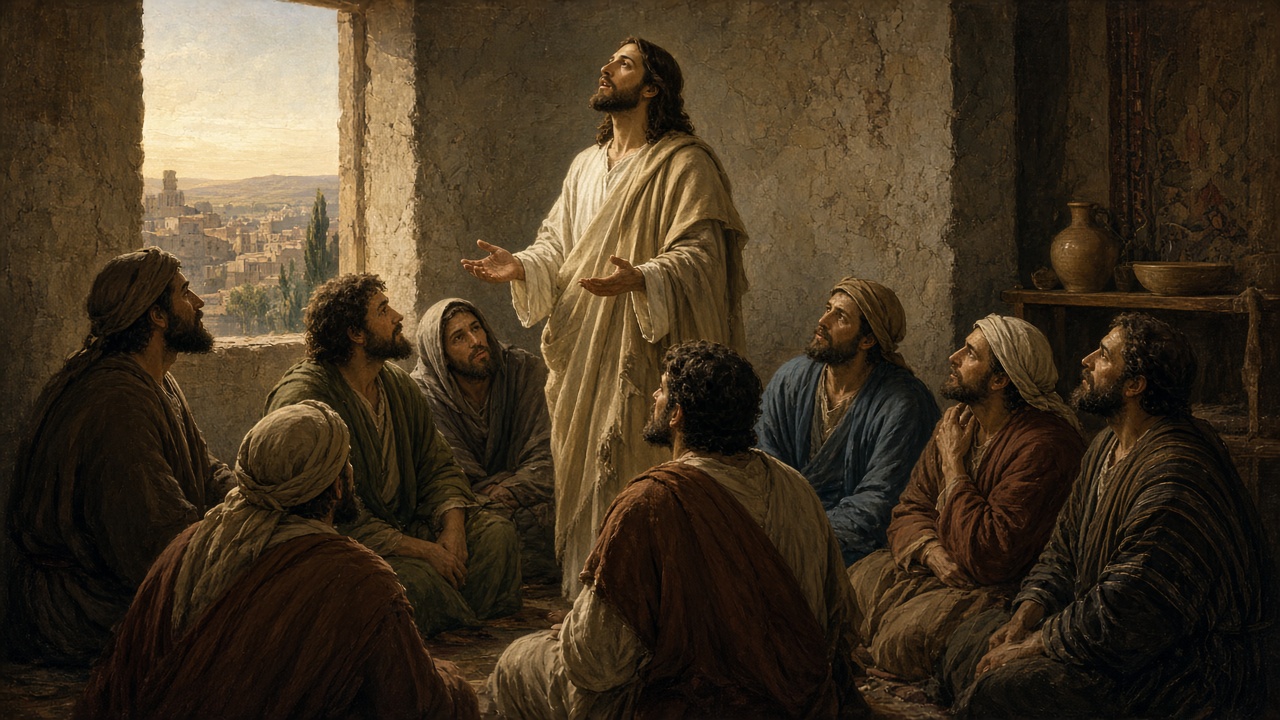
John 17: the hour has come
- The prayer opens when Jesus, having spoken these things, lifts his eyes to heaven and says that the hour has come. It is associated with the Upper Room Discourse, listed as lasting one day, and with Holy Week, listed as lasting eight days.Sources: the Bible text itself · Upper Room Discourse · Holy Week
- Here eternal life is knowing the only true God and Jesus Christ, whom the Father sent. Jesus also speaks of the glory he had with the Father before the world existed, and of the Father's love for him before the foundation of the world.Sources: the Bible text itself
- He prays for those the Father gave him out of the world, who have kept the word, and also for people who will believe through their message, asking that they may be one. He does not ask that they be taken out of the world, but that they be kept from the evil one and sanctified by the truth, which he identifies as the Father's word.Sources: the Bible text itself
Notes written with AI assistance from open sources (Theographic Bible Metadata, CC BY-SA 4.0; Easton’s Bible Dictionary, public domain) and reviewed before publishing.
Credits and license for this translation
Tupã Je'ẽha
New Testament in Kaapor (BR:urb:Kaapor)
copyright © 2012 Wycliffe Bible Translators, Inc.
Language: Kaapor
Translation by: Wycliffe Bible Translators, Inc.
Copyright Information
© 2012, Wycliffe Bible Translators, Inc. All rights reserved.
This translation text is made available to you under the
terms of the Creative Commons License: Attribution-Noncommercial-No Derivative Works.
( http://creativecommons.org/licenses/by-nc-nd/3.0/ )
In addition, you have permission to port the text to different file formats, as long as you
do not change any of the text or punctuation of the Bible.
You may share, copy, distribute, transmit, and extract portions
or quotations from this work, provided that you include the above copyright
information:
You must give Attribution to the work.
You do not sell this work for a profit.
You do not make any derivative works that change any of the actual words or punctuation of the Scriptures.
Permissions beyond the scope of this license may be
available if you contact
us with your request.
The New Testament
in Kaapor
© 2012, Wycliffe Bible Translators, Inc. All rights reserved.
This translation is made available to you under the terms of the
Creative Commons Attribution-Noncommercial-No Derivatives license 4.0.
You may share and redistribute this Bible translation or extracts from it in any format, provided that:
You include the above copyright and source information.
You do not sell this work for a profit.
You do not change any of the words or punctuation of the Scriptures.
Pictures included with Scriptures and other documents on this site are licensed just for use with those Scriptures and documents.
For other uses, please contact the respective copyright owners.
2014-04-27
Source: http://ebible.org/urbNT/ · eBible.org