Acts 5
Tupã Je'ẽha · Tap a verse to see its cross-references.
Anani rehe har. Sasi rehe har tĩ.
1Pe, amõ sawa'e ixo. Her Anani. Hakehar rer Sasi. Ywy namõ a'eta ixo. Ame'ẽ ke a'eta muhepy. 2Pe, tamatarer ke Jesu mondo ame'ẽ ta pe raho. Anĩ. Tamatarer ke mupyta we wi jupe. 3Ame'ẽ ke hakehar ukwa tĩ. Petu pandu ipe:
—Anani! Ywy muhepyha ke nde pe nde eremupyta we. 4Satana nde py'a rehe ihĩ. (Ãjã ramũi a'e.) Katu ym aja. Tupã'ã pe te'e nde erepandu. Ywy ke nde eremuhepy ym rahã we, nema'e riki. Nde eremuhepy rahã, tamatarer ke upa katu te nema'e tĩ. Nde pe nde eremupyta we ame'ẽ ke nde py'a rupi nde erekwa erexo. Upa katu te nde ereme'ẽ, aja jande pe nde erepandu naĩ. Katu ym aja. Sawa'e ta pe te'e nde erepandu. Amõ we tĩ. Tupã pe te'e nde erepandu tĩ — aja Petu pandu.
5Ame'ẽ ke hendu rahã, Anani manõ ukwap. Upa hendu ame'ẽ ta mukahem hũ. 6Ta'ynuhu ta pu'am. Pe, hete ke pukek. Jytym raho.
7Ixawa'e manõ. I'i katu rahã, hakehar uhyk uwyr. Ixawa'e manõha rehe har ukwa ym uwyr. 8Petu pandu ipe:
—Ywy muhepyha ke upa katu te perur my — aja ipe.
Kũjã pandu:
—A'e tỹ. Upa katu te jarur — aja Petu pe.
9Pe, Petu pandu ipe:
—Tupã'ã pe te'e nde erepandu tar katu tĩ. Nde sawa'e aja tĩ. Anĩ. Upa Tupã'ã ukwa katu. Nde sawa'e jytym raho ame'ẽ ta hukwen rehe uhyk ramõ. Nde ke jytym ta raho tĩ — aja kũjã pe.
10Pe, pahar Petu py rehe u'ar ukwap. Manõ ukwap. Ta'ynuhu ta ixe uwyr rahã, kũjã manõ ame'ẽ ke rehe usak. Pe, jytym raho tĩ. Ixawa'e rake rupi jytym tĩ. 11Upa Jesu rehe jurujar katu ame'ẽ ta mukahem hũ. Manõha rehe har hendu ame'ẽ ta mukahem hũ tĩ.
Tupã pyrãtãha namõ mukatu hũ
12Jesu mondo ame'ẽ ta mukatu hũ ngã ke. Ahy ixo ame'ẽ ta ke mukatu hũ. Aja Tupãma'e pyrãtãha ke ngã pe mujesak. Tupã rehe ngã jumu'eha renda keruhũ rehe soroka ihĩ. Soroka rer Saromã. A'ep upa Jesu rehe jurujar katu ame'ẽ ta jy'ar. 13Johu ngã jy'ar ixo. Ame'ẽ ta rehe har amõ ta pandu: “Katu ame'ẽ ta ke ame'ẽ ta” aja pandu. Anĩ. Ame'ẽ ta namõ jurujar ym ame'ẽ ta jy'ar tar ym. 14Amõ ta anĩ. Amõ amõ ta Jesu rehe jurujar katu tĩ. Heta sawa'e ta jurujar katu. Kũjã ta aja tĩ. Heta jurujar katu ehe tĩ. 15Jesu mondo ame'ẽ ta mukatu, a'erehe ahy ixo ame'ẽ ta ke awa rape rupi ngã mou. Tupe 'ar pe mou. Myrape 'ar pe mou tĩ. Pe, hake rupi Petu te'e asa oho rahã, warahy pe i'ã jesak. Ame'ẽ ke ahy ixo ame'ẽ ta 'ar rupi aha ta oho. Pe, katu ta oho, aja ngã ukwa. 16Jerusarẽ ok ta xupe 'ar rupi ok ta juramã ihĩ. Ame'ẽ ok ta ngi heta uhyk uwyr ehe. Ahy ixo ame'ẽ ta ke ngã hupir werur ipe. Ãjã ta ipy'a rehe ihĩ ame'ẽ ta ke werur ipe tĩ. Upa katu te Petu mukatu. (Aja rahã, Jesu rehe har Petu ta pandu ame'ẽ riki jetehar te ke aja mujekwa katu. Petu ta namõ Tupã ixo, aja mujekwa katu tĩ.)
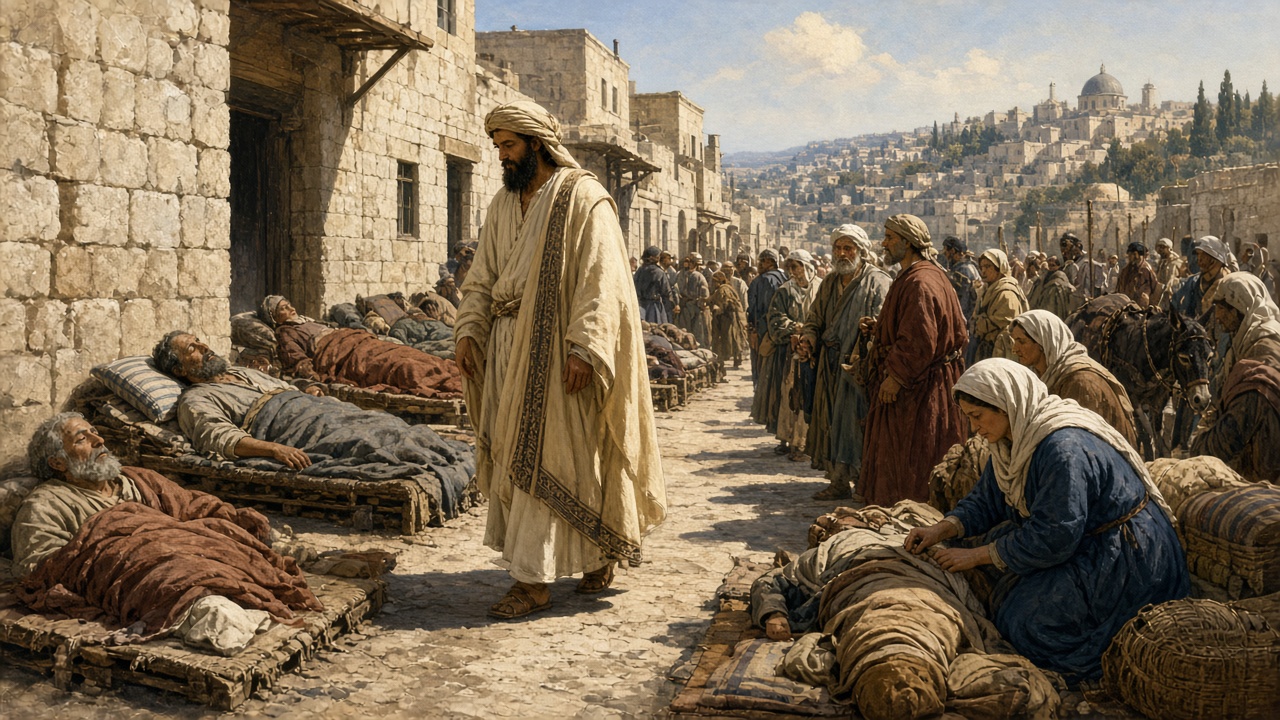
Jesu mondo ame'ẽ ta ke amõ ta mahy
17Pe, jundéu awa tama'e pa'i keruhũ jyty'ym Jesu mondo ame'ẽ ta rehe. Upa inamõ ixo ame'ẽ ta jyty'ym a'eta rehe tĩ. Inamõ ixo ame'ẽ ta rer sanduse ta. (Jesu mondo ame'ẽ ta koty heta ngã jy'ar oho, a'erehe jyty'ym a'eta rehe.) 18Pe, Jesu mondo ame'ẽ ta ke a'eta pyhyk. Kyndaha pe kynda raho, ok ta kyndaha pe. 19Pe, pytun rahã, Tupã je'ẽha rahoha uhyk uwyr a'eta rehe. Kyndaha rukwen ke pirar. Pe, a'eta ke soroka pe raho. Pandu:
20—Tupã rehe ngã jumu'eha renda keruhũ pe peho. A'ep upa awa ixoha pyahu rehe har ngã pe pepandu pandu — aja Jesu mondo ame'ẽ ta pe pandu.
21A'eta hendu katu ehe. Pe, pytuniwe rahã, Tupã rehe ngã jumu'eha renda keruhũ pe oho. A'ep mu'e mu'e u'am.
Pe, ngã panduha renda pe jundéu awa tama'e pa'i keruhũ uhyk uwyr. Inamõ ixo ame'ẽ ta uhyk uwyr tĩ. Pe, jundéu awa ta tamũi ta ke a'eta mujy'ar tĩ. Johu panduha ta ke mujy'ar. Pe, kyndaha pe sonda ta ke a'eta mondo. Pandu:
—Jesu mondo ame'ẽ ta ke pemuhyk perur se — aja sonda ta pe pandu.
22Pe, kyndaha pe sonda ta uhyk rahã, mahem ym. 23Jesu mondo ame'ẽ ta ke mahem ym. Pe, ngã panduha renda pe jywyr oho. A'eta pandu:
—Kyndaha rehe jahyk rahã, upa hukwen ke kynda katu te. Upa hukwen harõha ta harõ katu u'am tĩ. Anĩ. Hukwen ke jande japirar rahã, jamahem ym sawa'e ta ke — aja sonda ta pandu.
24Ame'ẽ ke rehe hendu rahã, pa'ihu ta mãte we ame'ẽ te a'eta my. Sonda tama'e kapitã aja tĩ. Tupã rehe ngã jumu'eha renda keruhũ sondama'e kapitã ke a'e.
—Myp a'eta ihon my? — aja pandu pandu a'eta jupe.
25Pe, amõ uhyk uwyr. Pandu:
—Pesarahã! Kyndaha pe sawa'e ta ke pekynda peraho. Tupã rehe ngã jumu'eha renda keruhũ pe ixo apo 'y. Ngã ke a'eta mu'e mu'e u'am — aja tamũi ta pe amõ pandu.
26Ame'ẽ ke rehe hendu rahã, sonda tama'e kapitã oho piam. Sonda ta inamõ oho tĩ. Pe, Jesu mondo ame'ẽ ta ke muhyk werur tĩ. Hãtã ym pyhyk a'eta rehe. Hãtã pyhyk rahã, ita ke sonda ta rehe ngã ombor ta, aja kapitã ukwa. Hetaha ngi kyje, a'erehe wewe katu pyhyk raho.
27Pe, Jesu mondo ame'ẽ ta ke muhyk rahã, ngã panduha renda pyter pe mupu'am. Jundéu awa tama'e pa'i keruhũ pandu:
28—Jesu rehe har pemu'e ym apo 'y, aja hãtã pehẽ pe japandu. Anĩ. Pehendu ym. Pemu'e ame'ẽ rehe har upa Jerusarẽ ok ta pe har ta ukwa apo. Jesu ke amõ ta riki jukwa. Anĩ. A'e ke jande riki jajukwa aja pepandu. Katu ym aja — aja Jesu mondo ame'ẽ ta pe pandu.
29Pe, Petu namõ Jesu mondo ame'ẽ ta pu'am u'am. Pe, Petu pandu ngã pe:
—Tupã je'ẽha rehe jõ jahendu katu rahã, katu te ame'ẽ. Amõ sawa'e je'ẽha rehe anĩ. (Katu we ame'ẽ.) 30Myra ngã mupia ame'ẽ ke rehe Jesu ke pemujar pemu'am. Aja pejukwa. Anĩ. Jesu ke Tupã mukwera katu muhem. Tupã rehe jande ramũi ipy'a moĩ moĩ katu. 31Pe, Jesu ke hake Tupã muhyk raho. A'erehe a'e riki kapitã keruhũ. A'e riki awa muhãha tĩ. Ma'e ka'u te'eha ke jundéu awa ta ma'ema'e. Anĩ. Tupã rehe ipy'a muruwak mondo rahã, Tupã ipy'a jywyr ta ngã rehe. 32Jesu rehe har japandu pandu. Jasak ame'ẽ rehe har japandu pandu tĩ. Jesu rehe har Tupã'ã mujekwa tĩ. Tupã rehe hendu katu ame'ẽ ta py'a rehe Tupã'ã ke a'e moĩ katu — aja Petu pandu.
33Ame'ẽ ke pa'ihu ta hendu rahã, parahy te hũ. Jesu mondo ame'ẽ ta ke a'eta jukwa tar katu. 34Pe, ngã panduha renda pe amõ sawa'e pu'am. Her Ngamari. Parise riki a'e. Moise je'ẽha mu'e ame'ẽ ke a'e tĩ. “Sawa'e katu me'ẽ ke” aja upa ngã ukwa ehe har. Pe, a'e pandu:
—Jesu mondo ame'ẽ ta ke soroka pe emondo — aja.
35Pe, ngã panduha renda pe ixo ame'ẽ ta pe pandu:
—Jundéu awa tama'e kapitã ta! Pehendu katurahã! Petu ta ke pemahy ym we rĩ. Ma'e ke pekwa py peĩ. 36Amukwehe te amõ sawa'e ixo. Her Téu. Kapitã a'e jupe. Heta sawa'e ta inamõ jy'ar oho. Kuja, 400 hetaha. Anĩ. A'e ke amõ jukwa. Pe, inamõ ixo ame'ẽ ta upa uhãi ujan oho. Ame'ẽ ta ngi har nixói te apo 'y. 37A'engi amõ sawa'e uwyr tĩ. Her Jun. Ngariréi ywy pe har a'e. Ngã hetaha ke kapitã keruhũ manga manga rahã, Jun uwyr. Inamõ heta ngã oho tĩ. Anĩ. A'e ke amõ jukwa tĩ. Pe, inamõ ixo ame'ẽ ta upa uhãi ujan oho tĩ. 38A'erehe pehẽ pe ihẽ apandu katu apo. Jesu mondo ame'ẽ ta ke pemahy ym. Mã peja ixo. Sawa'e je'ẽha rupi a'eta ma'e ke ma'ema'e ixo rahã, upa ta kanim oho. 39Anĩ rahã, Tupã je'ẽha rupi a'eta ma'ema'e ixo rahã, marã ka ym kanĩha. Tupã namõ pejumai ta — aja Ngamari pandu.
Pe, a'e pandu ame'ẽ ke rehe ngã hendu katu. 40Pe, Jesu mondo ame'ẽ ta ke muhyk werur tĩ. Upa a'eta ke amõ ta nupã hũ. Pe, pandu tĩ:
—Jesu rehe har pepandu ym te apo 'y — aja kapitã ta pandu a'eta pe.
41Pe, poir mondo. Ngã panduha renda ngi a'eta uhem oho. Jesu kotyhar ta ke a'eta, a'erehe amõ ta mahy. Mahyha ke a'eta pyhyk, ame'ẽ ke Tupã putar aja a'eta ukwa katu, a'erehe hury katu oho. 42Wera rahã pame katu te a'eta mu'e u'am. Tupã rehe ngã jumu'eha keruhũ pe mu'e u'am. Amõ ta rok pe mu'e u'am tĩ. Jesu Kirisutu rehe har mu'e u'am.
Did you know?
Deceit, wonders, and the Sanhedrin
- Ananias, a member of the Jerusalem church, and his wife Sapphira, whose name means beautiful, sold a piece of land and, with her knowledge, kept back part of the price while bringing the rest to the apostles. He could have kept the property; Peter reminded him that it remained at his disposal both before and after the sale. The wrong was the lie: he professed to give it all, Sapphira confirmed the false price, and both died, she sharing his guilt and his punishment.Sources: Ananias (Husband of Sapphira) · Sapphira · the Bible text itself
- The believers gathered with one accord in Solomon’s Colonnade, where the apostles performed many signs and wonders. That colonnade probably stood on the eastern side of the temple. It is not mentioned in connection with the first temple, though Josephus refers to a porch of that name in Herod’s temple.Sources: Solomon's Portico · the Bible text itself
- When the high priest and his associates, who belonged to the party of the Sadducees, had the apostles arrested, a Pharisee named Gamaliel stood up in the Sanhedrin. He is described as a teacher of the law honored by all the people, the son of Rabbi Simeon and grandson of the famous Rabbi Hillel, and as an opponent of the Sadducees; he urged the council to leave the men alone. He pointed to Theudas, who had led an insurrection against Roman authority and, as Gamaliel told it, gathered about four hundred men before the rising came to nothing—beyond that, nothing else is known of Theudas—and to Judas the Galilean, who perished in the days of the census.Sources: Gamaliel · Theudas · the Bible text itself
Notes written with AI assistance from open sources (Theographic Bible Metadata, CC BY-SA 4.0; Easton’s Bible Dictionary, public domain) and reviewed before publishing.
Places in this chapter
- Solomon’s Portico · Today: in Jerusalem · 31.777, 35.234 · verse 12
- Jerusalem · 31.777, 35.234 · verses 16, 28
- Galilee · 32.760, 35.527 · verse 37
Only places identified with high confidence are shown (90% or more according to the scholarly sources compiled by OpenBible). Period map: DARE (Digital Atlas of the Roman Empire), CC BY 4.0; modern map: © OpenStreetMap contributors; places: OpenBible.info (CC BY 4.0).
Credits and license for this translation
Tupã Je'ẽha
New Testament in Kaapor (BR:urb:Kaapor)
copyright © 2012 Wycliffe Bible Translators, Inc.
Language: Kaapor
Translation by: Wycliffe Bible Translators, Inc.
Copyright Information
© 2012, Wycliffe Bible Translators, Inc. All rights reserved.
This translation text is made available to you under the
terms of the Creative Commons License: Attribution-Noncommercial-No Derivative Works.
( http://creativecommons.org/licenses/by-nc-nd/3.0/ )
In addition, you have permission to port the text to different file formats, as long as you
do not change any of the text or punctuation of the Bible.
You may share, copy, distribute, transmit, and extract portions
or quotations from this work, provided that you include the above copyright
information:
You must give Attribution to the work.
You do not sell this work for a profit.
You do not make any derivative works that change any of the actual words or punctuation of the Scriptures.
Permissions beyond the scope of this license may be
available if you contact
us with your request.
The New Testament
in Kaapor
© 2012, Wycliffe Bible Translators, Inc. All rights reserved.
This translation is made available to you under the terms of the
Creative Commons Attribution-Noncommercial-No Derivatives license 4.0.
You may share and redistribute this Bible translation or extracts from it in any format, provided that:
You include the above copyright and source information.
You do not sell this work for a profit.
You do not change any of the words or punctuation of the Scriptures.
Pictures included with Scriptures and other documents on this site are licensed just for use with those Scriptures and documents.
For other uses, please contact the respective copyright owners.
2014-04-27
Source: http://ebible.org/urbNT/ · eBible.org