Hebrews 5
Vanuvei Eo e sepinien Vatlongos na mol-Vatimol xil niutestamen e rute te oltestamen · Tap a verse to see its cross-references.
1Melele xa laling moletin tei mei be vatixar tei na pris xil, labosei ra moletin xil tengan vapol e vasoh pe met Hi ve rin nae. Misak ni, xi mikila vasa sanien eo xil mi Hi ve rin nae, e vasak ni re vongoro xil valeh ve tesaen nae xil. 2E vengan vatixar mun be moletin tei xa merou, mikil kuh merouen na moletin xil. Mak, ma di pol merou del ngan xil xa latakil kuh ti suse xa momal e di lasavut vuteili en. 3E vengan xa vatixar mun be moletin xa merou mak, xi isak ni re vongoro xil ileh ve tesaen nan tasen itel tesaen na mosav xil mun. 4E moletin tei tahusil nenemien nan tasen ti tengan vahur polien xa eilep xiak, e be Hi kestang iaxa di bosei ngan xa mei ihe vatixar na pris xil, nggoni ngan xa tepol ni mi Eron.
5E Kristo mun tenamei ti vahe vatixar vahusil nenemien nan tasen tengan vapet rat hisen. E Hi vari iaxa tehosei tengan vahur polien ak xa tehit,
“Xouk obe Natuxoli,
e xosali namei nabe Tamom.” (Sam 2:7)
6E rute sav mun biteni bit,
“Xouk mei uhe pris tei te vehakut,
ngan xa ixoni pris Melkisedek tetiamu.” (Sam 110:4)
7E meulien nan e ut etan, Iesu tesis teha mi Hi e tetakesi ve tutouen tetel simeten. Reitin, tekei texeih teha mi Hi xa mikila vateh meulien nan ra maten. E Iesu temerere ni Hi, tepol ni nenemien nan tehe tan, e teling meulien nan teti pe hen. Mak, ma Hi teteong ni sisen nan xil. 8E neta sav xa xi be Nat Hi, Hi tepispisi mini ni sexien te longxatien texo longpangasien xa xi tehisu ni. 9E melele xa Hi tepusi xa Iesu mei tepin tevi, tepol ni mei tehe vatixar na pris xil xa texoni pris Melkisedek tetiamu tengan vapol pe meten e rin na moletin xil. Nggo rin ak, Iesu Kristo mei teteh meulien e ngan xil vus xa lalong xati e tepol ni suse tengan lihur meulien sal ixo en.
Selxatien tengan moletin xil linastokovein neketen nae ti
11Xamem manggur holesok holu xa iemem bei tengan maviteni mi xamim usil holesok xil, e minggeih tamu tengan mulong kila vengan xa iemim ti tavei mun tengan mulong kil sepinien xil ak. 12Melengien pipin tengan xamim mumei muve titsa xil ngamu xa ti mupispisi mi moletin sav xil e rin te holesok xil te neketen. E neta sav xa mak, napusi tehit momal tengan xamim muvur pispisien kokot xil xa taxeih ti usil longeongen hos na Hi vatei mun. Xamim munggoni tutut horamue xil tamu xa mutamatu ti mu tengan muva anien xil xa nggeih, e di tamu musus xat pispisien xil xa lataxeih ti langgoni melik tang. 13E ngan xil xa di lasus xat melik te pispisien xil xa lataxeih ti, labe tuvava tamu, e latapin ti tengan lalong kila xa itep iaxa moletin xil mei limal pe met Hi. 14E pispisien xil xa nggeih vuteili langgoni anien xa nggeih be a ngan xil xa lamatu ngamu. Ngan xil ak lakila lapus kil naha xa bos e naha xa misa vengan xa, e meulien nae, vehakut di langgusil xat neta xa lakila labit nggusil sepinien na Hi.
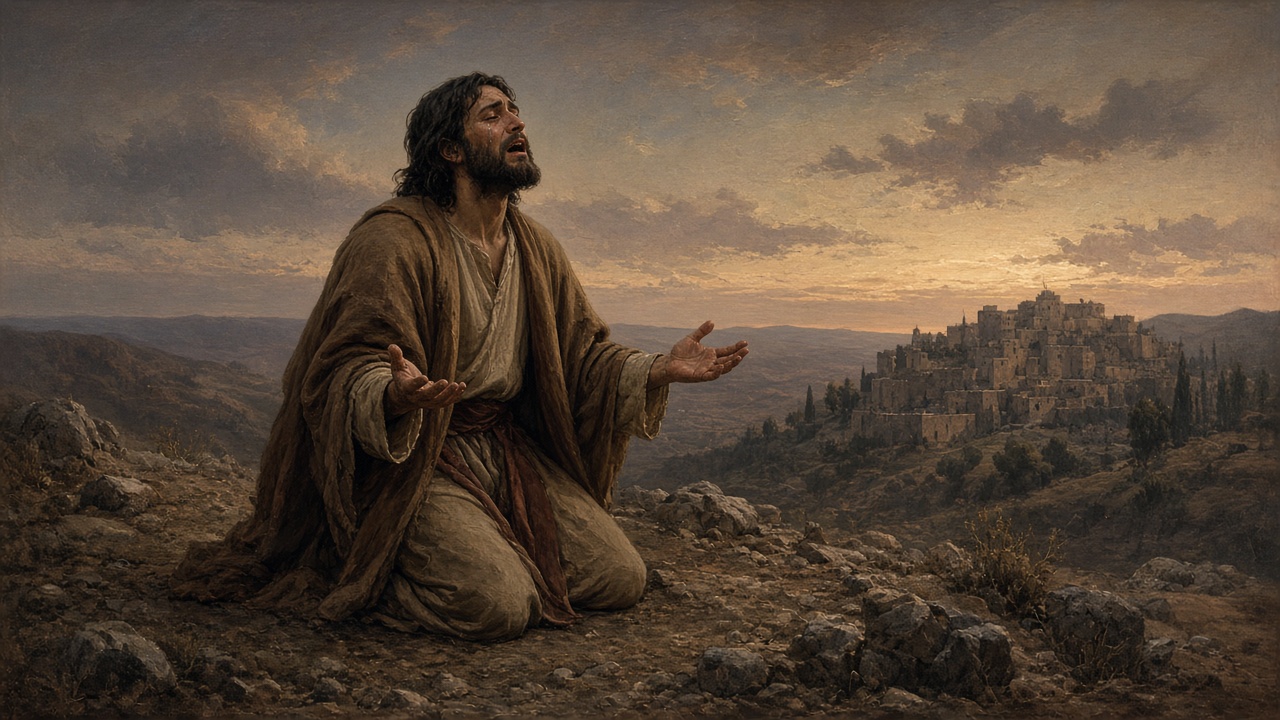
Did you know?
A High Priest Called by God
- Hebrews 5 presents Aaron as the pattern of a high priest who does not take the honor upon himself but is called by God. Aaron, eldest son of Amram and Jochebed, was born in Egypt three years before his brother Moses. When the time drew near for Israel’s deliverance from Egypt, God sent him to meet his long-absent brother so that they might work together toward the Exodus.Sources: the Bible text itself · Aaron
- Melchizedek, whose name Easton's Bible Dictionary (1897) explains as “king of righteousness,” was king of Salem. All that the Old Testament records of him is in Genesis 14:18–20, and he is mentioned only once more, in Psalm 110:4. Hebrews 5 applies to Christ the words “You are a priest forever in the order of Melchizedek,” and the same dictionary says that Hebrews 7 sets out the significance of his story in detail and presents his priesthood as superior to Aaron’s, noting that Abraham paid him tithes and that Melchizedek blessed Abraham.Sources: the Bible text itself · Melchisedec
Notes written with AI assistance from open sources (Theographic Bible Metadata, CC BY-SA 4.0; Easton’s Bible Dictionary, public domain) and reviewed before publishing.
Credits and license for this translation
Vanuvei Eo e sepinien Vatlongos na mol-Vatimol xil niutestamen e rute te oltestamen
Portions of the Holy Bible in the Southeast Ambrym Language of Vanuatu
Des portions de la Sainte Bible dans le Sud-Est Ambrym Langue de Vanuatu
copyright © 2015 Wycliffe Bible Translators, Inc.
Language: Southeast Ambrym (Ambrym, Southeast)
Dialect: Central
Translation by: Wycliffe Bible Translators
This translation is made available to you under the terms of the
Creative Commons Attribution-No Derivatives license 4.0.
You may share and redistribute this Bible translation or extracts from it in any format, provided that:
You include the above copyright and source information.
You do not make any derivative works that change any of the actual words or punctuation of the Scriptures.
Pictures included with Scriptures and other documents on this site are licensed just for use with those Scriptures and documents.
For other uses, please contact the respective copyright owners.
2016-09-06
Source: http://ebible.org/tvk/ · eBible.org