Exodus 6
Buki Tabu Beyabeyana · Tap a verse to see its cross-references.
1Kabo Yeoba Mosese kainana iyamaisa iba, “Sauga kikiunamo kani ugitai tawae yaginauli kin koina. Kani yayadidiga na komiu yagu tomoyao Isileli imalimaliwagimiu kwalowasi ana yanuwa mena.”
Yaubada Mosese iyawasa yoi
2Yo Yaubada iwalo Mosese koina iba, “Yau Yeoba yayawatagili Abelamo, Aisake yo Yakobo kolili kabo sikatai yau Yaubada Tomiyasaesosi. Yayawatagili kolili na esagu Yeoba, esa yakasisi, kana dudulai nige yayayamayale kolili. 4Na beyabeyana yawaloyameli kolili yanuwa Kenani kani yaolegili ali yanuwa, yanuwa bwainene koina siya tauna kona simiya taumana. 5Sauga bwaite yagu tomoyao Isileli ali kamkamna panpanna koina yagitai yo ali yaba yabenalan kaiwena Itipita Isileli siyakamkamnali kabo yagu waloyameliwa yanuwatu-kalatan. 6Koinaele Isileli ali wasa kwaolena kwawalolau kolili, ‘Yau Yeoba kani yaleboimiu Itipita ali kalomagigili kana kamkamna yo kana polowe koina. Nimagu kaikaiwena kani yayagayan, maisa polopolowena yaolena kolili kabo yaleboimiu yo yalivasimiu. 7Kani yayoganmiu komiu yagu tomoyao na komiu yau ami Yaubada, yo saugana yalivasimiu Itipita ali kalomagigili mena kani wakatai yawasosi yau Yeoba ami Yaubada. 8Mulina mena kani yabaguna-yagimiu kwalau yanuwa bwaine yawalo-yameliyako Abelamo, Aisake yo Yakobo kolili, kabo yaeyawa yawasosi ami yanuwa. Yau Yeoba.’”
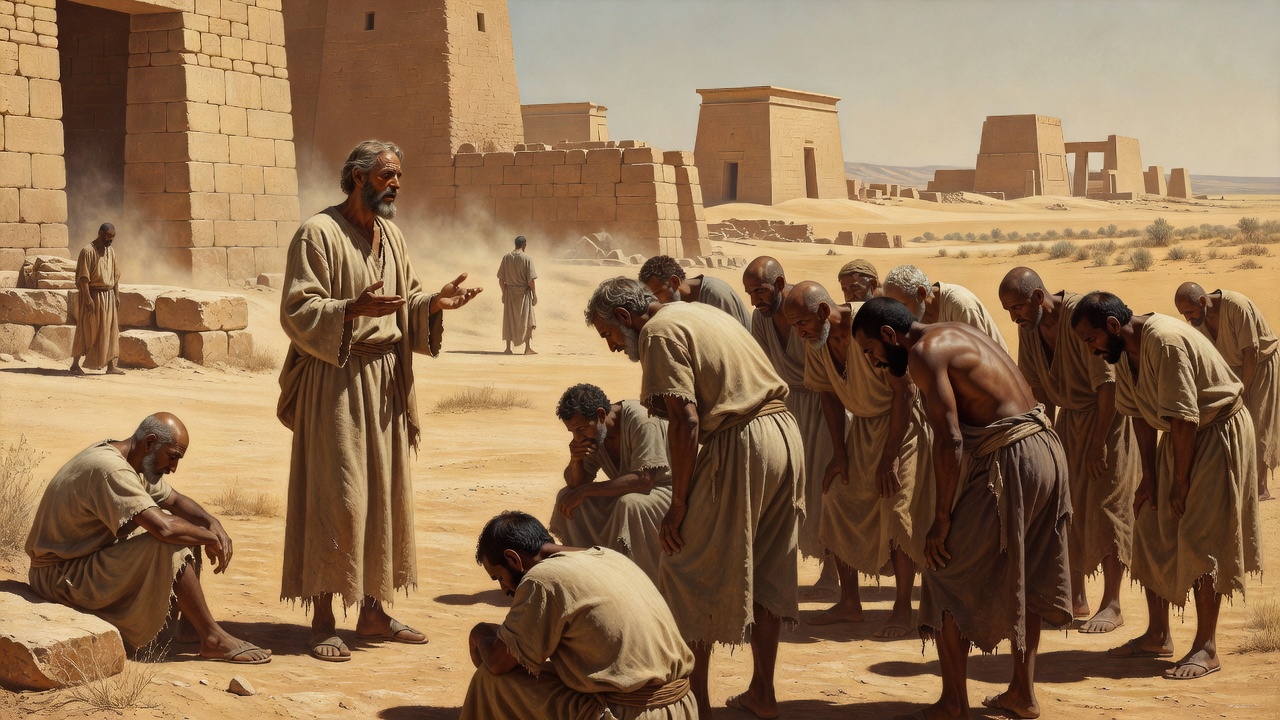
9Mosese iwalo besiele Isileli kolili, na iya kainana nige sibebenalan kaiwena yaluyaluwali ibelu ali kamkamna kaiwena. 10Kabo Yeoba iwalo Mosese koina, “Kulau kuwalo kin koina yakato Isileli italamwagili ana yanuwa silogabaen.” 12Na Mosese ana nuwatu imwawasi kabo iba, “Isileli yagu walo nige sibebenalan. Na tawae kaiwena tem am nuwatu yalau Itipita ali kin koina na am walo yawalowen? Kani nige yagu walo ibebenalan. Tabe memenagu iyasayasanaloka.” 13Kabo Yeoba iwalo kaiwe Mosese yo Eloni kolili, “Kwalau Itipita ali kin yo tomo Isileli kolili yo ali wasa kwaolena yakato yayawasamiu na mesabana Isileli kwabaguna-yagili Itipita kwalogabaen.”
Mosese yo Eloni kali kulutubu
14Luben, Yakobo natuna tobagubaguna, natunao tatao yoli esopali, Anoke, Palu, Esilon yo Kami. 15Simion, Luben dagelana mena, natunao tatao yoli sikisi, Yemuela, Yamini, Onadi, Yakini, Sowa yo Sao, na Sao iya Kenani sinena natuna. 16Libai, Simion dagelana mena, natunao tatao yoli yaiyona, Gelisoni, Koati yo Melali. Libai ana bolime 137. 17Libai natuna tobagubaguna esana Gelisoni kabo Gelisoni natunao tatao yoli labui, Libini yo Simei. 18Libai natuna toluwaluwali esana Koati kabo Koati natunao tatao yoli esopali, Amilami, Isa, Ebiloni yo Usiyeli. Koati ana bolime 133. 19Libai natuna tomulimuliye esana Melali kabo Melali natunao tatao yoli labui, Mali yo Musi. 20Libai tubuna tau esana Amilami, iya Koati natuna tobagubaguna, mekanakava tamana duna esana Yokebedi sikasole kabo Eloni yo Mosese sikabili. Amilami ana bolime 137.
21Libai tubuna esana Isa, iya Koati natuna labuina, kabo Isa natunao tatao yoli yaiyona, Kola, Nepegi yo Sikili. 22Libai tubuna esana Usiyeli, iya Koati natuna esopalina, kabo Usiyeli natunao tatao yoli yaiyona, Misaeli, Elisapani yo Sitili.
23Eloni mekanakava Eliseba sikasole, Eliseba iya Nason duna yo tamali esana Aminadaba. Eloni yo Eliseba sikabi natuliyao Nadaba, Abiu, Eliyesa yo Idamali. 24Na Koati tubuna esana Kola, iya Isa natuna tobagubaguna, kabo Kola natunao tatao yoli yaiyona, Asili, Elikana yo Akiyasapi. 25Amilami tubuna esana Eliyesa, iya Eloni natuna yaiyonana kabo Eliyesa mekanakava Putiyeli natuna yabo sikasole kabo ikabi natuna Peniyasi. 26Koinaele Eloni yo Mosese kali mumuga Libai. Na siya mwa yoli labuine Yeoba iwalo kolili, “Isileli susu meuloina kwabaguna-yagili Itipita silogabaen.” 27Tabe siya yoli labuine mwa siwalo Itipita ali kin koina tomo Isileli ilivasili.
Yeoba ana walo kabiyakaiwe Mosese yo Eloni kolili
28Mosese iyaele Itipita kabo Yeoba iwalo koina iba, “Yau Yeoba. Walo meuloina bwaite yawalowen, kuwalowen Itipita ali kin koina.” 30Na Mosese iwaloba, “Ukwatai yau nige toedeedede besi yo memenagu iyasayasanaloka. Gubesi na kin kainagu ibenalan?”
Did you know?
I Am the LORD
- In Exodus 6 God tells Moses that he is the LORD, and that he appeared to Abraham, Isaac, and Jacob as God Almighty but did not make himself known to them by the name the LORD. He recalls the covenant to give them the land of Canaan, where they had lived as foreigners. Easton's Bible Dictionary (1897) says the name Canaan signifies the lowlands, and that in the time of Moses and Joshua it denoted the whole country west of the Jordan and the Dead Sea.Sources: the Bible text itself · Canaan
- A family list then identifies the men charged to bring the Israelites out of Egypt: Levi, Jacob’s third son by Leah, whose name is linked to her Hebrew word meaning joined, and Levi’s sons Gershon, Kohath, and Merari. Levi lived 137 years, and Kohath, Amram’s father, lived 133; Amram married his father’s sister Jochebed, a daughter of Levi, and she bore Aaron and Moses. Aaron, the elder brother, was born in Egypt three years before Moses and married Elisheba, daughter of Amminadab of the house of Judah.Sources: the Bible text itself · Levi (patriarch) · Kohath · Aaron
- Moses and Aaron are sent to speak to Pharaoh king of Egypt. Easton's Bible Dictionary (1897) says the Pharaoh of the Exodus was probably Menephtah I, the fourteenth and eldest surviving son of Rameses II, who resided at Zoan, where those interviews took place. That entry still leaves open whether Seti II or his father Menephtah was that Pharaoh, and notes that some think the evidence favors Seti II.Sources: the Bible text itself · Pharaoh (of the Exodus)
Notes written with AI assistance from open sources (Theographic Bible Metadata, CC BY-SA 4.0; Easton’s Bible Dictionary, public domain) and reviewed before publishing.
Places in this chapter
Only places identified with high confidence are shown (90% or more according to the scholarly sources compiled by OpenBible). Period map: DARE (Digital Atlas of the Roman Empire), CC BY 4.0; modern map: © OpenStreetMap contributors; places: OpenBible.info (CC BY 4.0).
Credits and license for this translation
Buki Tabu Beyabeyana
Portions of the Old Testament in the Tubetube dialect of the Bwanabwana language of Papua New Guinea
Hap Olpela Testamen long tokples Tubetube long Niugini
copyright © 2019 Wycliffe Switzerland
Language: Tubetube (Bwanabwana) (Bwanabwana)
Dialect: Tubetube
This translation is made available to you under the terms of the
Creative Commons Attribution-Noncommercial-No Derivatives license 4.0.
You may share and redistribute this Bible translation or extracts from it in any format, provided that:
You include the above copyright and source information.
You do not sell this work for a profit.
You do not change any of the words or punctuation of the Scriptures.
Pictures included with Scriptures and other documents on this site are licensed just for use with those Scriptures and documents.
For other uses, please contact the respective copyright owners.
2022-08-18
Source: http://png.bible/tteo/ · eBible.org