Exodus 13
Buki Tabu Beyabeyana · Tap a verse to see its cross-references.
Tobagubaguna kali yakasisi
1Kabo Yeoba iwalo Mosese koina iba, “Tobagubaguna tatao meuloili kwayakasisi-yagili koliyau kaiwena komiu Isileli kami tobagubaguna yo ami ebaebai tobagubaguna meuloili yau yagu gogo yo kaiwegu.”
Yisti kana yakasisi kaiwena
3Mosese iwalo tomo kolili iba, “Kaliyate bwaite kwanuwatu-kalatan, kaiwena kaliyate bwaite koina ami kaba kamkamna yanuwana kwalogabaen. Kaliyate bwaite koina Yeoba ana kaiwe mena ikalaimiu kwayawatagili. Kabo pwalawa me yistina siebweli kwayakasisi-yan. 4Kaliyate bwaite kwalowasi waikena bagubagunana esana Abib kalona mena. 5Yeoba iwaloyameli tubumiyao kolili yakato Kenani, Iti, Amoli, Ivi, yo Yebusi ali yanuwa kani iyeyawa kolimiu. Saugana ibaguna-yagimiu kwalusae yanuwa masumasulina koina, yisti kana yakasisi soinane waginauli bolime kaigeda kaigeda kana waikena bagubagunana koina. 6Pwalawa nige me yistina siebweli koina wakekakekan kaliyate seben. Kabo kaliyate mwawamwawasina koina kwasoi Yeoba kaiwena. Tabu yistimo o yisti me pwalawana ami yanuwa mena imiyamiya kaliyate sebenne kalona mena, pwalawa bwagabwaga koina wakekan. 8Sauga muli mena soi kana sauga koina kani kwawalo natumiyao kolili, ‘Taginauli besiele kaiwena Yeoba tanuwatu-kalatan tawae iginauli kaiwela saugana tayawatagili Itipita koina.’ 9Na tem ginauli yabo nuwanuwamiu kwanuwatu-kalatan mumugamiu bwaite besiele, kilakilala yabo kwapei nimamiu mena o nuwana lamwamiu mena, mumugane ilaomaya tubumiyao kolili. Mwa soi bwaite ami kaba nuwatu-kalatan besiele kilakilala yabo. Iyanuwatu-kalatagimiu yo Yeoba ana loina kwayawasa kaiwena Yeoba ana kaiwe mena ikalaimiu kwayawatagilima Itipita koina. 10Bolime kaigeda kaigeda soi bwaite waginauli-kalatan kana sauga yawasosi koina.”
Tobagubaguna iyanuwatu-kalatagili Yeoba ana lebo kaiwena
11“Yeoba kani ibaguna-yagimiu kwalusae Kenani ali yanuwa mena kaiwena iwaloyameliyako kolimiu yo tubumiyao kolili. Saugana iyeyawa kolimiu, kabo tobagubaguna tatao meuloili kwatalamwagili Yeoba koina. Natumiyao tobagubaguna meuloili kani nige kwapwapwaoli-yagili na kwayamiyalaeli sipi natuliyao kolili. Kamwasane koina natumiyao tobagubaguna kwayamaisa-yavivilayoili. Besiele ebaebai kali tobagubaguna tatao meuloili kwatalamwagili yo kwapwaoli-yagili Yeoba koina kaiwena siya tabe Yeoba ana gogo. Na donki natuna tobagubaguna kwayamiyalae sipi natuna koina. Tem nige nuwanuwamiu waginauli besiele donki natunane galokomna wakopwai. 14Sauga muli mena tem natumiyao sineli siba, ‘Mwa mumuga bwaite yaina gubesi?’ Kwawaloba, ‘Bwaite ala kaba nuwatu-kalatan Yeoba ana kaiwe mena ikalaila tayawatagilima ala kamkamna yanuwana koina. 15Itipita ali kin katena ikololo iyakasisi-yagila yakato tabu talolowasi kabo Yeoba Itipita tomo yo ebaebai kali tobagubaguna meuloili iunuili siboita. Bwaite kaiwena ebaebai kali tobagubaguna tatao meuloili taolena Yeoba koina yo natulao tobagubaguna tayamaisa-yavivilali. 16Mumuga bwaite ala kaba nuwatu-kalatan besiele kilakilala tapei nimala mena o nuwana lamwala mena. Iyanuwatu-kalatagila Yeoba ana kaiwe mena ikalaila tayawatagilima Itipita koina.’”
Yeoba ibagunayagili yaloyaloi yo mayau mayalena kolili
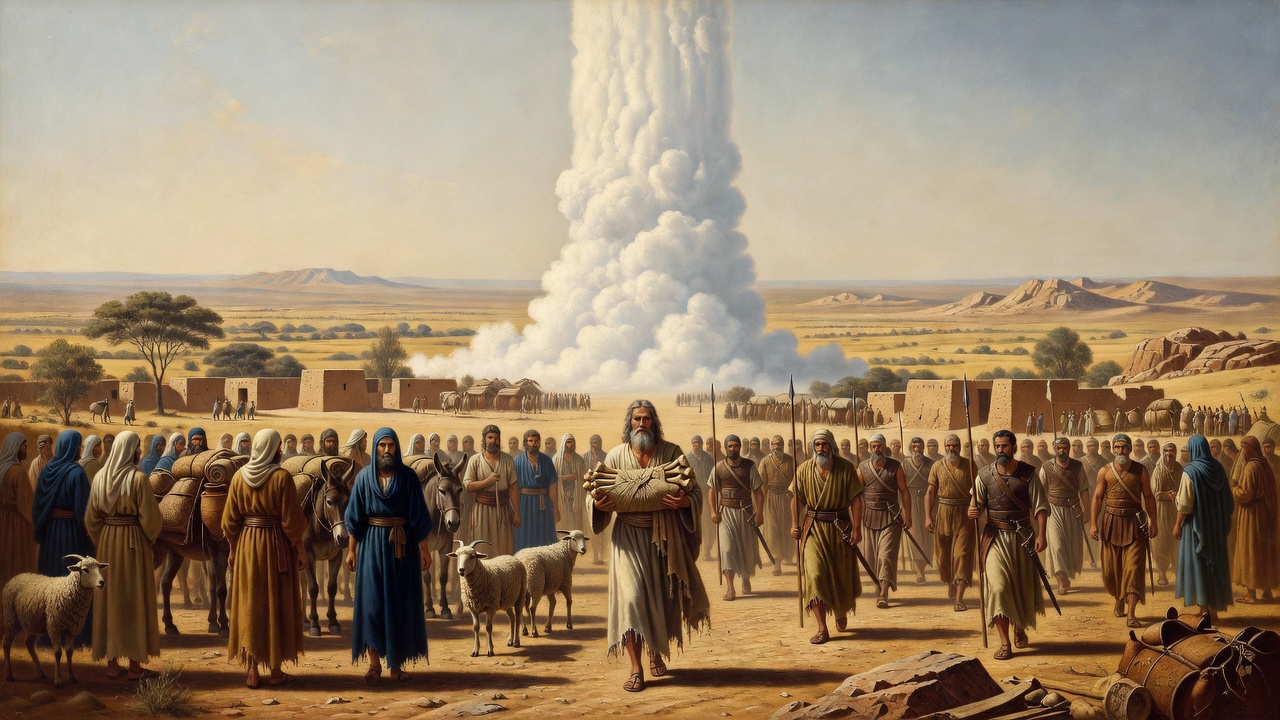
17Saugana Itipita ali kin tomo italamwagili silowasi, Yaubada nige ibabagunayagili silolo-utusi kamwasa kubwakubwana mena kaiwena kamwasane bwaine kali tokalomagigili tomo Pilistiya ali dedei. Yaubada iwaloba, “Kisi tomo Isileli bwaite sauga kaleya silobai kabo ali nuwatu sibuiyoi yo sivivila Itipita.” 18Na Yaubada iyoganli sitakikili dekawa bwagabwaga mena ule mena Kalita Balabalagiyana kana kamwasa koina. Tomo Isileli Itipita dedeina silogabaen yo ali kaba kaleya sikatububu-nonowaili. 19Mosese Yosepa tuwatuwana ikalaili kaiwena tauna kona Yosepa iwalo tubunao kolili iwaloba, “Sauga muli mena kani Yaubada ileboimiu kabo tuwatuwagu wakalaili mekamikava saugana yanuwane bwaite Itipita kwalogabaen.” 20Boda Isileli Sakot silogabaen na sigogoya Etama ule dekawa bwagabwaga salina mena. 21Kaliyate koina Yeoba ibagunayagili yaloyaloi malamalawena mayamayalena koina na kamwasa iyakenayagili. Na boniyai koina ibagunayagili mayau mayalena koina. Kabo sowasowali kaliyate yo boniyai silaulau. 22Sauga meuloina kaliyate koina yaloyaloine itotolo tomo manli mena, besiele boniyai mayaune itotolo tomo manli mena.
Did you know?
The Firstborn and the Departure from Egypt
- God did not lead them by the shorter road through the land of the Philistines, lest war make them return to Egypt, but by the wilderness toward the Red Sea, which separates Asia from Africa. They set out from Succoth, the first encampment after leaving Ramesses and also the civil name of Pithom, and made their third camp at Etham, on the edge of the wilderness. Etham is perhaps another name for Khetam, or “fortress,” on the wall of Shur, which ran from the Mediterranean to the Gulf of Suez, and the camp was probably a little west of modern Ismailia.Sources: the Bible text itself · Succoth · Etham · Red Sea
- Moses took the bones of Joseph with him, because Joseph had made the sons of Israel swear that, when God attended to them, they must carry his bones from that place. Joseph was the elder of the two sons of Jacob by Rachel.Sources: the Bible text itself · Joseph (son of Jacob)
- The LORD told Moses to consecrate every firstborn male; the firstborn from every womb among the Israelites, both of people and of animals, belonged to him. Every firstborn donkey was to be redeemed with a lamb, or else have its neck broken, and every firstborn son was to be redeemed. When a son asked what this meant, he was to be told that Pharaoh had stubbornly refused to let them go, so the LORD killed every firstborn in Egypt, of people and of animals, and brought them out of the house of slavery.Sources: the Bible text itself
Notes written with AI assistance from open sources (Theographic Bible Metadata, CC BY-SA 4.0; Easton’s Bible Dictionary, public domain) and reviewed before publishing.
Places in this chapter
Only places identified with high confidence are shown (90% or more according to the scholarly sources compiled by OpenBible). Period map: DARE (Digital Atlas of the Roman Empire), CC BY 4.0; modern map: © OpenStreetMap contributors; places: OpenBible.info (CC BY 4.0).
Credits and license for this translation
Buki Tabu Beyabeyana
Portions of the Old Testament in the Tubetube dialect of the Bwanabwana language of Papua New Guinea
Hap Olpela Testamen long tokples Tubetube long Niugini
copyright © 2019 Wycliffe Switzerland
Language: Tubetube (Bwanabwana) (Bwanabwana)
Dialect: Tubetube
This translation is made available to you under the terms of the
Creative Commons Attribution-Noncommercial-No Derivatives license 4.0.
You may share and redistribute this Bible translation or extracts from it in any format, provided that:
You include the above copyright and source information.
You do not sell this work for a profit.
You do not change any of the words or punctuation of the Scriptures.
Pictures included with Scriptures and other documents on this site are licensed just for use with those Scriptures and documents.
For other uses, please contact the respective copyright owners.
2022-08-18
Source: http://png.bible/tteo/ · eBible.org