2 Samuel 7
Godón Buk · Tap a verse to see its cross-references.

About this book
About 2 Samuel
- Easton's Bible Dictionary (1897) says the books of Samuel were probably written by Samuel, Gad, and Nathan. According to that entry, Samuel penned the first twenty-four chapters of the first book; Gad, David's companion, continued the history, and Nathan completed it, probably arranging the whole. The entry gives no date of writing, but says Second Samuel covers perhaps fifty years, the reign of David.Sources: Easton: Samuel, Books of
- After Saul's death, David was made king over Judah and reigned in Hebron, while Abner, commander of Saul's army, had Ish-bosheth proclaimed king. Ish-bosheth reigned at Mahanaim, beyond the Jordan, and a state of war existed between the two kings. Joab, captain of the host throughout David's reign, led the assault on the fortress on Mount Zion in Jerusalem and for that service was raised to the rank of prince of the king's army.Sources: Abner · Mahanaim · Joab · Jerusalem
- Easton describes 2 Samuel as a history of David's reign, mainly in its political aspects: over Judah in chapters 1-4, and over all Israel in chapters 5-24. The last four chapters are treated as a sort of appendix, recording various events but not in chronological order. The books are not complete histories; frequent gaps appear because, in Easton's view, their aim is the gradual development of the kingdom of God rather than a full account of each reign.Sources: Easton: Samuel, Books of
- The Septuagint translators regarded the books of Samuel and of Kings as one continuous history, which they divided into four books called the Books of the Kingdom. The Vulgate followed this division but named them the Books of the Kings, so the books called First and Second Samuel in modern Protestant versions were the First and Second Books of Kings. Easton also notes that the account of David's sin in the matter of Bathsheba, in 2 Samuel 11:2-12:29, is omitted from the corresponding passage in 1 Chronicles 20.Sources: Easton: Samuel, Books of
Notes written with AI assistance from open sources (Theographic Bible Metadata, CC BY-SA 4.0; Easton’s Bible Dictionary, public domain) and reviewed before publishing.
⌊Lodón⌋ ⌊Alkamül-koke Bóktan⌋ ⌊Deibidka⌋
1Lod Deibidün aurdü amanikürr ibükagab, wankü nidi gazirr kwarilürr. Da módóga, wa paude we mórran-mórran bainürr tóba morroal wirri müótüdü. 2Kinga ⌊prropet⌋ Neitónka we bóktanórr wagó, “Ka inamüla ini agurr sida nugupi aelórrón müótüdü, a Godón bokos ama gyaurka ⌊Palae Müótüdüma⌋.”
3Neitón bóktan we yalkomólórr kingdü wagó, “Marü ne gyagüpitótóke, wam da tónggapó, zitülkus Lod mankü asine.” 4A ene irrüb Lod Neitónka we tóbtanórr wagó, 5“Ugó wam kürü zaget olom Deibidka, da igó yalke magó, ‘ Lod igó bóktóne: ma sab ngyaben müót koke elo kürünkü.’”
8“Wam, da kürü zaget pam yalke magó, ‘Wirrian Arüng Lodón bóktan yóni wagó, “Ngaen-gógópan ma enan ⌊sip⌋ ngabkan pam namülnürrü, da ka ma marü kuri murruna sipab alo bwóbdügab kürü Isrrael pamkolpam balngomólóm. 9Ka mankü asi namülnürrü ma ene iazan wamnórró. Akó ka ibü marükagab amarró mankü nidi gazirr kwarilürr, ama kolaedó simarrurr. Da ka sab marü ngi wirri ino ngibürr ini tüpdü wirri pamzan. 10Akó ka sab kólba Isrrael is ngyaben bwób nókyenónómo. Ka sab ibü ola irito, igósüm i sab tibiób bwóbdü ngyaben kwarile. Ibü sab myamem koke nunurre, kolaean pamkolpama ngaenzan bangón kwarilürr, 11ka ibü zaz ne tonarr irrbürrü, tai kókó errkya. Akó ma sab paudüdü ngyaben namulo. Mankü nidi gazirr kwarilürr, i marü sab kokean munurre. Akó ka, Lod, ka marü amkoman igó milo, Deibid: Ka sab müót elo marünkü. 12Marü arróla nóma blakóne, ó tüpdü nóma müngrirre marü abalbobatal negako, ka sab darrü küp marükagab ipudo marü pabo apadóm, akó ka sab oyankü pabo tónggapono wa sab metat nólgabi ne balngomól yarile kingzan. 13Kürü ene müót sab wató ele, kürü sab nóla kagürnórre. Kürüme sab metat darrü küp asi yarile, sab metat-metat nótó balngomól yarile kingzan. 14Ka sab oya Ab namulo akó wa sab kürü olom yarile. Wa ne kolae nóma tónggapóne, ka sab oya wirri bidam ekyeno, aba tóba olomzan bidam akyanda. 15A ka sab kólba morroal tonarr koke agino oyakagab, ka Solkagabzan agirrü, ka marüme noan amaikürrü, ama marü müngrirrü. 16Marü müóta sab kokean bülgüte akó marü kingzan balngomóla sab kokean blakóne. Marü olmalbobatal sab metatómpükü king korale Isrrael bwób alngomólóm.” ’”
17Ene kakóm, Neitón blaman ini poko Deibidka we büdrratórr, Lod ne kla okaka sizazinürr.
Did you know?
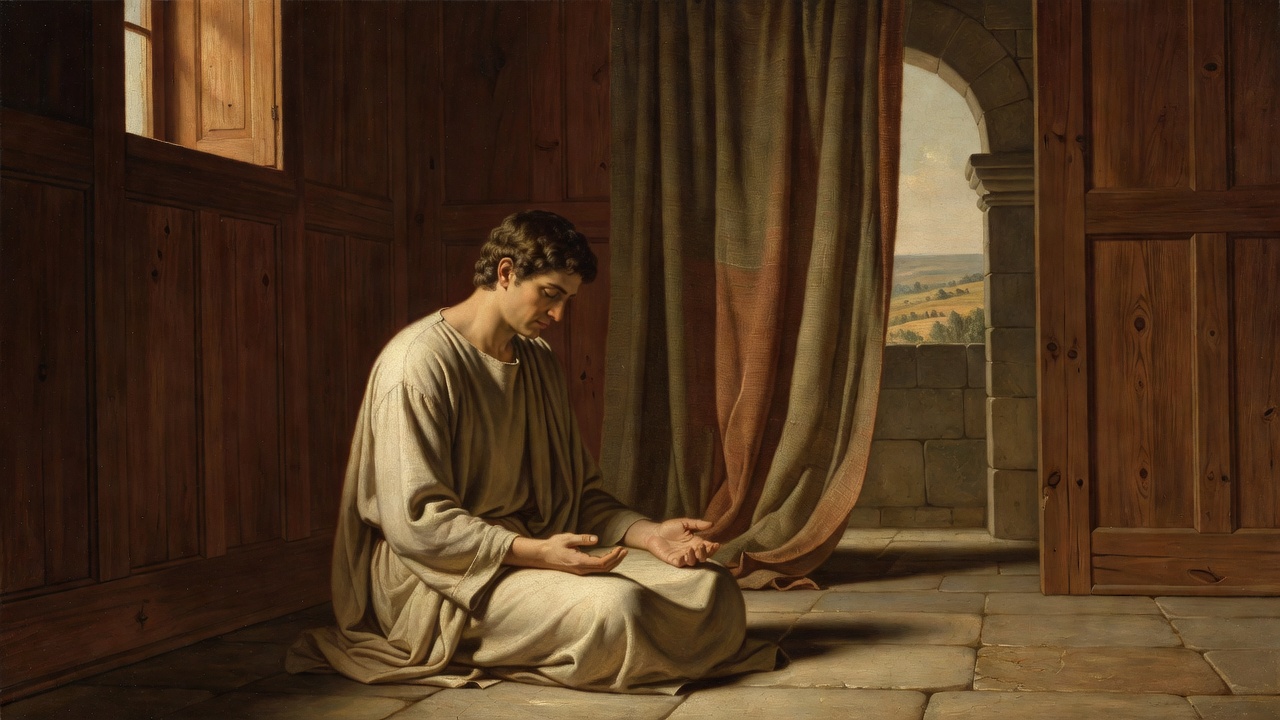
God's Covenant with David
- The prophet Nathan appears here for the first time in the biblical record. He served as a trusted advisor during the reigns of David and Solomon, later guiding David's royal succession and confronting the king during critical moments.Sources: Nathan · the Bible text itself
- When David proposed building a permanent temple of cedar, God responded with a play on the word "house." Instead of David building a physical house for the ark, God promised to build David an enduring "house"—a royal dynasty whose throne would be established forever.Sources: the Bible text itself · David
- God reminded David that since leading Israel out of Egypt, His presence had moved about in a tent rather than dwelling in a fixed cedar building, underscoring the mobile sanctuary that had accompanied the nation across generations.Sources: the Bible text itself · Egypt
Notes written with AI assistance from open sources (Theographic Bible Metadata, CC BY-SA 4.0; Easton’s Bible Dictionary, public domain) and reviewed before publishing.
Places in this chapter
Only places identified with high confidence are shown (90% or more according to the scholarly sources compiled by OpenBible). Period map: DARE (Digital Atlas of the Roman Empire), CC BY 4.0; modern map: © OpenStreetMap contributors; places: OpenBible.info (CC BY 4.0).
Credits and license for this translation
Godón Buk
Portions of the Holy Bible in the Gizrra language of Western Province, Papua New Guinea
Buk Baibel long tokples Gizrra long Niugini
copyright © 2019 Wycliffe Bible Translators, Inc.
Language: Gizrra
Translation by: Wycliffe Bible Translators, Inc.
This translation is made available to you under the terms of the
Creative Commons Attribution-Noncommercial-No Derivatives license 4.0.
You may share and redistribute this Bible translation or extracts from it in any format, provided that:
You include the above copyright and source information.
You do not sell this work for a profit.
You do not change any of the words or punctuation of the Scriptures.
Pictures included with Scriptures and other documents on this site are licensed just for use with those Scriptures and documents.
For other uses, please contact the respective copyright owners.
2024-07-01
Source: http://png.bible/tof/ · eBible.org