2 Kings 17
Godón Buk · Tap a verse to see its cross-references.

About this book
About 2 Kings
- Easton's Bible Dictionary (1897) states that the authorship of the books of Kings is uncertain. Nearly identical passages shared with Jeremiah, together with events Jeremiah knew personally, give some support to the tradition that he wrote them, yet Easton regards it as more probable that Ezra compiled the books after the Captivity from earlier documents. Easton dates their composition between 561 B.C., when Evil-merodach released Jehoiachin, and 538 B.C., the year of Cyrus's decree of deliverance.Sources: Easton: Kings, The Books of
- The two books of Kings originally formed a single book in the Hebrew Scriptures. The Septuagint first divided them into two, and together with the Vulgate numbers them as the third and fourth books of Kings, counting the books of Samuel as the first and second.Sources: Easton: Kings, The Books of
- These books contain the annals of the Jewish commonwealth from the accession of Solomon until the subjugation of the kingdom by Nebuchadnezzar and the Babylonians, a period Easton describes as apparently about four hundred and fifty-three years. While Chronicles gives greater prominence to the priestly or Levitical office, Kings gives greater prominence to the kingly office, and the narrative refers to sources such as the book of the acts of Solomon and the chronicles of the kings of Judah and of Israel.Sources: Easton: Kings, The Books of
- In the threefold division of the Scriptures by the Jews, the books of Kings are ranked among the Prophets. Easton notes that they are frequently quoted or alluded to by Jesus and the apostles.Sources: Easton: Kings, The Books of
Notes written with AI assistance from open sources (Theographic Bible Metadata, CC BY-SA 4.0; Easton’s Bible Dictionary, public domain) and reviewed before publishing.
Asirria Gazirr Pama Samarria Wirri Basirr Ipüdóp
5Olgabi Asirria king, ngi Salmaneserr, tóba gazirr pampükü wamórr, da Isrrael tüp blaman we ipadórr. I Samarria wirri basirr we kal-kal yangónóp aüd pailüm da blaman basirran barrbün mamtae we ngabkan koralórr paman alo byamkünüm bausgum. 6Osyia Isrrael king, oya 9 ngim pail nóma yarilürr, Asirria kinga ibü ugón yazebórr, da Asirria we imarrurr. Wa ngibürr Isrrael pamkolpam Ala wirri basirrdü irrbünürr, ngibürr Aborr tobarr minggüpanan, Gozan bwóbdü, akó wa ngibürr Isrrael pamkolpam Mid pamkolpamab ngibürr wirri basirrdü irrbünürr.
Isrraelón Kolae Tonarran Darrem
7Isrrael is igósidi imarruóp, zitülkus ibü kolae tonarranme ⌊ Lodka⌋, ibü God, ibü nótó yusürr Izipt kantrridügab, i ne parraoan tangdó nóma kwarilürr. Akó zitülkus i ngibürr god ⌊ótók⌋ kwarilürr 8akó ngibürr pamkolpamab bókam tumtum mumyamón kwarilürr, Lod ne pamkolpam kolabütan yarilürr ibü obzek kwata. I akó ene dadan kolae bókam tumtum mumyamón kwarilürr, Isrrael kinga ne kla umulbain kwarilürr. 9Isrrael pamkolpama dümdüm-koke tonarr tómbapón kwarilürr Lodka, ibü God, da ibü gyagüpitótók igó yarilürr, wamaka Lod koke asenda. I tóre bwób balmel kwarilürr pododó, ngibürr god bütókóm blaman basirrdü, tai karidügab kókó wirri. 10I gyabi ingülküp zamngól-zamngól urrbulürr akó Asyerran gyabi talkum zolangólórr blaman pododó akó wirri nugup murrdüma.
Asirria Isa Isrrael Bwób Ia Ipüdóp
24Asirria kinga pamkolpam simarrulürr Babilongab, Kutagab, Abagab, Amatgab, akó Separrbaemgab, da we irrbünürr Samarria wirri ne basirr kwarilürr, Isrrael isab pabodó. I Samarria wirri basirr tibióbkü we ninóp. 25I ngaen-gógópan nóma ngyabenóm bainóp, i Lodón koke ótók kwarilürr, da wa ⌊laeon⌋ ibüka we zirrtapónóp, da ibü ngibürr we ekrrónóp büdülümpükü, ene laeona. 26Ene bóktan we pupainóp Asirria kingdü wagó, “Ma ne pamkolpam iritürr basirr-basirr Samarriam umul-kókako ini tüpan godón gida. Ini zitülkusdü wa laeon igósidi zirrtapórre ibü akrranóm büdülümpükü. Ibü igósidi akrrandako, zitülkus i umul-kókako ini tüpan godón gida.”
27Da módóga, Asirria kinga ini arüng bóktan nókyenóp wagó, “Darrpan ⌊prrist⌋ zirrapónam e ne nibiób imarruarre. Wa sab ola ki ngyabe pamkolpam umul bainüm ene tüpan godón gida.” 28Da darrpan prrist noan idüdóp ngaen-gógópan Isrrael pamkolpampükü Samarriagab, wa we yalkomólóp Betel ngyabenóm, Samarria bwób kugupidü. Da we umul bain yarilürr Lodón ótókóm.
29A blaman dakla ne pamkolpam kwarilürr, ma tibiób god we tómbapónóp, da alóngóp tóre pokodó basirr-basirr podo kwitüdü, ibü bütókóm. Ini tóre poko Isrrael pamkolpama tómbapónóp, Samarriam nidi ngyabenónóp ngaen-gógópan.
Did you know?
The Fall of the Northern Kingdom and the Exile of Israel
- King Hoshea attempted to break free from Assyrian domination by withholding tribute and seeking an alliance with King So of Egypt. In response, Shalmaneser and the Assyrian army besieged Samaria for three years, capturing the capital and deporting the Israelites to regions such as Halah, Gozan on the Habor River, and the cities of the Medes.Sources: the Bible text itself · Hoshea · Shalmaneser · So
- Following their policy of population transfer, the Assyrian rulers relocated peoples from cities such as Babylon, Cuthah, Avva, Hamath, and Sepharvaim to settle in the towns of Samaria in place of the exiled Israelites.Sources: the Bible text itself · Babylon · Hamath · Sepharvaim
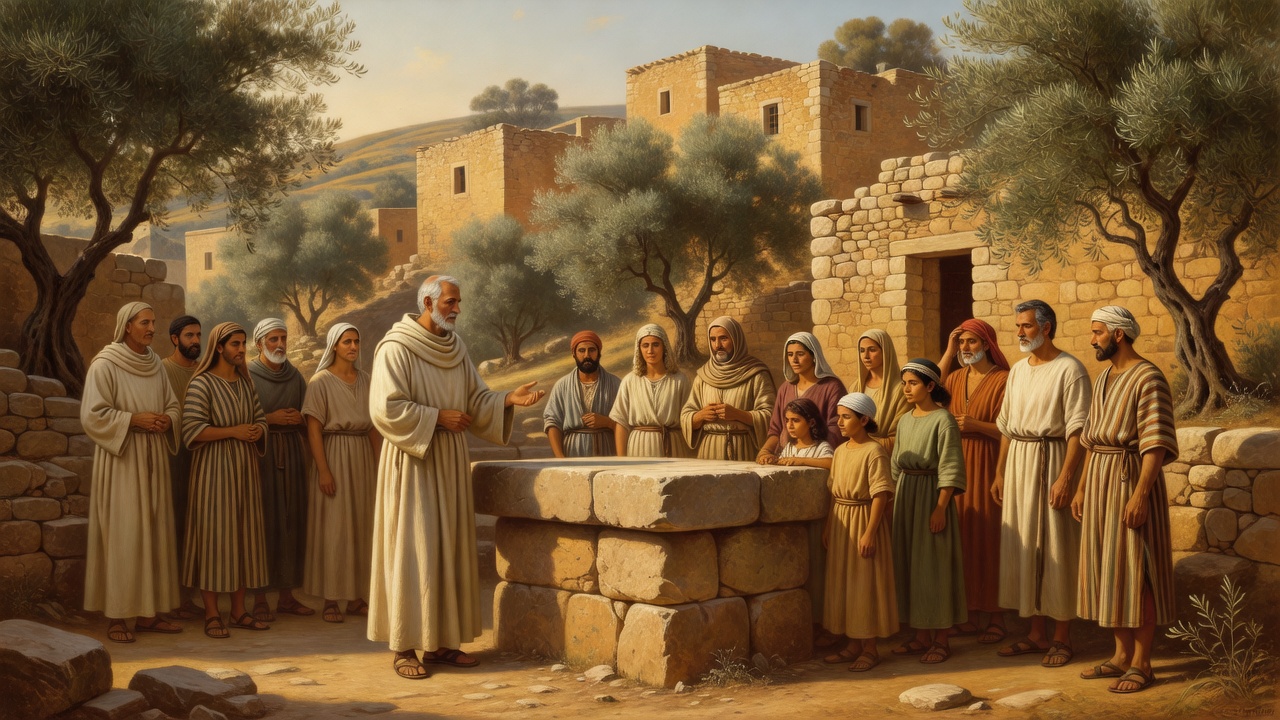
- When wild lions began attacking the new settlers, the king of Assyria sent back an exiled Israelite priest to live in Bethel and teach the newcomers how to worship the God of the land. This resulted in a syncretic religion in which the new inhabitants feared the LORD while continuing to serve their own ancestral deities.Sources: the Bible text itself
Notes written with AI assistance from open sources (Theographic Bible Metadata, CC BY-SA 4.0; Easton’s Bible Dictionary, public domain) and reviewed before publishing.
Places in this chapter
- Samaria · 32.276, 35.195 · verses 1, 5, 6, 24, 26, 27, 28, 29
- Assyria · 36.359, 43.153 · verses 3, 4, 5, 6, 23, 24, 26, 27
- Egypt · 30.129, 31.308 · verses 4, 7, 36
- Babylon · 32.543, 44.422 · verses 24, 30
- Hamath · Today: Hama · 35.136, 36.750 · verses 24, 30
Only places identified with high confidence are shown (90% or more according to the scholarly sources compiled by OpenBible). Period map: DARE (Digital Atlas of the Roman Empire), CC BY 4.0; modern map: © OpenStreetMap contributors; places: OpenBible.info (CC BY 4.0).
Credits and license for this translation
Godón Buk
Portions of the Holy Bible in the Gizrra language of Western Province, Papua New Guinea
Buk Baibel long tokples Gizrra long Niugini
copyright © 2019 Wycliffe Bible Translators, Inc.
Language: Gizrra
Translation by: Wycliffe Bible Translators, Inc.
This translation is made available to you under the terms of the
Creative Commons Attribution-Noncommercial-No Derivatives license 4.0.
You may share and redistribute this Bible translation or extracts from it in any format, provided that:
You include the above copyright and source information.
You do not sell this work for a profit.
You do not change any of the words or punctuation of the Scriptures.
Pictures included with Scriptures and other documents on this site are licensed just for use with those Scriptures and documents.
For other uses, please contact the respective copyright owners.
2024-07-01
Source: http://png.bible/tof/ · eBible.org