Psalms 127
PATHEN LEKHABU THENG · Tap a verse to see its cross-references.
Haona Kiti Hi Yahweh Pakaiya Hung Kon Ahi
Solomon ki pahtah a ala sem
1Insa-a hi Yahweh Pakai apan louleh, asahon mohseh a asah'u ahi. Khopi ngah'a hi Yahweh Pakai ajao louleh, khongah ho panna bei a hahkhovah ahiuve.
2Jingkah matah a nakipat uva jankhang gei a neh ding an holna a na natoh'u pan nabei ahi, ajeh chu Yahweh Pakaijin angailut achate hi a-ihmut sung uva hi ijakai agontohpeh ahi bouve.
3Veuvin, chatehi Yahweh Pakaiya kon a gou ahin, naobu sunga konna aga kimu jonghi kipa thilpeh ahi.
4Khang don laija cha kineiho hi galsatpan akhut a thal changho akichoi tobang ahi.
5Thal chang abom dimsetna kipohpa anunnom ahi. Ama chu agal mite toh thutanna mun'a akimuto teng gal lel hilouhel ding ahi.
Did you know?
Divine Blessing and Family
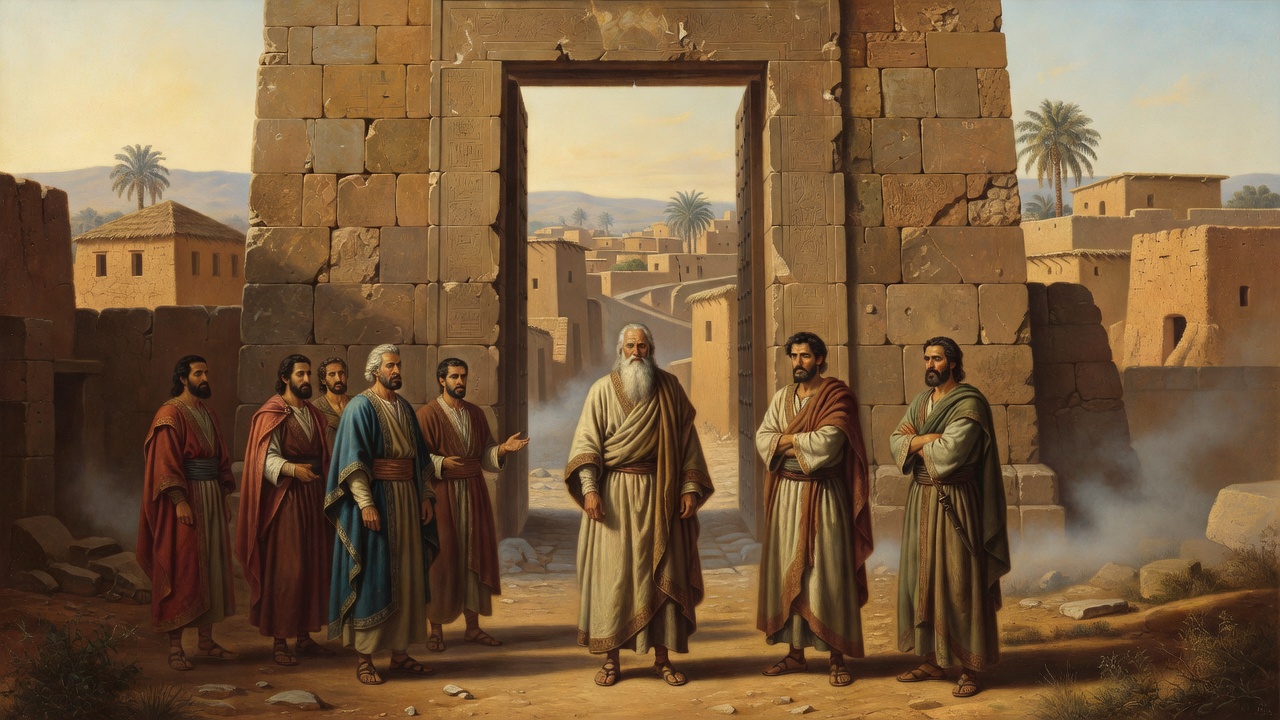
- The superscription identifies Psalm 127 as a Song of Ascents attributed to Solomon. The opening verses emphasize that human endeavors, such as building a house, guarding a city, or working long hours for food, are futile without the Lord's involvement and blessing.Sources: the Bible text itself
- The psalm compares children born in one's youth to arrows in the hands of a warrior, presenting them as a heritage and reward from the Lord. Having a household full of them provides support and honor when confronting adversaries at the city gate.Sources: the Bible text itself
Notes written with AI assistance from open sources (Theographic Bible Metadata, CC BY-SA 4.0; Easton’s Bible Dictionary, public domain) and reviewed before publishing.
Places in this chapter
- Jerusalem · 31.777, 35.234 · verse 1
Only places identified with high confidence are shown (90% or more according to the scholarly sources compiled by OpenBible). Period map: DARE (Digital Atlas of the Roman Empire), CC BY 4.0; modern map: © OpenStreetMap contributors; places: OpenBible.info (CC BY 4.0).
Credits and license for this translation
PATHEN LEKHABU THENG
The Holy Bible in the Chongthu Dialect of India
Copyright © 2020 Chongthu Bible Translation Team
Language: Chongthu (Chin, Thado)
Dialect: Chongthu
This is a draft copy of a work in progress. It will be updated.
This translation is made available to you under the terms of the
Creative Commons Attribution Share-Alike license 4.0.
You have permission to share and redistribute this Bible translation in any format and to make reasonable revisions and adaptations of this translation, provided that:
You include the above copyright and source information.
If you make any changes to the text, you must indicate that you did so in a way that makes it clear that the original licensor is not necessarily endorsing your changes.
If you redistribute this text, you must distribute your contributions under the same license as the original.
Pictures included with Scriptures and other documents on this site are licensed just for use with those Scriptures and documents.
For other uses, please contact the respective copyright owners.
Note that in addition to the rules above, revising and adapting God's Word involves a great responsibility to be true to God's Word. See Revelation 22:18-19.
2026-10-02
Source: http://ebible.org/tczchongthu/ · eBible.org