Malachi 4
PATHEN LEKHABU THENG · Tap a verse to see its cross-references.
Pakai Nikho Loupi
1Hatchungnung Pakai chun asei’e, “Thutan nikho ahung lhuna, meilhum sunga meikong alonlut jeng tobangin ahung’e.” Hiche nikho leh hin mi kiletsah ho leh miphalou jouse changpol banga a kahlhah diu amaho chu thingjung leh thingbah hobanga akahvam sohkei ding ahi. 2Ahinlah kamin ging khenna umho ding vang chun, chonphatna nisa hungsohin tin, alha ning te nia chun midam sahtheina
ahinpoh ding nangho jong na tha’u nomma
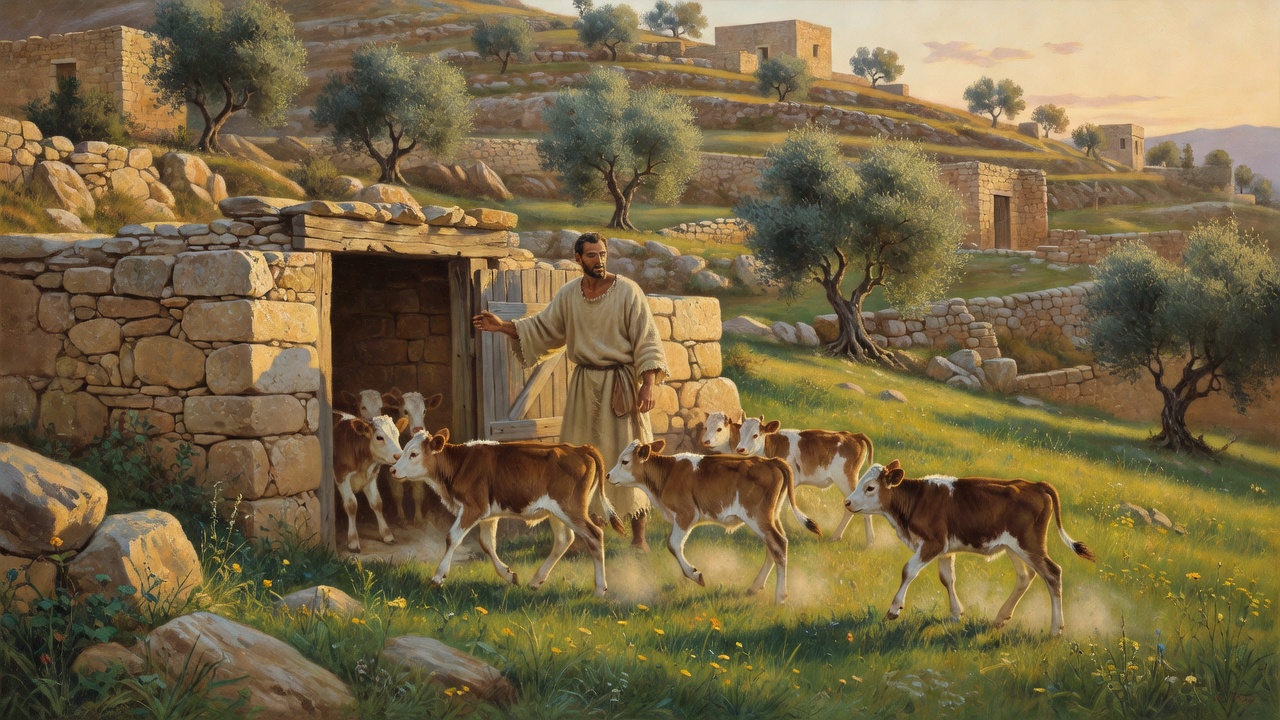
bongkul sunga konna bongnoute hamdong ne dinga hung kilha doh banga kipah leh thanom tah a na lhaile diu ahi.
3“Hiche nia kei kahung kipat teng nangin miphalou ho chu vutvai na chotpha banga na chotpha ding ahitai,” tin hatchungnung pen Pakaijin aseije. 4Keiman Israel te jouse dinga Sinai mol'a ka peh danpi le chonna ding danho jouse chu geldoh in lang nit jingin, ati. 5Ven keiman Pakai nikho loupi tah leh kichat umtah chu ahung lhun masang'in Themgao Elijah chu ka hinsol masan ahi. 6Elijah hin mipate lungthim jouse achateu lungthim banga ahei doh peh a acha teu lungthim jouse jong apa teu lungthim banga aheidoh pehding ahi. Achuti louleh keima kahunga gamsung chu ka suhmang ding ahi.
Did you know?
The Day of the Lord and the Promise of Elijah
- Malachi calls on Israel to remember the law given to Moses at Mount Horeb. Horeb is a biblical name for the mountainous range where Mount Sinai stands, the site where the Israelites encamped and received divine statutes and ordinances.Sources: the Bible text itself · Horeb · Moses
- The passage concludes with the promise that Elijah the prophet will be sent before the great Day of the Lord to reconcile parents and children. In the biblical narrative, Elijah was a prophet from Tishbe who delivered messages during the reign of King Ahab.Sources: the Bible text itself · Elijah
- Malachi uses vivid agricultural imagery to describe the coming judgment and restoration, contrasting evildoers reduced to dry stubble in a fire with the faithful, who are pictured leaping with joy like calves let out of a stall.Sources: the Bible text itself
Notes written with AI assistance from open sources (Theographic Bible Metadata, CC BY-SA 4.0; Easton’s Bible Dictionary, public domain) and reviewed before publishing.
Places in this chapter
- Mount Horeb · Today: Jebel Musa · 28.540, 33.973 · verse 4
Only places identified with high confidence are shown (90% or more according to the scholarly sources compiled by OpenBible). Period map: DARE (Digital Atlas of the Roman Empire), CC BY 4.0; modern map: © OpenStreetMap contributors; places: OpenBible.info (CC BY 4.0).
Credits and license for this translation
PATHEN LEKHABU THENG
The Holy Bible in the Chongthu Dialect of India
Copyright © 2020 Chongthu Bible Translation Team
Language: Chongthu (Chin, Thado)
Dialect: Chongthu
This is a draft copy of a work in progress. It will be updated.
This translation is made available to you under the terms of the
Creative Commons Attribution Share-Alike license 4.0.
You have permission to share and redistribute this Bible translation in any format and to make reasonable revisions and adaptations of this translation, provided that:
You include the above copyright and source information.
If you make any changes to the text, you must indicate that you did so in a way that makes it clear that the original licensor is not necessarily endorsing your changes.
If you redistribute this text, you must distribute your contributions under the same license as the original.
Pictures included with Scriptures and other documents on this site are licensed just for use with those Scriptures and documents.
For other uses, please contact the respective copyright owners.
Note that in addition to the rules above, revising and adapting God's Word involves a great responsibility to be true to God's Word. See Revelation 22:18-19.
2026-10-02
Source: http://ebible.org/tczchongthu/ · eBible.org