Amos 8
PATHEN LEKHABU THENG · Tap a verse to see its cross-references.
Nipilai Theiga Min Longkai Khat Dim
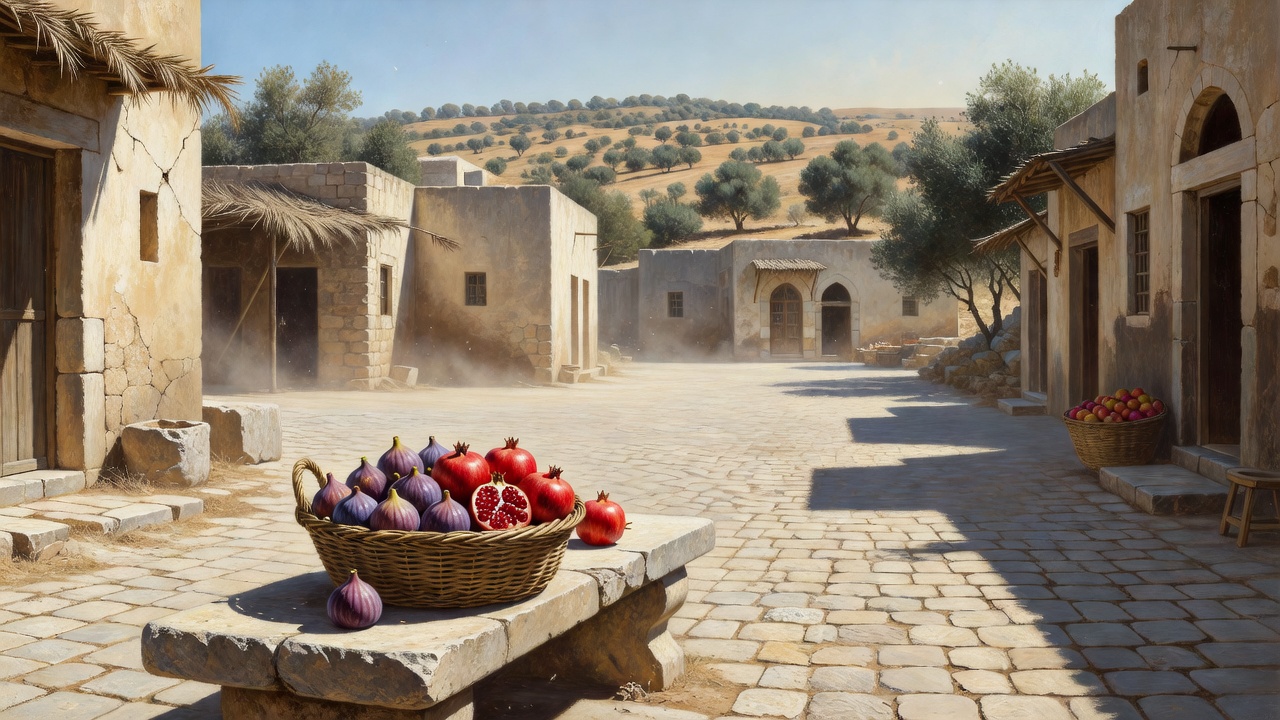
1Hatchungnung Pakaijin, hicheng hi, themgao thilmun keima eivetsah e. Hichu nipilaija theiga-min longkai khat dimset in akitung e. 2Hichun aman eidong in, “Amos ipi namu em?” eiti. Ken jong ka donbut in, “Longkai khat dimset nipilai theiga-min kamui’’ kati. Chuphat in Pakaijin aseitai,’’ Hiche theiga-min namu bang’a hi, kami Israel te jong akichaina diu phat hunglhung ahitai. Keiman achung uva talen kamatsah ding hi, kakhongai tahlou ding ahi. 3Hiche nikho chuleh, Hou-In’a la kisa ho jong abon’a kana la sohgam ding, mithi tampi khopisung muntin’a thang jeng ding ahi. Hiche hi keima thaneipen Pakaijin ka sei doh ahitai.
Israel Manthahna
4Hiche hi ngai uvin, nang hon vaichate nachom gam’un, chuleh tahlelte kengchot phan nanei uve. 5Nanghon, cholngah nikho hunglhun ding nangah lel un, houthua kut kibol nikho ho jong kichaidoh loihen, natiuve. Ajeh chu, nang hon thil tena dihlou nasem’un, chang leh suhlou chang ho, aman val val in mi nachohsah uvin, thilcho leh thiljoh ho jong jou leh nal in nalhemlha uvin ahi. 6Nanghon, changsi tol’a kiseplha toh changtah nachoh hel’un, hichu najoh’un, chuteng vaicha leh tahlelte chu soh din dangka pehkhat pouvin na kichoh un, chuleh kengchot tokhat poutoh nalheh’un ahi. 7Tun, Pakai Israel Pathen chu, ama leh ama akihahsel in, “A itih’a jong, na thilse bol ho kahaimil louhel ding ahi. 8Hiche jeh a chu, gamsung pumpi liingkihot banga killing ding, chuleh gamsung chu Nile vadung twi solai banga, hung kinuh sang ding chuleh kemsuh kitding ahi’’, ati. 9“Hiche nikho chuleh, keiman sunlaiya nisa kalhumsah ding, chuleh sunchang laiya leiset chung mu ka thimsah ding ahi,” tin thanei pen Pakaijin aseiye. 10Chuleh, golvah kut nabol jouseu kaleh maona-a ka heidoh peh ding, la nasah jouseu jong kala-a ka heidoh peh ding nahiuve. Nanghon,thi-op pon nakisil uva, lunghem jeh a amitakip nalu nahotol diu, Nachapa khat seh na neisun thijeh a lunghem bang’a kalha diu, Hiche nikho chu iti lainat um hitam!’’tin Pakaijin aseiye. 11Hatchungnung Pakaijin aseijin, ‘’Hiche nikho chu ahunglhung’e. Keiman gamsung kel ka lhahsah ding, an leh twi ngaichatna kel hilou ding, amavang, Pakai thusei jah ding ngaichatna kel hi ding ahi. 12Miho, twikhanglen khat a kon’a adang khat a kitol leuva, chuleh gamkhat a kon’a gamdang khat a chediu, Pakai thusei jah ding holna-a, lhaito jeng jung diu. Ahivanga, ama hon ahol’u chu amu louhel diu ahi. 13Hiche nikho chuleh, nungah mel-hoitah ho leh gollhang thahatlai ho jong Pakai thu jahding ngaicha-a lhulham soh diu ahi. 14Chuleh Samaria khopia jumlehja um doi ho’a kihahsel’a, Dan pathen min’a kihahselho, chuleh Beersheba pathen min’a kitepna bol ho, abonchauva kipallhu gan hel diu, a itih’a, thoukit talouhel diu ahi,’’ ati.
Did you know?
The Basket of Summer Fruit and Coming Famine
- Amos condemned merchants who grew impatient with religious observances like the New Moon and the Sabbath because they paused commerce. These traders sought to cheat buyers by shrinking the measure for grain (the ephah), increasing the price (the shekel), using rigged scales, and selling worthless chaff to desperate buyers.Sources: the Bible text itself
- To describe the catastrophic shaking and upheaval awaiting the land, the prophet compared the ground rising and receding to the annual flooding of the Nile River in Egypt.Sources: the Bible text itself · Egypt
- Amos warned of a severe spiritual crisis: a famine not of bread or water, but of hearing the words of the Lord. He pictured people wandering in exhaustion from sea to sea across the land in search of divine guidance without finding it.Sources: the Bible text itself
Notes written with AI assistance from open sources (Theographic Bible Metadata, CC BY-SA 4.0; Easton’s Bible Dictionary, public domain) and reviewed before publishing.
Places in this chapter
- Egypt · 30.129, 31.308 · verse 8
- Nile · Today: Nile River · 31.465, 30.367 · verse 8
- Dan · Today: Tel Dan · 33.249, 35.652 · verse 14
- Samaria · 32.276, 35.195 · verse 14
Only places identified with high confidence are shown (90% or more according to the scholarly sources compiled by OpenBible). Period map: DARE (Digital Atlas of the Roman Empire), CC BY 4.0; modern map: © OpenStreetMap contributors; places: OpenBible.info (CC BY 4.0).
Credits and license for this translation
PATHEN LEKHABU THENG
The Holy Bible in the Chongthu Dialect of India
Copyright © 2020 Chongthu Bible Translation Team
Language: Chongthu (Chin, Thado)
Dialect: Chongthu
This is a draft copy of a work in progress. It will be updated.
This translation is made available to you under the terms of the
Creative Commons Attribution Share-Alike license 4.0.
You have permission to share and redistribute this Bible translation in any format and to make reasonable revisions and adaptations of this translation, provided that:
You include the above copyright and source information.
If you make any changes to the text, you must indicate that you did so in a way that makes it clear that the original licensor is not necessarily endorsing your changes.
If you redistribute this text, you must distribute your contributions under the same license as the original.
Pictures included with Scriptures and other documents on this site are licensed just for use with those Scriptures and documents.
For other uses, please contact the respective copyright owners.
Note that in addition to the rules above, revising and adapting God's Word involves a great responsibility to be true to God's Word. See Revelation 22:18-19.
2026-10-02
Source: http://ebible.org/tczchongthu/ · eBible.org