1 Kings 5
PATHEN LEKHABU THENG · Tap a verse to see its cross-references.
Hou-In Sahna Dia Kigotna
1Tyre Lengpa Hiram hi David dinga gol phatah ana hijing’a ahi. David chapa Solomon chu Israel te leng ahitai ti ahet phat in palai asol in akipapina thu chu aga lhutsah in ahi.
2Hichun Hiram kom'ah Solomon in thu alethot in ahi.
3“Kapa David chun Pakai a Pathen min dopsang na dinga a Hou-In tundoh ding chu ana jou tapoi ti nahiuve, ajeh chu aman avel’a gal mite toh gal kisattona a ana kimang chan ahi. Pathen'in ama hi gal mite ajosah soh kahsea Hou-In ana sah joulou ahi. 4Ahin tunvang Pakai ka Pathen'in gamsung pumpia hin chamna eipe tan, tuhin galmi kanei tapon eihin suboi ding jong kanei tapon ahi. 5Pakaijin kapa David kom'ah, nangma ban a Leng’a ka hin tun ding na chapa chun kei dinga Hou-In eihin sahpeh ding ahi. Hijeh chun Pakai ka Pathen jabolna ding’a Hou-In khat sah dingin lunggel lhuhna kanei tan ahi.
6Hijeh chun Lebanon ah kei dinga Cedar thing eihung phuh peh dingin na mite hinsol inlang ka miten jong amaho chu tohkhom piuvin tin chuleh nangma dei dungjuijin atohman’u penang’e. Ajeh chu nami ten thing phuhje ahet bangun keima miten ahe pouve ti nahetsa ahi,” atin ahi.
7Solomon thuthot chu ajah phat in Hiram chu akipah lheh jengin, hitin aseiye: “Hitobang nam thupitah chung’a ama banna Leng chang dinga David chapa ching tah hinpe’a Pakai chu thangvah in umhen!” 8Hichun Hiram in Solomon chu thu athot in:
“Nahin thuthot chu kana mu’n, na ngaichat bang’a Cedar thing le chahthing bim ho kahin peh ding ahi. 9Ka miten thingtum ho chu Lebanon mol ho apat Mediterranean Twikhanglen geijin alomin hin tolsuh untin chuleh nangin nadei nalai twipanga chu ahin tol suh diu ahi. Chujou teng ka miten lhamlha untin chuleh na mite khut a ahin pohlut ding’u ahi. Chutengleh ka insung'a neh ding nahin peh ding kadeije,” ati.
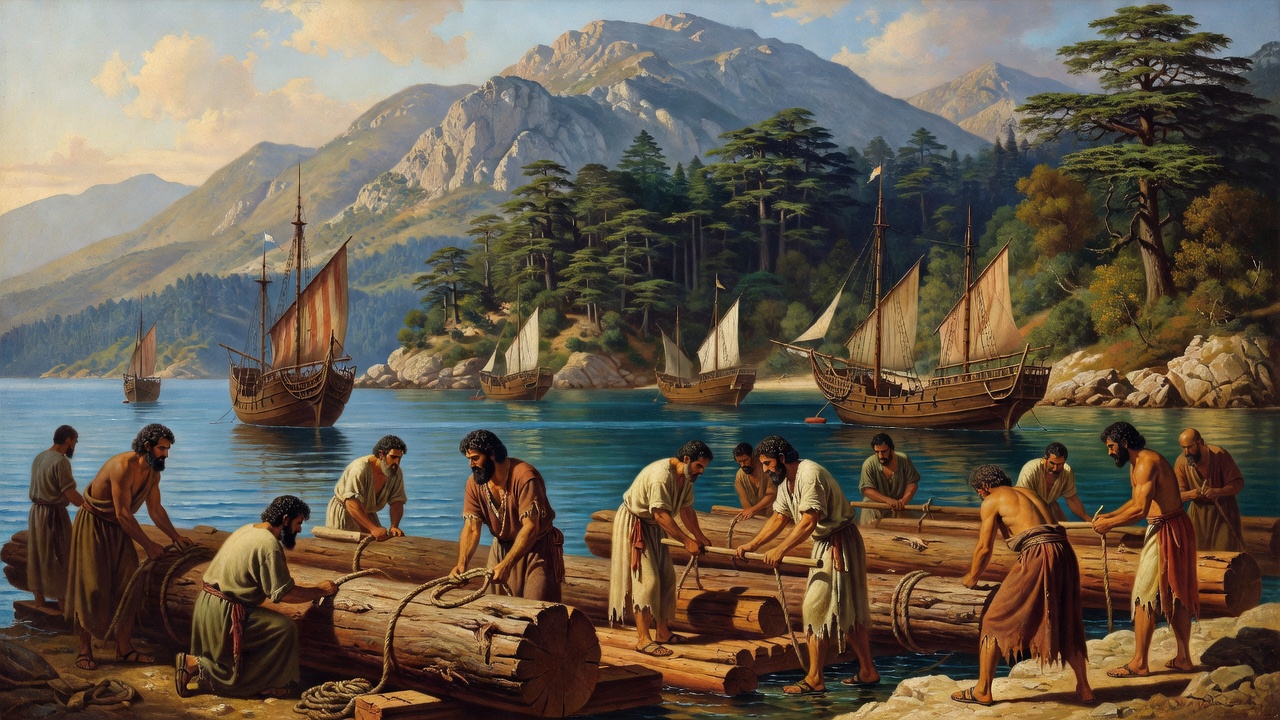
10Hiti chun Hiram in Solomon chu Cedar leh chahthing angaichat chan ahin pen ahi. 11Chuleh Solomon'in Hiram mite neh dingin suhlou chang atena dim 100,000 leh thaotwi kihehlhasa atena dim 110,000 apen ahi. Solomon in thil hijat hi kumseh a Hiram apeh jing ahi. 12Pakaijin akitepna bang bangin Solomon chu chihna apen, Solomon leh Hiram kah ajong pankhom jingna dingin kigahna anasem lhon'in ahi.
13Solomon in Israel mipi jouse lah a kon'in mi 30,000 natong dingin ana sem'in ahi. 14Amaho hi mi 10,000 Lebanon langa asol jin, lhakhat sungin Lebanon a na agatong jiuvin chuleh lhani sung chu in’a ahung kicholdo jiuvin ahi. Hichea natongho vesui dingin Adoniram ana pansah in ahi. 15Solomon in thinglhang gamsung’a jong thilgih pole dingin mihem sang somsagi; song kheng them jong mihem 80,000 aneijin, 16natong ho vesui dingin lamkai 3,600 ana pansah in ahi. 17Lengpa thupeh dungjuijin, songlentah tah le song guntah tah ho chu akheng toh-un Hou-In bul kitundohna a dingin ana mangun ahi. 18Gebal khopi miten Solomon akithopi uvin chuleh Hiram insathem hon Hou-In song le thing ding agon peh un ahi.
Did you know?
Preparations for the Temple
- King Hiram of Tyre, a major Phoenician maritime city, maintained friendly relations with David and entered into a formal treaty with Solomon. In exchange for cedar and cypress timber from Lebanon floated down the coast as rafts, Solomon supplied Hiram's household with annual provisions of wheat and pure olive oil.Sources: Hiram · Tyre · the Bible text itself
- To prepare materials for the temple, Solomon relied on Phoenician craftsmanship, noting the logging skills of the Sidonians. Builders from Tyre and Gebal—an ancient Phoenician coastal city known to the Greeks as Byblos—worked alongside Israelites to quarry large, dressed foundation stones and prepare the timber.Sources: Gebal · the Bible text itself
- Solomon organized a massive labor force for the project, conscripting 30,000 Israelites who served in Lebanon in rotating shifts of 10,000 per month under the supervisor Adoniram. An additional 70,000 transporters and 80,000 stonecutters labored in the mountains, directed by 3,300 foremen.Sources: Adoniram · the Bible text itself
Notes written with AI assistance from open sources (Theographic Bible Metadata, CC BY-SA 4.0; Easton’s Bible Dictionary, public domain) and reviewed before publishing.
Places in this chapter
- Tyre · 33.271, 35.196 · verse 1
- Lebanon · 33.540, 35.584 · verses 6, 9, 14
- Great Sea · Today: Mediterranean Sea · 31.805, 34.170 · verse 9
- Gebal · Today: Byblos · 34.119, 35.646 · verse 18
Only places identified with high confidence are shown (90% or more according to the scholarly sources compiled by OpenBible). Period map: DARE (Digital Atlas of the Roman Empire), CC BY 4.0; modern map: © OpenStreetMap contributors; places: OpenBible.info (CC BY 4.0).
Credits and license for this translation
PATHEN LEKHABU THENG
The Holy Bible in the Chongthu Dialect of India
Copyright © 2020 Chongthu Bible Translation Team
Language: Chongthu (Chin, Thado)
Dialect: Chongthu
This is a draft copy of a work in progress. It will be updated.
This translation is made available to you under the terms of the
Creative Commons Attribution Share-Alike license 4.0.
You have permission to share and redistribute this Bible translation in any format and to make reasonable revisions and adaptations of this translation, provided that:
You include the above copyright and source information.
If you make any changes to the text, you must indicate that you did so in a way that makes it clear that the original licensor is not necessarily endorsing your changes.
If you redistribute this text, you must distribute your contributions under the same license as the original.
Pictures included with Scriptures and other documents on this site are licensed just for use with those Scriptures and documents.
For other uses, please contact the respective copyright owners.
Note that in addition to the rules above, revising and adapting God's Word involves a great responsibility to be true to God's Word. See Revelation 22:18-19.
2026-10-02
Source: http://ebible.org/tczchongthu/ · eBible.org