Ruth 4
Bibiri Kuyie Nnɑ́ɑǹtì Pɑ́tíri · Tap a verse to see its cross-references.
Boɑsi sɔɔtɛ́mɛ̀ Edimɛdɛki fuku
1Mɛm̀mɛ kɛ̀ Boɑsii kɔtɛ kɛ́nkɑri dihɛì bòrì bɛ̀ kɑ̀rì dɛ̀ kɛ tũnni tihɛikɛ̀nnɑ́ɑǹtì. Wèè do dò nkɛ́ndɑkɛ Oduti nɛ̀ o cɔkù Nɑomii bɛ kpɛ́í kòo mpɛ̃nkɛ́, kɛ̀ Boɑsi dɔ̀: N kou kɔtɛní kɛ́kɑri diɛ!
Kòo kɑri. 2Kɛ̀ Boɑsii yú bɛhɛikɛ̀nkótíbɛ̀ tɛpíítɛ̀ kɛ dɔ̀: Kɑrinɛ̀ diɛ, kɛ̀ bɛ̀ɛ kɑri. 3Kɛ̀ Boɑsii nɑ́kɛ́ wèè dò nkɛ́ndɑkɛ bɛ kpɛ́í kɛ dɔ̀: Nɑomii wèè konní Mɔɑbu weè fiiti ti tebitɛ Edimɛdɛki bɑ̀tɛ̀. 4Kɛ̀ n nɛ́ yɛ̃ m bo dɑ nɑ́kɛ́ kɑ̀ɑ tɛ̀ dontɛ́ bɛ̀ɛ̀ kɑ̀ri diɛ nnɛ̀ bɛhɛikɛ̀nkótíbɛ̀ bɛ ììkɛ̀. Kɑ̀ɑ mɛ nyí yóó tɛ̀ dontɛ́ ɑ n nɑ́kɛ́ kɛ̀ nni nyɛ̃́, kɛ yɛ̃́ ɑ kó difɔ̃nkúò míì bɑɑtɛ́mmɛ̀.
Kòò dɔ̀: Kɛ̀ n nɑ m bo tɛ̀ dontɛ́.
5Kɛ̀ Boɑsi dɔ̀: Kɑ̀ɑ dontɛ́ tɛbɑ̀tɛ̀, ɑ́ túótɛ́ Oduti Moɑbu kou okúpokù, kɛ́sɔɔtɛ́ wèè ku o cĩ́ɛ̃̀tɛ̀.
6Kòò dɔ̀: M bɑ́ɑ́ nɑ kɛ́ dɛ̀ dontɛ́ n yɑ̀ɑ̀ bo pɑɑ̀ wèè bo túótɛ́ n kpɛrɛ. Dontɛ́ n nɑ ndontɛ́ dɛ̀, n yí yóó nɑ.
7Nɛ̀ dimɔ̀nnì Isidɑyɛɛribɛ do ɔ̃ nkɛ̀ bɛ̀ dontɛ́ dɛ̀mɑrɛ̀ yoo bɛ̀ cèètɛ, òmɔù weè ɔ̃ɔ̃ dɛitɛ o nɛùkù kɛ́duɔ́ nhotɔù, dɛ̀ɛ̀ bɛnkú tinɑ́ɑǹtì tũ̀ntɛmɛ̀. 8Wèè do dò nkɛ́dontɛ́ tɛbɑ̀tɛ̀ kòo nɑ́kɛ́ Boɑsi kɛ dɔ̀: Dontɛ́, kɛ́dɛitɛ o nɛùkù kóò duɔ́. 9Kɛ̀ Boɑsii nɑ́kɛ́ bɛhɛikɛ̀nkótíbɛ̀ nɛ̀ bɛ̀ɛ̀ kó dimɑ̀ɑ̀ dɛ̀ bo kɛ dɔ̀: Di yɑ̀mu yíe n dontɛ́mmɛ̀ Nɑomii, Edimɛdɛki, Mɑdonni nɛ̀ Kidionni bɛ kpɛrɛ dɛmɔu, 10kɛ́túótɛ́nɛ̀ Oduti Mɔɑbu kou Mɑdonni wèè ku o pokù kɛ́sɔɔtɛ́ ocíì cĩ́ɛ̃̀tɛ̀, kòo yètìrì bɑ́ɑ́ feti o kɔbɛ cuokɛ̀ nɛ̀ o ɛì.
11Bɛ̀ɛ̀ dɛ̀ bo nɛ̀ bɛhɛikɛ̀nkótíbɛ̀ kɛ̀ bɛ̀ dɔ̀: Ti yɑ̀mu! Ti Yiɛ̀ nKuyie ndɔɔ̀ mɛsɑ̀ɑ̀ ɑ yóó túótɛ́ wèè nitipòkù kòo ndònnɛ̀ Dɑsɛɛdi nɛ̀ Deɑ bɛ̀ do dòmmɛ̀ bɛ̀ɛ̀ mɑɑ́ Isidɑyɛɛri cĩ́ɛ̃̀tɛ̀. Á kpenkɛ Efɑdɑtɑ tenkɛ̀ miɛkɛ kɑ̀ɑ yètìrìi feitɛ́ Bɛtideɛmmu. 12Ti Yiɛ̀ nKuyie nyóu kɛ̀ dɛ kóo nitipòkù dɑ piɛ́ ibí pɛ́u, kɑ̀ɑ cĩ́ɛ̃̀tɛ̀ɛ nɑɑ́nnɛ̀ Sudɑɑ nɛ̀ Tɑmɑɑ bɛ birɛ di yɑ̀ɑ̀rì Pɛdɛsi kpɛtɛ do dòmmɛ̀.
Boɑsi tùótɛ́mɛ̀ Oduti kɛ puokɛ
13Dɛ mɔ̀nnì ndi Boɑsii tùótɛ́mɛ̀ Oduti, kɛ̀ ti Yiɛ̀ nKuyie nhò dɔ̀ɔ̀ mɛsɑ̀ɑ̀ nkòo púó nkɛ́pɛitɛ́ dɛnitidɑbirɛ. 14Kɛ̀ bɛnitipòbɛ̀ nnɑ́ɑ́ Nɑomii kɛ tú: Ti sɑ̃ntí ti Yiɛ̀ nKuyie nku yóumɛ̀ kɑ̀ɑ pɛ̀tɛ́ dɛyɑɑ̀birɛ dɛ̀ɛ̀ bo dɑ pií. Dɛ yètìrìi dɛukɛ Isidɑyɛɛribɛ miɛkɛ. 15Dɛɛ̀ yó nte ɑ ɔ̃nnì, kɛ́ ndɑ tɔ ɑ kótì miɛkɛ. A cɔ̀kù wèè dɛ̀ ndɑ pɛitɛ́ ò dɑ dɔ́mu. Ò pɛ̃ɛ̃tɛ́mu initidɑbí ìyiekɛ̀.
16Kɛ̀ Nɑomii cɔutɛ́ dɛbirɛ kɛ́ntɔu kɛ́ dɛ̀ yɔ̀. 17Kòo cɛ̃pɛɛtitɔbɛ̀ dɔ̀: Bɛ̀ pɛitɛ́ Nɑomii dɛnitidɑbirɛ, kɛ́ dɛ̀ yú kɛ dɔ̀ Obɛdi. Kɛ̀ Obɛdii pɛitɛ́ Sɛsee kɛ̀ Sɛsee pɛitɛ́ Dɑfiti.
Dɑfiti kó kufuku
18Pɛdɛsi weè pɛitɛ́ Ɛtisidonni. 19Kɛ̀ Ɛtisidonnii pɛitɛ́ Adɑmu, kɛ̀ Adɑmuu pɛitɛ́ Amminɑdɑbu. 20Kɛ̀ Amminɑdɑbuu pɛitɛ́ Nɑsɔ̃ɔ̃, kɛ̀ Nɑsɔ̃ɔ̃ pɛitɛ́ Sɑdimɑ. 21Kɛ̀ Sɑdimɑɑ pɛitɛ́ Boɑsi, kɛ̀ Boɑsii pɛitɛ́ Obɛdi. 22Kɛ̀ Obɛdii pɛitɛ́ Sɛsee, kɛ̀ Sɛsee pɛitɛ́ Dɑfiti.
Did you know?
Redemption at the Gate and the Lineage of David
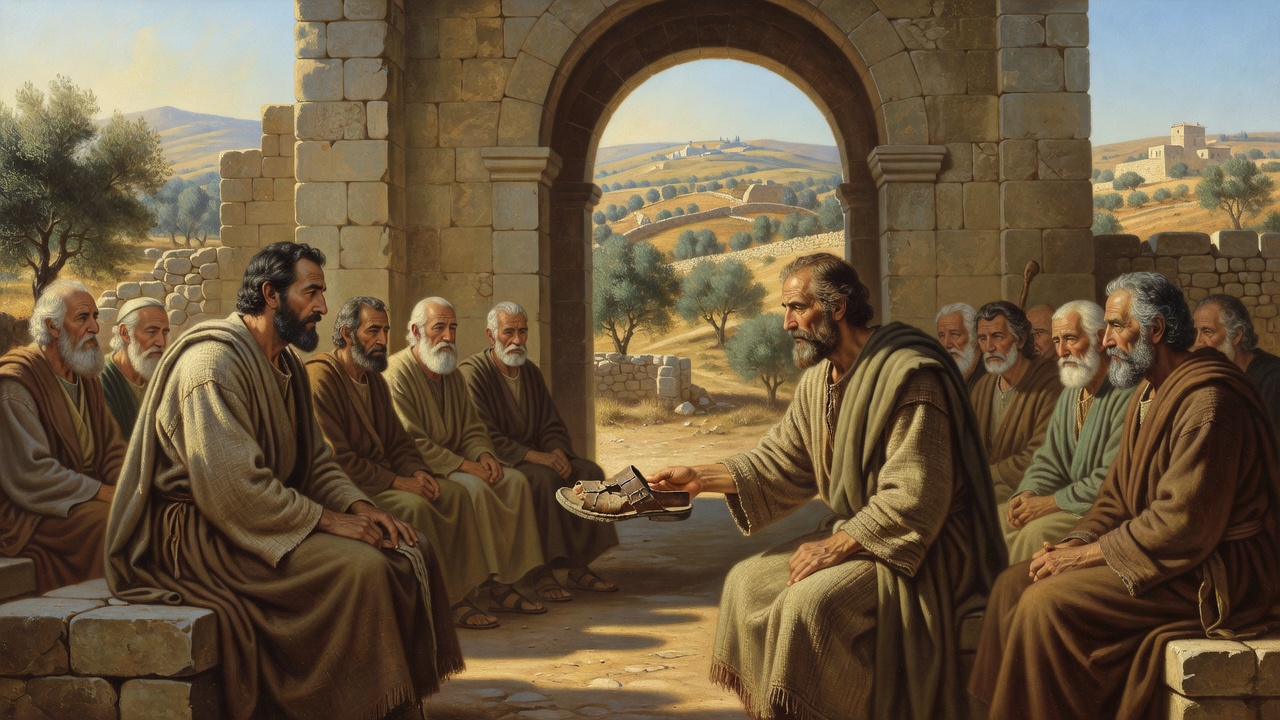
- In ancient Israel, legal transactions such as property redemption were conducted publicly at the city gate before elders and witnesses. Removing and handing over a sandal served as a customary legal act to confirm the transfer of redemption rights.Sources: the Bible text itself · Ruth
- By acquiring the land of Elimelech and his sons, Boaz also undertook the obligation to marry Mahlon's widow, Ruth the Moabitess, in order to preserve the name of the deceased on his ancestral inheritance.Sources: the Bible text itself · Boaz · Mahlon · Elimelech
- The child born to Ruth and Boaz, named Obed, became the grandfather of King David, placing Ruth, a foreigner from Moab, into the royal genealogy descending from Perez.Sources: the Bible text itself · Obed · David · Pharez
Notes written with AI assistance from open sources (Theographic Bible Metadata, CC BY-SA 4.0; Easton’s Bible Dictionary, public domain) and reviewed before publishing.
Places in this chapter
- Moab · Today: Moab 1 · 31.181, 35.701 · verse 3
- Bethlehem · 31.704, 35.208 · verse 11
- Ephrathah · Today: Bethlehem · 31.704, 35.208 · verse 11
Only places identified with high confidence are shown (90% or more according to the scholarly sources compiled by OpenBible). Period map: DARE (Digital Atlas of the Roman Empire), CC BY 4.0; modern map: © OpenStreetMap contributors; places: OpenBible.info (CC BY 4.0).
Credits and license for this translation
Bibiri Kuyie Nnɑ́ɑǹtì Pɑ́tíri
The Holy Bible in the Ditammari language of Benin
copyright © 2001 SIM International
Language: Ditammari
Translation by: SIM
This translation text is made available to you under the
terms of the Creative Commons License: Attribution-Noncommercial-No Derivative Works.
( http://creativecommons.org/licenses/by-nc-nd/3.0/ )
In addition, you have permission to port the text to different file formats, as long as you
do not change any of the text or punctuation of the Bible.
You may share, copy, distribute, transmit, and extract portions
or quotations from this work, provided that you include the above copyright
information:
You must give Attribution to the work.
You do not sell this work for a profit.
You do not make any derivative works that change any of the actual words or punctuation of the Scriptures.
Permissions beyond the scope of this license may be
available if you contact
us with your request.
This translation is made available to you under the terms of the
Creative Commons Attribution-No Derivatives license 4.0.
You may share and redistribute this Bible translation or extracts from it in any format, provided that:
You include the above copyright and source information.
You do not make any derivative works that change any of the actual words or punctuation of the Scriptures.
Pictures included with Scriptures and other documents on this site are licensed just for use with those Scriptures and documents.
For other uses, please contact the respective copyright owners.
2022-05-31
Source: http://ebible.org/tbzsim/ · eBible.org