Psalms 99
Bibiri Kuyie Nnɑ́ɑǹtì Pɑ́tíri · Tap a verse to see its cross-references.
Ti Yiɛ̀ nKuyie ti kóo kpɑ̀ɑ̀tì dò mpɑ́íí nwe
1Ti Yiɛ̀ nKuyie nkuù tu okpɑ̀ɑ̀tì kɛ̀ yɛbotɛ̀ kɔ̃̀ntì ɑu.
Kù kɑ̀ri ku kpɑ̀ɑ̀tìkɑ̀rì bɛĩ́nkɛ̀mbɑ̀rìbɛ̀ cuokɛ̀ nkɛ,
kɛ̀ kɛtenkɛ̀ sɑ̃̀nti.
2Ti Yiɛ̀ nKuyie nyètìrì dɛumu Siyɔ̃ɔ̃ ɛì miɛkɛ.
Kù dɛumu kɛ̀ kuù bɑkɛ́ yɛbotɛ̀ yɛmɔu.
3Nsɑ̃ntínɛ̀ ti Yiɛ̀ nKuyie, ku yètìrì dɛumu,
kɛ duò tikɔ̃m̀bùɔ̀tì kù dò mpɑ́íí nwe.
4A kpeńnìmu kɛ tú okpɑ̀ɑ̀tì wèè dɔ́ tibeéntì sɑ̀ɑ̀tì,
ti Yiɛ̀ nKuyie nfɔ̃́ɔ̃̀ ti bɛnkɛ kucɛ kùù sìɛ́.
Fɔ̃́ɔ̃̀ bɛnkɛ timɔ́mmɔnti Sɑkɔbu yɑɑ̀bí cuokɛ̀.
5Ndɛ́úkùnkonɛ̀ ti Yiɛ̀ nKuyie nyètìrì.
Nínkúnɛ̀ ku kpɑ̀ɑ̀tìkɑ̀rì ììkɛ̀ kɛ́kɔ̃nkɛ, kù dò mpɑ́íí nwe.
6Mɔyiisi nɛ̀ Anɔɔ bɛ̀ do tú Kuyie nkuɔ́ nìùbɛ̀ mbɛ,
kɛ̀ Sɑmmuyɛɛri ntú wèè bɑ̀ɑ́ nKuyie.
Bɛɛ̀ do ɔ̃ɔ̃ yú Kuyie nkɛ̀ kùu yie.
7Kù do bɛ̀ nɑ̀ɑ́nnɛ̀nní diwɛtirì miɛkɛ nkɛ.
Kɛ̀ bɛ̀ nyíé nku tɑnnɔ̀ kɛ pĩ́ nku kuɔ́ kù bɛ̀ duɔ́ nyì.
8Ti Yiɛ̀ nKuyie, bɛ̀ do ɔ̃ ndɑ nɑ́ɑ́nnɛ̀ kɑ̀ɑ bɛ̀ cɔ̀úmmu,
fɔ̃́ nKuyie nkɛ bɛ̀ cĩ́ɛ̃́mmu bɛ yɛi.
Kɛ̀ bɛ̀ cɑ̀ɑ̀rɛ̀ ɑ nɛ́ yṹɔ̃́ mbɛ to.
9Ndɛ́úkùnkonɛ̀ ti Yiɛ̀ nKuyie nyètìrì.
Nínkúnɛ̀ ku tɑ̃sɑ̀ɑ̀rì ĩ́nkɛ̀.
Ti Yiɛ̀ nKuyie ndò mpɑ́íí nwe.
Did you know?
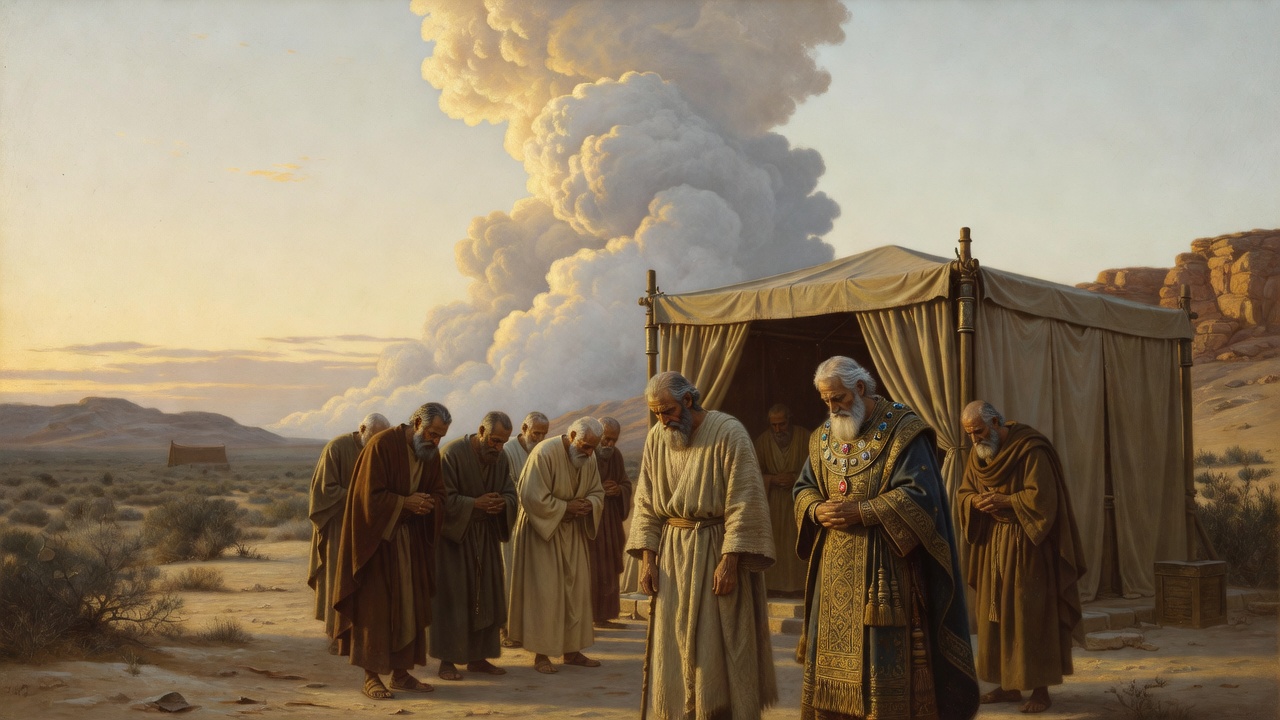
The Holy King and His Intercessors
- Psalm 99 is structured around a recurring threefold declaration of God's holiness (verses 3, 5, and 9). It depicts the Lord as a sovereign king enthroned above the cherubim, reigning with justice and equity from Mount Zion.Sources: the Bible text itself · Zion
- The psalm highlights Moses, Aaron, and Samuel as exemplary intercessors who called upon God and kept His statutes. It recalls how God answered their cries and communicated from the pillar of cloud, offering forgiveness while maintaining divine justice.Sources: the Bible text itself · Moses · Aaron · Samuel
Notes written with AI assistance from open sources (Theographic Bible Metadata, CC BY-SA 4.0; Easton’s Bible Dictionary, public domain) and reviewed before publishing.
Places in this chapter
Only places identified with high confidence are shown (90% or more according to the scholarly sources compiled by OpenBible). Period map: DARE (Digital Atlas of the Roman Empire), CC BY 4.0; modern map: © OpenStreetMap contributors; places: OpenBible.info (CC BY 4.0).
Credits and license for this translation
Bibiri Kuyie Nnɑ́ɑǹtì Pɑ́tíri
The Holy Bible in the Ditammari language of Benin
copyright © 2001 SIM International
Language: Ditammari
Translation by: SIM
This translation text is made available to you under the
terms of the Creative Commons License: Attribution-Noncommercial-No Derivative Works.
( http://creativecommons.org/licenses/by-nc-nd/3.0/ )
In addition, you have permission to port the text to different file formats, as long as you
do not change any of the text or punctuation of the Bible.
You may share, copy, distribute, transmit, and extract portions
or quotations from this work, provided that you include the above copyright
information:
You must give Attribution to the work.
You do not sell this work for a profit.
You do not make any derivative works that change any of the actual words or punctuation of the Scriptures.
Permissions beyond the scope of this license may be
available if you contact
us with your request.
This translation is made available to you under the terms of the
Creative Commons Attribution-No Derivatives license 4.0.
You may share and redistribute this Bible translation or extracts from it in any format, provided that:
You include the above copyright and source information.
You do not make any derivative works that change any of the actual words or punctuation of the Scriptures.
Pictures included with Scriptures and other documents on this site are licensed just for use with those Scriptures and documents.
For other uses, please contact the respective copyright owners.
2022-05-31
Source: http://ebible.org/tbzsim/ · eBible.org