Psalms 89
Bibiri Kuyie Nnɑ́ɑǹtì Pɑ́tíri · Tap a verse to see its cross-references.
Kuyie ndo dɔúnnɛ̀ dìì nùù Dɑfiti dì borɛ?
1Bɛ̀ dìèmmɛ̀ Etɑ̃ɑ̃ Esidɑiibɛ botí kou kó fɛyɛ̀nfɛ̀.
2N Yiɛ̀ nKuyie n yó ndièmmu kɛ nɑ́ɑ́ nhɑ n dɔ̀ɔ̀ mɛ̀ɛ̀ sɑ̀ɑ̀.
N yóó nɑ́kɛ́mu tidɑpùtɔ̃ntì tìì tũ̀nní ɑ dɔɔrimɛ̀ timɔ́mmɔnti.
3A bɛ́immu kɛ tú ɑ kó tinìtì bomu sɑ̃́ɑ̃̀,
kɑ̀ɑ kó timɔ́mmɔnti fííkú tiwɛtì dòmmɛ̀.
4Kɑ̀ɑ dɔ̀ɔ̀nɛ̀ mɛtɑummɛ̀ ɑ tɑ̃ɑ̃tɛ́ wè,
ɑ kóo tɔ̃ntì Dɑfiti,
koò dɔúnnɛ̀ dinùù kɛ tú
5ɑ yóó fíí nho kó kuwuɔ nsɑ̃́ɑ̃̀,
kɛ̀ tikpɑ̀tì mbo weè kó tɛcĩ́ɛ̃̀tɛ̀ nɛ̀ ti bo mbomɛ̀.
6Ti Yiɛ̀ nKuyie nkɛĩ́nkɛ̀ kɔbɛ dɑ sɑ̃ntímu ɑ diɛtì kpɛ́í,
ɑ kɔbɛ tíkú kɛ sɑ̃ntí fɔ̃́ nwe,
ɑ dɔɔri mɛ̀ɛ̀ kpɛ́í nhɑ bɛ́i ntì.
7Òmɔù í bo kɛĩ́nkɛ̀ miɛkɛ wèè mɑ̀nnɛ̀ ti Yiɛ̀ nKuyie,
kɛĩ́nkɛ̀ kɔbɛ miɛkɛ òmɔù í dɑ dònnɛ̀.
8Kuyie nhɑ tɔ̃rɛ̀ kɑ̀rimɛ̀ yɛ̀ dé fɔ̃́ nwe,
bɛ̀ɛ̀ dɑ ɔrí bɛ̀ í dɑ dɑɑti.
9Ti Yiɛ̀ nKuyie Mpɑkɛdɑɑ, we nkpeńnì kɛ dɑ dònnɛ̀,
ti Yiɛ̀ nKuyie nhɑ kpeńnìmu kɛ̀ timɔ́mmɔnti dɑ fitɛ́.
10Fɔ̃́ɔ̃̀ bɑkɛ́ dɑ̀mɛ́ɛ̀rì koò ĩkù,
kɛ̀ yɛnɛ́fĩ̀nfĩ̀rɛ̀ pùùní fɔ̃́ɔ̃̀ ɔ̃ɔ̃ yɛ̀ bónkùnnɛ.
11Fɔ̃́ɔ̃̀ do nɑ̀ntɛ Esibiti kóò ũtirɛ kɛ́kuɔ,
fɔ̃́ɔ̃̀ do cíɛ nhɑ dootitɔbɛ̀ nɛ̀ ɑ kó muwɛ̃rímú.
12Fɔ̃́ɔ̃̀ te kɛĩ́nkɛ̀ kɛ̀ fɔ̃́ɔ̃̀ te kɛtenkɛ̀,
kɛtenkɛ̀ nɛ̀ kɛ kpɑ̀tì timɔu fɔ̃́ɔ̃̀ dɛ̀ fìí.
13Kubɑkù cɑ̃̀nku kó kutempɛ̃ nɛ̀ kubɑkù yoú kɔku fɔ̃́ɔ̃̀ dɛ̀ dɔ̀ɔ̀.
Bɛ̀ɛ̀ bo Tɑbɔɔ tɑ̃rì nɛ̀ bɛ̀ɛ̀ bo Ɛdimɔɔ kpɛri bɛ̀ dɛ̀úkùnko fɔ̃́ɔ̃̀ yètìrì.
14Fɔ̃́ɔ̃̀ kó kubɑkù kpeńnì kɑ̀ɑ nɔ̀ùtɛ̀ mɔ̀kɛ muwɛ̃rímú,
kɑ̀ɑ nɔ ndɛmɔu.
15A beéntì wennimu kɛ síɛ́ kɛ̀ tiì te kɑ̀ɑ kpɑ̀tì fìíkú.
A ni ɑ ɛì kɛ dì dɔɔri mɛsɑ̀ɑ̀ mmɛ nɛ̀ timɔ́mmɔnti.
16Dɛ̀ nnɑɑti kubotí kùù dɑ íútí fɔ̃́ nti Yiɛ̀ nKuyie.
Bɛ̀ bo nkérí ɑ kó kuwenniku miɛkɛ.
17Nɛ̀ ɑ kpɛ́í nkɛ bɛ̀ yɑ̃̀nkunɛ̀mɛ̀ diwɛ̀ì yɛwe yɛmɔu,
ɑ wetí mɛ̀ɛ̀ kpɛ́í nte kɛ̀ bɛ̀ sɑ̃ntí bɛ mɑ́ɑ̀.
18Fɔ̃́ɔ̃̀ te kɛ̀ bɛ yètɛ̀ feí kɛ̀ bɛ̀ mɔ̀kɛ̀ muwɛ̃rímú,
ɑ kó mɛsɑ̀ɑ̀ mmɛɛ̀ bɛ̀ yɛ̀útí muwɛ̃rímú.
19Ti Yiɛ̀ nKuyie nfɔ̃́ɔ̃̀ te wèè tu ti kó kudɔpìkù,
wèè te Isidɑyɛɛribɛ weè te ti kóo kpɑ̀ɑ̀tì.
20A do bɛnkɛmu ɑmɑ́ɑ̀ ɑ nìtìbɛ̀ kɛ́ bɛ̀ bɛ́innɛ̀ kɛ dɔ̀:
Míì duɔ́ n kó mɛteèmmɛ̀ okpɑ̀rìnuɔnti,
míì dɛ̀ìtɛ n nìtìbɛ̀ miɛkɛ odɑpɑ̀ɑ̀ koò dɛ̀úkùnnɛ.
21N yɑ̀mu Dɑfiti n kóo tɔ̃ntì,
koò còú mmɛkùɔ̀ nkoò cɑ̃̀ńnɛ́.
22N yó nhò pĩ̀ḿmu nɛ̀ n nɔ̀ùtɛ̀,
míì ò kɑ̀nnɛ tikpɑ̀tì
kɛ yó nhò duɔ̀ mmuwɛ̃rímú
23O dootitɔbɛ̀ bɑ́ɑ́ ò do kóò dɛ̀ɛ́tɛ́,
onitiyɛiwe bɑ́ɑ́ ò dií nyifɛi.
24Míì yó nni o ììkɛ̀ kɛ kɔùtì o dùɔ̀ntɔbɛ̀,
kɛ poti bɛ̀ɛ̀ ò nìí.
25N kó timɔ́mmɔnti nɛ̀ n sɑ̀ɑ̀ dɛ̀ yóó nhò bonɛ̀mu,
nɛ̀ n kpɛ́í nkòo wɛ̃rímú ndɛ́úkú.
26M bo duɔ́ nkòo mbɑkɛ́ Mɛditedɑndee kóo dɑ̀mɛ́ɛ̀rì,
kɛ́ntɔ kɛ́dítɛ́nɛ̀ kukó nhEfɑdɑti.
27Ò bo nni nyu kɛ tú o cicɛ,
Kuyie nkùù ò te, o kó dipèrì dìì ò dɛɛrí.
28Kɛ̀ nh ò dɔ̀ɔ̀ n kóo po,
kòo ḿpɛ̃nkù bɛkpɑ̀ɑ̀tìbɛ̀ bɛmɔu bɛ̀ɛ̀ bo kɛtenkɛ̀ ĩ́nkɛ̀.
29Kɛ̀ n kó mɛsɑ̀ɑ̀ nní nhò bonɛ̀ sɑ̃́ɑ̃̀,
mí nnɛ̀ we ti kó mɛtɑummɛ̀ bɑ́ɑ́ kṹntɛ́.
30O cĩ́ɛ̃̀tɛ̀ bɑ́ɑ́ pɑɑ̀ okpɑ̀ɑ̀tì,
kɛĩ́nkɛ̀ bo mɛ̀ɛ̀ botí sɑ̃́ɑ̃̀ o kpɑ̀tì yó mmɛ mbo.
31Kòo bí mɛ ndootóo n kuɔ́,
kɛ tɛ̃́nkɛ í tũ n tié,
32Kɛ̀ bɛ̀ cɑ̀ɑ̀ri n kuɔ́,
kɛ í tũ n tɑnnɔ̀.
33M bɛ̀ ɑ̃nnɛ́ kudɔú bɛ̀ yetɛ mɛ̀ɛ̀ kpɛ́í n kpɛti,
kɛ̀ bɛ̀ɛ cuɔ́ bɛ cɑɑ̀rìmɛ̀ kó tiyɛ̃ĩti.
34N nɛ́ bɑ́ɑ́ bɛ̀ yetɛnɛ̀ n kó mɛsɑ̀ɑ̀,
m bɑ́ɑ́ yóu m bo bɛ̀ dɔ̀ɔ̀mɛ̀ m bɛ́i ntì.
35M bɑ́ɑ́ cɑkɛ m bɛ̀ dɔ̀ɔ̀nɛ̀ mɛ̀ɛ̀ tɑummɛ̀,
m bɑ́ɑ́ nɑ́kɛ́ n nùù kɛ́kpɑtɛ.
36M bɛ́immu kɛ pɑ̀rìkɛ̀ nɛ̀ n yetìsɑ̀ɑ̀rì,
m bo soutɛ́ Dɑfitɑɑ? M bɑ́ɑ́ dɛ̀ dɔ̀ɔ̀ bìtì.
37O wuɔ nyó nsɔkɛ́mu sɑ̃́ɑ̃̀,
kòo fuku mbo sɑ̃́ɑ̃̀ diyiè dòmmɛ̀.
38Otɑ̃̀nkù bo mɛ̀ɛ̀ botí tiwɛtì sɑ̃́ɑ̃̀ kɛ̀ ti ò wùó,
o kpɑ̀tì yó mmɛ ndò.
39Kuyie nhɑ nɛ́ ò yetɛmu koò dootóɑ̀?
Koò yɛ̀ kɛmiɛkɛ wenwe okpɑ̀ɑ̀tì ɑ tɑ̃ɑ̃tɛ́ wèɑ̀?
40Kɛ sènkɛ̀rì fɔ̃́ nnɛ̀ ɑ kóo tɔ̃ntì di kó mɛtɑummɛ̀,
kɛ bɔ nhokpɑ̀ɑ̀tì pìì kɛtenkɛ̀ kɛ̀ dì sɑ̃ṹ.
41Kɛ buɔ́ nyiduotí ìì fitɛ́ o cĩ́ɛ̃̀tɛ̀,
kɛ pùɔ nho cɛ̃́kperì kɛ̀ sì nɑɑ́ ntidobontì.
42Kɛ̀ bɛcɛpɛ̃̀mbɛ̀ pɛ̃nkù kɛ tóú bɛ̀ dɔ́ dɛ̀,
kòo pɛɛtitɔbɛ̀ ò dɑú.
43Kɛ duɔ́ kòo dùɔ̀ntɔbɛ̀ ò nɑ,
kòo dootitɔbɛ̀ yɑ̃̀nku.
44Fɔ̃́ɔ̃̀ kùɔ okpɑ̀rìsiè kó mɛnɑtimɛ̀,
bɑ́ ɑ í ò teennɛ̀ mudoò miɛkɛ.
45Fɔ̃́ɔ̃̀ fìètɛ fɛkpɑ̀ɑ̀tìpɑ̀tìfɛ̀ o nɔu miɛkɛ,
kɛ bɔ nhokpɑ̀ɑ̀tìkɑ̀rì kɛtenkɛ̀.
46Kɛ yɑ̀ɑ̀tɛ o dɑpɑ̀ntì kó yɛwe,
koò dii nyifɛi mɛdiɛ̀.
47N Yiɛ̀ nKuyie, dɛ̀ yó nkɑ̃́ɑ̃́kɛ́ dɛ kɑ̀ɑ yóu ɑ bo nti sɔrìnɛ̀mɛ̀?
A miɛkɛ bo nhɑ̃ kɛ ti cɔ́ú muhɑ̃ɑ̃́ nkɔ̃mɑɑ̀?
48A yɛ̃́mu kɛ dò n fòmmu í dɛtóo,
ɑ dɔ̀ɔ̀ onìtì dimɔ̀nnì sɑ́m̀pɔ́rì kpɛ́í nkɛ.
49Onìtì mɔù bo wèè bo nfòù kɛ bɑ́ɑ́ kúɑ̀?
Yɑ́ɑ̀ we mbo nɑ kɛ́yentɛ́nɛ̀ o wɛ̃nnì kudɔnkù?
50N Yiɛ̀ nKuyie mmɛsɑ̀ɑ̀ nhɑ do dɔɔrimɛ̀ kɔ̀tɛ kɛ?
A do nɑ̀kɛ́ Dɑfiti kɛ dɔ̀ ɑ yó nhò dɔ̀ɔ̀ri dɛ̀ borɛ?
51Kuyie nhɑ yɛ̃́mu bɛ̀ ti diìnko ìì fɛi tínti ɑ kó bɛtɔ̃mbɛ̀.
A yɛ̃́mu kɛ dò n tɔ yɛbotɛ̀ pɛ́u ndi.
52Bɛ̀ɛ̀ í dɑ dɔ́ bɛ̀ ti sɑ̃́ɑ̃́mmu,
kɛ sɑ̃́ɑ̃́ nhɑ kóo kpɑ̀ɑ̀tì ɑ cɑ̃̀ńnɛ́ wè tipíìtì timɔu.
53N Yiɛ̀ nKuyie nhɑ yètìrì ndɛu sɑ̃́ɑ̃̀.
Kɛ̀ dɛ̀ mmɛ ndò. Ami.
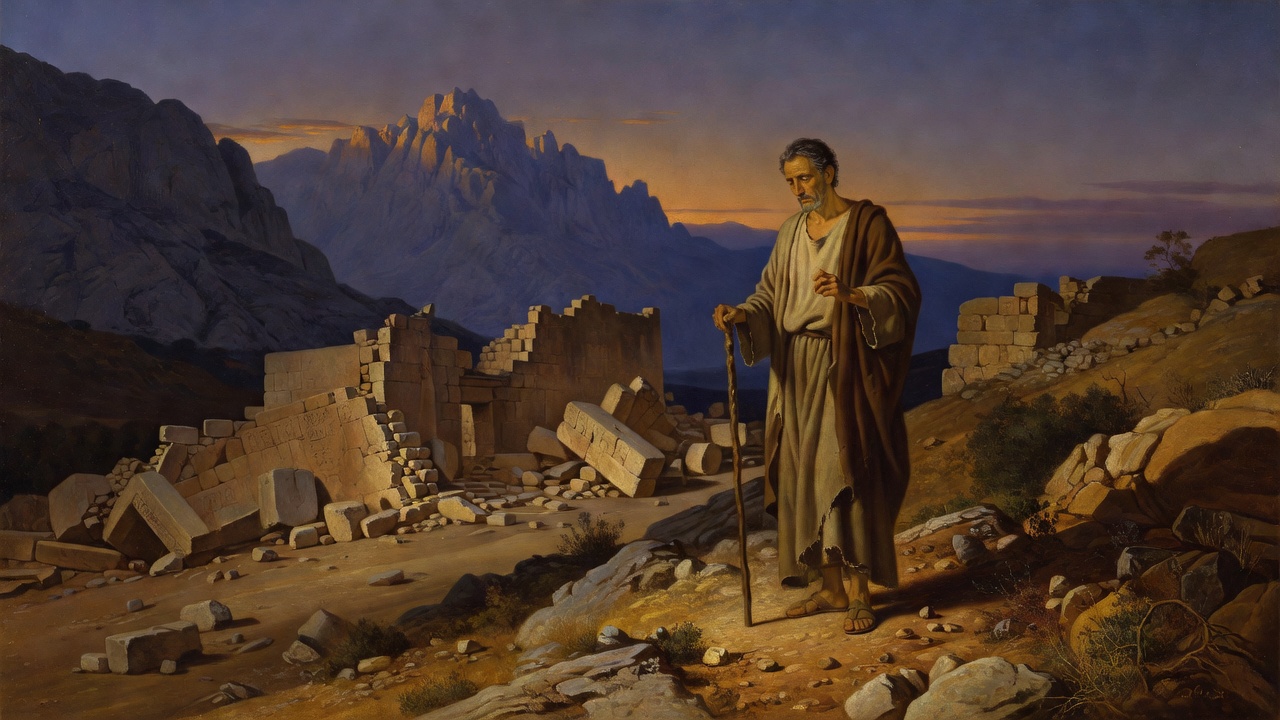
Did you know?
God's Covenant with David and the Broken Crown
- Attributed to Ethan the Ezrahite, Psalm 89 recalls God's enduring covenant promising to establish King David's throne forever, while also voicing a lament over the later defeat of the Davidic ruler and the destruction of his strongholds.Sources: David · the Bible text itself
- The name Rahab in verse 10 is a poetic term meaning insolence or pride, used in biblical poetry to represent the proud empire of Egypt.Sources: Rahab · the Bible text itself
- Verse 12 poetically pairs Mount Tabor, a prominent cone-shaped peak west of the Sea of Galilee, with Mount Hermon, the towering range on the northern boundary of Palestine, as emblems of the natural world rejoicing in God's creation.Sources: Tabor (Mountain) · Hermon · the Bible text itself
Notes written with AI assistance from open sources (Theographic Bible Metadata, CC BY-SA 4.0; Easton’s Bible Dictionary, public domain) and reviewed before publishing.
Places in this chapter
- Mount Hermon · 33.400, 35.850 · verse 12
- Mount Tabor · Today: Jebel et Tur · 32.686, 35.393 · verse 12
Only places identified with high confidence are shown (90% or more according to the scholarly sources compiled by OpenBible). Period map: DARE (Digital Atlas of the Roman Empire), CC BY 4.0; modern map: © OpenStreetMap contributors; places: OpenBible.info (CC BY 4.0).
Credits and license for this translation
Bibiri Kuyie Nnɑ́ɑǹtì Pɑ́tíri
The Holy Bible in the Ditammari language of Benin
copyright © 2001 SIM International
Language: Ditammari
Translation by: SIM
This translation text is made available to you under the
terms of the Creative Commons License: Attribution-Noncommercial-No Derivative Works.
( http://creativecommons.org/licenses/by-nc-nd/3.0/ )
In addition, you have permission to port the text to different file formats, as long as you
do not change any of the text or punctuation of the Bible.
You may share, copy, distribute, transmit, and extract portions
or quotations from this work, provided that you include the above copyright
information:
You must give Attribution to the work.
You do not sell this work for a profit.
You do not make any derivative works that change any of the actual words or punctuation of the Scriptures.
Permissions beyond the scope of this license may be
available if you contact
us with your request.
This translation is made available to you under the terms of the
Creative Commons Attribution-No Derivatives license 4.0.
You may share and redistribute this Bible translation or extracts from it in any format, provided that:
You include the above copyright and source information.
You do not make any derivative works that change any of the actual words or punctuation of the Scriptures.
Pictures included with Scriptures and other documents on this site are licensed just for use with those Scriptures and documents.
For other uses, please contact the respective copyright owners.
2022-05-31
Source: http://ebible.org/tbzsim/ · eBible.org