Psalms 28
Bibiri Kuyie Nnɑ́ɑǹtì Pɑ́tíri · Tap a verse to see its cross-references.
Wèè tɔ̀ɔ́nnɛ̀ mukṹṹ nhò bɑ̀ɑ́mmɛ̀ Kuyie
1Dɑfiti yɛ̀nfɛ̀.
N Yiɛ̀ nKuyie n kuɔ̀nnɛ̀ fɔ̃́ nwe,
fɔ̃́ɔ̃̀ tu dipèrì dìì n kɑ̃nkɛ́,
bɑ́ ncĩ́ɛ̃́kɛ́ kɛ̀ n kuɔ̀ nkɑ̀ɑ cĩ̀ɛ̃́kɛ́,
n tɑti kudɔnkù nku.
2Kéntɛ́ m bɑ́ɑmmìi n dɑ bɑ́ɑ́ nyì.
Keè n dɑ yumɛ̀ kɛ tú ɑ n tee.
N yuo n nɔu nsi ɑ cɛ̃sɑ̀ɑ̀tɛ̀ bíɛ́kɛ̀ kɛ dɑ bɑ́ɑ́.
3Bɑ́ n wɛ̃nnɛ́nɛ̀ bɛyonkubɛ nɛ̀ bɛ̀ɛ̀ dɔ̀ɔ̀ri mɛyɛi,
bɛ̀ɛ̀ ɔ̃ nnɑ́ɑ́ mbɛ kɔbɛ diwɛ̀ì kó tinɑ́ɑǹtì,
kɛ̀ mɛyɛi nnɛ́ píɛ́kɛ́ bɛ miɛkɛ.
4Dɔɔ̀ bɛ bɛ tɔ̃mmú dòmmɛ̀, bɛ yɛi ndòmmɛ̀,
yietí bɛ bɛ yɛi mbɛ̀ dɔ̀ɔ̀ mɛ̀ bɛtɔbɛ̀.
Duɔ́ nkɛ̀ bɛ̀ dɔ̀ɔ̀ mɛ̀ɛ̀ yɛi ndo bɛ yɔ ĩ́nkɛ̀.
5Ti Yiɛ̀ nKuyie mbɛ̀ í dɑkɛ ɑ teèmmɛ̀ kpɛ́í
nɛ̀ ɑ pĩ́ mmùù tɔ̃mmú,
ti Yiɛ̀ nKuyie nhɑ bɛ̀ bɔ nkɛ bɑ́ɑ́ bɛ̀ íi.
6Ti Yiɛ̀ nKuyie nyètìrì ndɛu,
kù kèèmɛ̀ m bɑ́ɑmmìi.
7Ti Yiɛ̀ nKuyie nkuù n kɑ̃nkɛ́,
kuù tu n kó kudɔpìkù,
n ku n duɔ́ mmɑ́ɑ̀,
kuù ǹ teénnɛ̀ kɛ̀ n yɛ̀mmɛ̀ nɑɑti,
n yó ndiè kɛ ku nsɑ̃ntí.
8Ti Yiɛ̀ nKuyie nkuù kɑ̃nkɛ́ ku kɔbɛ,
kuù tu tɛcɛ̃kpetɛ̀ kɛ dɛɛrí kù tɑ̃ɑ̃tɛ́ wè.
9Ti Yiɛ̀ nKuyie ndɛɛtɛ́ ɑ kɔbɛ, fɔ̃́ɔ̃̀ bɛ̀ te,
dɔɔ̀ bɛ mɛsɑ̀ɑ̀, ɑ ntú bɛ kóo cɛ̃nti, ntɔ bɛ sɑ̃́ɑ̃̀.
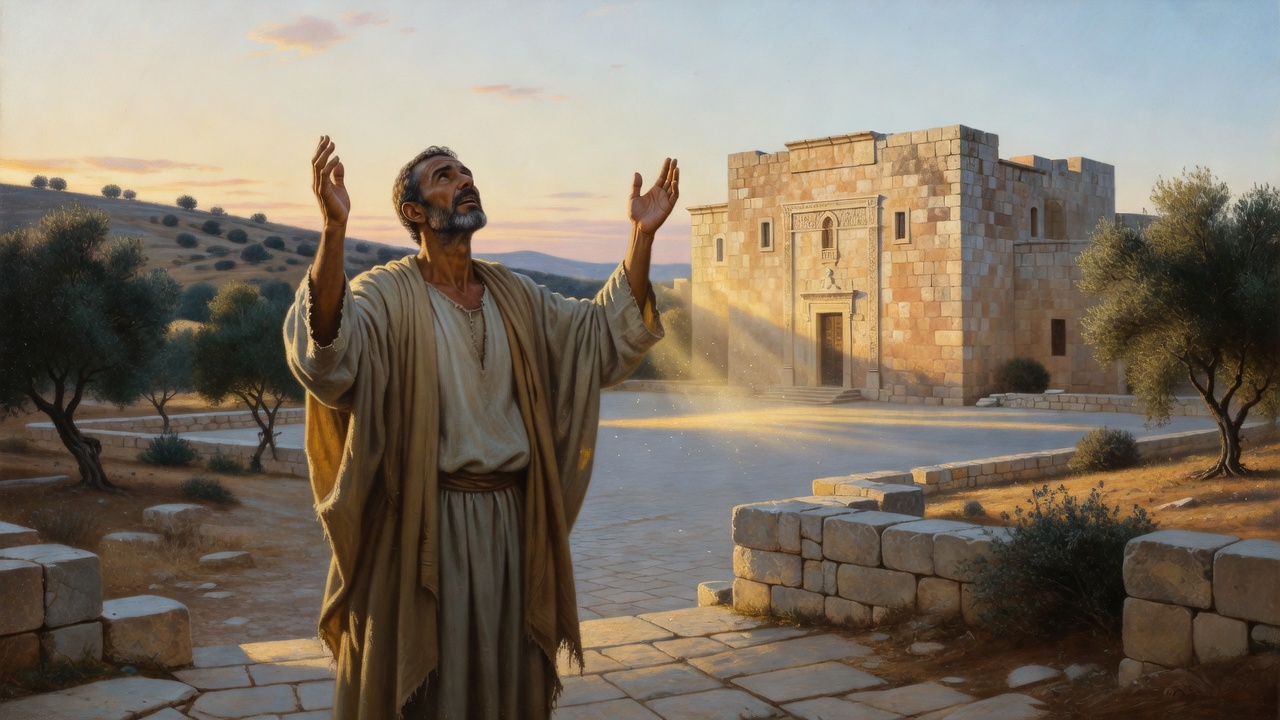
Did you know?
A Plea for Mercy and a Song of Trust
- Lifting up hands toward the sanctuary was a customary ancient posture of earnest prayer in Israel, visibly demonstrating supplication, humility, and full dependence on God.Sources: the Bible text itself
- The psalm transitions dramatically from a desperate plea for deliverance from death and judgment alongside the wicked to joyful thanksgiving, concluding with pastoral imagery where God is asked to shepherd and carry His people forever.Sources: the Bible text itself
Notes written with AI assistance from open sources (Theographic Bible Metadata, CC BY-SA 4.0; Easton’s Bible Dictionary, public domain) and reviewed before publishing.
Places in this chapter
- Most Holy Place · Today: on Mount Moriah · 31.778, 35.236 · verse 2
Only places identified with high confidence are shown (90% or more according to the scholarly sources compiled by OpenBible). Period map: DARE (Digital Atlas of the Roman Empire), CC BY 4.0; modern map: © OpenStreetMap contributors; places: OpenBible.info (CC BY 4.0).
Credits and license for this translation
Bibiri Kuyie Nnɑ́ɑǹtì Pɑ́tíri
The Holy Bible in the Ditammari language of Benin
copyright © 2001 SIM International
Language: Ditammari
Translation by: SIM
This translation text is made available to you under the
terms of the Creative Commons License: Attribution-Noncommercial-No Derivative Works.
( http://creativecommons.org/licenses/by-nc-nd/3.0/ )
In addition, you have permission to port the text to different file formats, as long as you
do not change any of the text or punctuation of the Bible.
You may share, copy, distribute, transmit, and extract portions
or quotations from this work, provided that you include the above copyright
information:
You must give Attribution to the work.
You do not sell this work for a profit.
You do not make any derivative works that change any of the actual words or punctuation of the Scriptures.
Permissions beyond the scope of this license may be
available if you contact
us with your request.
This translation is made available to you under the terms of the
Creative Commons Attribution-No Derivatives license 4.0.
You may share and redistribute this Bible translation or extracts from it in any format, provided that:
You include the above copyright and source information.
You do not make any derivative works that change any of the actual words or punctuation of the Scriptures.
Pictures included with Scriptures and other documents on this site are licensed just for use with those Scriptures and documents.
For other uses, please contact the respective copyright owners.
2022-05-31
Source: http://ebible.org/tbzsim/ · eBible.org