Psalms 19
Bibiri Kuyie Nnɑ́ɑǹtì Pɑ́tíri · Tap a verse to see its cross-references.
Kuyie ndɔ̀ɔ̀ dɛ̀ dɛɛ̀ bɛnkú kù dɛumɛ̀
1Bɛdèmbɛ̀ kóo kótì dìèmmɛ̀ Dɑfiti yɛ̀nfɛ̀.
2Kɛĩ́nkɛ̀ bɛnkúmu Kuyie ndɛumɛ̀,
kɛ̀ tiwɛtì bɛnkú kù pĩ mmùù tɔ̃mmú.
3Bɑ́ dìì yiè kɛ̀ dì nɑ̀ɑ́ nditɛrì kù dɛumɛ̀,
bɑ́ kɛ̀ɛ̀ yènkɛ̀ kɛ̀ kɛ̀ nɑ̀ɑ́ nkɛtɛkɛ̀ kù dɛumɛ̀.
4Dɛ̀ í tú nɛ̀ tinɑ́ɑǹtì, dɛ̀ í tú nɛ̀ yɛtɑnnɔ̀,
òmɔù í yo dɛ tɑmmɛ̀.
5Kɛ̀ dɛ nɑ́ɑǹtì nɛ́ pitɛ́ kutenkù kumɔu,
kɛ̀ bɛ̀ tì kèè itemmɑ̀nkɛ imɔu.
Kuyie ndɔ̀ɔ̀ diyiè cĩ́ɛ̃̀tɛ̀ kɛĩ́nkɛ̀ nkɛ.
6Kɛ̀ dì ɔ̃ nyɛtìní kɛ do nwèè tùótɛ́ o pokù bɑ̀mbɑ̀,
kɛ dò ndikɔ̃m̀bùɔ̀ yiɛ̀ nwèè kèrí o cɛ kɛ̀ dɛ̀ ò nɑɑti.
7Kɛ̀ dì ɔ̃ɔ̃ yɛ̀nní ku ntemmɑ̀nku kɛ́nkérí kɛ́tɑ kutɛkù,
dɛ̀mɑrɛ̀ í yennínɛ̀ di iìnkù.
8Kuyie nkuɔ́ dò mpɑ́íí nwe kɛ duɔ̀ mmufòmmu,
ku tɑnnɔ̀ tu yɛmɔ́mmɔnyɛ nyɛ, kɛ ciìnko bɛsĩ́ntíbɛ̀.
9Kuyie ndɔ́ dɛ̀ wennimu kɛ nɑ́ríkùnko mɛyɛ̀mmɛ̀,
ku tɑnnɔ̀ dò mpɑ́íí nwe kɛ nɑ́ríkùnko inuɔ.
10A bo ndémɛ̀ Kuyie ndɛ̀ wennimu,
dɛ kó fɛdédíéfɛ̀ ɔ̃ mbo sɑ̃́ɑ̃̀ nwe.
Kù tɑ̃ɑ̃tɛ́ tì wennimu kɛ tú timɔ́mmɔnti.
11Tì wenninɛ̀mu mɛsɔɔ,
kɛ pɛ̃nkù mɛsɔɔ nsɑ̀ɑ̀mɛ̀ kuwenniku.
Tì wɛ̀ɛ̀tinɛ̀mu mɛcekùɔ̀,
kɛ pɛ̃nkù mɛcekɔ̀bɛ́mmɛ̀ kunɑɑtí.
12A dɛ̀ tiènnɛ̀ mí nwe ɑ kóo tɔ̃ntì.
Wèè yié nhɑ kpɛti ò pɛ́úmu mucɔ̃́ntimu diɛmù.
13We nyɛ̃́ o yetímɛ̀? N cĩ́ɛ̃́ n yí yɛ̃́ mɛ̀ɛ̀ yɛi,
14Nkɑ̃nkɛ́ mí nhɑ kóo tɔ̃ntì kɛ̀ tɛfentɛ̀ bɑ́ m pĩ́,
kɛ̀ nní nwenni kɛ bɑ́ɑ́ dɔɔ̀ mɛyɛi ndiɛmɛ̀.
15Áú Kuyie! Cɔutɛ́ n nɑ́ɑǹtì nɛ̀ diwɛ̀ì,
kɛ́cɔutɛ́ tìì bo n yɛ̀mmɛ̀.
N Yiɛ̀ nKuyie nfɔ̃́ɔ̃̀ tu n kó dipèrì, n kóo donti.
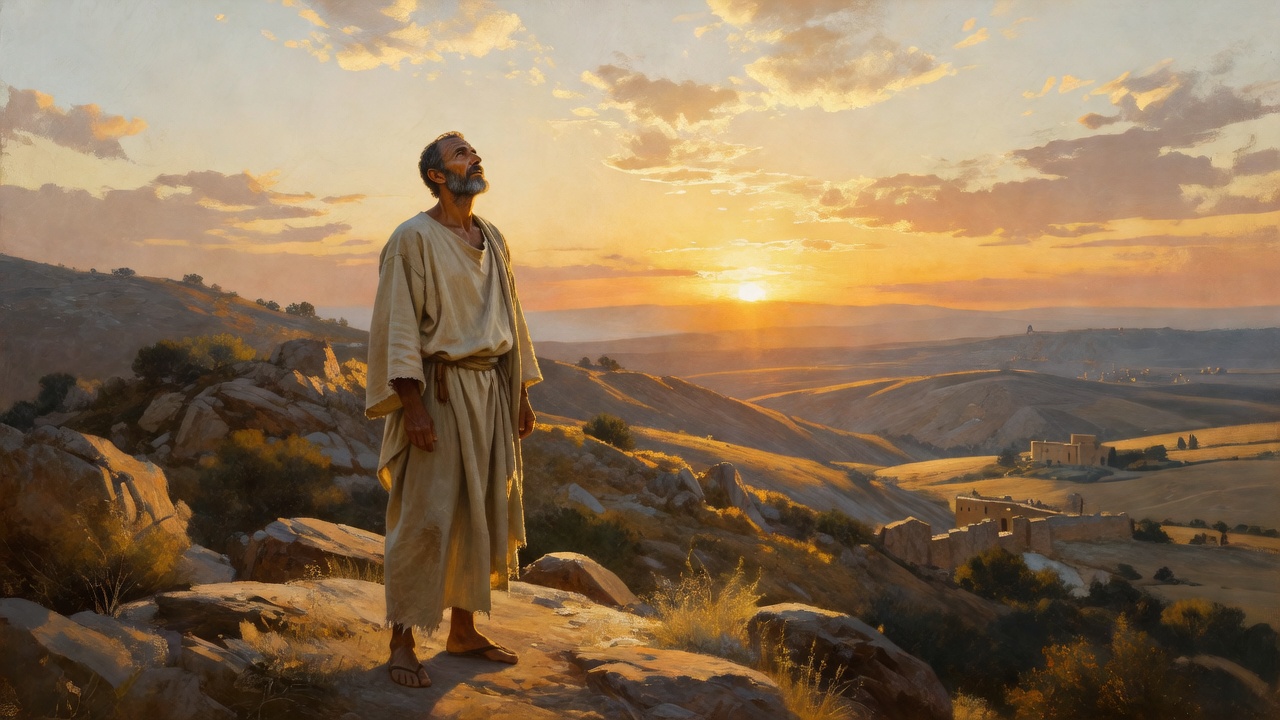
Did you know?
God in Creation and the Law
- The psalm contrasts two ways God makes Himself known: through the silent, universal testimony of creation in the heavens and through the direct instruction of His law, precepts, and commandments.Sources: the Bible text itself
- The passage uses vivid poetic imagery to describe the sun, portraying it as resting in a heavenly tent and traversing the sky like an eager bridegroom leaving his chamber or a champion running a race.Sources: the Bible text itself
- After praising creation and the divine law, the psalm turns into a personal prayer, asking for cleansing from unintentional faults and protection from willful transgressions.Sources: the Bible text itself
Notes written with AI assistance from open sources (Theographic Bible Metadata, CC BY-SA 4.0; Easton’s Bible Dictionary, public domain) and reviewed before publishing.
Credits and license for this translation
Bibiri Kuyie Nnɑ́ɑǹtì Pɑ́tíri
The Holy Bible in the Ditammari language of Benin
copyright © 2001 SIM International
Language: Ditammari
Translation by: SIM
This translation text is made available to you under the
terms of the Creative Commons License: Attribution-Noncommercial-No Derivative Works.
( http://creativecommons.org/licenses/by-nc-nd/3.0/ )
In addition, you have permission to port the text to different file formats, as long as you
do not change any of the text or punctuation of the Bible.
You may share, copy, distribute, transmit, and extract portions
or quotations from this work, provided that you include the above copyright
information:
You must give Attribution to the work.
You do not sell this work for a profit.
You do not make any derivative works that change any of the actual words or punctuation of the Scriptures.
Permissions beyond the scope of this license may be
available if you contact
us with your request.
This translation is made available to you under the terms of the
Creative Commons Attribution-No Derivatives license 4.0.
You may share and redistribute this Bible translation or extracts from it in any format, provided that:
You include the above copyright and source information.
You do not make any derivative works that change any of the actual words or punctuation of the Scriptures.
Pictures included with Scriptures and other documents on this site are licensed just for use with those Scriptures and documents.
For other uses, please contact the respective copyright owners.
2022-05-31
Source: http://ebible.org/tbzsim/ · eBible.org