Psalms 106
Bibiri Kuyie Nnɑ́ɑǹtì Pɑ́tíri · Tap a verse to see its cross-references.
Isidɑyɛɛribɛ í dɔ́mɛ̀ Kuyie nkɛ̀ Kuyie mbɛ̀ dɔ́
1Nsɑ̃ntínɛ̀ ti Yiɛ̀ nKuyie!
Dɛ́úkùnnɛ ti Yiɛ̀ nKuyie, kù nìtimu,
kɛ̀ ku kó mɛsɑ̀ɑ̀ mbo sɑ̃́ɑ̃̀.
2We mbo nɑ kɛ́nɑ́kɛ́ mutɔ̃ndiɛmù kù pĩ́ mmù?
We mbo nɑ kɛ́ kù sɑ̃ntɛ kɛ́deè ku sɑ̃nni?
3Kunɑɑtí ḿbonɛ̀ bɛ̀ɛ̀ dɔ̀ɔ̀ri dɛ̀ɛ̀ wenni,
bɛ̀ɛ̀ tũ̀ ntimɔ́mmɔnti sɑ̃́ɑ̃̀.
4N Yiɛ̀ nKuyie nhɑ́ nyɛ̃́ n kpɛ́í,
fɔ̃́ nwèè dɔ̀ɔ̀ri ɑ nìtìbɛ̀ mɛsɑ̀ɑ̀,
yɑ̀ɑ tí dɛɛtɛ́ fɔ̃́ nwèè tu odɛɛtíwè.
5Kɛ̀ dɛ̀ɛ yie nkɛ̀ m pɛ́tɛ́ mɛsɑ̀ɑ̀, ɑ dɔɔrimɛ̀ ɑ tɑ̃ɑ̃tɛ́ bɛ̀,
kɛ́nyɑ̃nku kubotí kùù tu ɑ kɔku kù yɑ̃̀nkumɛ̀,
kɛ̀ n wɛ̃nnɛ́nɛ̀ ɑ kɔbɛ kɛ̀ tí mpɔtì.
6Ti cɑ̀kɛmu ti yɛmbɛ̀ cɑ̀kɛmɛ̀, ti yetɛ́mu,
tíì te mɛcɑɑ̀rìmɛ̀.
7Ti yɛmbɛ̀ do í bɑntɛ́ tidiɛtì ɑ dɔ̀ɔ̀ tì Esibiti,
bɛ̀ do í kpɑɑ́ kɛ yɛ̃́ mɛsɑ̀ɑ̀ nhɑ do bɛ̀ dɔ̀ɔ̀rimɛ̀ pɛ́u, pɛ́u,
kɛ́yetɛ ɑ kpɛti dɑ̀mɛ́ɛ̀rì tipèntì kou borɛ̀.
8Kɑ̀ɑ bɑɑ bɛ̀ dɛɛtɛ́ ɑ yètìrì kpɛ́í,
kɛ̀ bɛnìtìbɛ̀ bo bɑntɛ́ ɑ kpeńnìmɛ̀.
9Fɔ̃́ɔ̃̀ do pɛ́i ndɑ̀mɛ́ɛ̀rì tipèntì kou, kòo kṹṹ,
kɛ̀ bɛ̀ nkérí mɛniɛ ndo borɛ̀ kɛ dò mbɛ̀ kèrí tɛdɔntɛ̀.
10Kɛ̀ fɔ̃́ɔ̃̀ bɛ̀ dɛɛtɛ́nɛ̀ bɛ̀ɛ̀ do bɛ̀ nìí
kɛ́ bɛ̀ pɑ̀tɛnɛ̀ bɛ dootitɔbɛ̀.
11Kɛ̀ mɛniɛ ndɑ́tínnɛ́ bɛ dùɔ̀ntɔbɛ̀
bɑ́ òmɔù í nyentɛ́ bɑ́ omɑ́ɑ̀.
12Kɛ̀ bɛ̀ɛ yie nhɑ nɑ́ɑǹtì, kɛ́ndiè nkɛ dɑ sɑ̃ntí.
13Kɛ̀ dɛ̀ nyóó yíɛ́ kɛ̀ bɛ̀ yɛ̃̀nko ɑ pĩ mmùù tɔ̃mmú,
bɛ̀ í nkèńtɛ́ kɛ bo yɑ̀ ɑ yóó dɔɔ̀ tì.
14Bɛ̀ bo dìì mɔ̀nnì dikpɑ́ɑ̀ miɛkɛ,
kɛ́ketɛ́ bɛ̀ bo nyɑ́ɑ́mmɛ̀ bɛ̀ í mɔkɛ dɛ̀,
kɛ́ketɛ́ bɛ̀ bo nyíinkomɛ̀ fɔ̃́ nKuyie nhɑ miɛkɛ
dikpɑ́ɑ̀ tɛdɔntɛ̀ miɛkɛ.
15Kɑ̀ɑ bɛ̀ duɔ́ mbɛ̀ dɑ bekɛ́ dɛ̀,
kɛ̀ bɛ̀ɛ dɛ̀ di kɛ́pɛ̃.
16Bɛ kɑrì miɛkɛ kɛ̀ bɛ̀ɛ ítɛ́ kɛ́nhɛ̃ɛ̃nnɛ̀ Mɔyiisi nɛ̀ Anɔɔ ɑ cɑ̃̀ńnɛ́ wè.
17Kɛ̀ kɛtenkɛ̀ɛ ɑɑtɛ kɛ́mɑɑ́nkoo Dɑtɑnni,
kɛ̀ mutɑ̃́ɑ̃́ ndɑ́tínnɛ́ Abidɑmmu kó ditĩ̀nnì.
18Kɛ̀ muhɑ̃ɑ̃́ ncɔ́útɛ́ dɛ kó kutɔ̃nkù kɔbɛ,
kɛ̀ fɛhɑ̃ɑ̃dɛɛ̀nfɛ̀ɛ dɛ́útóo dɛ kó bɛnitiyɛibɛ.
19Odɛbu tɑ̃rì bɛ̀ dɛ nyìɛ ntimɑ́tì kɛ́utɛ́ kɛ̀ dɛ̀ ndò nkunɑɑbiiku.
Kɛ̀ bɛ̀ nninku kɛ bɑ́ɑ́ ntimɑ́tì bɛ̀ yìɛ ntì kɛ utɛ́,
20kɛ́túótɛ́ Kuyie nkùù tu bɛ kó disɑ̃nni
kɛ́donnɛnɛ̀ fɛnɑ̀ɑ̀fɛ̀ kó kufènkù dɛ̀ɛ̀ cɑ̀ɑ́ ntimútì,
21kɛ́yɛ̃nko Kuyie nkpɛ́í,
kunku kùù tu bɛ dɛɛtíwè.
Kuù dɔ̀ɔ̀ tidiɛtì Esibiti ɛì miɛkɛ.
22Kuù do dɔ̀ɔ̀ tidiɛtì Kɑmmu tenkɛ̀ miɛkɛ.
Kuù do pĩ mmutɔ̃ndiɛmù dɑ̀mɛ́ɛ̀rì tipèntì kou miɛkɛ.
23Kɛ̀ Kuyie nni ndɔ́ kɛ́ bɛ̀ kùɔ bɛmɔu pɑ́íí,
kɛ̀ ku kóo tɔ̃ntì Mɔyiisi kù tɑ̃ɑ̃tɛ́ wè,
weè nɛ́ cómmú Kuyie nnɛ̀ bɛnìtìbɛ̀ bɛ cuokɛ̀,
kɛ́ bɛ̀ pɑ̀tɛ kɛ́bónkùnnɛ ku miɛkɛ bɑ́ kù í mbɛ̀ kùɔ.
24Kɛ̀ bɛ̀ɛ senkɛ̀rì dihɛì sɑ̀ɑ̀rì,
bɛ̀ í nyie nkɛ dò nKuyie mbɛ̀ nɑ̀kɛ́ tì bo dɔɔ̀.
25Kɛ̀ bɛ̀ nsɛ́í nKuyie mbɛ touti miɛkɛ,
bɛ̀ í nkèńtɛ́ bɛ Yiɛ̀ nKuyie ntɑmmɛ̀.
26Kɛ̀ kùu youtɛ ku nɔ̀ùtɛ̀ kɛ́pɑrìkɛ̀ kɛ dɔ̀
kù bo bɛ̀ kùɔ dikpɑ́ɑ̀ miɛkɛ,
27kɛ́cíɛ mbɛ wuɔ nyimɔu kɛ̀ ìi tɑ ibotí tɛì tenkɛ̀,
kɛ́kú ibotí ìì í yɛ̃́ Kuyie nyi cuokɛ̀.
28Kɛ̀ bɛ̀ɛ tɑunnɛ̀ dibɔɔ̀ Bɑɑdi Peɔɔ ɛì,
kɛ́cɑ́ɑ́kɛ́ iwũɔ̃ bɛ̀ fìé ì bɛcíríbɛ̀.
29Kɛ̀ bɛ dɔɔ̀rìmɛ̀ɛ yonkɛ Kuyie,
kɛ̀ kùu bɛ̀ potɛ́ kuyɛ̃ĩku mɑkù.
30Kɛ̀ Pinɑsi ítɛ́ kɛ́cómmú,
kɛ́potɛ́ bɛ̀ɛ̀ cɑ̀ɑ̀rɛ̀, kɛ̀ Kuyie nkó kuyɛ̃ĩkuu cómmú.
31Kɛ̀ Kuyie mpɛ́nsìrì o tɔ̃mmú kɛ̀ bɛ̀ nnɑ́ɑ́ mmu kpɛ́í nyɛbie nyɛbie.
32Mɛdibɑ kó tɛbintɛ borɛ̀ kɛ̀ bɛ̀ɛ íi nKuyie mmiɛkɛ,
dɛɛ̀ tɔní Mɔyiisi mɛyɛi.
33Kɛ yɛ̃́ bɛ̀ do suurɛmɛ̀ o miɛkɛ kòo nɑ́kɛ́ bɑ́ ò í ntotí o yɛ̀mmɛ̀.
34Bɛ̀ í nkùɔ ibotí tɛì,
ti Yiɛ̀ nKuyie ndo yɛ̃ mbɛ̀ɛ ì kùɔmɛ̀.
35Kɛ̀ bɛ̀ɛ kɔɔrɛnɛ̀ ibotí tɛì,
kɛ́tũnnɛ i kó mɛdɔɔ̀rìmɛ̀,
36kɛ́fíé iwũɔ̃ ibotí tɛì kó yɛbɔkɛ̀,
kɛ̀ yɛ̀ɛ bɛ̀ bɔ.
37Kɛ̀ bɛ̀ nfeu bɛ bí initidɑbí nɛ̀ initipobí yɛbɔkɛ̀,
38kɛ́nkɔù bɛnìtìbɛ̀ bɛ̀ɛ̀ í cɑ̀ɑ̀rɛ̀ dɛ̀mɑrɛ̀,
kɛ feu bɛ bí initidɑbí nɛ̀ initipobí,
bɛ̀ do ì feu Kɑnnɑhɑ̃ɑ̃ kó yɛbɔkɛ̀ nyɛ,
kɛ́sɑ̃ũ nkɛtenkɛ̀ nɛ̀ mɛnitiyĩ̀ĩ̀.
39Kɛ̀ bɛ dɔɔ̀rìmɛ̀ɛ bɛ̀ sĩ̀nkùnnɛ,
kɛ̀ bɛ̀ɛ yetɛ Kuyie nkɛ́nfeu yɛbɔkɛ̀ kɛ cɑ̃́nnì.
40Kɛ̀ Kuyie mmiɛkɛɛ bɛ̀ yɛ̀ mɛdiɛ̀ mbɛmbɛ ku nìtìbɛ̀,
kɛ̀ kùu bɛ̀ pɛ̃̀ mbɛmbɛ kù do te bɛ̀,
41Kɛ̀ kùu yóu kɛ̀ bɛ̀ɛ tɑ ibotí tɛì nɔu miɛkɛ,
bɛ̀ɛ̀ bɛ̀ nìí nkɛ̀ bɛ̀ɛ bɛ̀ bɑɑtɛ́ kɛ́ mbɛ̀ fɛ̃́ũnko.
42Kɛ̀ bɛ dootitɔbɛ̀ mbɛ̀ fɛ̃́ũnko,
kɛ̀ bɛ̀ɛ bɛ̀ bɔ̀útɛ́.
43Kɛ̀ Kuyie nni mbɛ̀ dɛɛrí kucɛ mɛ̀pɛ́u,
kɛ̀ bɛ̀ nɛ́ nyetírí ku tié, kɛ kpénkùnko bɛ to,
kɛ dɔkɛ tɑti mɛyɛi mmiɛkɛ.
44Kɛ̀ kùu yɑ̀ bɛ sémmɛ̀ kɛ́keè bɛ dɑbònnì,
45kɛ́dentɛní kù do bɛ̀ dɔ̀ɔ̀nɛ̀ mɛ̀ɛ̀ tɑummɛ̀ kpɛ́í,
ku sémmɛ̀ dɛu mɛ̀ɛ̀ kpɛ́í, kɛ̀ kùu bɛ̀ kuɔ́ mmɛsémmɛ̀.
46Kɛ̀ kùu duɔ́ nkɛ̀ bɛ̀ɛ̀ do bɛ̀ pĩ̀ḿmú,
kɛ̀ bɛ̀ɛ bɛ̀ kuɔ́ mmɛsémmɛ̀.
47Ti Yiɛ̀ nKuyie nhɑ ti dɛɛtɛ́,
ti dennɛní ibotí tɛì miɛkɛ kɛ́ ti tíí,
kɛ̀ ti ndɛ́úkùnko ɑ yetisɑ̀ɑ̀rì,
kɛ̀ ti ndɑ pɔtìnɛ̀ kɛ dɑ sɑ̃ntí.
48Ti Yiɛ̀ nKuyie ntínti Isidɑyɛɛribɛ tũ nkù, ɑ yètìrì ndɛu,
ɑ yètìrì do dɛumu kɛ yó ndɛu sɑ̃́ɑ̃̀,
bɛnìtìbɛ̀ bɛmɔu, yiennɛ̀ kɛ dɔ̀:
Dɛ̀ mmɛ ndò! Nsɑ̃ntínɛ̀ ti Yiɛ̀ nKuyie.
YƐSÃÃ MPÁTÍRI DINUMMURÌ
Did you know?
Israel's History of Rebellion and Mercy
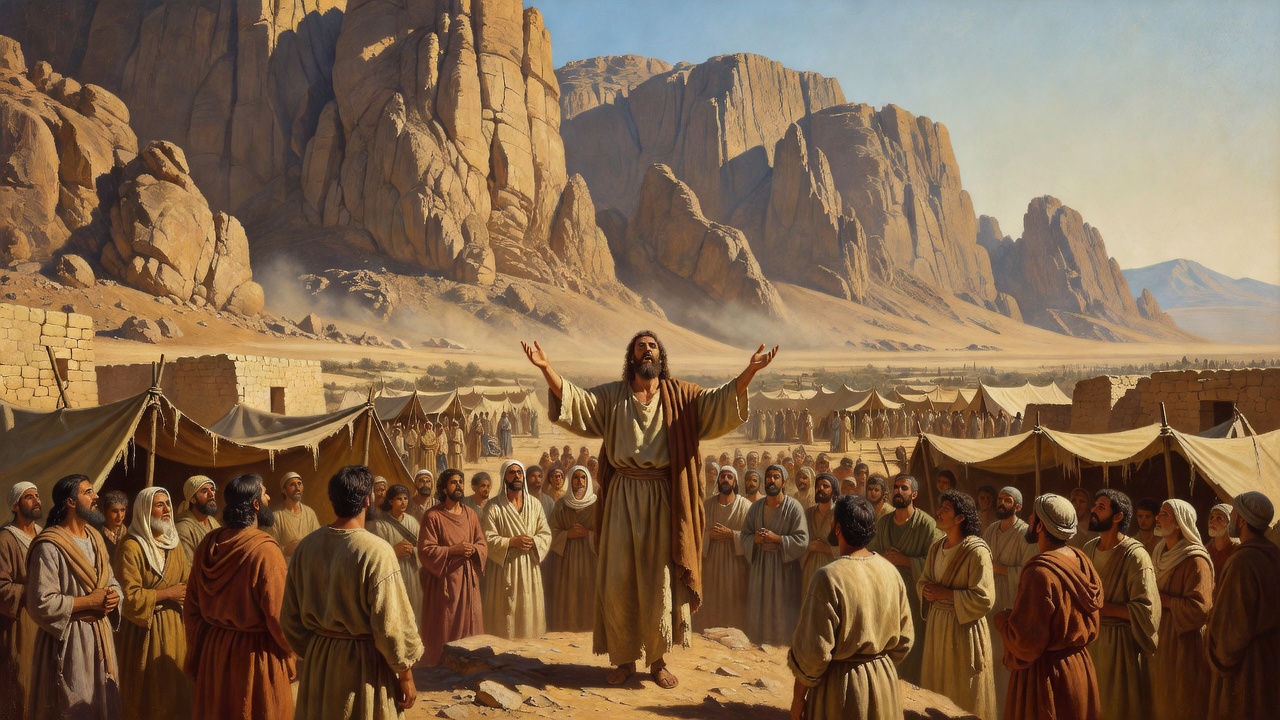
- Psalm 106 reviews key moments from the Exodus and wilderness journey as a communal confession of sin. It highlights episodes such as the rebellion at the Red Sea, the golden calf made at Horeb, and the revolt led by Dathan and Abiram, who were swallowed up by the earth.Sources: the Bible text itself · Horeb · Dathan · Abiram (son of Eliab)
- The psalm references the worship of Baal of Peor, a Moabite deity linked to Mount Peor. During this crisis, Phinehas, the son of Eleazar, intervened to halt a devastating plague, an act remembered in Scripture as enduring faithfulness.Sources: the Bible text itself · Baal-peor · Phinehas (Levite)
- Egypt is poetically called the land of Ham in verses 21 and 22. In biblical genealogy, Ham was the son of Noah whose descendants were historically associated with Egypt and surrounding regions.Sources: the Bible text itself · Ham · Egypt
Notes written with AI assistance from open sources (Theographic Bible Metadata, CC BY-SA 4.0; Easton’s Bible Dictionary, public domain) and reviewed before publishing.
Places in this chapter
- Egypt · 30.129, 31.308 · verses 7, 21
- Mount Horeb · Today: Jebel Musa · 28.540, 33.973 · verse 19
- Ham · Today: Egypt · 30.129, 31.308 · verse 22
- Peor · Today: within 1 km of Khirbet Ayun Musa · 31.777, 35.738 · verse 28
- Meribah · Today: Ain el Qudeirat · 30.648, 34.422 · verse 32
- Canaan · 32.767, 35.333 · verse 38
Only places identified with high confidence are shown (90% or more according to the scholarly sources compiled by OpenBible). Period map: DARE (Digital Atlas of the Roman Empire), CC BY 4.0; modern map: © OpenStreetMap contributors; places: OpenBible.info (CC BY 4.0).
Credits and license for this translation
Bibiri Kuyie Nnɑ́ɑǹtì Pɑ́tíri
The Holy Bible in the Ditammari language of Benin
copyright © 2001 SIM International
Language: Ditammari
Translation by: SIM
This translation text is made available to you under the
terms of the Creative Commons License: Attribution-Noncommercial-No Derivative Works.
( http://creativecommons.org/licenses/by-nc-nd/3.0/ )
In addition, you have permission to port the text to different file formats, as long as you
do not change any of the text or punctuation of the Bible.
You may share, copy, distribute, transmit, and extract portions
or quotations from this work, provided that you include the above copyright
information:
You must give Attribution to the work.
You do not sell this work for a profit.
You do not make any derivative works that change any of the actual words or punctuation of the Scriptures.
Permissions beyond the scope of this license may be
available if you contact
us with your request.
This translation is made available to you under the terms of the
Creative Commons Attribution-No Derivatives license 4.0.
You may share and redistribute this Bible translation or extracts from it in any format, provided that:
You include the above copyright and source information.
You do not make any derivative works that change any of the actual words or punctuation of the Scriptures.
Pictures included with Scriptures and other documents on this site are licensed just for use with those Scriptures and documents.
For other uses, please contact the respective copyright owners.
2022-05-31
Source: http://ebible.org/tbzsim/ · eBible.org