Numbers 35
Bibiri Kuyie Nnɑ́ɑǹtì Pɑ́tíri · Tap a verse to see its cross-references.
Defii bí kó yɛhɛkɛ̀
1Kɛ̀ ti Yiɛ̀ nKuyie nnɑ́kɛ́ Mɔyiisi Mɔɑbu kó kubiriku miɛkɛ Suditɛ̃ɛ̃ tɑkɛ́, Sedikoo ììkɛ̀ kɛ dɔ̀: 2Nɑ́kɛ́ Isidɑyɛɛribɛ kɛ̀ bɛ̀ɛ duɔ́ nDefiibɛ kɛtenkɛ̀ bɛ kɔkɛ miɛkɛ nɛ̀ bɛ̀ yóó ncɛ̃mmù dɛ̀ bɛ wũɔ̃. 3Kɛ̀ bɛ̀ mbo dɛ kó yɛhɛkɛ̀ miɛkɛ kɛ cɛ̃mmù bɛ wũɔ̃ yɛ tenkɛ̀. 4Kɛtenkɛ̀ kɛ̀ɛ̀ fitɛ́ dɛ kó yɛhɛkɛ̀ bɛ̀ yó ncɛ̃mmù kɛnkɛ bɛ wũɔ̃, kɛ́túótɛ́ dihɛì kó kuduotí borɛ̀, di kɛ̀ bennɛ́ kɛ̀ kɛ̀ ḿbo mɛ́tìrì sikɔusìnùmmù (500). 5Kɛ̀ dí túótɛ́ kuduotí borɛ̀ dikpɑ́ɑ̀ diyiè yìɛ̀ní kɛ̀ɛ̀ bíɛ́kɛ̀ kɛ̀ kɛ̀ mbo mɛ́tìrì tɛkɔupíítɛ̀ (1000), kɛ́bennɛ́ kubɑkù yoú bíɛ́kɛ̀ kɛ̀ kɛ̀ mbo mɛ́tìrì tɛkɔupíítɛ̀ (1000), kɛ́bennɛ́ diyiè tɑɑ̀ kɛ̀ɛ̀ bíɛ́kɛ̀ kɛ̀ kɛ̀ mbo mɛ́tìrì tɛkɔupíítɛ̀ (1000), kɛ́bennɛ́ kubɑkù yoú bíɛ́kɛ̀ kɛ̀ kɛ̀ mbo mɛ́tìrì tɛkɔupíítɛ̀ (1000). Kɛ̀ dihɛì nsokɛ́ dɛ cuokɛ̀. Bɛ̀ yó mmɔkɛ kɛ̀ɛ̀ tenkɛ̀ nkɛ bɛ ɛì fitímɛ̀. 6Dí duɔ́ nDefiibɛ yɛhɛkɛ̀ yɛ̀kuɔ̀ disɔ̀rì kpɛyɛ, kɛ̀ dɛ̀ kpɛtɛ́nɛ̀ òmɔù kòò kùɔ onìtì wèe cokɛ́ kɛ́sɔri dɛ kó yɛhɛkɛ̀ miɛkɛ, kɛ́yíɛ́nɛ̀ yɛhɛkɛ̀ tɛyɛ̀ sipísìnɑ̀ɑ̀ nɛ̀ yɛ̀dɛ́ɛ̀. 7Yɛmɔu kɛ̀ yɛ̀ɛ wɛ̃nnɛ́ kɛ́mbo yɛhɛkɛ̀ sipísìnɑ̀ɑ̀ nɛ̀ yɛ̀ni kɛ nɛ́ yíɛ́nɛ̀ kɛtenkɛ̀ bɛ̀ yó ncɛ̃mmù dɛ̀ bɛ wũɔ̃. 8Isidɑyɛɛribɛ wuɔ mmiɛkɛ bɑ́ kù kùu yɑɑtɛ ku ɛkɛ̀ bɛ̀ kù duɔ́ nyɛ̀ miɛkɛ kɛ́duɔ́ nDefiibɛ, kɛ̀ kùù mɔ̀kɛ kɛ̀ yɛ̀ sũ ku kpɛyɛ nsũ, kɛ̀ kùù mɔ̀kɛ kɛ̀ yɛ̀ kɛ̃ńnì ku kpɛyɛ nkɛ̃ńnì. Bɑ́ kùù wuɔ nkùu yɑɑtɛ ku tenkɛ̀ kɛ́duɔ́ nDefiibɛ bɛ̀ kù duɔ́ nkɛ̀ kɛ̀ mɑ̀mɛ̀.
Disɔ̀rì kó yɛhɛkɛ̀ yó ntú yɛ̀
9Kɛ̀ Ti Yiɛ̀ nKuyie nnɑ́kɛ́ Mɔyiisi kɛ dɔ̀: 10Nɑ́kɛ́ Isidɑyɛɛribɛ kɛ tú n yɛ̃ nkɛ̀ di sèńtɛ́ dìì mɔ̀nnì kukó nSuditɛ̃ɛ̃ kɛ bo tɑ Kɑnnɑhɑ̃ɑ̃ tenkɛ̀, 11di tɑ̃ɑ̃tɛ́ yɛhɛkɛ̀ yɛ̀ɛ̀ yó ntú di kó disɔ̀rì, kɛ̀ dɛ̀ kpɛtɛ́nɛ̀ òmɔù kòò kùɔ onìtì wèe cokɛ́ kɛ́ dì tɑ kɛ́sɔri. 12Dɛ kó yɛhɛkɛ̀ yó ntú di kó disɔ̀rì ndi kɛ̀ dɛ̀ɛ yie nkɛ̀ dɛ̀ kpɛtɛ́nɛ̀ òmɔù kòò kùɔ onìtì, wèe cokɛ́ kɛ́tɑ kɛ́yentɛ́nɛ̀ wèè dɔ́ kɛ́pɛitɛ. Kɛ̀ dɛ̀ kpɛtɛ́nɛ̀ òmɔù kòò kùɔ onìtì bɛ̀ bɑ́ɑ́ ò kùɔ kɛ mu nyí ò tɔní ditĩ̀nnì ììkɛ̀ kɛ̀ dì ò bekɛ́nɛ̀. 13Di yóó bɛ̀ duɔ́ nyɛ̀ɛ̀ ɛkɛ̀ miɛkɛ disɔ̀rì kpɛyɛ yó mbo yɛ̀kuɔ̀ ndi. 14Di tɑ̃ɑ̃tɛ́ yɛ̀tɑ̃ɑ̃ti Suditɛ̃ɛ̃ kó nyɑ́ɑ̀, yɛ̀tɑ̃ɑ̃ti Kɑnnɑhɑ̃ɑ̃ kó dihɛì. 15Dɛ kó yɛhɛkɛ̀ yɛkuɔ̀ yɛnyɛ yó ntú Isidɑyɛɛribɛ kó disɔ̀rì ndi, nɛ̀ bɛpɔ̀ɔ̀bɛ̀ bɛ̀ɛ̀ bo di cuokɛ̀. Kɛ̀ dɛ̀ kpɛtɛ́nɛ̀ òmɔù kòò kùɔ onìtì, dɛ yiɛ̀ mbo nɑ kɛ́cokɛ́ kɛ́sɔri yɛ miɛkɛ dìmɑrì.
16Kòò mɔù potɛ́ otɔù nɛ̀ kunɛnkù mɑkù timɑ́tì kɔku, kòò kú, dɛ yiɛ̀ nhonitikɔ̀ùtì nwe, bɛ̀ɛ ò kùɔ. 17Kòò mɛ nhò bɔ̀tɛ́ ditɑ̃́rì ndi kòò kú dɛ̀ yiɛ̀ nhonitikɔ̀ùtì nwe, bɛ̀ɛ ò kùɔ. 18Kɛ̀ dɛ̀ mɛ ndò nhò ò potɛ́nɛ̀ kudɔú nku kòò kú, dɛ yiɛ̀ nhonitikɔ̀ùtì nwe, bɛ̀ɛ ò kùɔ. 19Wèè dò nkɛ́pɛitɛ kòò ò mɑ̀ɑ́nɛ̀ dɛ̀ wèe ò kùɔ. 20Kòò mɔù níí nhotɔù koò tèntɛ kòò do yoo ò díi nkóò bɔ̀tɛ́ dɛ̀mɑrɛ̀ kòò ku, 21yoo kòo miɛkɛ kɛɛ̀ mɛ nhò pɛ́ì kòò ò potɛ́ dinɑcɛkutiri kòò ku, onitikɔ̀ùtì nwe, wèè dò nkɛ́pɛitɛ kòò ò mɑɑ́nɛ̀ dɛ̀ wèe ò kùɔ.
22Kɛ̀ dɛ̀ mɛ ndò ndɛ̀ kpɛtɛ́nɛ̀ òmɔù kòò tèntɛ òmɔù kòò do kɛ ku, kɛ̀ mɛníìmmɛ̀ í bo bɛ cuokɛ̀, ò mɛ nyí ò dìí nkoò bɔ̀tɛ́ dɛ̀mɑrɛ̀, 23kòò mɛ ndootɛ́ ditɑ̃́rì ndi kɛ̀ dì ò mɑ̀ɑ́nɛ̀ kòò ku, kɛ do í tú o dootitɔù, kòò do í ò dɔ́nɛ̀ mɛyɛi, 24kɛ̀ dɛ̀ dò mmɛmmɛ ditĩ̀nnìi tũnnɛ ikuɔ́ ìì tukúnɛ̀ wèè kùɔ nɛ̀ wèè dɔ́ kɛ́pɛitɛ kɛ̀ bɛ̀ɛ bekɛ́nɛ̀ dɛ yiɛ̀. 25Kɛ̀ ditĩ̀nnìi dɛɛtɛ́ wèè kùɔ wèè dò nkɛ́pɛitɛ kòò bɑ́ɑ́ ò kùɔ. Ditĩ̀nnìi ò tɛ̃̀ńnɛ́ dihɛì ò do sɔri dì, kòo nkɛ̀ bo kɛ bɑɑnɛ̀ ikuɔ́ nìùtì diɛwè bɛ̀ còú nwe mɛkùɔ̀ nhò bo kúmɛ̀. 26Kɛ̀ dɛ̀ mɛ ndò nwèè kùɔ ò yɛ̀nní dihɛì ò do sɔri dì kó mutentɑ̃́ɑ̃́. 27Kɛ̀ wèè dò nkɛ́pɛitɛ kòò ò yɑ̀ kòò í bo dihɛì ò do sɔri dì kó mutentɑ̃́ɑ̃́ nkòò ò kùɔ ò í cɑ̀ɑ̀rɛ̀. 28Kɛ̀ dɛ̀ mɛ nkpɛtɛ́nɛ̀ òmɔù kòò kùɔ onìtì ò dò nkɛ́mbo disɔ̀rì kó dihɛì ndi kɛ bɑɑnɛ̀ ikuɔ́ nìùtì diɛwè bɛ̀ cou nwè mɛkùɔ̀ nhò bo kúmɛ̀ kòò nɛ́ wɛ̃tɛ o ɛì.
29Di yó ntũ nyiì kuɔ́ nɛ̀ di yɑɑ̀bío bɑ́ kɛ̀ di borɛ̀.
30Kɛ̀ dɛ̀ tùɔ̀kɛní kɛ dò mmɛmmɛ wèè kùɔ onìtì bɛ̀ dò nkɛ́ nyóó ò kùɔ kɛ̀ bɛnìtìbɛ̀ pɛ́u bɛɛ̀ yɛ̃́ mùù te, bɛ̀ bɑ́ɑ́ kuɔ òmɔù kòo nìtì òmɑ́ɑ̀ weè tu ò yɛ̃́ mùù te. 31Òmɔù bɑ́ɑ́ kuɔ onìtì kɛ́ndò ndi ò kùɔ kɛ̀ dí cɔutɛ́ ticuuti kóò yóu, ò dò nkɛ́kuɔmu. 32Di bɑ́ɑ́ yie nkòò mɔù dí yietí ticuuti kɛ́yɛ̀nní disɔ̀rì kó dihɛì kɛ́konní o ɛì, kɛ̀ ikuɔ́ nìùtì diɛwè mu nyí ku.
33Di yóó kɑri dìì ɛì di bɑ́ɑ́ cóú mmɛnitiyĩ̀ĩ̀, mɛnitiyĩ̀ĩ̀ nsĩ̀nkùnko dihɛì ndi, dɛ̀mɑrɛ̀ í bo di bo dɔɔ̀ dɛ̀ kɛ̀ dɛ̀ɛ wénkùnnɛ dihɛì mɛnitiyĩ̀ĩ̀ nsĩ̀nkùnnɛ dì, kɛ̀ dɛ̀ í tú di bo kuɔmɛ̀ wèè kùɔ. 34Di bɑ́ɑ́ sĩnkùnnɛ dihɛì di yóó kɑri dì, n yó mbo dì, mí ndi Yiɛ̀ nKuyie n yó mbomu díndi Isidɑyɛɛribɛ di cuokɛ̀.
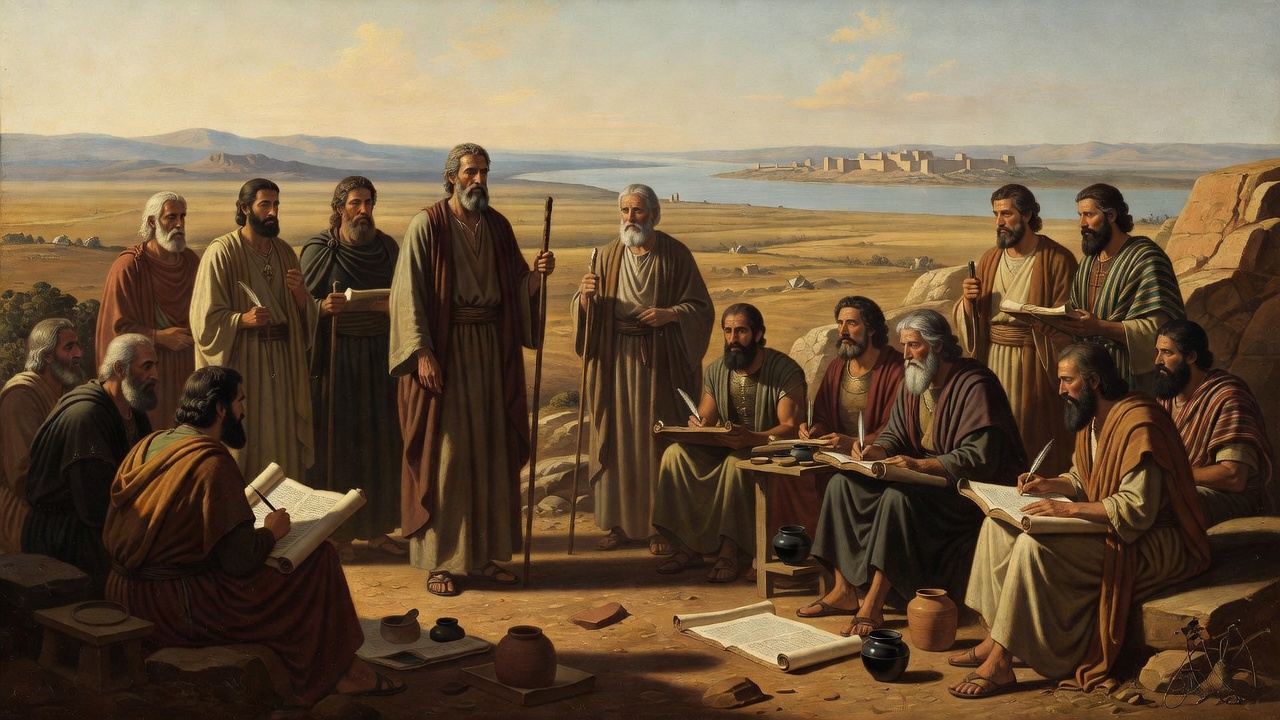
Did you know?
Levitical Towns and Cities of Refuge
- Unlike the other tribes, the Levites were not allotted a continuous territory. Instead, the Israelites were instructed to provide them with forty-eight cities along with surrounding pasturelands, contributed by each tribe in proportion to the size of its tribal inheritance.Sources: the Bible text itself
- Six of the forty-eight Levitical towns were designated as cities of refuge, with three located east of the Jordan and three in the land of Canaan. These sanctuaries offered legal protection for Israelites and resident foreigners who caused an accidental death, sheltering them from the avenger of blood until a formal trial could take place.Sources: the Bible text itself · Canaan · Jordan
- The law strictly distinguished between intentional murder and accidental manslaughter, requiring multiple witnesses before carrying out capital punishment. Furthermore, financial ransoms were forbidden either to spare a convicted murderer or to release an accidental killer from their city of refuge before the death of the high priest.Sources: the Bible text itself
Notes written with AI assistance from open sources (Theographic Bible Metadata, CC BY-SA 4.0; Easton’s Bible Dictionary, public domain) and reviewed before publishing.
Places in this chapter
- Jericho · Today: Tell es Sultan · 31.872, 35.445 · verse 1
- Jordan · Today: Jordan River · 31.761, 35.558 · verses 1, 10, 14
- Moab · Today: Moab 2 · 31.840, 35.674 · verse 1
- Canaan · 32.767, 35.333 · verses 10, 14
Only places identified with high confidence are shown (90% or more according to the scholarly sources compiled by OpenBible). Period map: DARE (Digital Atlas of the Roman Empire), CC BY 4.0; modern map: © OpenStreetMap contributors; places: OpenBible.info (CC BY 4.0).
Credits and license for this translation
Bibiri Kuyie Nnɑ́ɑǹtì Pɑ́tíri
The Holy Bible in the Ditammari language of Benin
copyright © 2001 SIM International
Language: Ditammari
Translation by: SIM
This translation text is made available to you under the
terms of the Creative Commons License: Attribution-Noncommercial-No Derivative Works.
( http://creativecommons.org/licenses/by-nc-nd/3.0/ )
In addition, you have permission to port the text to different file formats, as long as you
do not change any of the text or punctuation of the Bible.
You may share, copy, distribute, transmit, and extract portions
or quotations from this work, provided that you include the above copyright
information:
You must give Attribution to the work.
You do not sell this work for a profit.
You do not make any derivative works that change any of the actual words or punctuation of the Scriptures.
Permissions beyond the scope of this license may be
available if you contact
us with your request.
This translation is made available to you under the terms of the
Creative Commons Attribution-No Derivatives license 4.0.
You may share and redistribute this Bible translation or extracts from it in any format, provided that:
You include the above copyright and source information.
You do not make any derivative works that change any of the actual words or punctuation of the Scriptures.
Pictures included with Scriptures and other documents on this site are licensed just for use with those Scriptures and documents.
For other uses, please contact the respective copyright owners.
2022-05-31
Source: http://ebible.org/tbzsim/ · eBible.org