Numbers 10
Bibiri Kuyie Nnɑ́ɑǹtì Pɑ́tíri · Tap a verse to see its cross-references.
Kuyie nyɛ̃mmɛ̀ bɛ̀ɛ dɔɔ̀ yɛmɑ́tìtɑ̃tɛhe
1Kɛ̀ ti Yiɛ̀ nKuyie mbɛ́innɛ̀ Mɔyiisi kɛ dɔ̀: 2Duɔ́ nkɛ̀ bɛ̀ɛ yiɛ ntimɑ́tì pɛ́ítì kɛ́dɔɔ̀ yɛmɑ́tìtɑ̃tɛhe yɛ̀dɛ́ɛ̀, bɛ̀ níí yóó yɛ nheé kɛ̀ dí tíí, yoo bɛ̀ɛ eé kɛ̀ dí ítɛ́ di bɑ̀tɛ́ dɛ̀. 3Bɛ̀ níí yóó yɛ nheé kɛ̀ Isidɑyɛɛribɛ bɛmɔuu tíí nhɑ borɛ̀ mɛtɑummɛ̀ tou borìnùù. 4Kɛ̀ bɛ̀ níí eé ditɑ̃tɛheù dìmɑ́ɑ̀ Isidɑyɛɛribɛ kó bɛkótíbɛ̀ nɛ̀ sikpɑ̀ɑ̀tìbìí bɛɛ̀ dò nkɛ́tíí nhɑ borɛ̀. 5Kɛ̀ bɛ̀ mɛ nheé kɛ iinɛ̀ bɛ̀ɛ̀ kɑ̀ri mɛtɑummɛ̀ tou diyiè yìɛ̀ní kɛ̀ɛ̀ bíɛ́kɛ̀ bɛ̀ɛ ítɛ́ kɛ́kétɛ́. 6Kɛ̀ bɛ̀ yíɛ́ kɛ eé kɛ iinɛ̀, kubɑkù cɑ̃̀nku kɔbɛɛ ítɛ́ kɛ́kétɛ́. 7Kɛ̀ dì mɛ ndɔ́ kɛ́tíí nyIsidɑyɛɛribɛ bɛmɔu ndi, dí eé di bɑ́ɑ́ iinɛ̀.
8Anɔɔ bí ikuɔ́ nìùbɛ̀ bɛɛ̀ yó nheu yɛtɑ̃tɛhe, dɛ yó ntú di kó ikuɔ́ nyi nɛ̀ di yɑɑ̀bío sɑ̃́ɑ̃̀.
9Kɛ̀ di mɛ mbɑ̀ɑ́tí kɛ bo do di dootitɔbɛ̀ bɛ̀ɛ̀ di fɛ̃́ũnko bɛ̀mbɛ mudoò, di eé ditɑ̃tɛheù kɛ́iinɛ̀. Mí ndi Yiɛ̀ nKuyie mmí nwèè di te n yóó dentɛnímu di kpɛ́í nkɛ́ di dɛɛtɛ́nɛ̀ di dootitɔbɛ̀. 10Kɛ̀ di mɛ nhɑ̃nnɛ́ tikpɛitì nti yoo dibɑnni n kpɛ́í nyoo otɑ̃̀nkù pɑ̀nwè kó dibɑnni, kɛ̀ di yó n fíé dìì mɔ̀nnì iwũɔ̃ kɛ́tuɔ nyoo mɛtɑummɛ̀ kpɛyi, dí eé ditɑ̃tɛheù kɛ̀ n dentɛní di kpɛ́í. Mí ndi Yiɛ̀ nKuyie mmíì di te.
BƐ̀ ÌtƐ́MƐ̀ DITÃRÌ SINAII KƐ TÙƆ̀KƐNƐ̀ MƆABU TENKƐ̀ MÀNKU
Bɛ̀ dò nkɛ́nyiiti mɛ̀ɛ̀ botí bɛ tĩ̀rɛ̀
11Isidɑyɛɛribɛ do yɛ̀ Esibiti kɛ́mbo bɛ benni dɛ́rì otɑ̃̀nkù dɛ́rì kó diyiè sipísìdɛ́ kó diyiè ndi, diwɛtirì ìtɛ́mɛ̀ Kuyie ntɑummɛ̀ tou mɛtɑummɛ̀ tɔu bo dìì miɛkɛ di ĩ́nkɛ̀. 12Kɛ̀ Isidɑyɛɛribɛɛ ítɛ́ Sinɑii kó dikpɑ́ɑ̀ kɛ́dɔ́ɔ́tɛ́ bɛ̀ dò nkɛ́kétɛ́ mɛ̀ɛ̀ botí. Kɛ̀ diwɛtirìi kɔtɛ kɛ́cómmú Pɑdɑnni kpɑ́ɑ̀ miɛkɛ. 13Mɛɛ̀ do tú kucɛ mɛketimɛ̀ bɛ̀ ìtɛ́mɛ̀ kɛ́ntũ ti Yiɛ̀ nKuyie ndo ti nɑ̀kɛ́mɛ̀ Mɔyiisi kòo tì mbɛ̀ nɑ̀kɛ́.
14Sudɑɑ kó ditĩ̀nnì kɔbɛ nɛ̀ Isɑkɑɑ kpɛri kɔbɛ nɛ̀ Sɑbunɔɔ kpɛri kɔbɛ bɛɛ̀ yó ntú bɛketibɛ̀ kɛ́ítɛ́nɛ̀ bɛ kó mɛcɑnnimɛ̀ kɛ̀ Amminɑdɑbu birɛ Nɑsɔ̃ɔ̃ nni Sudɑɑ kɔbɛ kó dihɑ̃ɑ̃pɔ̀ntĩ̀nnì. Kɛ̀ Suɑɑ Nɛtɑnnɛyɛɛdi nni Isɑkɑɑ kɔbɛ kó dihɑ̃ɑ̃pɔ̀ntĩ̀nnì kɛ̀ Edonni birɛ Ediɑbu nni Sɑbunɔɔ kɔbɛ kó dihɑ̃ɑ̃pɔ̀ntĩ̀nnì.
17Kɛ̀ bɛ̀ɛ uutɛ́ mɛtɑummɛ̀ tou kɛ́kpɛ́ú. Kɛrisonni bí nɛ̀ Mɛdɑdi kpɛyi bɛɛ̀ do te bɛ̀ bo ndì tɔumɛ̀ kɛ̀ bɛ̀ɛ tɔ kɛ́kétɛ́.
18Bɛ kó difɔ̃nkúò kɛ̀ Dubɛnni kó ditĩ̀nnì kɔbɛ nɛ̀ Simmɛɔ̃ɔ̃ kó ditĩ̀nnì nɛ̀ Kɑdi kó ditĩ̀nnì kɔbɛ kɛ̀ bɛ̀ɛ ntú bɛdɛ́ríbɛ̀ kɛ́kétɛ́nɛ̀ bɛ kó mɛcɑnnimɛ̀ kɛ̀ Sedeuu birɛ Edisuu nni Dubɛnni kó dihɑ̃ɑ̃pɔ̀ntĩ̀nnì. Kɛ̀ Sudisɑdɑii birɛ Sedumiɛri nni Simmɛɔ̃ɔ̃ kó dihɑ̃ɑ̃pɔ̀ntĩ̀nnì. Kɛ̀ Deuyɛɛdi birɛ Ediɑsifu nni Kɑdi kó dihɑ̃ɑ̃pɔ̀ntĩ̀nnì.
21Bɛ kó difɔ̃nkúò kɛ̀ Keɑti nɑɑ̀mùnkù kɔbɛ bɛ̀ɛ̀ tɔu Kuyie ntɑummɛ̀ tɔu kɛ̀ bɛ̀ɛ kétɛ́, Defiibɛ tɔbɛ̀ do niitɛ́mu kɛ́cónnɛ́ mɛtɑummɛ̀ tou kɛ̀ bɛ̀ bo ntuɔ̀kòo.
22Bɛ kó difɔ̃nkúò kɛ̀ Efɑdɑimmu kó ditĩ̀nnì kɔbɛ nɛ̀ Mɑnɑnsee kó ditĩ̀nnì kɔbɛ nɛ̀ Bɛnsɑmɛɛ kó ditĩ̀nnì kɔbɛ kɛ̀ bɛɛ̀ ntú bɛtɑ̃ɑ̃́mbɛ̀ kɛ́kétɛ́ nɛ̀ bɛ kó mɛcɑnnimɛ̀ kɛ̀ Ammiudi birɛ Edisɑmɑ nni Efɑdɑimmu kó dihɑ̃ɑ̃pɔ̀ntĩ̀nnì kɛ̀ Pedɑsuu birɛ Kɑmmidiyɛɛri nni Mɑnɑnsee kɔbɛ kó dihɑ̃ɑ̃pɔ̀ntĩ̀nnì kɛ̀ Kideonii birɛ Abidɑnni nni Bɛnsɑmɛɛ kɔbɛ kó dihɑ̃ɑ̃pɔ̀nntĩ̀nnì
25Bɛ kó difɔ̃nkúò kɛ̀ Dɑnni kɔbɛ kó ditĩ̀nnì nɛ̀ Asɛɛ kɔbɛ kó ditĩ̀nnì nɛ̀ Nɛfutɑdii kɔbɛ kó ditĩ̀nnì kɛ̀ bɛ̀ɛ yɑ̃ɑ̃ nfɛnɑfɛ fũ̀ɔ̃̀ nɛ̀ bɛ kó mɛcɑnnimɛ̀. Kɛ̀ Amisɑdɑii birɛ Ayesɛɛ nni Dɑnni kó dihɑ̃ɑ̃pɔ̀ntĩ̀nnì kɛ̀ Okɑdɑnni birɛ nni Asɛɛ kó dihɑ̃ɑ̃pɔ̀ntĩ̀nnì kɛ̀ Enɑnni birɛ Aidɑ nni Nɛfutɑdii kó dihɑ̃ɑ̃pɔ̀ntĩ̀nnì.
28Isidɑyɛɛribɛ kó yɛtĩ̀rɛ̀ do iiti miɛ̀ mbotí nku bɛ ɑ̃ɑ̃pɔ̀nkɑrɛ̀ kɛ keri.
Mɔyiisi do wɑɑ́mmɛ̀ wèè bo bɛ̀ niitɛ́ kucɛ
29Mɛm̀mɛ kɛ̀ Mɔyiisii nɑ́kɛ́ o cɔ̀kù Deuyɛɛdi, Mɑndiyɑ̃ɑ̃ ɛì kou kó dɛbirɛ Obɑbu kɛ dɔ̀: Ti kɔri ti Yiɛ̀ nKuyie nyɛ̃ nkù yóó ti duɔ́ ndìì ɛì ndi, yóu kɛ̀ tí nnɛí, ɑ yóó pɛ́tɛ́mu mɛsɑ̀ɑ̀ ti Yiɛ̀ nKuyie nyɛ̃ nkù yóó ti duɔ́ mmɛ̀. 30Kɛ̀ Obɑbuu ò tɛ̃̀ńnɛ́ kɛ dɔ̀: N bɑ́ɑ́ nɛi n kũnti n ciɛ nkɛ n kɔbɛ borɛ̀. 31Kɛ̀ Mɔyiisi dɔ̀: Bɑ́ɑ́ ti bɔntóo fɔ̃́ɔ̃̀ yɛ̃́ dikpɑ́ɑ̀ miɛkɛ dɛ̀ɛ̀ dò nkɛ́bɑ́tɛ́, fɔ̃́ɔ̃̀ dò nkɛ́ tí niitɛ́. 32Kɑ̀ɑ ti nɛinɛ̀ kɛ̀ ti Yiɛ̀ nKuyie nti dɔ̀ɔ̀ dìì mɔ̀nnì kù do yɛ̃ nkù yóó ti dɔɔ̀ mɛ̀ɛ̀ sɑ̀ɑ̀ ɑ í yóó mɔ́ntɛ́ ɑ kɔ̃mɛ.
33Mɛm̀mɛ kɛ̀ bɛ̀ɛ ítɛ́ ti Yiɛ̀ nKuyie ntɑ̃rì kɛ́mmɔkɛ yɛwe yɛ̀tɑ̃ɑ̃ti mucèmmu kɛ̀ Kuyie ntɑummɛ̀ tɔu ni bɛ ììkɛ̀, dɛ kó yɛwe yɛ̀tɑ̃ɑ̃ti miɛkɛ kɛ bo yɑ̀ bɛ̀ bo bɑ́tɛ́ dɛ̀. 34Bɛ̀ do ìtɛ́ kuyie nku, kɛ̀ Kuyie nkó diwɛtirì mbɛ̀ dɑ̀ɑ́tí. 35Kuyie ntɑummɛ̀ tɔu ketɛ́ dìì mɔ̀nnì kɛ̀ Mɔyiisii kuɔ́nko kɛ dɔ̀: Kuyie, nyítɛ́ kɛ́cómmú! Kɑ̀ɑ dootitɔbɛ̀ɛ cíɛ́tɛ́, kɑ̀ɑ níímbɛ̀ ncokù ɑ ììkɛ̀. 36Kɛ̀ bɛ̀ ĩ̀ńnɛ́ dìì mɔ̀nnì mɛtɑummɛ̀ tɔu wèe pĩɛ̃kɛ́ kɛ dɔ̀: Ti Yiɛ̀ nKuyie nwɛ̃tɛní kɛ́mbo ɑ kɔbɛ kuwuɔ ndiɛkù Isidɑyɛɛribɛ cuokɛ̀.
Did you know?
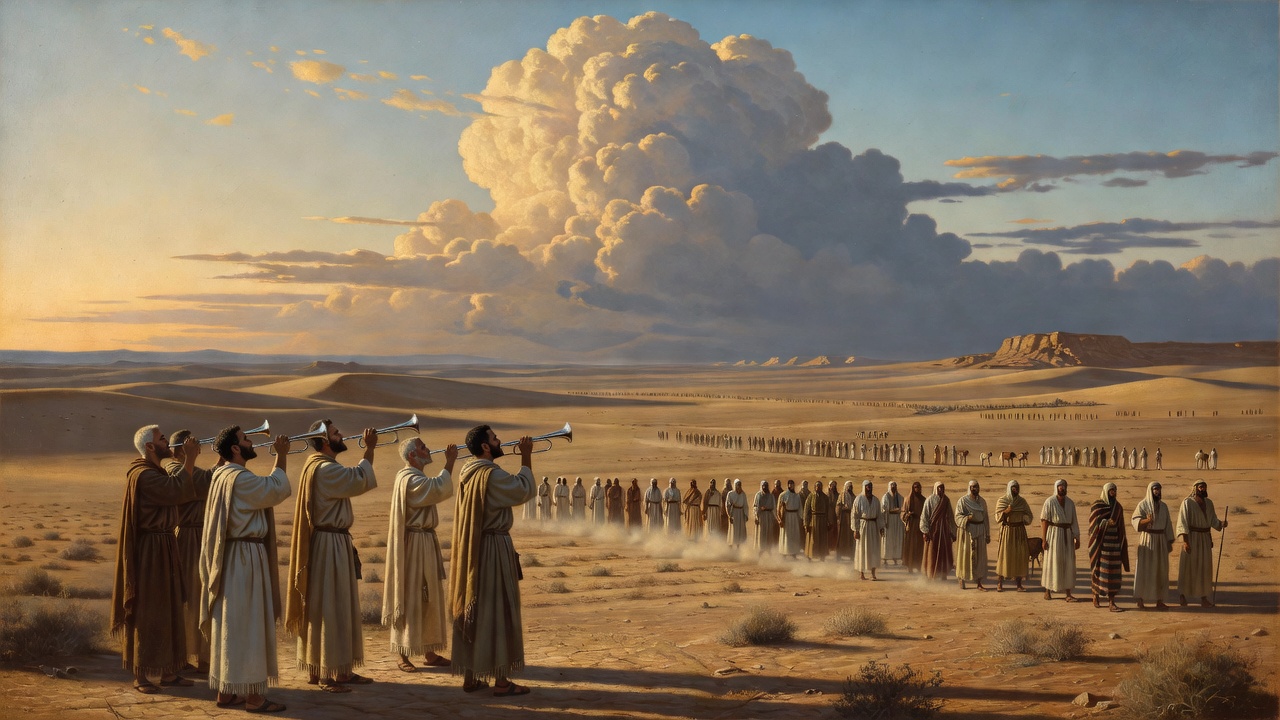
Silver Trumpets and the Departure from Sinai
- Two hammered silver trumpets served as Israel's communication system in the wilderness, sounded exclusively by Aaron's priestly sons with distinct long and short blasts to assemble the congregation, signal tribal divisions to break camp, sound alarms in war, and announce festive sacrifices.Sources: the Bible text itself
- On the twentieth day of the second month of their second year after leaving Egypt, the cloud lifted from above the tabernacle, marking Israel's departure from the Wilderness of Sinai after camping there for nearly a year as they journeyed toward the Wilderness of Paran.Sources: the Bible text itself · Sinai · Paran
- Moses urged Hobab, the son of his Midianite father-in-law Reuel, to journey with them and serve as their eyes, relying on Hobab's familiarity with the desert terrain and suitable camping locations in exchange for sharing in the blessings promised to Israel.Sources: the Bible text itself · Jethro
Notes written with AI assistance from open sources (Theographic Bible Metadata, CC BY-SA 4.0; Easton’s Bible Dictionary, public domain) and reviewed before publishing.
Places in this chapter
- Egypt · 30.129, 31.308 · verse 11
- Paran · 30.303, 34.777 · verse 12
- Wilderness of Sinai · Today: about 50 km around Jebel Musa · 28.540, 33.973 · verse 12
Only places identified with high confidence are shown (90% or more according to the scholarly sources compiled by OpenBible). Period map: DARE (Digital Atlas of the Roman Empire), CC BY 4.0; modern map: © OpenStreetMap contributors; places: OpenBible.info (CC BY 4.0).
Credits and license for this translation
Bibiri Kuyie Nnɑ́ɑǹtì Pɑ́tíri
The Holy Bible in the Ditammari language of Benin
copyright © 2001 SIM International
Language: Ditammari
Translation by: SIM
This translation text is made available to you under the
terms of the Creative Commons License: Attribution-Noncommercial-No Derivative Works.
( http://creativecommons.org/licenses/by-nc-nd/3.0/ )
In addition, you have permission to port the text to different file formats, as long as you
do not change any of the text or punctuation of the Bible.
You may share, copy, distribute, transmit, and extract portions
or quotations from this work, provided that you include the above copyright
information:
You must give Attribution to the work.
You do not sell this work for a profit.
You do not make any derivative works that change any of the actual words or punctuation of the Scriptures.
Permissions beyond the scope of this license may be
available if you contact
us with your request.
This translation is made available to you under the terms of the
Creative Commons Attribution-No Derivatives license 4.0.
You may share and redistribute this Bible translation or extracts from it in any format, provided that:
You include the above copyright and source information.
You do not make any derivative works that change any of the actual words or punctuation of the Scriptures.
Pictures included with Scriptures and other documents on this site are licensed just for use with those Scriptures and documents.
For other uses, please contact the respective copyright owners.
2022-05-31
Source: http://ebible.org/tbzsim/ · eBible.org