Micah 6
Bibiri Kuyie Nnɑ́ɑǹtì Pɑ́tíri · Tap a verse to see its cross-references.
Ti Yiɛ̀ nKuyie nsɛimmɛ̀ ku nìtìbɛ̀
1Kɛ̀ ti Yiɛ̀ nKuyie nní mbɛ́innɛ̀ kɛ dɔ̀:
Ítɛ́ kɛ́cómmú kɛ́kpɑnnɛ̀ n nìtìbɛ̀ yɛtɑ̃rɛ̀ nɛ̀ sitɑ̃ɑ̃́ kɛ̀ dɛ̀ɛ keè.
2Nɑ́kɛ́ bɛ kɛ dɔ̀, ti Yiɛ̀ nKuyie ntu:
Díndi yɛtɑ̃rɛ̀ keènɛ̀ Kuyie nkó tibeéntì.
Díndi kɛtenkɛ̀ kó yɛsɑ̃ǹkɛ̀ yɛ̀ɛ̀ fìíkú teii keènɛ̀!
Kù sɛimmu ku kɔbɛ kɛ kpɑnnɛ̀ Isidɑyɛɛribɛ.
3Mí ndi Yiɛ̀ nKuyie mmíì tu:
Díndi n nìtìbɛ̀ n nɑ́kɛ́nɛ̀ n di cɑ̀kɛ mù.
Di nh ɔ̀unɛ̀ bɑ nkpɛ́í? N nɑ́kɛ́nɛ̀!
4Míì di dènnɛní Esibiti tenkɛ̀
kɛ dì dɛɛtɛ́nɛ̀ mudɑɑtɔ̃mmú
kɛ duɔ́ nkɛ̀ Mɔyiisi nɛ̀ Anɔɔ nɛ̀ Midiyɑmmu
kɛ̀ bɛ̀ di niitɛ́.
5Dentɛnɛ̀ní Mɔɑbu kóo kpɑ̀ɑ̀tì Bɑdɑki do dɔ́ kɛ́ di dɔ̀ɔ̀mɛ̀,
dentɛnɛ̀ní Beɔɔ birɛ Bɑdɑmmu do ò tɛ̃̀ńnɛ́ tì,
kɛ́dentɛní di do ìtɛ́ Sitimmu
kɛ́séntɛ́ Suditɛ̃ɛ̃ kɛ̀ dɛ̀ ndòmmɛ̀,
kɛ̀ di tuɔkɛnɛ̀ Kidikɑɑdi.
Dɛ mɔ̀nnì di bo bɑntɛ́ n di dɔ̀ɔ̀ mɛ̀ɛ̀ sɑ̀ɑ̀.
Ti Yiɛ̀ nKuyie ndɔ́ ku nìtìbɛ̀ ndòmmɛ̀
6Kɛ̀ Isidɑyɛɛribɛɛ bɛ́i nkɛ dɔ̀:
Ti níí bo ntɔ ɔ̃̀ndi pɑ̃nnì kɛ́pɑ̃ ti Yiɛ̀ nKuyie
ti dɔ́ dìì mɔ̀nnì kɛ́ kù bɑ́ntɛ̀?
Ti Yiɛ̀ nKuyie ndɔ́ ti níí bo ntɔ mɛ̀mmɛ yɛnɑɑdɑkɛ̀
yɛ̀ɛ̀ mɔ̀kɛ dibenni dìmɑ́ɑ̀ dìmɑ́ɑ̀ kɛ́ kù fìé kɛ́tuɔnɑɑ̀?
7Ti Yiɛ̀ nKuyie ndɔ́ ti níí ntɔ yɛpedɑkɛ nyɛ sikɔu sikɔu
yɑ́ɑ̀ mɛkùɔ̀ sicèe sicèe
yɑ́ɑ̀ ti nɛ́ níí bo kù fìé bɛ̀ɛ̀ tu bɛ̀mbɛ̀ Mpo
kɛ̀ kù ti cĩ́ɛ̃́ nti yɛi?
8Di yɛ̃́mu dɛ̀ɛ̀ wenni!
Ti Yiɛ̀ nKuyie ndi wúónnɛ̀ tì tu:
Di bo ndɔɔrimɛ̀ ditɔbɛ̀ dɛ̀ɛ̀ sìɛ́,
kɛ́ndɔ́ mɛsɑ̀ɑ̀ nkó mmudɔɔ̀rìmù,
kɛ́kɛ̃́kùnnɛ dimɑ́ɑ̀ kɛ́ nkù tũ̀.
Kuyie nyɛ̃mmɛ̀ kù yóó potɛ́ Sedisɑdɛmmu ɛì kɔbɛ bɛ yonku nɛ̀ bɛ̀ yuukumɛ̀ kpɛ́í
9Kɛ̀ ti Yiɛ̀ nKuyie mbɛ́innɛ̀ Sedisɑdɛmmu ɛì kɔbɛ kɛ dɔ̀:
Wèè ciì wèe dɑɑtɛ ndi nɑ́ɑ́ ntì kpɛ́í.
Díndi Sudɑɑ kɔbɛ nɛ̀ bɛ̀ɛ̀ kó dimɑ̀ɑ̀ bo dihɛì miɛkɛ,
kéntɛ́nɛ̀ n tɑ̃ɑ̃tɛ́ tì!
10Dɛ̀ í yie m bo nwúómmɛ̀ bɛnitiyɛibɛ yuuku dɛ̀,
kɛ̀ dɛ̀ bo bɛ cɛ̃́ĩ miɛkɛ,
bɛ̀ beú nɛ̀ siyɑ́ɑ̀bìsí bièpeé sì ndò nyisɔkɛ nyi,
nyí sì dɔ́.
11M bɑ́ɑ́ nɑ kɛ́nwúónko bɛ̀ɛ̀ tɔuti siyɑ́ɑ̀bìsíbie,
kɛ cɔ̃ti bɛ yɔ̀rɛ̀ miɛkɛ cìdóò tɑ̃́rɛ̀ siyɑ́ɑ̀bìsí kpɛyɛ.
12Di nhɛì kó bɛkpɑ̀ɑ̀tìbɛ̀ nɔnnɛ̀ muyóò mmu,
kɛ soú nkɛ cií mbɛtɔbɛ̀.
13Di yɛi mmɛɛ̀ sũ̀ṹ,
dɛɛ̀ te kɛ̀ n yó ndi puotì
n yóó di deèmu pɑ́íí dɛ kó mɛyɛi nkpɛ́í.
14Di níí bo di, di bɑ́ nsɑ̀nnɛ̀,
dikònnì bo ndi bo,
kɛ̀ di sùɔ́ ndɛ̀, di bɑ́ɑ́ nɑ kɛ́ dɛ̀ sɔ̀nnɛ,
bɑ́ kɛ̀ di nɑ kɛ sɔ̀nnɛ n dɛ̀ cɑ̀kɛ.
15Di níí bo kúútí bɑ́ di bɑ́ɑ́ dɛitɛ,
kɛ níí díí mɛkùɔ̀ ndi mɛ mbɑ́ɑ́ mɛ̀ dɔ̀ɔ̀nɛ̀ mùmɑmù,
kɛ níí kuɔti mɛnɑɑ̀ di mɛ mbɑ́ɑ́ mɛ̀ yɑ̃̀.
16Di tũ̀nnɛ okpɑ̀ɑ̀tì Ɔmmidi nɛ̀ o cicɛ Akɑbu,
nɛ̀ o cĩ́ɛ̃̀tɛ̀ bɛ borimɛ yɛimɛ mmɛ weti weti,
dɛɛ̀ kpɛ́í nte kɛ̀ m bo duɔ́ nkɛ̀ di kó dihɛìi nɑɑ́ ntidobontì,
kɛ̀ bɛ̀ di dɑɑ́ díndi dihɛidiɛ̀ kɔbɛ,
kɛ ifɛi dí pĩ́.
Did you know?
The Lord's Lawsuit and True Requirements
- The chapter opens as a legal covenant dispute where God calls the mountains and foundations of the earth to stand as witnesses against Israel. God reminds the people of his faithfulness in delivering them from Egypt under Moses, Aaron, and Miriam, and protecting them from Balak of Moab through Balaam during their journey from Shittim to Gilgal.Sources: the Bible text itself · Miriam · Balak · Balaam
- The text contrasts extreme outward sacrifices—such as offering thousands of rams, torrents of olive oil, or even child sacrifice—with what God genuinely requires. True devotion is defined simply as acting justly, loving mercy, and walking humbly with God.Sources: the Bible text itself
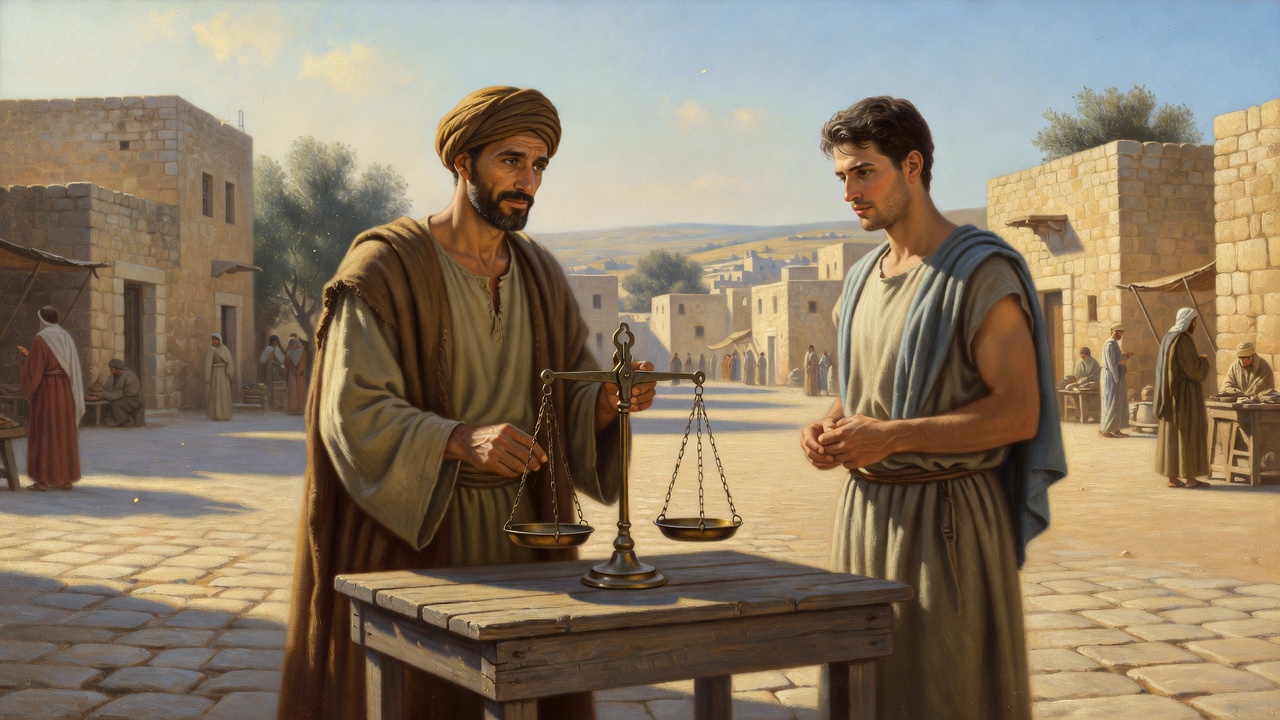
- Micah denounces urban economic injustice, explicitly condemning dishonest merchants who used false weights, deceptive scales, and short ephahs. He warns that following the corrupt statutes and practices associated with northern kings Omri and Ahab will bring devastation and public contempt.Sources: the Bible text itself · Omri · Ahab
Notes written with AI assistance from open sources (Theographic Bible Metadata, CC BY-SA 4.0; Easton’s Bible Dictionary, public domain) and reviewed before publishing.
Places in this chapter
- Egypt · 30.129, 31.308 · verse 4
- Moab · Today: Moab 1 · 31.181, 35.701 · verse 5
- Jerusalem · 31.777, 35.234 · verse 9
Only places identified with high confidence are shown (90% or more according to the scholarly sources compiled by OpenBible). Period map: DARE (Digital Atlas of the Roman Empire), CC BY 4.0; modern map: © OpenStreetMap contributors; places: OpenBible.info (CC BY 4.0).
Credits and license for this translation
Bibiri Kuyie Nnɑ́ɑǹtì Pɑ́tíri
The Holy Bible in the Ditammari language of Benin
copyright © 2001 SIM International
Language: Ditammari
Translation by: SIM
This translation text is made available to you under the
terms of the Creative Commons License: Attribution-Noncommercial-No Derivative Works.
( http://creativecommons.org/licenses/by-nc-nd/3.0/ )
In addition, you have permission to port the text to different file formats, as long as you
do not change any of the text or punctuation of the Bible.
You may share, copy, distribute, transmit, and extract portions
or quotations from this work, provided that you include the above copyright
information:
You must give Attribution to the work.
You do not sell this work for a profit.
You do not make any derivative works that change any of the actual words or punctuation of the Scriptures.
Permissions beyond the scope of this license may be
available if you contact
us with your request.
This translation is made available to you under the terms of the
Creative Commons Attribution-No Derivatives license 4.0.
You may share and redistribute this Bible translation or extracts from it in any format, provided that:
You include the above copyright and source information.
You do not make any derivative works that change any of the actual words or punctuation of the Scriptures.
Pictures included with Scriptures and other documents on this site are licensed just for use with those Scriptures and documents.
For other uses, please contact the respective copyright owners.
2022-05-31
Source: http://ebible.org/tbzsim/ · eBible.org