Luke 12
Bibiri Kuyie Nnɑ́ɑǹtì Pɑ́tíri · Tap a verse to see its cross-references.
Dɛ̀ɛ̀ sɔ̀ri dɛ̀ bo feitɛ́
1Dɛ mɔ̀nnì kɛ̀ bɛnìtìbɛ̀ɛ tíí nsikɔupí sikɔupí kɛ́nnɑù bɛtɔbɛ̀, kɛ̀ Yesu ketɛ́ kɛ́nɑ́kɛ́ o tɑncɔ́ùmbɛ̀ kɛ dɔ̀: Dɑɑtɛnɛ̀ Fɑdisĩɛ̃bɛ kó mɛyɛ̀mmɛ̀ mɛ̀dɛ́mɛ̀ kpɛ́í mmɛ̀ɛ̀ dònnɛ̀ mutie mùù muuti pɛ̃́ɛ̃̀. 2Dɛ̀ɛ̀ sɔ̀ri dɛ̀ bo feitɛ́, kɛ̀ disɔ̀rì kpɛrɛɛ yɛ̀nní kuwenniku. 3Dɛɛ̀ kpɛ́í nte di nɑ̀kɛ́ tì kufɑ̃́ɑ̃́ bɛ̀ bo tì kèè kupììti, di wɛɛ tì dimɑ́ɑ̀ borɛ̀, bɛ̀ bo dekɛ kudɑ̀nkù kɛ́ tì pĩɛ̃kɛ́.
Ti í dòmmɛ̀ kɛ́ndé bɛ̀ɛ̀ kɔ̀ù tikɔ̃̀ntì mɑ́ɑ̀
4N di nɑ́ɑ́mmu díndi n nɛ́pobɛ̀: Bɑ́ ndénɛ̀ bɛ̀ɛ̀ kɔ̀ù tikɔ̃̀ntì mɑ́ɑ̀. 5M bo di bɛnkɛ di dò nkɛ́ndé wè, ndénɛ̀ Kuyie nkùù bo nɑ kɛ dɑ tɑnnɛ́ muhɑ̃ɑ̃́ miɛkɛ ɑ kṹṹ nkó difɔ̃ǹkúò. Di dò kɛ́ nku ndé.
6Bɛ̀ ɔ̃ɔ̃ í nfìtɛ́ inɔribí inùmmù dɑ́rɑ̀ɑ̀? Nɛ̀ mɛmmɛ Kuyie ndɑkɛmu imɔu i kpɛ́í. 7Bɑ́ di yùtì Kuyie nti kɑ̀ɑ̀mmu kɛ yɛ̃́ tì mɑ̀mɛ̀. Di bɑ́ nyĩɛ̃̀kù, bɑ́ wè di miɛkɛ ò pɛ̃ɛ̃tɛ́mu inɔribí pɛ́u.
Wèè bo nɑ́kɛ́ ò tumɛ̀ Yesu kou
8N di nɑ́ɑ́mmu, wèè bo nɑ́kɛ́ bɛnìtìbɛ̀ ììkɛ̀ ò tumɛ̀ n kou, mí nhOnìtìbirɛ m bo nɑ́kɛ́ Kuyie ntɔ̃rɛ̀ ììkɛ̀ ò túmɛ̀ n kou. 9Wèè bo n nɛnni bɛnìtìbɛ̀ ììkɛ̀, m bo ò nɛ̀nni Kuyie ntɔ̃rɛ̀ ììkɛ̀.
10Wèè bo sɑ̃́ɑ̃̀ nhOnìtìbirɛ, Kuyie mbo ò cĩ̀ɛ̃́, wèè mɛ mbo sɑ̃́ɑ̃̀ mMuyɑɑ́nsɑ̀ɑ̀mù, Kuyie mbɑ́ɑ́ ò cĩ̀ɛ̃́ mbìtì.
11Kɛ̀ bɛ̀ di kɔrinɛ̀ dìì mɔ̀nnì tibeéntì titííntouti miɛkɛ yoo bɛkpɑ̀ɑ̀tìbɛ̀ nɛ̀ bɛbeémbɛ̀ borɛ̀ di bɑ́ ntoti di yɛ̀mmɛ̀ di bii yóó nɑ́kɛ́ tì kɛ́yɛ̀, nɛ̀ di yóó ti nɑ̀kɛ́ mɛ̀ɛ̀ botí. 12Kɛ̀ di tùɔ̀kɛ, Muyɑɑ́nsɑ̀ɑ̀mù muù yó di duɔ́ ndi dò nkɛ́nɑ́kɛ́ tì.
Kukpɑ̀ɑ̀tìyɛinkù
13Kòo mɔùu bɛ́inní ditĩ̀nnì miɛkɛ kɛ dɔ̀: Okótì nɑ́kɛ́ n kóo kótì kɛ̀ tí totí ti cicɛ ku kɛ ti yóunɛ̀ dɛ̀. 14Kɛ̀ Yesu ò nɑ̀kɛ́ kɛ dɔ̀: N nɛ́poo we nni ndɔ̀ɔ̀ obeéntì kɛ̀ m bo ndi bekùnɛ̀, yoo n di totí di kpɛrɛ? 15Dɛ mɔ̀nnì kɛ nɑ́kɛ́ bɛnìtìbɛ̀ kɛ dɔ̀: Dɔɔ̀nɛ̀ mɛyɔɔ̀mmɛ̀, kɛ yóu di bo ndɔ́mɛ̀ di kpɑrìkɛ̀ kɛ yɛ̃́ onìtì kpɑ̀tì tiì í temɛ̀ o fòmmu.
16Kòo bɛ̀ nɑ̀kɛ́ dinɑ́ɑǹhɑ̃ntírì mɑrì kɛ dɔ̀: Tikpɑ̀tì yiɛ̀ mmɔù weè do bo, kɛ mɔkɛ dɛpɑɑ nkɛ̀ dɛ̀ɛ piɛ́ mɛdiɛ̀. 17Kòò mbékú omɑ́ɑ̀ o yɛ̀mmɛ̀ miɛkɛ kɛ tú: N yí mɔkɛ m bo ɑ̃nnɛ́ dɛ̀ n diitì? 18Kɛ nɑ́kɛ́ omɑ́ɑ̀ kɛ dɔ̀: N yɑ̀mu n yóó yĩ́mɛ̀, m bo puɔ m buɔ sɑ́m̀pɔ́yɛ̀, kɛ́mɑɑ́ yɛdiɛyɛ̀ kɛ́ɑ̃nnɛ́ n diitì nɛ̀ n kpɛrɛ dɛmɔu. 19Dɛ mɔ̀nnì kɛ nɑ́kɛ́ n wɛ̃nnì kɛ dɔ̀: A mɔkɛmu tikpɑ̀tì pɛ́u, ńhompu kɛ yo nkɛ yɔ̃ nkɛ yɑ̃nku. 20Kɛ̀ Kuyie nnɛ́ ò nɑ̀kɛ́ kɛ dɔ̀: Kuyɛìnkù fɔ̃́! Kɛ nyènkɛ̀ mɔ́mmɔnkɛ m bo túótɛ́ ɑ wɛ̃nnì kɛ̀ we nnɛ́ tiekɛ dɛ kó tikpɑ̀tì?
21Wèè wɑɑ̀ ntikpɑ̀tì o mɔ́mmuɔ nho kpɛ́í nkɛ nɛ́ í tú okpɑ̀ɑ̀tì Kuyie mborɛ̀ o kpɛrɛ mɛ dò.
Ti í dòmmɛ̀ kɛ́nyĩɛ̃̀kù
22Kɛ̀ Yesu nɑ́kɛ́ o tɑncɔ́ùmbɛ̀ kɛ dɔ̀: Dɛɛ̀ kpɛ́í nte kɛ̀ n di nɑ́ɑ́ nkɛ tú: Di bɑ́ nyĩɛ̃̀kù di bo dimu yoo di bo dɑ́ɑ́tí mù kpɛ́í. 23Kɛ yɛ̃́ mufòmmu pɛ̃ɛ̃tɛ́mɛ̀ tidiitì kɛ̀ tikɔ̃̀ntì pɛ̃ɛ̃tɛ́ tiyɑ̀ɑ̀tì. 24Wéntɛ́nɛ̀ tinɔ̀tì, tì í buɔtì, tì í kɔ̃ũ, tì í mɔkɛ yɛbuɔ, kɛ̀ Kuyie ntì piú. Díndi nɑ́kɛ di í pɛ̃ɛ̃tɛ́ sinɔɔɑ̀? 25Di we mbo nɑ nɛ̀ o yɛǹtotí miɛkɛ kɛ́yíɛ́ o fòmmu kɛ̀ mùu okɛ̀? 26Kɛ̀ di í yóó nɑ kɛ́dɔɔ̀ dɛ̀mɑrɛ̀ sɑ́m̀pɔ́rɛ̀, bɑ nkpɛ́í nnɛ́ te kɛ̀ di yĩɛ̃̀kù dɛtɛrɛ̀ kpɛ́í? 27Wéntɛ́nɛ̀ mutepóó ndòmmɛ̀ dikpɑ́ɑ̀ miɛkɛ, mù í pĩ́ mmutɔ̃mmú, mù mɛ nyí duɔ̀kù tiyɑ̀ɑ̀tì. N nɛ́ di nɑ́ɑ́mmu kɛ̀ n tu bɑ́ Sɑdomɔɔ nɛ̀ o kpɑ̀tì diɛtì miɛkɛ, ò í dɑ̀ɑ́tí tiyɑ̀ɑ̀tì tìì wenni kɛ mù tùɔ̀kɛ. 28Díndi bɛ̀ɛ̀ í tɑ̃́ kɛ̀ dɛ̀ dɛu, kɛ̀ Kuyie nsɑ̃̀rì tifɑ̃ɑ̃̀tì tìì bo yíe, kɛ nɑɑ yóó cɔ́útɛ́, dɛ̀ bo yĩ́mɛ kɛ̀ kù bɑ́ɑ́ di dɑ́tínnɛ́ tiyɑ̀ɑ̀tì? 29Di bɑ́ nhɑrì kɛ wɑnti di bo nyo mmù nɛ̀ di bo nyɔ̃ mmù. 30Bɛ̀ɛ̀ í tũ nKuyie mbɛɛ̀ mɔ̀kɛ dɛ kó iyɛǹtotí sɑ̃́ɑ̃̀, díndi biɛ, di mɔkɛmu di Cicɛ kòò yɛ̃́ dɛ̀ di békú dɛ̀. 31Petìnkɛ wɑmmúnɛ̀ Kuyie nkpɑ̀ɑ̀tìyuu kɛ̀ kù nɛ́ di duɔ́ ndɛsɔnnɛ kɛ́nɔ́ɔ́.
Ti bo sɔnnɛmɛ̀ tikpɑ̀tì kɛĩ́nkɛ̀
32M pecɛ̃nku, di bɑ́ nyĩɛ̃̀kù kɛ tú di í sũ, kɛ yɛ̃́ di cicɛ weè dɔ́mɛ̀ kɛ di duɔ́ nho kpɑ̀ɑ̀tìyuu. 33Fítɛ́nɛ̀ di kpɛrɛ kɛ́pɑ̃mmú bɛcĩ̀rìbɛ̀ idíítí. Yɑ́nnɛ̀ sidítídɔú sìì í yóó cɑkɛ, kɛ́ɑ̃nnɛ́ tikpɑ̀tì tìì í yóó cɑkɛ kɛ́ tì sɔ̀nnɛ kɛĩ́nkɛ̀ Kuyie mborɛ̀. Bɛyóóbɛ̀ í yóó tɔ́ɔ́nko dɛ̀, ditúù í yóó cɑ́ɑ́kɛ́ dɛ̀. 34Kɛ yɛ̃́ ɑ kpɑ̀tì borɛ̀ ɑ yɛ̀mmɛ̀ dɛ mbomɛ̀.
Ti bo ndɑkɛmɛ̀
35Yinɛ̀ di nɑɑ̀kũ̀ɔ̃ kɛ̀ di fitíyì ncɔ́u, 36kɛ́ndònnɛ̀ bɛtɔ̃mbɛ̀ bɛ̀ɛ̀ bɑ̀ɑ wèè bɛ̀ bɑkɛ́, ò bo nkũntinímɛ̀ mupotúòmù kɛ́bentɛ dicɑ̀ù kɛ̀ bɛ̀ɛ o kpetɛ́. 37Dɛ̀ nnɑɑti bɛtɔ̃mbɛ̀ bɛ̀ɛ̀ kóò kótì bo nwɛ̃tiní kɛ sɔ̃́ mbɛ̀ wùó. N di nɑ́ɑ́ mmɔ́mmuɔ nwe ò bo ɑ̃nnɛ́ o tɔ̃nyɑ̀ɑ̀tì, kɛ́ bɛ̀ kɑ̀nnɛ kɛ́ bɛ̀ duɔ́ mmudiì. 38Kòò wɛ̃tiní kɛyènkɛ̀ cuokɛ̀ yoo dikodɑkɔńnì, kɛ sɔ̃́ mbɛ̀ wùó ndɛ̀ mbɛ̀ nɑɑti. 39Bɑntɛ́nɛ̀ kɛ dò nkɛ̀ tɛcĩ́ɛ̃̀tɛ̀ yiɛ̀ nyɛ̃́ oyúókù kɔ̀riní dìì mɔ̀nnì, ò bo nwúó, ò bɑ́ɑ́ yie nkòo tɑ o cĩ́ɛ̃̀tɛ̀. 40Díndi múnkɛ nwɑ̃kɛ́nɛ̀ kɛ yɛ̃́ Onìtìbirɛ wɛ̃tinímɛ̀ di í dɑkɛ dìì mɔ̀nnì ndi.
Otɔ̃ntì yɛiwe kó mɛdonnimɛ̀
41Kɛ̀ Piɛrii bekɛ Yesu kɛ dɔ̀: N Yiɛ̀ nhɑ nɑ́ɑ́ ndɛ kó dinɑ́ɑǹhɑ̃ntírì tíì kpɛ́ínɑ́ɑ̀ yɑ́ɑ timɔu? 42Kɛ̀ ti Yiɛ̀ nhò tɛ̃̀ńnɛ́ kɛ dɔ̀: Dí ndònnɛ̀ otɔ̃ntì wèè dɔ̀ɔ̀ri dɛ̀ɛ̀ wenni kɛ ciì bɛ̀ bɑ̀nnɛ wè bɛtɔ̃mbɛ̀ kòò bo mbɛ̀ duɔ̀ mmudiì ò dò nkɛ́ mmù mbɛ̀ duɔ̀ ndìì mɔ̀nnì. 43Dɛ̀ bo nɑrikɛ dɛ kóò tɔ̃ntì tɛcĩ́ɛ̃̀tɛ̀ yiɛ̀ mbo nwɛ̃tiní dìì mɔ̀nnì kɛ sɔ̃́ nho pĩ ndɛ kó mutɔ̃mmú. 44N di nɑ́ɑ́ mɔ́mmuɔ nwe tɛcĩ́ɛ̃̀tɛ̀ yiɛ̀ mbo bɑnnɛ dɛ kóo tɔ̃ntì o kpɑ̀tì timɔu. 45Kɛ̀ dɛ kóo tɔ̃ntì yɛ̀mmɛ̀ mɛ ndò ntɛcĩ́ɛ̃̀tɛ̀ yiɛ̀ nyí wɛ̃tiní mɛcɑ̃ɑ̃, kɛ puotì bɛtɔ̃mbɛ̀ bɛnitidɑɑbɛ̀ nɛ̀ bɛnitipòbɛ̀, kɛ nɛinɛ̀ tinɑɑ̀yɑ̃̀ɑ̃̀tì kɛ̀ bɛ̀ yo nkɛ yɔ̃̀ mmɛnɑɑ̀. 46Tɛcĩ́ɛ̃̀tɛ̀ yiɛ̀ mbo wɛ̃tɛní dɛ kóo tɔ̃ntì í ò bɑ̀ɑ dìì yiè, ò í dɑkɛ dìì mɔ̀nnì, kóò puotí mɛdiɛ̀, nkóò dɔ̀ɔ̀ bɛ̀ dɔ̀ɔ̀rimɛ̀ bɛnitiyɛibɛ.
47Otɔ̃ntì wèè yɛ̃́ wèè ò bɑkɛ́ ò dɔ́ dɛ̀, kɛ í dɛ̀ dɔ̀ɔ̀ri, ò bo cɔutɛ́ tiyɛ̃ĩti mɛdiɛ̀. 48Wèè tɔ̃ntì mɛ nyí yɛ̃́ kɛ dò nhò dɔ̀ɔ̀ri dɛ̀ tu mɛyɛi, mbɛ̀ bo ò puotí kɛ̀ dɛ̀ nkɛ̃ńnì, bɛ̀ duɔ́ nwè pɛ́u bɛ̀ bo ò bekɛ pɛ́u, bɛ̀ bɑ̀nnɛ wè kɛ̀ dɛ̀ sũ bɛ̀ bo ò bekɛ kɛ̀ dɛ̀ɛ pɛ̃ɛ̃tɛ́.
Tɛcĩ́ɛ̃̀tɛ̀ tɛmɑ́ɑ̀ kó mɛtotímɛ̀ kó tinɑ́ɑǹtì
49N kɔ̀tɛní kɛ bo wetɛ muhɑ̃ɑ̃́ mmu kutenkù miɛkɛ kɛ̀ dɛ̀ nh ɔɔtí mù bo cɔ́útɛ́mɛ̀. 50N dò mbɛ̀ nh ɑ̃nnɛ́ bɑ̀tɛ́mmù mɔù nwe kɛ̀ dɛ̀ nh ɔɔtí bɛ̀ bo wè nni nh ɑ̃nnɛ́mɛ̀. 51Di yɛ̀mmɛ̀ bɑ́ ndò ǹ tɔní kunɑɑtí nku kutenkù kuu mmiɛkɛ, n tɔní mɛyɑtimɛ̀ mmɛ. 52N di nɑ́ɑ́ mɔ́mmuɔ nwe, kɛ̀ bɛnìtìbɛ̀ bo bɛ̀nùmmù tɛcĩ́ɛ̃̀tɛ̀, bɛ̀ bo totɛ́ kɛ̀ bɛ̀tɑ̃ɑ̃ti nkpɑnnɛ̀ bɛ̀dɛ́bɛ̀, kɛ̀ bɛ̀ múnkɛ bɛ̀ kpɑ̀nnɛ̀. 53Kɛ̀ dɛbirɛ cicɛ ndɛ̀ kpɑ̀nnɛ̀, kɛ̀ dɛ̀ ò kpɑ̀nnɛ̀, kòo nitipòkù nkpɑnnɛ̀ o kóo sɑpɑ̀ɑ̀, kòo kóò sɑpɑ̀ɑ̀ nhò kpɑ̀nnɛ̀, kòo nitipòkù ńkpɑnnɛ̀ o cɔkù, kòo cɔ̀kù ò kpɑ̀nnɛ̀.
Ti bo mbɑɑ̀tìmɛ̀ dɛ̀ɛ̀ wenni
54Kɛ̀ Yesu yíɛ́ kɛ́nɑ́kɛ́ ditĩ̀nnì kɛ dɔ̀: Di ɔ̃ɔ̃ yɑ̀ diwɛtirì diyiè yìɛ̀ní kɛ̀ɛ̀ bíɛ́kɛ̀ kɛ dɔ̀: Fɛtɑɑfɛ̀ yóó ni. Kɛ̀ fɛ̀ mɛ̀nkɛɛ ni. 55Kɛ̀ kubɑkù cɑ̃̀nku bíɛ́kɛ̀ kó kuyɑɑkù fùutɛ di dɔ̀: Kuyiìnkù yó mbo, kɛ̀ kù mɛ̀nkɛ ḿbo. 56Mɛyɛ̀mmɛ̀ mɛ̀dɛ́mɛ̀ yɛmbɛ̀ díndi, dɛ̀ dòmmɛ kɛ̀ di bɑnní tiwɛtì kó mɛdòmmɛ̀ nɛ̀ kɛtenkɛ̀ kɔ̃mɛ kɛ nɛ́ í bɑnní dɛ̀ɛ̀ dɔ̀ɔ̀ri di mmɔ̀nnì. 57Dɛ̀ dòmmɛ kɛ̀ di í nɔ nkɛ bɑɑ̀tì di mɑ́ɑ̀ dɛ̀ɛ̀ wenni?
Ti bo ntũnnimɛ̀ tìì bo nɛ̀ ti kou ti cuokɛ̀
58Nɛ̀ òmɔù kɛ̀ di mɔkɛ tìmɑtì kɛ kɔri tibeéntì, yetoo kɛ́ ti tũ̀ntɛ kɛ̀ di mu nyí tùɔ̀kɛ, kòò bɑ́ɑ́ dɑ duɔ́ mpòdíìsìbɛ̀, kɛ̀ bɛ̀ dɑ kpetínnɛ́. 59N dɑ nɑ́ɑ́ mɔ́mmuɔ nwe ɑ í yɛtì dɛborɛ̀ kɛ í yietí tɛpíítɛ̀ sɔntɛ.
Did you know?
Hypocrisy, trust, and watchfulness
- Jesus tells his disciples that not even Solomon in all his glory was adorned like one of the lilies. Solomon, whose Hebrew name Shelomoh means “peaceful,” was David’s son by Bathsheba and is described as the first king of Israel born in the purple; his history is recorded in 1 Kings 1-11 and 2 Chronicles 1-9.Sources: the Bible text itself · Solomon
- The man who asks whether the parable is for the disciples or for everyone else is Simon Peter. He was originally called Simon, or Simeon, a very common Jewish name meaning “hearing”; he was the son of Jona and was trained as a fisher in his hometown, Bethsaida, on the western coast of the Sea of Galilee.Sources: the Bible text itself · Simon Peter
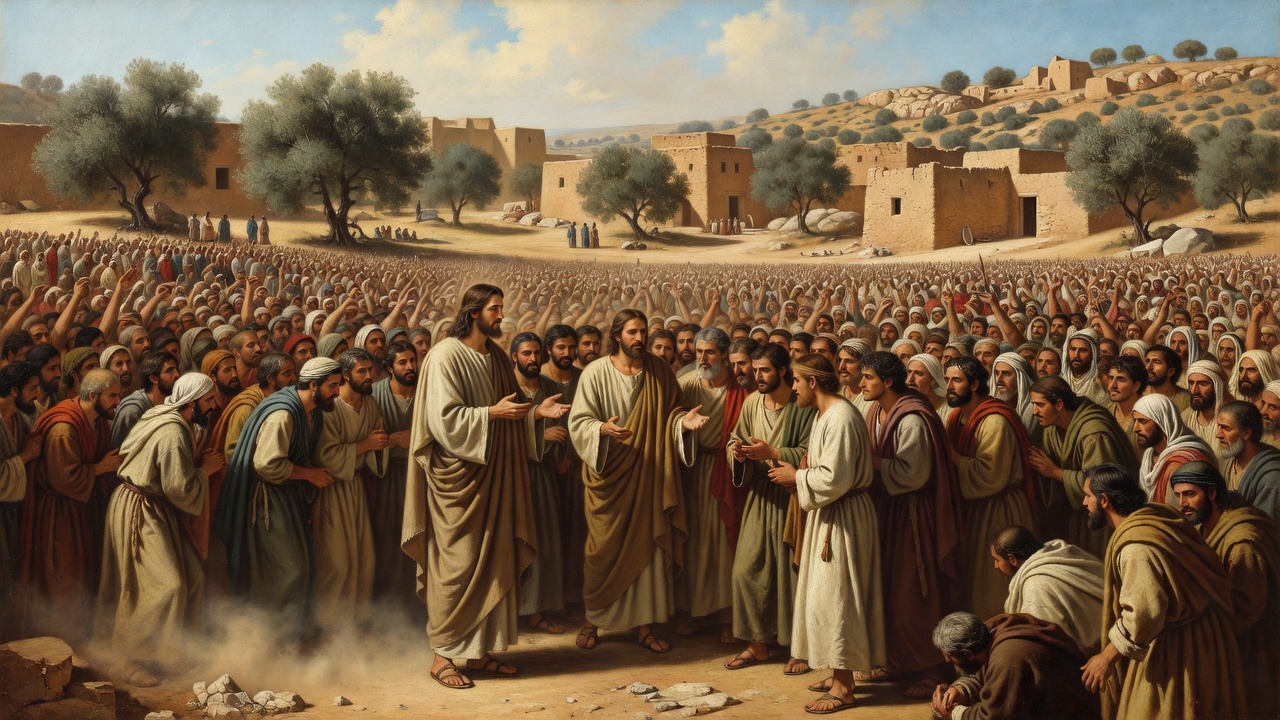
- The chapter opens with many thousands trampling one another as Jesus warns his disciples about the hypocrisy of the Pharisees and then tells parables. One list of events dates the woes and parables with the Pharisees to AD 29 and assigns them a length of one day.Sources: the Bible text itself · Woes and Parables with Pharisees
Notes written with AI assistance from open sources (Theographic Bible Metadata, CC BY-SA 4.0; Easton’s Bible Dictionary, public domain) and reviewed before publishing.
Credits and license for this translation
Bibiri Kuyie Nnɑ́ɑǹtì Pɑ́tíri
The Holy Bible in the Ditammari language of Benin
copyright © 2001 SIM International
Language: Ditammari
Translation by: SIM
This translation text is made available to you under the
terms of the Creative Commons License: Attribution-Noncommercial-No Derivative Works.
( http://creativecommons.org/licenses/by-nc-nd/3.0/ )
In addition, you have permission to port the text to different file formats, as long as you
do not change any of the text or punctuation of the Bible.
You may share, copy, distribute, transmit, and extract portions
or quotations from this work, provided that you include the above copyright
information:
You must give Attribution to the work.
You do not sell this work for a profit.
You do not make any derivative works that change any of the actual words or punctuation of the Scriptures.
Permissions beyond the scope of this license may be
available if you contact
us with your request.
This translation is made available to you under the terms of the
Creative Commons Attribution-No Derivatives license 4.0.
You may share and redistribute this Bible translation or extracts from it in any format, provided that:
You include the above copyright and source information.
You do not make any derivative works that change any of the actual words or punctuation of the Scriptures.
Pictures included with Scriptures and other documents on this site are licensed just for use with those Scriptures and documents.
For other uses, please contact the respective copyright owners.
2022-05-31
Source: http://ebible.org/tbzsim/ · eBible.org