Leviticus 19
Bibiri Kuyie Nnɑ́ɑǹtì Pɑ́tíri · Tap a verse to see its cross-references.
Kuyie ndɔ́ ti mpĩ́ mmɛ̀ɛ̀ botí ku tɔ̃mmú
1Kɛ̀ ti Yiɛ̀ nKuyie nni nsɔkɛ́ ku nɑ́ɑǹtì kɛ́bɛ́innɛ̀ Mɔyiisi kɛ dɔ̀: 2Nɑ́kɛ́ Isidɑyɛɛribɛ bɛmɔu kɛ tú:
Mí ndi Yiɛ̀ nKuyie mmíì di te, ndònnɛ̀ mpɑ́íí, kɛ yɛ̃́ n dòmmɛ̀ pɑ́íí nwe.
3Bɑ́ wè, wè ndé o yɔ̃ nɛ̀ o cicɛ kɛ́ntũ n di nɑ̀kɛ́ tì tɛom̀pùtɛ̀ kó diyiè kpɛ́í, mí ndi Yiɛ̀ nKuyie mmíì di te.
4Di bɑ́ɑ́ duɔ́ ndimɑ́ɑ̀ yɛbɔkɛ̀, di bɑ́ɑ́ yiɛ̀ ntimɑ́tì kɛ́utɛ́ sibɔɔtenkɑɑnìi, mí ndi Yiɛ̀ nKuyie mmíì di te.
5Kɛ̀ di yó m pɑ̃ fɛɔ̃̀fɛ̀ mɛtɑummɛ̀ kpɛ́í ndi fɛ̀ nni mpɑ̃ dɛ̀ bo yiennɛ̀mɛ̀ kɛ̀ n fɛ̀ cɔutɛ́. 6Kɛ̀ di fɛ̀ nni nfèútɛ́ di fɛ̀ cɑ̀ɑ́kɛ́ dɛ yiè nɛ̀ dɛ̀ bo wentɛ́mɛ̀, kɛ̀ fɛ̀ kpɑɑ́ kɛ tùɔ̀kɛnɛ̀ diyiè tɑ̃ɑ̃́nnì di fɛ̀ tùɔ. 7Kòò mɔù fɛ̀ cɑ̀ɑ́kɛ́ diyiè tɑ̃ɑ̃́nnì, dɛ yiɛ̀ n tɛ̃́nkɛ bɑ́ɑ́ ò cɔutɛ́, dɛ̀ ò sĩ̀nkùnnɛmu. 8Kɛ̀ wèè ì cɑ̀ɑ́kɛ́ weè tɔ dɛ kó mɛyɛi, nkɛ yɛ̃́ ò í ì wèńtɛ́ kɛ dò mbɛ̀ ì nni mpɑ̃. Bɛ̀ɛ ò dènnɛ Isidɑyɛɛribɛ miɛkɛ.
9Kɛ̀ di níí dɛ̀itɛ di pɑɑ nkó tidiitì di bɑ́ɑ́ tɑunnɛ̀ tìì bo di pɑɑ mmɑ̀nku, kɛ̀ di dɛ̀itɛ di diitì kɛ dèè di bɑ́ɑ́ kóntɛ́ kɛ́dɛ́rí. 10Kɛ̀ di mɛ ntɔ̃̀ũ dɛtie mbɛ̀ tu dɛ̀ fínyĩ̀ dɛ bɛ nyɛ, di bɑ́ɑ́ kóntɛ́ kɛ́tɑ̃nkɛ́ yɛbɛ yɛ̀ɛ̀ duò yoo dí dɛ́rí. Di níí yɛ̀ yóu bɛcĩ̀rìbɛ̀ nɛ̀ bɛpɔ̀ɔ̀bɛ̀ kpɛ́í. Mí ndi Yiɛ̀ nKuyie mmíì di te.
11Di miɛkɛ òmɔù bɑ́ɑ́ yúúkú o kou, yoo wèe ò soutɛ́ yoo wèe ò ciitɛ́. 12Di níí bɑ́ɑ́ pɑrìkɛ̀ nɛ̀ n yètìrì kɛ nɛ́ soú, kɛ̀ di dɔ̀ɔ̀ mɛmmɛ di cɑ̀ɑ̀rɛ̀ n yètìrì ndi mí ndi Yiɛ̀ nKuyie.
13Di miɛkɛ òmɔù bɑ́ɑ́ ciitɛ́ otɔù kɛ́di o kpɛrɛ, ò mɛ mbɑ́ɑ́ ò yùúkú, otɔ̃ntì kó tiyeti mɛ mbɑ́ɑ́ wentɛ́ di kóò mɔù borɛ̀. 14Di miɛkɛ òmɔù bɑ́ɑ́ sɑ̃́ɑ̃́ ndiɔ̃̀nnì, òmɔù mɛ mbɑ́ɑ́ dɔú mmɛdíímmɛ̀ kuyũ̀ɔ̃̀nkù kó kucɛ miɛkɛ. Di nni ndé. Mí ndi Yiɛ̀ nKuyie mmíì di te.
15Òmɔù bɑ́ɑ́ bekɛ́ tibeéntì mɛyɛi. Mɛbɑtimɛ̀ bɑ́ mbo, òmɔù bɑ́ɑ́ kónnɛ́ ocĩ̀rì, òmɔù mɛ mbɑ́ɑ́ yɔtɛ okperì. Bɑ́ wè ò níí bekɛ́ tibeéntì tì dò nwèe tì bekɛ́ mɛ̀ɛ̀ botí. 16Di miɛkɛ òmɔù bɑ́ɑ́ wɑ́tí o kou, òmɔù bɑ́ɑ́ tou nho kou tinɑ́ɑǹtì kɛ́nte kɛ̀ bɛ̀ɛ ò kùɔ. Mí ndi Yiɛ̀ nKuyie mmíì di te.
17Òmɔù bɑ́ nníí nho kou tɔù, kɛ̀ dɛ̀ nɛ́ dò nhɑ ò kpɑnnɛ̀, ɑ bɑ́ɑ́ yóu ɑ bo ò kpɑnnɛ̀mɛ̀ kɛ̀ dɛ̀ɛ̀ yie nkɑ̀ɑ bɑ́ɑ́ tɔ mɛyɛi mmɑmɛ̀. 18Di miɛkɛ òmɔù bɑ́ɑ́ pɛitɛ yoo ò nhu o kou mɛdɔ̀mmɛ̀, bɑ́ wè, wè ndɔ́ o kou tɔù ò dɔ́ mɛ̀ɛ̀ botí omɑ́ɑ̀. Míì tu di Yiɛ̀ nKuyie.
19Di ntũ n kuɔ́, òmɔù di miɛkɛ bɑ́ɑ́ yóu kòo wũɔ̃ ìì cɑ̃̀ɑ̃́ nkubotí kɛ̀ ìì dekɛ itɔbɛ̀, òmɔù bɑ́ɑ́ buɔtí kupɑku kùmɑ́ɑ̀ idibotí ìdɛ́ì ìì cɑ̃̀ɑ̃́. Òmɔù di miɛkɛ níí bɑ́ɑ́ dɑ́ɑ́tí tiyɑ̀ɑ̀tì tìì dùɔ̀kɛnɛ̀ mupɑɑ̀kómmú mùù cɑ̃̀ɑ̃́ nyibotí.
20Kòò mɔù duɔ́nɛ̀ kudɑɑkù, kɛ̀ dɛ̀ sɔ̃́ nhòmɔù kù cɛ̃, ò mɛ mmu nyí wɛ̃̀tɛ kɛ kù dontɛ́ ku yiɛ̀ mborɛ̀ ku yiɛ̀ mmɛ mmu nyí kù fĩ́ĩ, nwèe yietí kɛ́fɔ́ɔ́, mbɛ̀ mɛ mbɑ́ɑ́ bɛ̀ kùɔ, kɛ yɛ̃́ ò do kpɑɑ́ túmɛ̀ kudɑɑkù nku. 21Wèe wɑɑ́ ndipedɑɑ̀ mɛyɛi nhũtímù kpɛ́í, kɛ́ dì kɔ̀tɛnɛ̀ní mɛtɑummɛ̀ tou bòrìnùù. Mɛyɛi nhũtímù kó fɛɔ̃̀fɛ̀ nfɛ. 22Kɛ̀ ikuɔ́ nìùtìi dɔɔ̀ dɛ yiɛ̀ mmɛyɛi nhũtímù kó ikuɔ́ kɛ̀ nh ò cĩ̀ɛ̃́ mmɛyɛi nhò dɔ̀ɔ̀ mɛ̀.
23Kɛ̀ di tɑ dìì mɔ̀nnì Kɑnnɑhɑ̃ɑ̃ kó dihɛì kɛ fìíkú dɛtie ndɛ botí dɛ botí dɛ̀ɛ̀ pɛí, dɛ̀ pɛí yɛ̀ɛ̀ bɛ yó ntú yɛsĩ̀nyɛ nyɛ di kpɛ́í yɛbie nyɛ̀tɑ̃ɑ̃ti di bɑ́ nyɛ̀ yo. 24Dibenni nɑɑnnì kɛ̀ dí ɑ̃nnɛ́ dibɑnni kɛ́ n dɔunnɛ̀ mutɔ̃mmú kɛ́ yɛ̀ nni mpɑ̃ yɛmɔu. 25Dibenni nummurì ndi di yóó dimɛ̀ dɛ bɛ, kɛ́ yɛ̀ dɛ̀itɛ kɛ́ yɛ̀ ntú di kpɛyɛ. Mí ndi Yiɛ̀ nKuyie mmíì di te.
26Òmɔù bɑ́ɑ́ cɑ́ɑ́kɛ́ fɛɔ̃̀fɛ̀ bɛ̀ í fèútɛ́ fɛ̀ kɛ̀ fɛ yĩ̀ĩ̀ ncòú. Òmɔù bɑ́ mpɑ̃ũ̀ yoo wè ndɔɔri dɛnitinɔ̀nkpɛrɛ. 27Di níí bɑ́ɑ́ kuó kɛ́cíútɛ́, di mɛ nníí bɑ́ɑ́ kuó di nucìtì kɛ́soó nfɛdɛɛ̀nfɛ̀. 28Di níí bɑ́ ndɔɔri ikúsié kɛ yɔ́ú dimɑ́ɑ̀, di bɑ́ ndɔ́ú dimɑ́ɑ̀. Mí ndi Yiɛ̀ nKuyie mmíì di te.
29Òmɔù bɑ́ɑ́ duɔ́ nho birɛ tɛbɔɔcĩ́ɛ̃̀tɛ̀ kɛ́nte kɛ̀ dɛ̀ɛ tũnnɛ yɛbɔkɛ̀, kɛ́nte kɛ̀ dihɛì dimɔuu ndɛ dɔunɛ̀ kɛ dɔɔri isɔkɛ kpɛrɛ. 30Dí ntũ ndi nɑ̀kɛ́ tì tɛom̀pùtɛ̀ ĩ́nkɛ̀, kɛ́mmɔkɛ mɛtɑummɛ̀ tou kó kufɔ̃wɑɑ́.
31Di bɑ́ nkɔrì bɛ̀ɛ̀ bourí tinùbootì nɛ̀ bɛpɑ̃ɑ̃bɛ̀ borɛ̀, dɛ̀ di sĩnkùnkomu. Mí ndi Yiɛ̀ nKuyie mmíì di te.
32Kòo kótì níí tùɔ̀kɛní ɑ́ ítɛ́ kóò feí ndikɑ̀rì kɛ́ndé odɑkótì nɛ̀ dɛɛ̀ miɛkɛ nkɛ di bo bɛnkɛmɛ̀ kɛ dò ndi n dé, mí ndi Yiɛ̀ nKuyie.
33Kòo pɔ̀ɔ̀ kɔ̀tɛní kɛ di bonɛ̀ di bɑ́ nhò cií. 34Opɔ̀ɔ̀ wèè di bonɛ̀ dí nhò wùó nkɛ dò ndi kou, kɛ́ nhò dɔ́ di dɔ́ mɛ̀ɛ̀ botí dimɑ́ɑ̀, kɛ yɛ̃́ di múnkɛ do túmɛ̀ bɛpɔ̀ɔ̀bɛ̀ mbɛ Esibiti. Mí ndi Yiɛ̀ nKuyie mmíì di te.
35Di dɔɔ̀rìmɛ̀ ntú mɛ̀ɛ̀ wenni dɛmɔu miɛkɛ. Kɛ̀ di dɔ́ dìì mɔ̀nnì kɛ́bennɛ́ dɛ̀mɑrɛ̀ dɛ pɛ̃kùmɛ̀ yoo dɛ cɛ̃́ɛ̃́kù dí bennɛ́ kɛ̀ dɛ̀ nwenni. 36Di biepeé nɛ̀ di cìdóòbɛ̀ dɛ̀ níí ntú dɛ̀ɛ̀ wenni, kɛ̀ dí bennɛ́ kɛ̀ dɛ̀ nwenni. Mí ndi Yiɛ̀ nKuyie mmíì di te, kɛ di dènnɛní Esibiti.
37Dí mpĩ́ n di nɑ̀kɛ́ tì timɔu nɛ̀ n tié nyimɔu, kɛ́ndɔɔri dɛ̀ yɛ̃mmɛ̀. Míì tu di Yiɛ̀ nKuyie.
Did you know?
Holiness and Community Life
- Leviticus 19 contains the command to love your neighbor as yourself. It explicitly extends this same requirement to resident foreigners, reminding the Israelites that they were once strangers in the land of Egypt.Sources: the Bible text itself
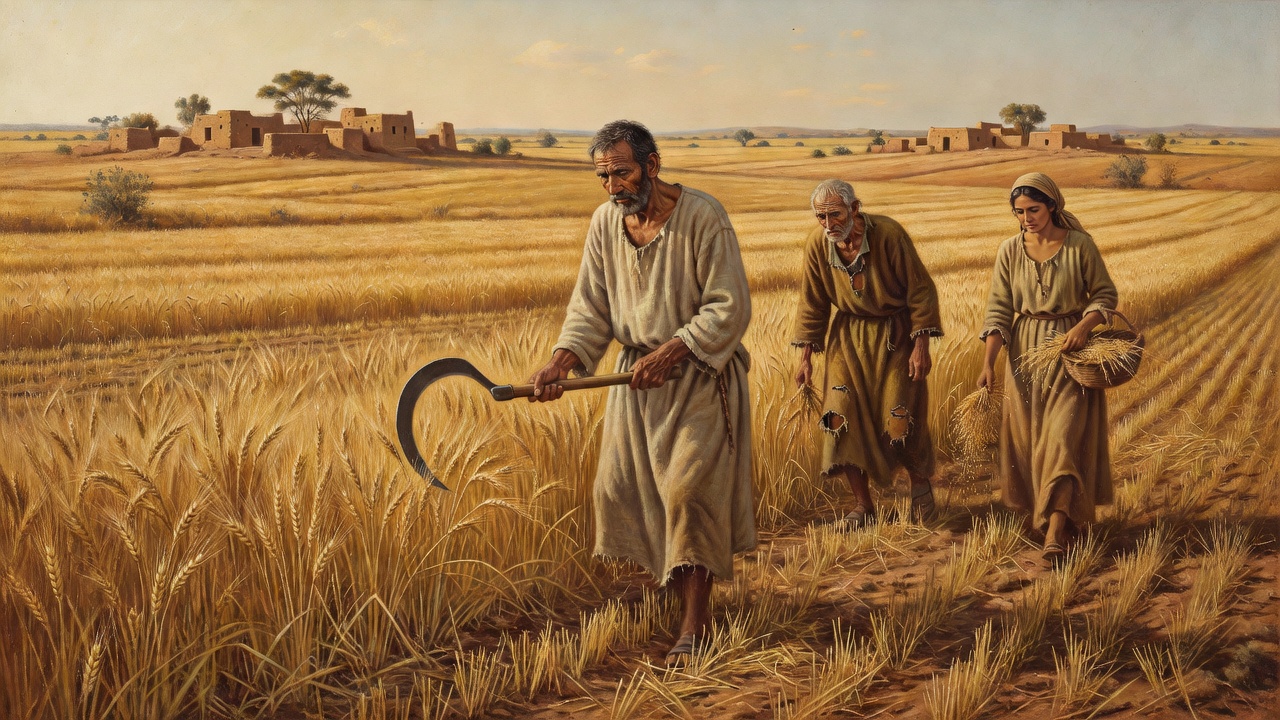
- The law required farmers to leave the outer edges of their fields unharvested and forbade gathering dropped grain or fallen grapes. These remaining crops were reserved specifically for the poor and the resident foreigner.Sources: the Bible text itself
- Holiness was tied directly to practical ethics, prohibiting actions such as cursing the deaf, placing a stumbling block before the blind, perverting justice, and withholding a laborer's wages overnight.Sources: the Bible text itself
Notes written with AI assistance from open sources (Theographic Bible Metadata, CC BY-SA 4.0; Easton’s Bible Dictionary, public domain) and reviewed before publishing.
Places in this chapter
Only places identified with high confidence are shown (90% or more according to the scholarly sources compiled by OpenBible). Period map: DARE (Digital Atlas of the Roman Empire), CC BY 4.0; modern map: © OpenStreetMap contributors; places: OpenBible.info (CC BY 4.0).
Credits and license for this translation
Bibiri Kuyie Nnɑ́ɑǹtì Pɑ́tíri
The Holy Bible in the Ditammari language of Benin
copyright © 2001 SIM International
Language: Ditammari
Translation by: SIM
This translation text is made available to you under the
terms of the Creative Commons License: Attribution-Noncommercial-No Derivative Works.
( http://creativecommons.org/licenses/by-nc-nd/3.0/ )
In addition, you have permission to port the text to different file formats, as long as you
do not change any of the text or punctuation of the Bible.
You may share, copy, distribute, transmit, and extract portions
or quotations from this work, provided that you include the above copyright
information:
You must give Attribution to the work.
You do not sell this work for a profit.
You do not make any derivative works that change any of the actual words or punctuation of the Scriptures.
Permissions beyond the scope of this license may be
available if you contact
us with your request.
This translation is made available to you under the terms of the
Creative Commons Attribution-No Derivatives license 4.0.
You may share and redistribute this Bible translation or extracts from it in any format, provided that:
You include the above copyright and source information.
You do not make any derivative works that change any of the actual words or punctuation of the Scriptures.
Pictures included with Scriptures and other documents on this site are licensed just for use with those Scriptures and documents.
For other uses, please contact the respective copyright owners.
2022-05-31
Source: http://ebible.org/tbzsim/ · eBible.org