Leviticus 11
Bibiri Kuyie Nnɑ́ɑǹtì Pɑ́tíri · Tap a verse to see its cross-references.
DƐ̀Ɛ̀ CI NƐ̀ DƐ̀Ɛ̀ Í CI
Isidɑyɛɛribɛ bo nyo nyìì wũ̀ɔ̃ nɛ̀ bɛ̀ bo nci ì
1Kɛ̀ ti Yiɛ̀ nKuyie nnɑ́kɛ́ Mɔyiisi nɛ̀ Anɔɔ kɛ dɔ̀: 2Nɑ́kɛ́nɛ̀ Isidɑyɛɛribɛ kɛ dɔ̀ n tú:
Ntɛnɛ̀ iwũɔ̃ nɛ̀ tiwɑnwɑntì di yó nyo ndɛ̀: 3Fɛɔ̃̀fɛ̀ yoo kuwɑnwɑnkù dɛ̀ɛ̀ kó yɛkpɛ̀ɛ̀tɛ̀ yɑ̀tɛ yɛ̀dɛ́ɛ̀ kɛ̀ dɛ̀ dukii, di bo nɑ kɛ́ ndɛ̀ yo, 4iwũɔ̃ yoo tiwɑnwɑntì dɛ̀ɛ̀ mɔ̀kɛ yɛkpɛ̀ɛ̀tɛ̀ kɛ dùkii. Ntɛ di yó nci dɛ̀:
Di bɑ́ nyo nyòyó bɑ́ nɛ̀ ò mɛ ndukiimɛ̀ o kpɛ̀ɛ̀tɛ̀ í yɑ̀tɛ.
5Di bɑ́ nyo ndisetiri bɑ́ nɛ̀ di mɛ ndukiimɛ̀ dì í mɔkɛ yɛkpɛ̀ɛ̀tɛ̀.
6Di bɑ́ nyo ntɛhòntɛ̀ bɑ́ nɛ̀ tɛ̀ mɛ ndukiimɛ̀ tɛ í mɔkɛ yɛkpɛ̀ɛ̀tɛ̀.
7Di bɑ́ nyo ndifɔ̃̀nkɛ̀rì bɑ́ di mɛ mmɔkɛmɛ̀ yɛkpɛ̀ɛ̀tɛ̀ kɛ̀ yɛ̀ yɑ̀tɛ, dì í dukii, ikuɔ́ dɛ̀ yetɛmu.
8Di bɑ́ ndɛ̀ yo nkɛ̀ dɛ̀ mɛ nku di bɑ́ɑ́ dɛ̀ kɑ̀ɑ́kɛ́, ikuɔ́ dɛ̀ yetɛmu.
9Ntɛ tiwɑnwɑntì mɛniɛ mmiɛkɛ kpɛti di bo nyo ntì: Siyĩĩ sìì kó dimɑ̀ɑ̀ mɔ̀kɛ icietí nɛ̀ yɛyíɛ́kɛ̀ kɛ̀ sì bo mɛniɛ mmiɛkɛ, dɑ̀mɛ́ɛ̀rì yoo ikó mmiɛkɛ di bo nɑ kɛ́ nsì yo. 10Sìì mɛ nyí mɔkɛ icietí nɛ̀ yɛyíɛ́kɛ̀ kɛ bo dɑmɛ́ɛ̀rì miɛkɛ yoo ikó mmiɛkɛ, nɛ̀ dɛsĩ́ntɛ́kpɛrɛ mɛniɛ mmiɛkɛ kpɛrɛ, di bɑ́ ndɛ̀ yo ikuɔ́ dɛ̀ yetɛmu. 11Di bɑ́ ndɛ̀ yo nkɛ̀ dɛ̀ mɛ nku di bɑ́ɑ́ dɛ̀ kɑ̀ɑ́kɛ́, ikuɔ́ dɛ̀ yetɛmu. 12Tiwɑnwɑntì tìì kó dimɑ̀ɑ̀ bo mɛniɛ mmiɛkɛ kɛ í mɔkɛ icietí nɛ̀ yɛyíɛ́kɛ̀ ikuɔ́ dɛ̀ yetɛmu.
13Sinɔɔ miɛkɛ, ntɛ di yó nci sì, di bɑ́ nsì yo ikuɔ́ dɛ̀ yetɛmu: Kumɑncònkù nɛ̀ ditúsɔ̀ù nɛ̀ dɑ̀mɛ́ɛ̀rì kó fɛtúúfɛ̀. 14Kuwɑ̀nkù nɛ̀ kutúbotí kumɔu. 15Nɛ̀ kukɑ̃kɑ̃botí kumɔu. 16Fɛcònfɛ̀ diɛfɛ̀ nɛ̀ dihonduò nɛ̀ tɛkónnɛ́nɔ̀tɛ̀ nɛ̀ fɛcĩrifɛ nɛ̀ kucĩntibotí kumɔu, 17nɛ̀ fɛkonkpɑ̀nfɛ̀, 18kucɑ́duonku nɛ̀ dikonnɛ́you nɛ̀ kuyómmúpɛ́íkù. 19Kutenkɑtíkɑ̀dɑ́ɑ́kù nɛ̀ kuyĩnwuokù kó kubotí kumɔu, nɛ̀ dikũntìbɑ́rì nɛ̀ kudéíkù.
20Yɛcɑndúɔ̀ nyɛ̀ɛ̀ mɔ̀kɛ tibɑ̀ɑ̀tì tìnɑ̀ɑ̀ kɛ í nɔ nkɛ puù, ikuɔ́ dɛ̀ yetɛmu. 21Yɛcɑndúɔ̀ mmiɛkɛ di bo nyo nyɛ̀ tu: Yɛ̀ɛ̀ mɔ̀kɛ tibɑ̀ɑ̀tì tinɑ̀ɑ̀ kɛ nɔ nkɛ puù. 22Di nyo nkucɑ́dɔ́mbotí kumɔu nɛ̀ fɛcofɛ nɛ̀ sibɛi. 23Dɛsɔnnɛ dɛ̀ɛ̀ mɔ̀kɛ tibɑ̀ɑ̀tì tinɑ̀ɑ̀ ikuɔ́ dɛ̀ yetɛmu.
Iwũɔ̃ nɛ̀ tiwɑnwɑntì bɛ̀ í dò nkɛ́ níí kɑ́ɑ́kɛ́ dɛ̀, dɛ̀ ku dìì mɔ̀nnì
24Iwũɔ̃ bomu nɛ̀ tiwɑnwɑntì kɛ̀ dɛ̀ ku kɑ̀ɑ dɛ̀ kɑ̀ɑ́kɛ́ ɑ sĩ̀ntɛmu dɛ kó diyiè kɛ́ntɔ kɛ́tuɔkɛnɛ̀ kuyuoku. 25Kɛ̀ wèè dɛ̀ tɔ wèe ɔ́ú o yɑ̀ɑ̀tì, ò sĩ̀ntɛmu dɛ kó diyiè kɛ́ntɔ kɛ́tuɔkɛnɛ̀ kuyuoku. 26Iwũɔ̃ yoo tiwɑnwɑntì dɛ̀ɛ̀ mɔ̀kɛ yɛkpɛ̀ɛ̀tɛ̀ bɑ́ yɛ̀ í yɑɑti dɛ̀ mɛ nyi dukii ikuɔ́ dɛ̀ yetɛmu. Kɛ̀ wèè dɛ̀ kɑ̀ɑ́kɛ́ ò sĩ̀ntɛmu. 27Iwũɔ̃ yoo tiwɑnwɑntì dɛ̀ɛ̀ mɔ̀kɛ itɑ̀ɑ̀kɛ ìnɑ̀ɑ̀ kɛ centì dɛ nɑɑ̀cɛ̀i yómmɛ̀ ikuɔ́ dɛ̀ yetɛmu. Kɛ̀ wèè dɛ̀ kɑ̀ɑ́kɛ́ ò sĩ̀ntɛmu dɛ yiè kɛ́ntɔ kɛ́tuɔkɛnɛ̀ kuyuoku. 28Ikuɔ́ dɛ̀ yetɛmu, kɛ̀ wèè dɛ̀ kɑ̀ɑ́kɛ́ wèe ɔ́ú o yɑ̀ɑ̀tì, o sĩ̀ntɛmu dɛ yiè kɛ́ntɔ kɛ́tuɔkɛnɛ̀ kuyuoku.
29Ntɛ tiwɑnwɑntì tìì bɑ̀ɑ̀ntɛ di yó nci tì: Tɛkɔ̀cɑ̃̀ɑ̃̀tɛ̀ nɛ̀ diyíù nɛ̀ kuhurímbotí kumɔu. 30Didukpɛ̃nnì nɛ̀ dikpeunnì nɛ̀ dikũri nɛ̀ kudɑɑ̀tìkonkonkù nɛ̀ kuwɑ̀ɑ̀tóntónkù. 31Tiwɑnwɑntì miɛkɛ di bɑ́ nyo ndɛ kó tiwɑnwɑntì, kɛ̀ kùmɑkù ku kɛ̀ wèè kù kɑ̀ɑ́kɛ́ ò sĩ̀ntɛmu dɛ kó diyiè kɛ́ntɔ kɛ́tuɔkɛnɛ̀ kuyuoku. 32Kɛ̀ dɛ kó kuwɑnwɑnkù mɑkù ku kɛ kɑ̀ɑ́kɛ́ kunɛnkù mɑkù, dɛ kó kunɛnkù sĩ̀ntɛmu, tinɛntì idɛí kpɛti nɛ̀ tiyɑ̀ɑ̀tì nɛ̀ kukɔ̃̀nkù nɛ̀ tidɔutì tinɛmpĩ́mpĩ́ntì timɔu bɑ́ kɛ̀ kùù nɛnkù botí nku. Dí kù ɔ̀útɛ́ kɛ̀ kù nsĩ̀ ndɛ kó diyiè kɛ́ntɔ kɛ́tuɔkɛnɛ̀ kuyuoku. Dɛ kó difɔ̃nkúò kɛ́wenkɛ. 33Kɛ̀ dɛ kó kuwɑnwɑnkù mɑkù tɑ kunɛnkù titɑ̃́tì kɔku miɛkɛ dí kù pɔ̀ntɛ. Dɛ̀ɛ̀ bo ku miɛkɛ di bɑ́ɑ́ dɛ̀ di, dɛ̀ sĩ̀ntɛmu. 34Kɛ̀ bɛ̀ mɛ nyɛ̃ntɛ́nɛ̀ dɛ kó kunɛnkù mɑkù mɛniɛ nkɛ ɑ̃nnɛ́ tidiitì bɛ̀ yo ntì, tì sĩ̀ntɛmu bɑ́ kɛ̀ mɛnɛ́sɑ̀ɑ̀mɛ̀ mmɛ bɛ̀ yɔ̃̀ mmɛ̀ mɛ̀ sĩ̀ntɛmu, bɑ́ kɛ̀ mɛ̀ ɑ̃ kùù nɛnkù botí miɛkɛ. 35Kɛ̀ dɛ kó tiwɑnwɑntì kó kùmɑkù do kunɛnkù mɑkù miɛkɛ kù sĩ̀ntɛmu, kɛ tɛfiuntɛ̀ miɛkɛ nkɛ yoo kɛdɛkɛ̀ mɑkɛ̀ dí dɛ̀ pɔ̀ntɛ, dɛ̀ sĩ̀ntɛmu kɛ yó ntú dɛ̀ɛ̀ sĩ̀ ndi kpɛ́í. 36Kɛ̀ dɛ̀ mɛ ndò nkuwɑnwɑnkù mɑkù do kufɔ̃̀tìkù yoo tɛbintɛ yoo kubinku mɑkù, mɛniɛ mmiɛ yó nwennimu, wèè kù wuotɛ́ weè sĩ̀ntɛ. 37Kɛ̀ kù mɛ ndo tidibotì miɛkɛ nkɛ, tì yó nkpɑɑ́ kɛ wennimu. 38Kɛ̀ dɛ̀ mɛ nsɔ̃́ mbɛ̀ tì búú nkɛ bo dimu, tì sĩ̀ntɛmu.
39Bɑ́ kɛ̀ kuwɑnwɑnkù di yo nkùnku, kɛ̀ kù ku kɛ̀ wèè kù kɑ̀ɑ́kɛ́ ò sĩ̀ntɛmu dɛ kó diyiè kɛ́ntɔ kɛ́tuɔkɛnɛ̀ kuyuoku. 40Kɛ̀ wèè kù cɑ̀ɑ́kɛ́ wèe ɔ́ú o yɑ̀ɑ̀tì, ò sĩ̀ntɛmu dɛ yiè kɛ́ntɔ kɛ́tuɔkɛnɛ̀ kuyuoku, wèè kù tùótɛ́ wèe ɔ́ú o yɑ̀ɑ̀tì, ò sĩ̀ntɛmu dɛ yiè kɛ́ntɔ kɛ́tuɔkɛnɛ̀ kuyuoku.
41Dɛbɑmbɑɑ̀nnɛ̀ kó dimɑ̀ɑ̀ di bɑ́ ndɛ̀ yo nyikuɔ́ dɛ̀ yetɛmu. 42Dɛ̀ɛ̀ kó dimɑ̀ɑ̀ fũrì dɛ pɔutì ĩ́nkɛ̀ nɛ̀ dɛ̀ɛ̀ bɑ̀ɑ̀ntɛ, dɛbɑmbɑɑ̀nnɛ̀ kó dimɑ̀ɑ̀ cɛ̃́nkɛ, di bɑ́ ndɛ yo, ikuɔ́ dɛ̀ yetɛmu. 43Di bɑ́ɑ́ ɑ̃nnɛ́ dimɑ́ɑ̀ isɔkɛ nɛ̀ dɛ kó dɛbɑmbɑɑ̀nnɛ̀ yoo di yóu kɛ̀ dɛ̀ di sĩnkùnnɛ di bɑ́ɑ́ yóu kɛ̀ dɛ̀ di cɑkɛ. 44Mí ndi Yiɛ̀ nKuyie mmíì di te kɛ̀ di dò nkɛ́ncɑ̃́ɑ̃́ nkɛ tú n kɔbɛ kɛ dò mpɑ́íí n dòmmɛ̀ pɑ́íí, di bɑ́ɑ́ yóu kɛ̀ dɛ kó dɛbɑmbɑɑ̀nnɛ̀ kó dɛ̀mɑrɛ̀ di sĩnkùnnɛ. 45Mí ndi Yiɛ̀ nKuyie míì di dènnɛní Esibiti, kɛ bo ndi te, ńdònnɛ̀ pɑ́íí kɛ yɛ̃́ n dòmmɛ̀ pɑ́íí.
46Kuyie mbɛ̀ duɔ́ nyìì kuɔ́ nyi, iwũɔ̃ nɛ̀ tiwɑnwɑntì nɛ̀ sinɔɔ nɛ̀ dɛ̀ɛ̀ kó dimɑ̀ɑ̀ bo mɛniɛ mmiɛkɛ nɛ̀ dɛbɑmbɑɑ̀nnɛ̀ dɛ kpɛ́í. 47Iì kuɔ́ yó nte kɛ̀ bɛ̀ mbɑɑ̀tì dɛ̀ɛ̀ ci nɛ̀ dɛ̀ɛ̀ í ci, bɛ̀ bo nyo ndɛ̀ nɛ̀ bɛ̀ bo nci dɛ̀.
Did you know?
Clean and Unclean Animals
- The dietary laws of Leviticus establish clear dual criteria for land and aquatic animals: land creatures had to both chew the cud and possess fully divided hooves to be eaten, while water creatures required both fins and scales.Sources: the Bible text itself
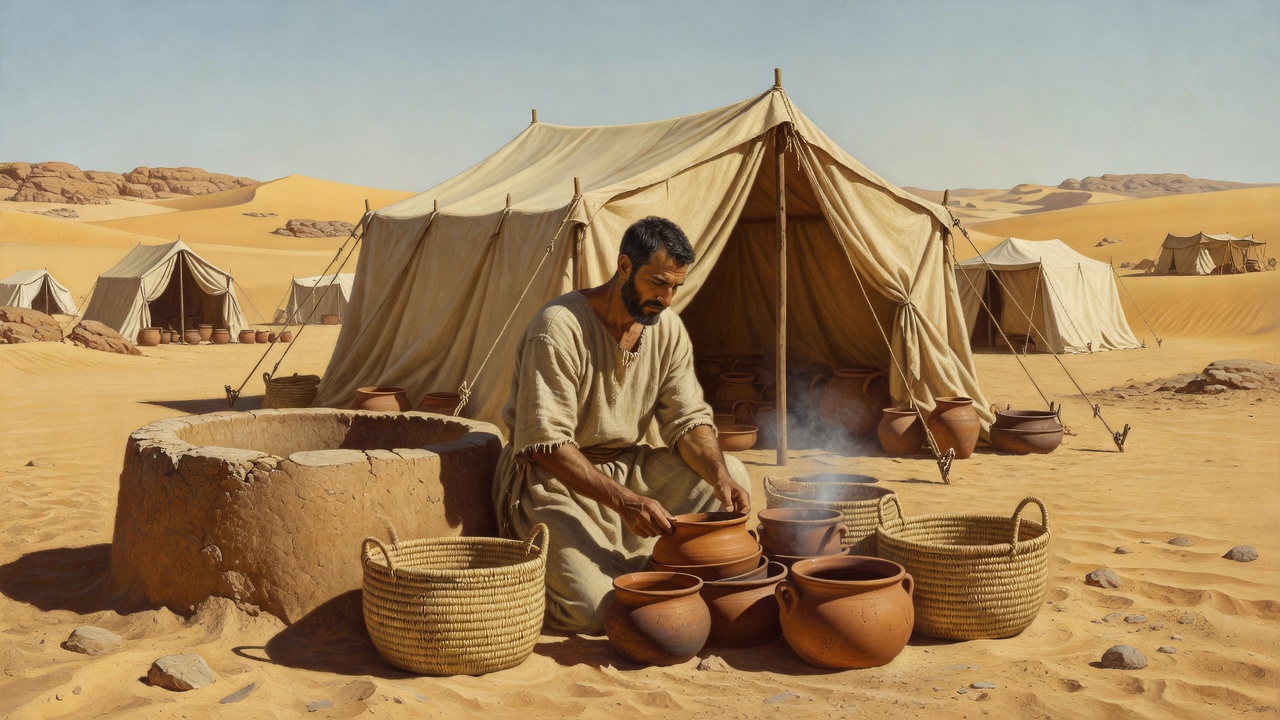
- Purity laws extended to household items: porous clay pots and ovens contaminated by the carcass of an unclean crawling creature could not be washed like wooden or cloth items, but had to be smashed entirely.Sources: the Bible text itself
- The stated theological purpose for distinguishing between clean and unclean creatures was Israel's consecration to God, who delivered them from Egypt and called them to be holy because He is holy.Sources: the Bible text itself · Egypt
Notes written with AI assistance from open sources (Theographic Bible Metadata, CC BY-SA 4.0; Easton’s Bible Dictionary, public domain) and reviewed before publishing.
Places in this chapter
- Egypt · 30.129, 31.308 · verse 45
Only places identified with high confidence are shown (90% or more according to the scholarly sources compiled by OpenBible). Period map: DARE (Digital Atlas of the Roman Empire), CC BY 4.0; modern map: © OpenStreetMap contributors; places: OpenBible.info (CC BY 4.0).
Credits and license for this translation
Bibiri Kuyie Nnɑ́ɑǹtì Pɑ́tíri
The Holy Bible in the Ditammari language of Benin
copyright © 2001 SIM International
Language: Ditammari
Translation by: SIM
This translation text is made available to you under the
terms of the Creative Commons License: Attribution-Noncommercial-No Derivative Works.
( http://creativecommons.org/licenses/by-nc-nd/3.0/ )
In addition, you have permission to port the text to different file formats, as long as you
do not change any of the text or punctuation of the Bible.
You may share, copy, distribute, transmit, and extract portions
or quotations from this work, provided that you include the above copyright
information:
You must give Attribution to the work.
You do not sell this work for a profit.
You do not make any derivative works that change any of the actual words or punctuation of the Scriptures.
Permissions beyond the scope of this license may be
available if you contact
us with your request.
This translation is made available to you under the terms of the
Creative Commons Attribution-No Derivatives license 4.0.
You may share and redistribute this Bible translation or extracts from it in any format, provided that:
You include the above copyright and source information.
You do not make any derivative works that change any of the actual words or punctuation of the Scriptures.
Pictures included with Scriptures and other documents on this site are licensed just for use with those Scriptures and documents.
For other uses, please contact the respective copyright owners.
2022-05-31
Source: http://ebible.org/tbzsim/ · eBible.org