Joshua 10
Bibiri Kuyie Nnɑ́ɑǹtì Pɑ́tíri · Tap a verse to see its cross-references.
Isidɑyɛɛribɛ nɑmɛ̀ Amɔriibɛ
1Kɛ̀ Adoni-Sedɛki Sedisɑdɛmmu kóo kpɑ̀ɑ̀tìi keè Sosuwee pɔ̀ntɛmɛ̀ Aii nɛ̀ o kóo kpɑ̀ɑ̀tì kɛ bɛ̀ kùɔ pɑ́íí ò do dɔ̀ɔ̀mɛ̀ Sedikoo nɛ̀ o kóo kpɑ̀ɑ̀tì, kɛ́keè Kɑbɑɔ̃ɔ̃ kɔbɛ tɑunnɛ̀mɛ̀ Isidɑyɛɛribɛ kɛ bo bɛ cuokɛ̀. 2Kɛ̀ kufɔ̃wɑɑ́ mbɛ̀ ɑutɛ́, kɛ yɛ̃́ yɛkpɑ̀ɑ̀tìhɛkɛ̀ miɛkɛ Kɑbɑɔ̃ɔ̃ do túmɛ̀ dihɛì diɛrì ndi kɛ pɛ̃ɛ̃tɛ́ Aii, kɛ̀ bɛkɔ̃m̀bɔ̀tiebɛ mɑ́ɑ̀ dì bo. 3Kɛ̀ Adoni-Sedɛki Sedisɑdɛmmu kóo kpɑ̀ɑ̀tìi tɔ̃ nkɛ̀ bɛ̀ɛ nɑ́kɛ́ Oɑmmu Ebunɔɔ kpɑ̀ɑ̀tì, nɛ̀ Pidɑmmu Yɑdimuti kpɑ̀ɑ̀tì, nɛ̀ Yɑfiɑ Dɑkiisi kpɑ̀ɑ̀tì nɛ̀ Debii Ekunɔɔ kpɑ̀ɑ̀tì kɛ dɔ̀: 4Kɔtɛnní kɛ́ n teennɛ̀ kɛ̀ ti kpɑnnɛ̀ Kɑbɑɔ̃ɔ̃ kɔbɛ kɛ yɛ̃́ bɛ̀ tɑunnɛ̀mɛ̀ Sosuwee nɛ̀ o kɔbɛ Isidɑyɛɛribɛ.
5Mɛm̀mɛ kɛ̀ Amɔriibɛ kó bɛkpɑ̀ɑ̀tìbɛ̀ bɛ̀nùmmùu wɛ̃nnɛ́nɛ̀ Sedisɑdɛmmu kou nɛ̀ Ebunɔɔ kou nɛ̀ Yɑdimuti kou nɛ̀ Dɑkiisi kou nɛ̀ Ekunɔɔ kou, kɛ́túótɛ́ bɛ ɑ̃ɑ̃pɔ̀ntĩ̀rɛ̀ kɛ́pi Kɑbɑɔ̃ɔ̃ kɔbɛ mudoò. 6Kɛ̀ Kɑbɑɔ̃ɔ̃ kɔbɛɛ tɔ̃ nSosuwee borɛ̀ Kidikɑɑdi kɛ̀ bɛ̀ɛ ò nɑ̀kɛ́ kɛ dɔ̀: Kɔtɛní kɛ́dɛɛtɛ́ ɑ kó bɛtɔ̃mbɛ̀, bɑ́ɑ́ yetɛ Amɔriibɛ kó bɛkpɑ̀ɑ̀tìbɛ̀ bɛ̀ɛ̀ bo yɛtɑ̃rɛ̀ ĩ́nkɛ̀ bɛɛ̀ wɛ̃nnɛ́ kɛ bo ti dokɛ́nɛ̀.
7Kɛ̀ Sosuwee pɑ̃̀nkɛɛ ítɛ́ Kidikɑɑdi nɛ̀ bɛhɑ̃ɑ̃pɔ̀mbɛ̀ nɛ̀ bɛkpɑ̀rìnuɔmbɛ. 8Kɛ̀ ti Yiɛ̀ nKuyie nnɑ́kɛ́ Sosuwee kɛ dɔ̀: A bɑ́ nyĩɛ̃̀kù m bɛ̀ ndɑ duɔ́mmu ɑ yóó bɛ̀ nɑmu bɛmɔu pɑ́íí, òmɔù bɑ́ɑ́ dɑ nɑ.
9Sosuwee nɛ̀ o kɔbɛ kɛ̀ bɛ̀ɛ ítɛ́ Kidikɑɑdi kɛ́nyié nkɛ kérí kɛyènkɛ̀ kɛmɔu kɛ́pi Amɔriibɛ bɑ́ bɛ̀ í yɛ̃́. 10Kɛ̀ ti Yiɛ̀ nKuyie nduɔ́ nkɛ̀ Amɔriibɛɛ bútínnɛ́ kɛ́cokɛ́ kɛ̀ Isidɑyɛɛribɛɛ nɑ Amɔriibɛ, kɛ́ bɛ̀ ɑutɛ́ Kɑbɑɔ̃ɔ̃, kɛ́ bɛ̀ bɛ̀ti Bɛti-Onɔɔ tɑ̃rì, kɛ́ mbɛ̀ kɔ̀ùtì kɛ́tuɔkɛnɛ̀ Asekɑɑ nɛ̀ Mɑkedɑɑ. 11Kɛ̀ Amɔriibɛɛ cokɛ́ kɛ́ncuti Bɛti Onɔɔ kɛ̀ ti Yiɛ̀ nKuyie ncṹũnní yɛmɑ́tɑ̃́rɛ̀ diɛyɛ̀ kɛ̀ yɛ̀ɛ bɛ̀ kùɔ kɛ̀ bɛ̀ nsũ kɛ́pɛ̃ɛ̃tɛ́ Isidɑyɛɛribɛ kùɔ bɛ̀ nɛ̀ yɛse.
12Ti Yiɛ̀ nKuyie nduɔ́ ndìì yiè Amɔriibɛ Isidɑyɛɛribɛ kɛ̀ bɛ̀ nkpɑ nkɛ̀ Sosuwee bɛ́i nyIsidɑyɛɛribɛ bɛmɔu ììkɛ̀ kɛ dɔ̀: Fɔ̃́ ndiyiè, cómmú Kɑbɑɔ̃ɔ̃ ĩ́nkɛ̀, fɔ̃́ nhotɑ̃̀nkù kɑ̀ɑ cómmú Ayɑnɔɔ biriku! 13Kɛ̀ diyièe cómmú, kòo tɑ̃̀nkùu cómmú, kɛ̀ Isidɑyɛɛribɛ yɑ̀ɑ nɑnɛ̀ bɛ dootitɔbɛ̀. Tì wɑ̃̀rimu Owenniwe pɑ́tíri miɛkɛ kɛ tú: Kɛ̀ diyiè ncómmú tiwɛtì cuokɛ̀ kɛ dɔ̀ diyiè difòùrì kɛ í tɑ. 14Kɛ̀ dɛ kó diyiè í dɔkɛ ti Yiɛ̀ nKuyie nyí yie ndiyiè mɑrì onìtì kpɛti mɛmmɛ kó kubotí. Ti Yiɛ̀ nKuyie nku mɔ́mmɔnku kuù do kpɑ nyIsidɑyɛɛribɛ kpɛ́í.
15Sosuwee nɛ̀ o kɔbɛ Isidɑyɛɛribɛ bɛmɔu kɛ̀ bɛ̀ɛ wɛ̃tɛ bɛ kɑ̀ri dɛ̀ Kidikɑɑdi.
Bɛkpɑ̀ɑ̀tìbɛ̀ bɛ̀nùmmù do sɔrimɛ̀ Mɑkedɑɑ tɑ̃dènkù
16Kɛ̀ Amɔriibɛ kpɑ̀ɑ̀tìbɛ̀ bɛnùmmùu cokɛ́ kɛ́sɔri Mɑkedɑɑ tɑ̃dènkù. 17Kɛ̀ bɛ̀ɛ nɑ́kɛ́ Sosuwee kɛ dɔ̀: Ti yɑ̀mu bɛkpɑ̀ɑ̀tìbɛ̀ bɛnùmmù kɛ̀ bɛ̀ cokɛ́ kɛ sɔ̀ri Mɑkedɑɑ tɑ̃dènkù. 18Kɛ̀ Sosuwee nɑ́kɛ́ bɛnìtìbɛ̀ kɛ dɔ̀: Biennɛ̀ yɛtɑ̃́diɛyɛ̀ kɛ́kpetínnɛ́ dibòrì kɛ́mbɑɑ. 19Nkpɑɑ́ bɛtìnɛ̀ di dootitɔbɛ̀, kɛ́ bɛ̀ dintɛ́, di bɑ́ɑ́ yie nkɛ̀ bɛ̀ɛ kò nti Yiɛ̀ nKuyie mbɛ̀ ndi duɔ́mmu.
20Sosuwee nɛ̀ o kɔbɛ Isidɑyɛɛribɛ kɛ̀ bɛ̀ɛ kuɔ Amɔriibɛ kɛ́ndɔ́ kɛ́ bɛ̀ dèè, kɛ̀ bɛ̀mɑbɛ̀ɛ nɑ kɛ́yentɛ́ kɛ́tɑɑ́ bɛ ɛkɛ̀ iduotí fitɛ́ yɛ̀. 21Kɛ̀ Isidɑyɛɛribɛɛ wɛ̃tɛ Mɑkedɑɑ bɛ̀ bɑ̀tɛ́ dɛ̀, òmɔù tɛ̃́nkɛ í ndɑ̀ɑ́tí kɛ bɛ̀ bɛ́innɛ̀ tìmɑtì.
22Kɛ̀ Sosuwee dɔ̀: Kpetɛ́nɛ̀ kutɑ̃dènkù kɛ́dennɛní bɛkpɑ̀ɑ̀tìbɛ̀ bɛnùmmù bɛmbɛ. 23Kɛ̀ bɛ̀ɛ kpetɛ́ kɛ́ bɛ̀ dènnɛní, Sedisɑdɛmmu kóo kpɑ̀ɑ̀tì nɛ̀ Ebunɔɔ kou nɛ̀ Yɑdimuti kou nɛ̀ Dɑkiisi kou, nɛ̀ Ekunɔɔ kou, kɛ́ bɛ̀ duɔ́ nSosuwee. 24Kòo yú Isidɑyɛɛribɛ bɛmɔu kɛ́nɑ́kɛ́ bɛ̀ɛ̀ do ò nɛínɛ̀ kɛ ni mudoò kɛ dɔ̀: Kɔtɛnní kɛ́nɑ bɛ fɔ̃̀níí. Kɛ̀ bɛ̀ɛ ì nɑ, kɛ̀ Sosuwee dɔ̀: 25Di bɑ́ nyĩɛ̃̀kù kɛ̀ di kɔ̃m̀bùɔ̀tì duò, tɛ̃ĩ́nnɛ̀ kɛ́yɑ́úkùnnɛ di kɔ̃̀ntì, ti Yiɛ̀ nKuyie nyóó dɔɔ̀ miɛ mmɛ di dootitɔbɛ̀ bɛmɔu. 26Dɛ kó difɔ̃nkúò kɛ́ bɛ̀ kùɔ, kɛ́sɑɑ ndɛtie ndɛ̀nùmmù. Kɛ̀ bɛ̀ nsɑkɛ nɛ̀ kuyuokoo.
27Diyiè tɑti dìì mɔ̀nnì kɛ̀ Sosuwee duɔ́ nkɛ̀ bɛ̀ɛ bɛ̀ cṹũnní kɛ́tɑnnɛ́ kutɑ̃dènkù bɛ̀ do sɔri kùù miɛkɛ, kɛ́ĩ́tínnɛ́ yɛtɑ̃́rɛ̀ diɛyɛ̀ kɛ̀ yɛ̀ kpɑɑ́ bo nɛ̀ yíenní.
Sosuwee nɑmɛ̀ kubɑkù cɑ̃̀nku kó yɛhɛkɛ̀
28Dɛ kó diyiè dimɑ́ɑ̀ miɛkɛ kɛ̀ Sosuwee pi Mɑkedɑɑ kó dihɛì kɛ́kuɔ okpɑ̀ɑ̀tì nɛ̀ bɛnìtìbɛ̀ bɛmɔu ò í nsùɔ́ nhòmɔù, kɛ́dɔɔ̀ okpɑ̀ɑ̀tì ò do dɔ̀ɔ̀mɛ̀ Sedikoo kou.
29Sosuwee nɛ̀ o kɔbɛ Isidɑyɛɛribɛ kɛ̀ bɛ̀ɛ ítɛ́ Mɑkedɑɑ kɛ́kɔtɛ kɛ́pi Dibunɑɑ ɛì kɔbɛ. 30Kɛ̀ ti Yiɛ̀ nKuyie mbɛ̀ duɔ́ ndɛ kó dihɛì kɛ̀ bɛ̀ɛ kuɔ okpɑ̀ɑ̀tì nɛ̀ bɛnìtìbɛ̀ bɛmɔu, bɛ̀ í nsùɔ́ nhòmɔù, kɛ́dɔɔ̀ okpɑ̀ɑ̀tì bɛ̀ do dɔ̀ɔ̀mɛ̀ Sedikoo kou.
31Sosuwee nɛ̀ o kɔbɛ Isidɑyɛɛribɛ kɛ̀ bɛ̀ɛ ítɛ́ Dibunɑɑ kɛ́kɔtɛ kɛ́bɑ́tɛ́ Dɑkiisi ɛì tɑkɛ́ kɛ́ dì pi. 32Kɛ̀ ti Yiɛ̀ nKuyie mbɛ̀ duɔ́ ndɛ kó dihɛì kɔbɛ kɛ̀ bɛ̀ɛ bɛ̀ nɑ diyiè dɛ́rì kɛ́kuɔ bɛnìtìbɛ̀ bɛmɔu bɛ̀ dɔ̀ɔ̀mɛ̀ Dibunɑɑ. Bɛ̀ í nsùɔ́ nhòmɔù. 33Kɛ̀ Odɑmmu Kesɛɛ kpɑ̀ɑ̀tìi bɑ́ɑ́tí kɛ́teennɛ̀ Dɑkiisi, kɛ̀ Sosuwee ò kùɔ nɛ̀ o kɔbɛ bɛmɔu, ò í nsùɔ́ nhòmɔù.
34Sosuwee nɛ̀ o kɔbɛ kɛ̀ bɛ̀ɛ ítɛ́ Dɑkiisi kɛ́bɑ́tɛ́ Ekunɔɔ ɛì tɑkɛ́ kɛ́ bɛ̀ pi kɛ́ bɛ̀ dokɛ́nɛ̀, 35kɛ́ bɛ̀ nɑ kɛ́kuɔ bɛnìtìbɛ̀ bɛmɔu dɛ yiè bɛ̀ dɔ̀ɔ̀ mɛ̀ɛ̀ botí Dɑkiisi ɛì kɔbɛ.
36Sosuwee nɛ̀ o kɔbɛ kɛ̀ bɛ̀ɛ ítɛ́ Ekunɔɔ kɛ́kɔtɛ Ebunɔɔ ɛì kɛ́ bɛ̀ pi kɛ́ bɛ̀ dokɛ́nɛ̀, 37kɛ́ bɛ̀ nɑ kɛ́kuɔ okpɑ̀ɑ̀tì nɛ̀ o nìtìbɛ̀, kɛ́pi yɛhɛkɛ̀ yɛ̀ɛ̀ dɛ̀ tɔ̀kɛ́ kɛ́kuɔ bɛnìtìbɛ̀ bɛmɔu, ò í nsùɔ́ nhòmɔù, ò dɔ̀ɔ̀ mɛ̀ɛ̀ botí Ekunɔɔ ɛì kɔbɛ.
38Sosuwee nɛ̀ o kɔbɛ kɛ̀ bɛ̀ɛ kóntɛ́ kɛ́wetínnɛ́ Debii ɛì kɔbɛ, kɛ́ bɛ̀ pi, kɛ́ bɛ̀ dokɛ́nɛ̀, 39kɛ́ bɛ̀ nɑ kɛ́kuɔ okpɑ̀ɑ̀tì kɛ́puɔ nyɛhɛkɛ̀ yɛ̀ɛ̀ dɛ̀ tɔ̀kɛ́ ò í nsùɔ́ nhòmɔù, kɛ́dɔɔ̀ Dibii kpɑ̀ɑ̀tì ò dɔ̀ɔ̀ mɛ̀ɛ̀ botí Ebunɔɔ kou nɛ̀ Dibunɑɑ kou.
40Kɛ̀ Sosuwee nɑ yɛhɛkɛ̀ yɛmɔu: Yɛtɑ̃rɛ̀ ĩ́nkɛ̀ kó bɛkpɑ̀ɑ̀tìbɛ̀ nɛ̀ kubɑkù cɑ̃̀nku kɔbɛ nɛ̀ kubiriku kɔbɛ nɛ̀ diyiè yìɛ̀ní kɛ̀ɛ̀ bíɛ́kɛ̀ kɔbɛ. Ò í nsùɔ́ nhòmɔù. Kɛ́ndònnɛ̀ ti Yiɛ̀ nKuyie nyIsidɑyɛɛribɛ tũ nkù do bɛ̀ nɑ̀kɛ́mɛ̀. 41Kɛ̀ Sosuwee nɑ Kɑdɛɛsi-Bɑnnɛɑ kɛ́ntɔ kɛ́tuɔkɛnɛ̀ Kɑsɑɑ diyiè yìɛ̀ní kɛ̀ɛ̀ bíɛ́kɛ̀ kubɑkù cɑ̃̀nku, kɛ́nɑ Kɔsɛnni kó kutempɛ̃ kɛ́ntɔ nkɛ́tuɔkɛnɛ̀ Kɑbɑɔ̃ɔ̃ diyiè yìɛ̀ní kɛ̀ɛ̀ bíɛ́kɛ̀ kubɑkù yoú. 42Kɛ̀ Sosuwee nɑ bɛkpɑ̀ɑ̀tìbɛ̀ bɛmɔu nɛ̀ bɛ ɛkɛ̀ kucɛ mɛ̀mɑ́ɑ̀. Ti Yiɛ̀ nKuyie nkuù do kpɑ nku kó bɛnìtìbɛ̀ Isidɑyɛɛribɛ kpɑ̀nnì. 43Dɛ kó difɔ̃nkúò Sosuwee nɛ̀ o kɔbɛ bɛmɔu kɛ̀ bɛ̀ɛ wɛ̃tɛ bɛ kɑrì Kidikɑɑdi.
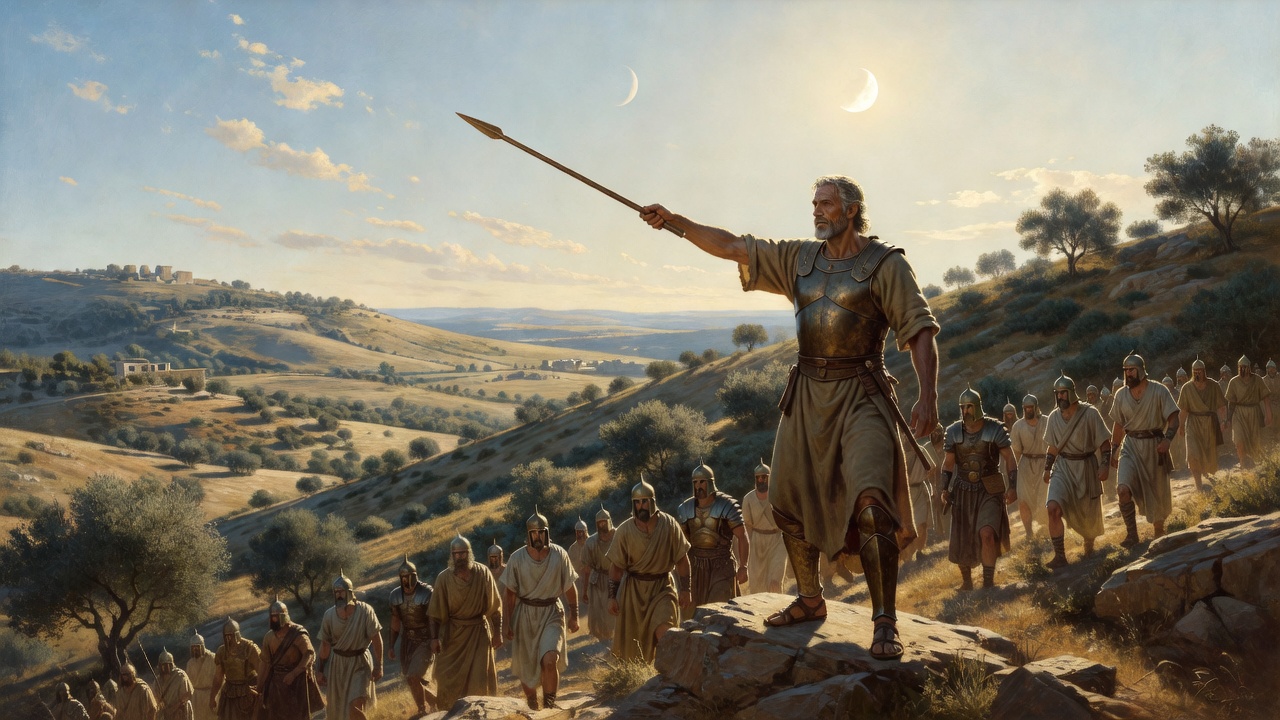
Did you know?
The Battle for Gibeon and the Southern Conquest
- When the large city of Gibeon made a peace treaty with Israel, Adoni-zedek of Jerusalem formed an alliance with four other Amorite kings from Hebron, Jarmuth, Lachish, and Eglon to attack it, prompting Gibeon to call on Joshua for aid.Sources: Gibeon · the Bible text itself
- The passage cites the Book of Jashar, an ancient Hebrew collection of songs and heroic deeds. Outside this battle account, the only other surviving quotation attributed to this lost collection in the biblical text is David's lament for Saul and Jonathan in 2 Samuel.Sources: Jasher · the Bible text itself
- During the retreat, the five allied kings hid in a cave at Makkedah. Joshua had large stones rolled across the entrance to seal them inside while the army pursued the fleeing forces, before later executing the kings and taking the city.Sources: Makkedah · Debir · the Bible text itself
Notes written with AI assistance from open sources (Theographic Bible Metadata, CC BY-SA 4.0; Easton’s Bible Dictionary, public domain) and reviewed before publishing.
Places in this chapter
- Gibeon · Today: El Jib · 31.847, 35.183 · verses 1, 2, 4, 5, 6, 7, 10, 12, 41
- Jericho · Today: Tell es Sultan · 31.872, 35.445 · verses 1, 28, 30
- Jerusalem · 31.777, 35.234 · verses 1, 2, 3, 5, 23
- Hebron · Today: Tel Rumeida · 31.525, 35.102 · verses 3, 5, 23, 36, 37, 39
- Jarmuth · Today: Tel Yarmuth · 31.708, 34.975 · verses 3, 5, 23
- Lachish · Today: Tell ed Duweir · 31.565, 34.849 · verses 3, 5, 23, 31, 32, 33, 34, 35
- Beth-horon · Today: Beit Ur al Tahta · 31.895, 35.084 · verses 10, 11
- Valley of Aijalon · Today: Ayalon Valley · 31.867, 34.959 · verse 12
- Gezer · Today: Tel Gezer · 31.859, 34.919 · verse 33
- Negeb · 31.245, 34.841 · verse 40
- Shephelah · 31.692, 34.875 · verse 40
- Gaza · Today: Tell Harube · 31.504, 34.464 · verse 41
Only places identified with high confidence are shown (90% or more according to the scholarly sources compiled by OpenBible). Period map: DARE (Digital Atlas of the Roman Empire), CC BY 4.0; modern map: © OpenStreetMap contributors; places: OpenBible.info (CC BY 4.0).
Credits and license for this translation
Bibiri Kuyie Nnɑ́ɑǹtì Pɑ́tíri
The Holy Bible in the Ditammari language of Benin
copyright © 2001 SIM International
Language: Ditammari
Translation by: SIM
This translation text is made available to you under the
terms of the Creative Commons License: Attribution-Noncommercial-No Derivative Works.
( http://creativecommons.org/licenses/by-nc-nd/3.0/ )
In addition, you have permission to port the text to different file formats, as long as you
do not change any of the text or punctuation of the Bible.
You may share, copy, distribute, transmit, and extract portions
or quotations from this work, provided that you include the above copyright
information:
You must give Attribution to the work.
You do not sell this work for a profit.
You do not make any derivative works that change any of the actual words or punctuation of the Scriptures.
Permissions beyond the scope of this license may be
available if you contact
us with your request.
This translation is made available to you under the terms of the
Creative Commons Attribution-No Derivatives license 4.0.
You may share and redistribute this Bible translation or extracts from it in any format, provided that:
You include the above copyright and source information.
You do not make any derivative works that change any of the actual words or punctuation of the Scriptures.
Pictures included with Scriptures and other documents on this site are licensed just for use with those Scriptures and documents.
For other uses, please contact the respective copyright owners.
2022-05-31
Source: http://ebible.org/tbzsim/ · eBible.org