Joel 2
Bibiri Kuyie Nnɑ́ɑǹtì Pɑ́tíri · Tap a verse to see its cross-references.
Bɛ̀ nɑ̀kɛ́mɛ̀ Kuyie mbeéntì kó diyiè kpɛ́í
1Kɛ̀ ti Yiɛ̀ nKuyie mpɑ̃ɑ̃nɑ́ɑǹtì nɑ́ɑǹtò bɛ́i nkɛ dɔ̀:
Eénɛ̀ ditɑ̃tɛheù, pĩɛ̃kɛ́nɛ̀, ti Yiɛ̀ nKuyie ntɑ̃sɑ̀ɑ̀rì Siyɔ̃ɔ̃ ĩ́nkɛ̀.
Dihɛì kɔbɛ di kɔ̃̀ntì dò nkɛ́kpeutɛmu,
kɛ yɛ̃́ ti Yiɛ̀ nKuyie mbeéntì yiè duunnímɛ̀,
dì tùɔ̀kɛnímu kɛ dèè.
2Dɛ yiè dɛ̀ yóó biitɛmu kɛ́sɔutɛ,
Dɛ yiè yɛwɛtɛ̀ bo dɑ́tínnɛ́ nɛ̀ kupɑ̃̀kù,
kubotí kperíkù kuù kèríní kɛ sũ mɛsɑ̀ɑ̀ nkɛ kpeńnì,
kɛ bo dɑ́tínnɛ́ kɛ̀ dɛ̀ɛ sɔutoo,
dɛ yiè dɛ̀ bo ndò ndiúrìkɛ̀pɑ̀nnì ɔ̃ɔ̃ ketɛ́mɛ̀ yɛtɑ̃rɛ̀ ĩ́nkɛ̀.
Dɛ kó diyiè botí mu nyí buotɛ́
dì mɛ nyí kpɑɑ́ kɛ bo buotɛ́ nɛ̀ ti bo mbomɛ̀, bìtì!
3Bɛ̀ kèríní mmuhɑ̃ɑ̃́ nkɔ̃mɛ mmɛ kɛ cɔ́untoo,
kɛ cɔ́u nfɛhɑ̃ɑ̃dɛɛ̀nfɛ̀ tɛ̃mɛ̀,
kɛtenkɛ̀ do dò nkupúú sɑ̀ɑ̀kù Edɛnni nwe bɛ̀ kèríní dìì mɔ̀nnì
kɛ̀ bɛ̀ yóó pɛ̃ɛ̃tɛ́ kɛ̀ kɛ̀ɛ nɑɑ́ ntɛdɔntɛ̀,
bɛ̀ í yóó súɔ́ ndɛ̀mɑrɛ̀.
4Bɛ̀ kèríní kɛ dònnɛ̀ sisɛ̃ĩ́ nsi,
kɛ̀ bɛ tɑ̀rɛ̀ dònnɛ̀ sikpɑ̀rìnɑɑsɛ̃ĩ́ kpɛyɛ,
5Bɛ̀ cokùmu kɛ cɑ̃́nnì yɛtɑ̃rɛ̀,
kɛ̀ bɛ nɔɔ̀roo dònnɛ̀ sikpɑ̀rìnɑɑsɛ̃ĩ́ kɔku,
kɛ uuti kɛ dònnɛ̀ muhɑ̃ɑ̃́ nhɔ̃ ncɔ́úmmɛ̀ dikpɑ́ɑ̀,
kɛ dònnɛ̀ bɛhɑ̃ɑ̃pɔ̀mbɛ̀ ɔ̃ɔ̃ bɑ́ɑ́tímɛ̀ kɛ́nkɔri dikpɑ̀nnì.
6Kɛ̀ bɛnìtìbɛ̀ɛ keè bɛ kpɛ́í kɛ̀ kufɔ̃wɑɑ́ mbɛ̀ ɑutɛ́
kɛ̀ bɛ ììkɛ̀ɛ ceetɛ.
7Bɛ̀ kèrí nɛ̀ dikɔ̃m̀bùɔ̀ ndi, kɛ séí iduotí bɛhɑ̃ɑ̃pɔ̀mbɛ̀ kɔ̃mɛ,
bɑ́ wè kòò tũ̀ nho cɛ,
bɑ́ òmɔù í dɑurí.
8Bɑ́ wè kòò tũ̀ nho cɛ bɑ́ òmɔù í kɔɔ́nnɛ̀ otɔù.
Bɑ́ kɛ̀ bɛ̀ tɑ̃ũ ipie, mbɛ̀ nhuróo bɛ̀ bɑ́ɑ́ yɑtɛnɛ̀ bɛtɔbɛ̀.
9Bɛ̀ ɔ̃ɔ̃ munnɛ́mu kɛ́do dihɛì,
kɛ séí iduotí kɛ dekù sicɛ̃́ĩ,
kɛ tɑɑ̀ sibòo bɛyóóbɛ̀ kɔ̃mɛ,
10Kɛtenkɛ̀ bɛ nyɑ̀ kɛ ɑu, kɛ̀ tiwɛtì sɑ̃̀nti,
diyiè nɛ̀ otɑ̃̀nkù kɛ̀ dɛ̀ sɔ̀ùtɛ,
bɑ́ siwɑ̃̀ɑ̃ tɛ̃́nkɛ í pɛ́ì.
11Kɛ̀ ti Yiɛ̀ nKuyie nni bɛ ììkɛ̀ kɛ pɛ́ú mɛtɑmmɛ̀,
ku ɑ̃ɑ̃pɔ̀mbɛ̀ í sénní,
wèè bɛ̀ ni o wɛ̃rímú í sénní,
ti Yiɛ̀ nKuyie mbeéntì kó diyiè diɛrì ndi
diyonkuri mɛdiɛ̀, we mbo nɑ kɛ́yentɛ́ dɛ yiè?
Kuyie nnɑ̀kɛ́mɛ̀ ti dòmmɛ̀ kɛ́ceètɛ
12Kɛ̀ ti Yiɛ̀ nKuyie mbɛ́i nkɛ dɔ̀:
Mí ndi Yiɛ̀ nKuyie mmíì tu:
Wɛ̃tɛnɛ̀ní m borɛ̀ nɛ̀ di yɛ̀mmɛ̀ mɛmɔu,
boúnɛ̀ yɛnɔ̀ kɛ́kɔmmú yɛdɑbùò kɛ́ n sɑutɛnɛ̀.
13Ceetɛnɛ̀ di yɛ̀mmɛ̀ mmɛ kɛ́mbúútí di bo kɛ̃rímɛ̀ di yɑ̀ɑ̀tì,
wɛ̃tɛnɛ̀ní mí ndi Yiɛ̀ nKuyie m borɛ̀.
N sɑ̀ɑ̀ ndɛumu kɛ̀ m mɔ̀kɛ mɛsémmɛ̀,
kɛ̀ m miɛkɛ boo kɛ̀ n dɔ̀ɔ̀ri m bɛ́i ntì,
kɛ̀ n dɔ́ kɛ́dɔɔ̀ onìtì mɛyɛi n wɛ̃tɛ kɛ́yóu.
14Kɛ̀ dɛ̀ nɑɑti n ceetɛ n yɛ̀mmɛ̀
kɛ́ di dɔɔ̀ mɛsɑ̀ɑ̀ nkɛ̀ di diitìi piɛ́,
kɛ̀ di nɑ kɛ́wɛ̃tɛ kɛ́ m pɑ̃mmú tidiitì nɛ̀ mɛnɑɑ̀.
Bɛ̀ nɑ̀kɛ́mɛ̀ bɛ̀ dòmmɛ̀ kɛ́boú dinùù kɛ́bɑ́ntɛ̀ Kuyie
15Eénɛ̀ ditɑ̃tɛheù Siyɔ̃ɔ̃ tɑ̃rì,
ikúnɛ̀ mɛnùboúmmɛ̀ kó dikɑ̃̀tìrì,
dɔúnnɛ̀ mɛtíímmɛ̀ kó diyiè,
16Tíínnɛ̀ bɛnìtìbɛ̀, dɔúnnɛ̀ Kuyie mbɑ́ɑmmu kó diyiè,
tíínnɛ̀ bɛkótíbɛ̀ nɛ̀ bɛbɛ́mbɛ̀ nɛ̀ ibíbɛ́nní.
Wèè puokɛ bɑ̀mbɑ̀ nkòo yɛ̀nní,
kòo sɑpòmpɔ̀ɔ̀ yɛ̀nní o toutɛ.
17Díndi ikuɔ́ nìùbɛ̀ bɛ̀ɛ̀ pĩ nyikuɔ́ tɔ̃mmú,
cómmúnɛ̀ kukpɑ̃́nkpɑ̃́nkù nɛ̀ diwũɔ̃tɔ̀nnì dɛ cuokɛ̀,
kɛ́kuɔ́nnɛ̀ ti Yiɛ̀ nKuyie, nkɛ́ kù bɑ́ntɛ̀ kɛ dɔ̀:
Ti Yiɛ̀ nKuyie nhɑ́ ti cĩ́ɛ̃́ ntínti ɑ nìtìbɛ̀,
bɑ́ɑ́ yóu kɛ̀ tí tɑ ifɛi miɛkɛ yɛbotɛ̀ ììkɛ̀.
Yɛ̀ yɑ̀ɑ̀ bo ti dɑɑ́ kɛ dɔ̀:
Yé di Yiɛ̀ nKuyie ndi tũ nkù borɛ̀?
Kuyie ncɔutɛ́mɛ̀ bɛ bɑ́ɑmmìi
18Mɛm̀mɛ kɛ̀ ti Yiɛ̀ nKuyie mbɛnkɛ kù dɔ́mɛ̀ ku kɔbɛ tenkɛ̀ mɛdiɛ̀,
kɛ̀ mɛsémmɛ̀ kù mbɛ̀ bonɛ̀.
19Kɛ̀ kùu bɛ̀ nɑ̀kɛ́ kɛ dɔ̀:
N yóó di duɔ́nkomu tidiitì nɛ̀ mɛnɑɑ̀,
nɛ̀ mɛkɔpɑ̀mmɛ̀ kɛ̀ di mmɔkɛ kɛ̀ dɛ̀ di sɑnnɛ̀,
bɑ́ yɛbotɛ̀ tɛ̃́nkɛ bɑ́ ndi dɑú.
20Di dootitɔbɛ̀ kubɑkù yoú kɔbɛ,
n yóó bɛ̀ fũ̀ũ̀mmu, n yóó bɛ̀ bɛ̀timu,
kɛ́ bɛ̀ tɑnnɛ́ dikpɑ́ɑ̀ tɛdɔntɛ̀.
Bɛ̀ɛ̀ bɛ̀ ni m borɛ̀ bɛ̀too dɑ̀mɛ́ɛ̀rì diyiè yìɛ̀ní kɛ̀ɛ̀ bíɛ́kɛ̀ kou bíɛ́kɛ̀,
kɛ́bɛtoo bɛ̀ɛ̀ bɛ̀ tũ̀ ndɑ̀mɛ́ɛ̀rì diyiè tɑɑ̀ kɛ̀ kou bíɛ́kɛ̀,
kɛ̀ bɛ̀ɛ kú kɛ́pɑ̃ɑ̃kɛ kɛ̀ kunɔ́úu dɑ́tínnɛ́.
N yóó pĩ́ mmùù tɔ̃mmú dɛumu.
21Fɔ̃́ nkɛtenkɛ̀, ɑ bɑ́ nyĩɛ̃̀kù,
ɑ yɛ̀mmɛ̀ nnɑɑti kɑ̀ɑ nyɑ̃nku nɛ̀ diwɛ̀ì,
ti Yiɛ̀ nKuyie mpĩ mmùù tɔ̃mmú dɛumu.
22Díndi tiwɑnwɑntì di bɑ́ nyĩɛ̃̀kù!
Mɛmúpɑ̀mmɛ̀ bitírímu dinɑɑcɛ̃nhòò,
kɛ̀ dɛtie mpɛí,
fìkíè nɛ̀ fínyĩ̀ kpɛrɛ kɛ̀ dɛ̀ yùnnɛ yɛbɛ.
23Díndi Siyɔ̃ɔ̃ ɛì kɔbɛ dɛ̀ ndi nɑɑti kɛ̀ di nyɑ̃nku nɛ̀ diwɛ̀ì,
di Yiɛ̀ nKuyie nkó kucɛ miɛkɛ,
kuù di duɔ̀nní fɛtɑɑfɛ̀ fɛ mɔ̀nnì,
kɛ bo di dɛɛtɛ́,
kuù duɔ̀nní fɛtɑketifɛ̀ fɛ mɔ̀nnì
nɛ̀ diyɔ̃ɔ̃̀ kɔfɛ nɛ̀ fɛtɑdentifɛ̀,
dɛ̀ do dòmmɛ̀ nɛ̀ dimɔ̀nnì.
24Tidiitì píɛmmu iyiɛ́,
kɛ̀ mɛnɑɑ̀ nnɛ̀ mɛkɔpɑ̀mmɛ̀ kɛ̀ dɛ̀ píɛ nyɛconkuyɛ.
25Kuyie ntu kù yóó di yietímu,
kù do tɔ̃nní yɛbiɛ̀ nɛ̀ fɛcofɛ nɛ̀ sibɛi
nɛ̀ yɛcɑ́dúɔ̀ nkɛ̀ dɛ̀ɛ cɑ́ɑ́kɛ́ dɛ̀.
26Di yóó dimu kɛ́dɛ, nkɛ nkù sɑ̃ntí,
kunku kùù dɔ̀ɔ̀ tidiɛtì di kpɛ́í,
kù tu ku nìtìbɛ̀ tɛ̃́nkɛ bɑ́ɑ́ di ifɛi, bìtì!
27Di bo bɑntɛ́ kɛ dò nkù bo di cuokɛ̀,
díndi ku nìtìbɛ̀, kɛ̀ di kù tũ̀,
nkɛ̀ otɔù mɔù í bo kɛ kù mɑ̀nnɛ̀.
Kù tu ku nìtìbɛ̀ tɛ̃́nkɛ bɑ́ɑ́ di ifɛi bìtì nɛ̀ bɛ̀ bo mbomɛ̀.
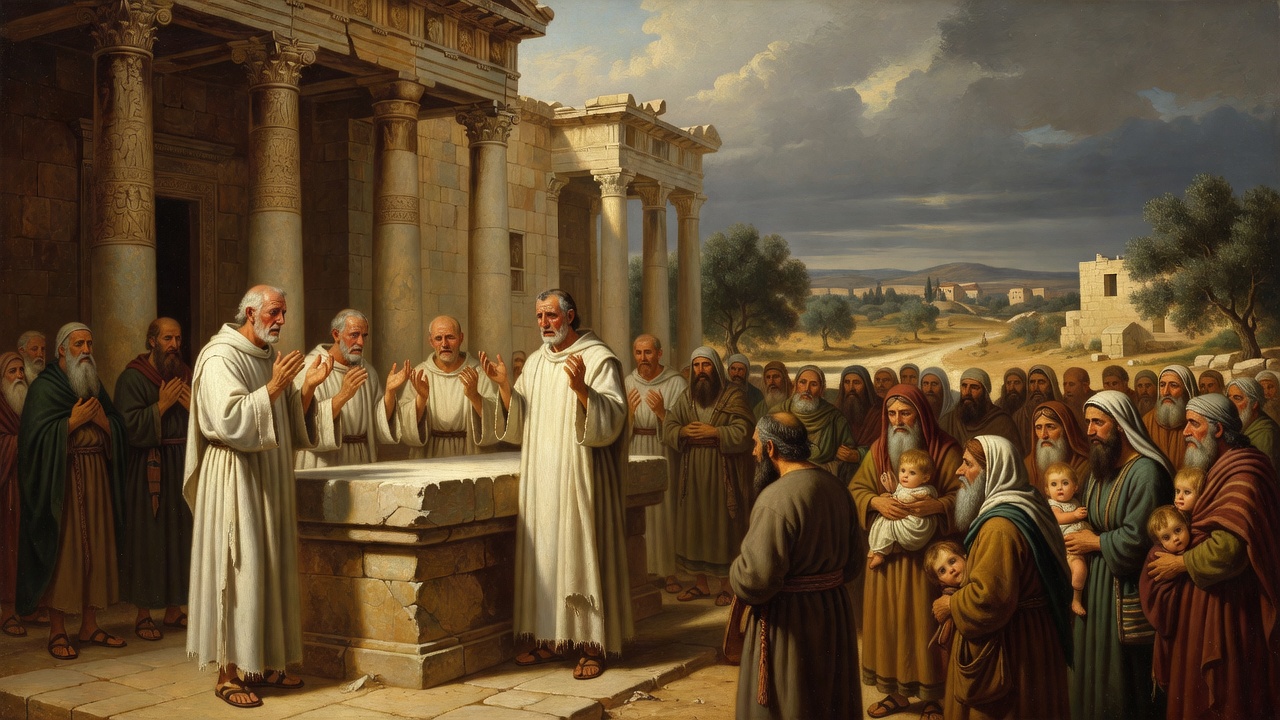
Did you know?
The Day of the LORD and Call to Repentance
- Joel portrays the catastrophic devastation of the advancing swarm by comparing the fertile land before them to the Garden of Eden, while behind them remains only a barren desert wasteland.Sources: the Bible text itself · Eden
- While tearing clothing was a standard outward expression of grief and mourning in the ancient Near East, the prophet urges the community to rend their hearts instead of their garments, emphasizing genuine inward repentance.Sources: the Bible text itself
- Mount Zion, the hill in Jerusalem where King David established his citadel, serves both as the vantage point where the alarm horn is blown and as the promised location of deliverance for the remnant.Sources: the Bible text itself · Mount Zion · Jerusalem
Notes written with AI assistance from open sources (Theographic Bible Metadata, CC BY-SA 4.0; Easton’s Bible Dictionary, public domain) and reviewed before publishing.
Places in this chapter
- Zion · Today: Jerusalem · 31.777, 35.234 · verses 1, 15, 23
- Great Sea · Today: Mediterranean Sea · 31.805, 34.170 · verse 20
- Salt Sea · Today: Dead Sea · 31.500, 35.500 · verse 20
- Jerusalem · 31.777, 35.234 · verse 32
- Mount Zion · 31.772, 35.229 · verse 32
Only places identified with high confidence are shown (90% or more according to the scholarly sources compiled by OpenBible). Period map: DARE (Digital Atlas of the Roman Empire), CC BY 4.0; modern map: © OpenStreetMap contributors; places: OpenBible.info (CC BY 4.0).
Credits and license for this translation
Bibiri Kuyie Nnɑ́ɑǹtì Pɑ́tíri
The Holy Bible in the Ditammari language of Benin
copyright © 2001 SIM International
Language: Ditammari
Translation by: SIM
This translation text is made available to you under the
terms of the Creative Commons License: Attribution-Noncommercial-No Derivative Works.
( http://creativecommons.org/licenses/by-nc-nd/3.0/ )
In addition, you have permission to port the text to different file formats, as long as you
do not change any of the text or punctuation of the Bible.
You may share, copy, distribute, transmit, and extract portions
or quotations from this work, provided that you include the above copyright
information:
You must give Attribution to the work.
You do not sell this work for a profit.
You do not make any derivative works that change any of the actual words or punctuation of the Scriptures.
Permissions beyond the scope of this license may be
available if you contact
us with your request.
This translation is made available to you under the terms of the
Creative Commons Attribution-No Derivatives license 4.0.
You may share and redistribute this Bible translation or extracts from it in any format, provided that:
You include the above copyright and source information.
You do not make any derivative works that change any of the actual words or punctuation of the Scriptures.
Pictures included with Scriptures and other documents on this site are licensed just for use with those Scriptures and documents.
For other uses, please contact the respective copyright owners.
2022-05-31
Source: http://ebible.org/tbzsim/ · eBible.org