Job 33
Bibiri Kuyie Nnɑ́ɑǹtì Pɑ́tíri · Tap a verse to see its cross-references.
Ediu bɛ́immɛ̀ kɛ tú Kuyie nhɔ̃ɔ̃ cɑummu onìtì
1Fɔ̃́ nyIsɔbu kéntɛ́ kɛ́keè n dɔ́ kɛ́ bɛ́i ntì:
Keè n dɔ́ kɛ dɑ́ nɑ́kɛ́ tì timɔu.
2Nh ɑ̀ɑ̀tɛmu n nùù kɛ dèè,
kɛ̀ n nɔ́ndɛnfɛ̀ nɑmpú n nùù miɛkɛ.
3Nɛ̀ mɛyɛ̀mmɛ̀ mɛmɑ́ɑ̀ ndi n yó nnɑ́ɑ́mmɛ̀,
N dɔ́ kɛ́nɑ́kɛ́ n yɛ̃́ dɛ̀ ndɛ weti weti.
4Kuyie nkó muyɑɑ́ mmuù n dɔ̀ɔ̀,
muwɛ̃rímú mumɔu yiɛ̀ nkó muyɑɑ́ mmuù te kɛ̀ n fòù.
5Kɑ̀ɑ bo nɑ kɛ́ n kpɛ̃́nnɛ́ tinɑ́ɑǹtì,
ɑ bɑ́ɑ́tí kɛ́nwɑ̃kɛ́ kɛ̀ ti mɑ́útɛ́.
6Mí nnɛ̀ fɔ̃́ nKuyie mborɛ̀ ti mɑmu òmɔù í pɛ̃ɛ̃tɛ́ otɔù,
bɛ̀ ti dɔ̀ɔ̀nɛ̀ mutɑ̃́ɑ̃́ mmu tidɛ́.
7A tũ mbɑ́ nni nyĩɛ̃̀kù kɑ̀ɑ bùɔ̀tì duò,
N yí yóó dɑ bɛnkɛ tikpetì.
8A bɛ́i ntì n tì kèèmu,
ɑ tɑnnɔ̀ yɛ̀nní kɛ tɑmu n to.
9Kɑ̀ɑ tu ɑ wennimu Kuyie nyììkɛ̀ kɛ í mɔkɛ mɛyetímɛ̀,
kɛ dò mpɑ́í pɑ́í kɛ í mɔkɛ mɛyɛi mmɑmɛ̀.
10Kuyie nkuu mɛ nyɑ̀mu kù dɑ sɛi ntìì ĩ́nkɛ̀,
kɛ dɑ wúó nku dootitɔù.
11Kɛ tɑ̀ú nhɑ nɑɑ̀cɛ̀i timɑ́tì,
kɛ pɑkɛ́ ɑ nɑcɛ̀fɔ̃̀tɛ̀ yɛmɔu ɑ kérí yɛ̀.
12Isɔbu mí m bo dɑ nɑ́kɛ́ kɛ̀ ǹ dɔ̀ ɑ cɑ̀ɑ̀rɛ̀mu dɛborɛ̀,
ɑ í nɑɑti Kuyie ndɛumu, onìtì í dò nkɛ́ kù nɛ̀nninɛ̀.
13Dɛ̀ dòmmɛ kɑ̀ɑ kù sɛ́í?
We mbo nɑ kɛ́tɛ̃́nnɛ́ kù bèkú tì timɔu?
14Kuyie nhɔ̃ɔ̃ bɛ́imu mɛ mborimɛ miɛkɛ yoo nɛ̀ mɛtɛ̃mɛ̀ miɛkɛ kɛ̀ ti mɛ mbɑ́ ndɑkɛ.
15Kù ɔ̃ɔ̃ bɛ́imu nɛ̀ tidɔùntì kɛyènkɛ̀,
bɛnìtìbɛ̀ duɔ́ dìì mɔ̀nnì kɛ̀ bɛ nuɔ ncĩɛ̃kɛ, kɛ̀ bɛ̀ yɛ̃̀ nkɛ duɔ́.
16Dɛ mɔ̀nnì ndi kù ɔ̃ɔ̃ bɛnkɛmɛ̀ bɛnìtìbɛ̀ kù dɔ́ kɛ́ bɛ̀ bɛnkɛ tì,
kɛ́ bɛ̀ cɑu mmɛsɔmmɛ.
17Kù ɔ̃ ndɔ́ kɛ́pɑɑnnɛ̀ onìtì nwe mutɔ̃mmú yɛimu,
kɛ́pɑtɛnɛ̀ onitikperì tɛfentɛ̀ tɛ̀ɛ̀ nɑ nhò pĩ.
18Kù ɔ̃ ndɔ́ kóò dɛɛtɛ́nɛ̀ kufɔ̃ti nku,
kɛ́nte kɛ̀ wèe yentɛ́nɛ̀ mukṹṹ nkó fɛcìɛ̀fɛ̀.
19Kuyie nhɔ̃ɔ̃ bɔntɛ́ mɔ̀nnì mɑrì onìtì mɛfɛ̃́ṹtímɛ̀,
kóò dɔú ndidɔ́ù kɛ bo yṹɔ̃́ nho to nyɛ.
Kɛ̀ kuyonku ncɑ́ɑ́ nho kɔ̃̀ntì timɔu,
20kɛ́nte kɛ̀ wèè pɛ̃ mmudiì mumɔu,
ò do nɔnnɛ̀ tìì diitì tɛ̃́nkɛ bɑ́ nhò nɑɑti.
21Kòo kɔ̃̀ntìi mɔ́tɛ́ kɑ̀ɑ wèńtɛ́ ɑ bɑ́ɑ́ yɑ̀ tì kɔ̀tɛ kɛ̀.
Kòo kṹɔ̃̀ yɛ̀ɛ̀ do sɔri kɛ̀ yɛ̀ɛ feitɛ́.
22O nɑɑ̀cɛ̀tɛ̀ tɛɛ̀ nɑ̀ kufɔ̃ti bɛ̀nnì,
kòò duúnnɛ̀ kudɔnkù.
23Kɛ̀ dɛ̀ nɑɑti Kuyie ntɔ̃nnì mɑrì dìì nɑ̀ɑ́ nti kpɛ́í
Kuyie mborɛ̀ dì bo yɛ̀nní Kuyie ntɔ̃rɛ̀ tɛkɔupíítɛ̀ (1000) miɛkɛ
dìì nɑ̀ɑ́ mbɛnìtìbɛ̀ bɛ̀ dò nkɛ́ndɔɔri mɛ̀.
24Kɛ̀ mɛsémmɛ̀ɛ pĩ́ nKuyie nkɛ̀ kù dɔ̀:
Dɛɛtɛ́nɛ̀ we kòò bɑ́ɑ́ tɑ kufɔ̃ti.
Kɛ̀ ku tɔ̃nnì dɔ̀ m pɛ̀tɛ́mu tidonti o kpɛ́í.
25Dɛ mɔ̀nnì kòo wɛ̃tɛ kɛ́hɛ̃nkɛ́ kɛ́sũũ̀kɛ̀ kɛ́nɑɑ́ nhobíɛ̀,
kɛ́nɑɑ́ nhò do cɛ̃ntí kɛ dòmmɛ̀.
26Dɛ mɔ̀nnì kòò kuɔ́nnɛ̀ Kuyie nkùu ò kèńtɛ́,
kòò nkɔri ku cĩ́ɛ̃̀tɛ̀ nɛ̀ diwɛ̀ì kɛ yɛ̃́ kù yóó tũntɛmɛ̀ o kpɛti.
27Kòo ndiè nkɛ nɑ́ɑ́ mbɛnìtìbɛ̀ bɛmɔu kɛ tú:
N cɑ̀ɑ̀rɛ̀mu kɛ yetɛ́nɛ̀ ikuɔ́ kù mɛ nyí n yietí n yɛi.
28Kù n dontɛ́mu bɑ́ n wɛ̃nnì í tɑti kudɔnkù, kɛ̀ n kpɑɑ́ fòù kɛ wúó nkuwenniku.
29Kuyie mpĩ mmuù tɔ̃mmú onìtì kpɛ́í,
kɛ kónnì kucɛ mɛ̀dɛ́mɛ̀ mɛ̀tɑ̃ɑ̃ti dɛ̀ bèkú mɛ̀.
30Kɛ̀ dɛ̀ bo yie nkɛ̀ kùu ò dènnɛní kufɔ̃ti,
kòo wɛ̃tɛ kɛ́yɑ̀ bɛfòùbɛ̀ wùó nkùù wenniku.
31Isɔbu kéntɛ́ kɛ́keè n tú mù,
yĩ́ só kɛ̀ m̀ bɛ́i.
32Kɑ̀ɑ mɔ̀kɛ tìmɑtì kɛ bo bɛ́i nhɑ́ bɛ́i,
n dɔ́mu kɛ dɑ duɔ́ nkunɑɑtí.
33Kɑ̀ɑ mɛ nyí mɔkɛ tìmɑtì ɑ́ nni nkémmú,
ɑ yĩ́ só kɛ̀ n dɑ́ bɛnkɛ mɛciì.
Did you know?
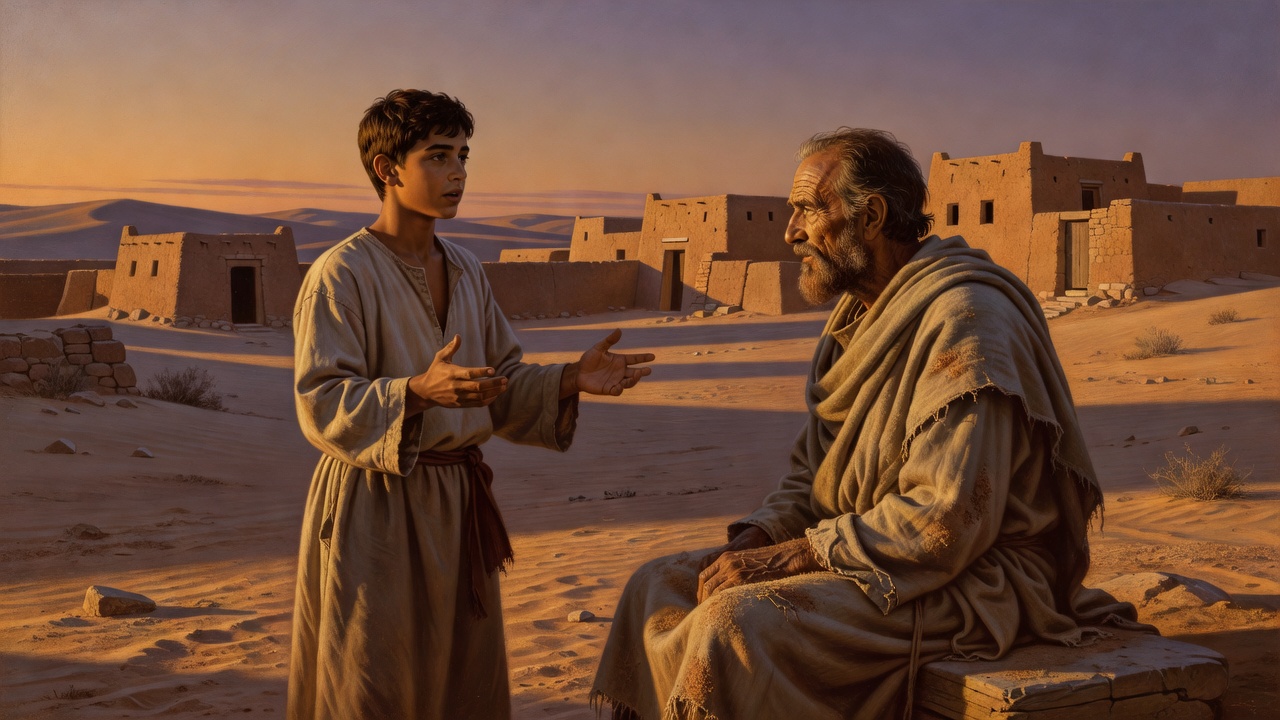
Elihu Speaks on God's Discipline and Mediation
- Elihu approaches Job not with overwhelming authority, but as a fellow mortal created by the breath of God and shaped from clay. He assures Job that he will not use intimidation or physical force to overpower him in their debate.Sources: the Bible text itself
- In response to Job's complaint that God remains silent, Elihu argues that God speaks repeatedly through nocturnal dreams, visions, and physical suffering. According to Elihu, these painful experiences serve a disciplinary purpose to turn people from pride and preserve them from the Pit.Sources: the Bible text itself
- Elihu describes the possibility of an angelic messenger or mediator who can intercede for a suffering person and declare a ransom. This divine intervention restores the person's physical vitality and enables joyful reconciliation with God.Sources: the Bible text itself
Notes written with AI assistance from open sources (Theographic Bible Metadata, CC BY-SA 4.0; Easton’s Bible Dictionary, public domain) and reviewed before publishing.
Credits and license for this translation
Bibiri Kuyie Nnɑ́ɑǹtì Pɑ́tíri
The Holy Bible in the Ditammari language of Benin
copyright © 2001 SIM International
Language: Ditammari
Translation by: SIM
This translation text is made available to you under the
terms of the Creative Commons License: Attribution-Noncommercial-No Derivative Works.
( http://creativecommons.org/licenses/by-nc-nd/3.0/ )
In addition, you have permission to port the text to different file formats, as long as you
do not change any of the text or punctuation of the Bible.
You may share, copy, distribute, transmit, and extract portions
or quotations from this work, provided that you include the above copyright
information:
You must give Attribution to the work.
You do not sell this work for a profit.
You do not make any derivative works that change any of the actual words or punctuation of the Scriptures.
Permissions beyond the scope of this license may be
available if you contact
us with your request.
This translation is made available to you under the terms of the
Creative Commons Attribution-No Derivatives license 4.0.
You may share and redistribute this Bible translation or extracts from it in any format, provided that:
You include the above copyright and source information.
You do not make any derivative works that change any of the actual words or punctuation of the Scriptures.
Pictures included with Scriptures and other documents on this site are licensed just for use with those Scriptures and documents.
For other uses, please contact the respective copyright owners.
2022-05-31
Source: http://ebible.org/tbzsim/ · eBible.org