Job 21
Bibiri Kuyie Nnɑ́ɑǹtì Pɑ́tíri · Tap a verse to see its cross-references.
Isɔbu tɛ̃̀ńnɛ́mɛ̀ Sofɑɑ koò nɑ̀kɛ́ bɛyɛibɛ kpɛrɛ yíémmɛ̀
1Kɛ̀ Isɔbuu bɛ́i nkɛ dɔ̀:
2Kéntɛ́nɛ̀ kɛ́keè,
kɛ̀ di kèè n tú mù dɛɛ̀ yó m bɑ́ntɛ̀.
3Mmɔkɛnɛ̀ mɛminnímɛ̀ kɛ́ m pɑ̃ mɛfíè kɛ̀ m bɛ́i,
kɛ̀ m bɛ́i nkɛ dèè di bo nɑ kɛ́ndɑú.
4Bɛnìtìbɛ̀ mbɛ n nɑ́ɑ́mmɛ̀ n kpɛtɑɑ̀?
Mɛminnímɛ̀ mɛ̀ nni ndòńtɛ́mɛ̀ n nɑɑtimu.
5Wɛ̃ɛ̃tɛnɛ̀ní m bíɛ́kɛ̀ kɛ̀ dɛ̀ di di,
kɛ̀ di mpĩ́ ndi nɔ̀.
6Nh ɔ̃ɔ̃ wéntɛ́ tìì n tùɔ̀kɛní kɛ̀ dɛ̀ n kɔkɛ́nɛ̀mu,
bɑ́ m bɑ́ɑ́ nɑ kɛ́pĩ́ m mɑ́ɑ̀.
7Bɑ nte kɛ̀ bɛyɛibɛ kpɑɑ́ kɛ fòù,
bɑ nte kɛ̀ bɛ̀ kòtírí kɛ wĩɛ̃ti kɛ bɛ́nkú?
8Kɛ̀ bɛ yɑɑ̀bí ɔ̃ɔ̃ kótɛ́ní kɛ̀ bɛ̀ nwɛ̃ nkɛ bo,
kɛ̀ bɛ kó yɛpɑ̀ɑ̀ mbitírí bɛ nuɔ mmiɛkɛ?
9Kɛ̀ bɛ kpɛrɛ kérí sɛ́i bɑ́ idebìi í bɛ̀ bo,
bɑ́ Kuyie nkó didùɔ̀ í bɛ̀ puotì?
10Bɑ́ dinɑɑdɑtɑnnì í bo bɛ nɑɑdɑkɛ̀ miɛkɛ,
kɛ̀ ini puo nkɛ pɛí bɑ́ ì í cuunko?
11Kɛ̀ bɛ bí putì yɛnɑɑ̀pɑ̀ɑ̀ nkɔ̃mɛ,
kɛ yɑ̃nku siweí kɔ̃mɛ?
12Kɛ̀ bɛ̀ dìè nkɛ bie ntikùtìdùùtì,
nɛ̀ tikɑ̃penti kɛ eu itɑ̃rí kɛ yɑ̃nku?
13Kɛ̀ bɛ̀ ɔ̃ mbo mɛtuɔ̀ mmiɛkɛ kɛ̀ bɛ we yɑ̀ɑ deènɛ̀,
kɛ̀ bɛ̀ɛ tɑroo kudɔnkù dɛndɛ bɑ̀mbɑ̀,
bɑ́ dɛ̀ í tùɔ̀kɛ fɛnɔ̀nfɛ̀ kóo kɑ̃́míí.
14Bɛmbɛ bɛ̀ɛ̀ nɑ̀ɑ́ nKuyie nkɛ tú:
fũtɛ ti borɛ̀, ti í wɑnti kɛ́yĩ́ɛ̃́tɛ́ ɑ kó icɛ.
15We ntu muwɛ̃rímú mumɔu yiɛ̀ nkɛ̀ ti bo nhò tũ̀?
Ti yóó nhò bɑ̀ɑ́ kɛ́cɔ̃ntɛ bɑ?
16Dɛ kó bɛnìtìbɛ̀ yɛ̀mmɛ̀ dò mbɛ̀ bo nɑ kɛ́tuɔ́ nnɛ̀ bɛmɑ́ɑ̀ ndi,
Mí nyie n yí yóó yie mbɛyɛibɛ kó itié.
17Kuyie mmiɛkɛ duò bɛyɛibɛ mbɛ sɑ̃́ɑ̃̀?
Kù í bɛ̀ nyietì bɛ yɛi sɑ̃́ɑ̃̀?
Bɛɛ̀ míìnfɛ̀ kɔ̃ nsɑ̃́ɑ̃̀?
18Bɛɛ̀ nɑɑ̀ ntimútì sɑ̃́ɑ̃̀ kɛ̀ kuyɑɑkùu bɛ̀ tóúɑ̀?
Bɛɛ̀ ɔ̃ɔ̃ yĩ́ timútì sɑ̃́ɑ̃̀ kɛ̀ tɛfɔ̀dɔ́ntɛ̀ɛ bɛ̀ tùótɑ́ɑ̀?
19Díndi mɛ ntúmɛ̀ Kuyie nhɔ̃ɔ̃ potɛ́ bɛɛ̀ kó ibí,
kù do dò nkɛ bɛ mpotɛ́ bɛ mɔ́mmɔmbɛ kɛ̀ bɛ̀ɛ bɑntɛ́.
20Oyɛiwe o mɔ́mmuɔ nweè do dò nkɛ́di mɛsémmɛ̀,
weè dò nkɛ́keè Kuyie mmuwɛ̃rímú mumɔu yiɛ̀ nkó kɛmiɛkɛ o kɔ̃̀ntì.
21Oyɛiwe kpɛti í bonɛ̀ dɛ̀ nɑɑ yó ndòmmɛ̀ o cĩ́ɛ̃̀tɛ̀,
o tɑ̃̀ɑ̃̀bɛ̀ bo tuɔkɛ dìì mɔ̀nnì bɛ mɑ̀nku.
22Yɑ́ɑ̀ dɛ̀ nɛ́ dò ntí tì tiémmu Kuyie nkɛ̀ kùu tì yĩ̀ɛ̃́tɛ́?
Kunku kùù bɑkɛ́ ku tɔ̃rɛ̀ kɛĩ́nkɛ̀.
23Bɛ̀mɑbɛ̀ ɔ̃ ntúmu bɛnitisɑ̀ɑ̀bɛ̀ kɛkú,
kɛ kɑri bɑ̀mmùù kɛ̀ dɛ̀ bɛ̀ nɑɑti kɛ̀ bɛ̀ yɑ̀ɑ kúnɛ̀.
24Kɛ̀ bɛ kpeyɔ píɛ́kɛ́ mɛkùɔ̀,
kɛ̀ bɛ kṹɔ̃̀ pìɛ́kɛ́ mɛfemmɛ.
25Kɛ̀ bɛtɔbɛ̀ ḿbo mɛyɛǹcɑɑ̀rìmɛ̀ miɛkɛ kɛ yɑ̀ɑ kúnɛ̀,
bɑ́ bɛ̀ í yĩ̀ɛ̃́tɛ́ diwɛ̀ì diyiè mɑrì.
26Bɛmɔu nɑ́kɛ mɛmmɛ bɛ̀ ɔ̃ɔ̃ duɔ́o mutɑ̃́ɑ̃́ mmiɛkɛ nkɛ,
kɛ̀ yɛbiɛ̀ɛ bɛ̀ cɑ̀ɑ́kɛ́ bɛmɔu.
27N yɛ̃́mu di yɛ̀mmɛ̀ pɑ́íí,
n yɛ̃́mu di n wúónnɛ̀ tì.
28Di tú dìì mɔ̀nnì:
Yé weè kpɑ̀ɑ̀tì cĩ́ɛ̃̀tɛ̀ kɔ̀tɛ kɛ̀?
Yé bɛnitiyɛibɛ do bo dìì fii cuó nkɛ̀?
29Di í békú bɛcɛpɛ̃̀mbɑ̀ɑ̀?
Yɑ́ɑ̀ bɛ̀ di nɑ́ɑ́ nkɛ̀ di í bɑntɛ́ bɛ̀ tu mù?
30Kɛ̀ mɛyɛi ntùɔ̀kɛní oyɛiwe ɔ̃ɔ̃ yentɛ́mu,
Kuyie mmiɛkɛ kó tiyɛ̃ĩti ɔ̃ɔ̃ í nhò potɛ́.
31We nnɛ́ yóó ò sɛi nkɛ dɔ̀ ò dɔɔ̀rìmɛ̀ í wenni?
We nyóó ò yietí o yɛi?
32Kòo ku bɛ̀ ɔ̃ɔ̃ ò tɑnnɛ́ dɛdɔ̀nnɛ̀ ndɛ,
kɛ̀ bɛ̀ ò kũnnɛ́ bɛ̀ mbɑɑ o fɔ̃ti.
33Bɛ̀ do ò murímu kɛ kɔrinɛ̀ mukũnnímù,
kɛ̀ bɛnìtìbɛ̀ pɛ́u ni o ììkɛ̀.
Kɛ̀ kudɔnkù tɑ̃́ɑ̃́ nní nyɑu o ĩ́nkɛ̀,
34Tũnkɛ́ di m bɑ́ɑ́ nyìì bɑ́ɑmmìi tú dɛtetìrɛ̀ ndɛ,
di n tɛ̃́nnìnko tìì kó dimɑ̀ɑ̀ siyɑ́ɑ̀bìsí nsi.
Did you know?
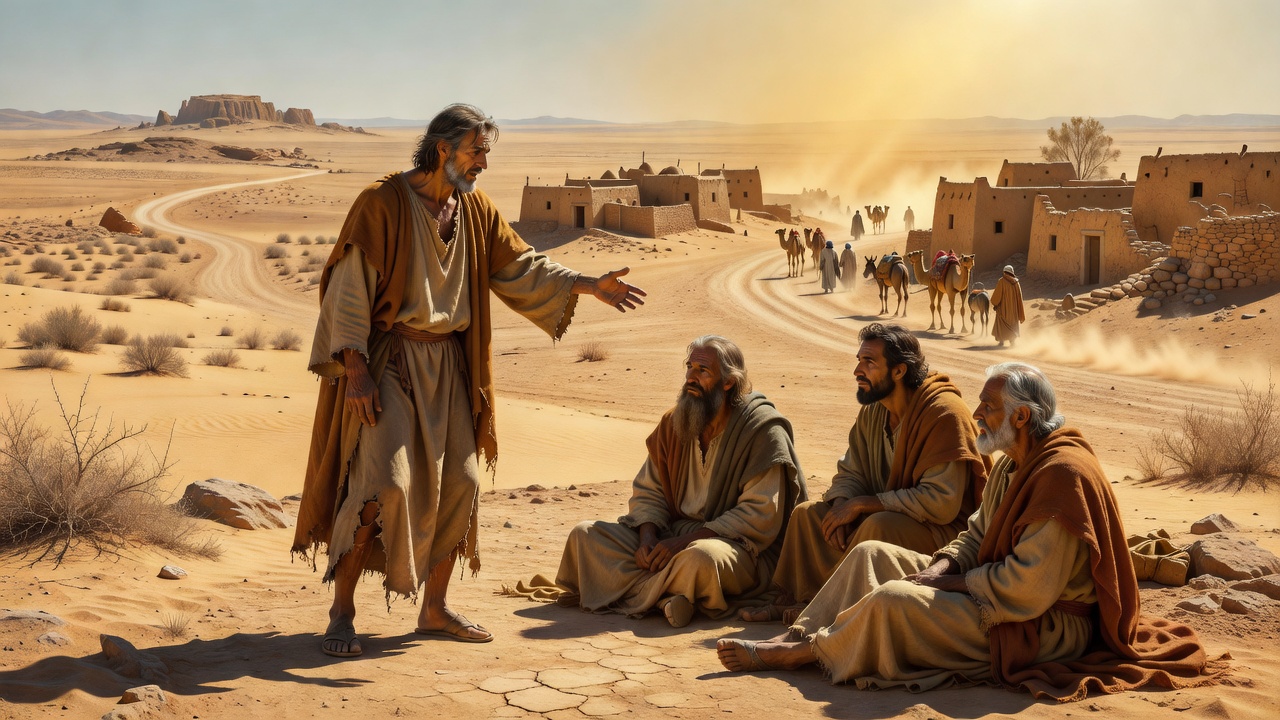
The Prosperity of the Wicked
- Job challenges his friends' belief that the wicked always suffer in this life. He points out that many ungodly people grow old, increase in power, see their children flourish to the sound of lyres and flutes, and die in peaceful ease.Sources: the Bible text itself
- Confronting the idea that God reserves punishment for a person's children, Job argues that true accountability requires wrongdoers to experience retribution personally and taste the wrath of the Almighty during their own lives.Sources: the Bible text itself
- Job urges his companions to ask road travelers about common observations. He notes that whether an individual lives in vigorous prosperity or dies in bitter poverty, both ultimately share the same earthly end when they lie down together in the dust.Sources: the Bible text itself
Notes written with AI assistance from open sources (Theographic Bible Metadata, CC BY-SA 4.0; Easton’s Bible Dictionary, public domain) and reviewed before publishing.
Credits and license for this translation
Bibiri Kuyie Nnɑ́ɑǹtì Pɑ́tíri
The Holy Bible in the Ditammari language of Benin
copyright © 2001 SIM International
Language: Ditammari
Translation by: SIM
This translation text is made available to you under the
terms of the Creative Commons License: Attribution-Noncommercial-No Derivative Works.
( http://creativecommons.org/licenses/by-nc-nd/3.0/ )
In addition, you have permission to port the text to different file formats, as long as you
do not change any of the text or punctuation of the Bible.
You may share, copy, distribute, transmit, and extract portions
or quotations from this work, provided that you include the above copyright
information:
You must give Attribution to the work.
You do not sell this work for a profit.
You do not make any derivative works that change any of the actual words or punctuation of the Scriptures.
Permissions beyond the scope of this license may be
available if you contact
us with your request.
This translation is made available to you under the terms of the
Creative Commons Attribution-No Derivatives license 4.0.
You may share and redistribute this Bible translation or extracts from it in any format, provided that:
You include the above copyright and source information.
You do not make any derivative works that change any of the actual words or punctuation of the Scriptures.
Pictures included with Scriptures and other documents on this site are licensed just for use with those Scriptures and documents.
For other uses, please contact the respective copyright owners.
2022-05-31
Source: http://ebible.org/tbzsim/ · eBible.org